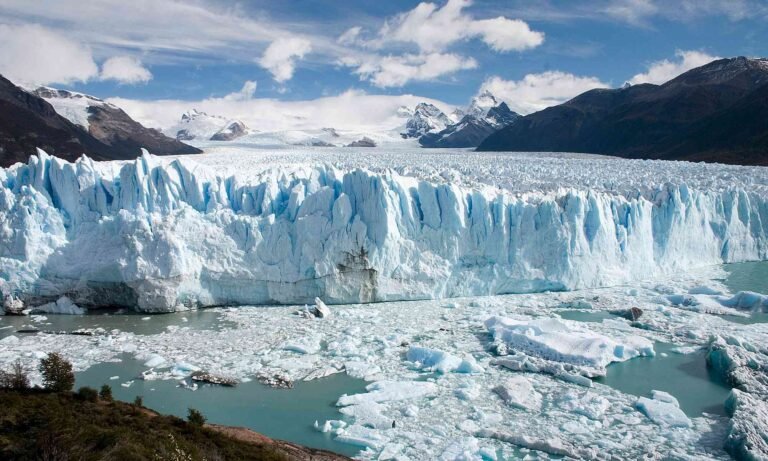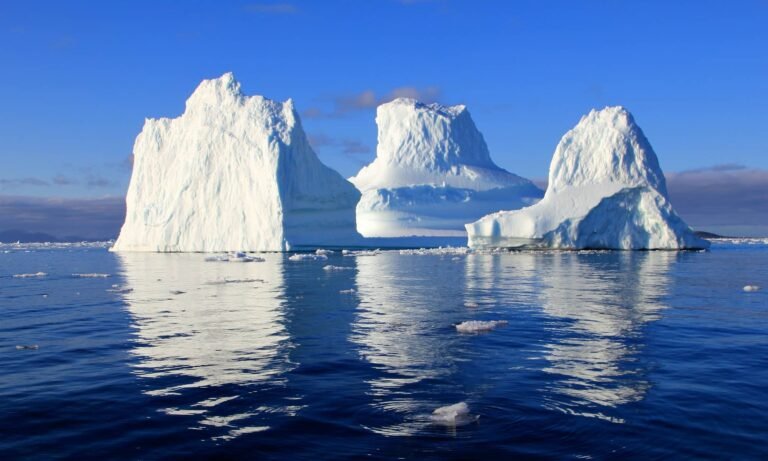


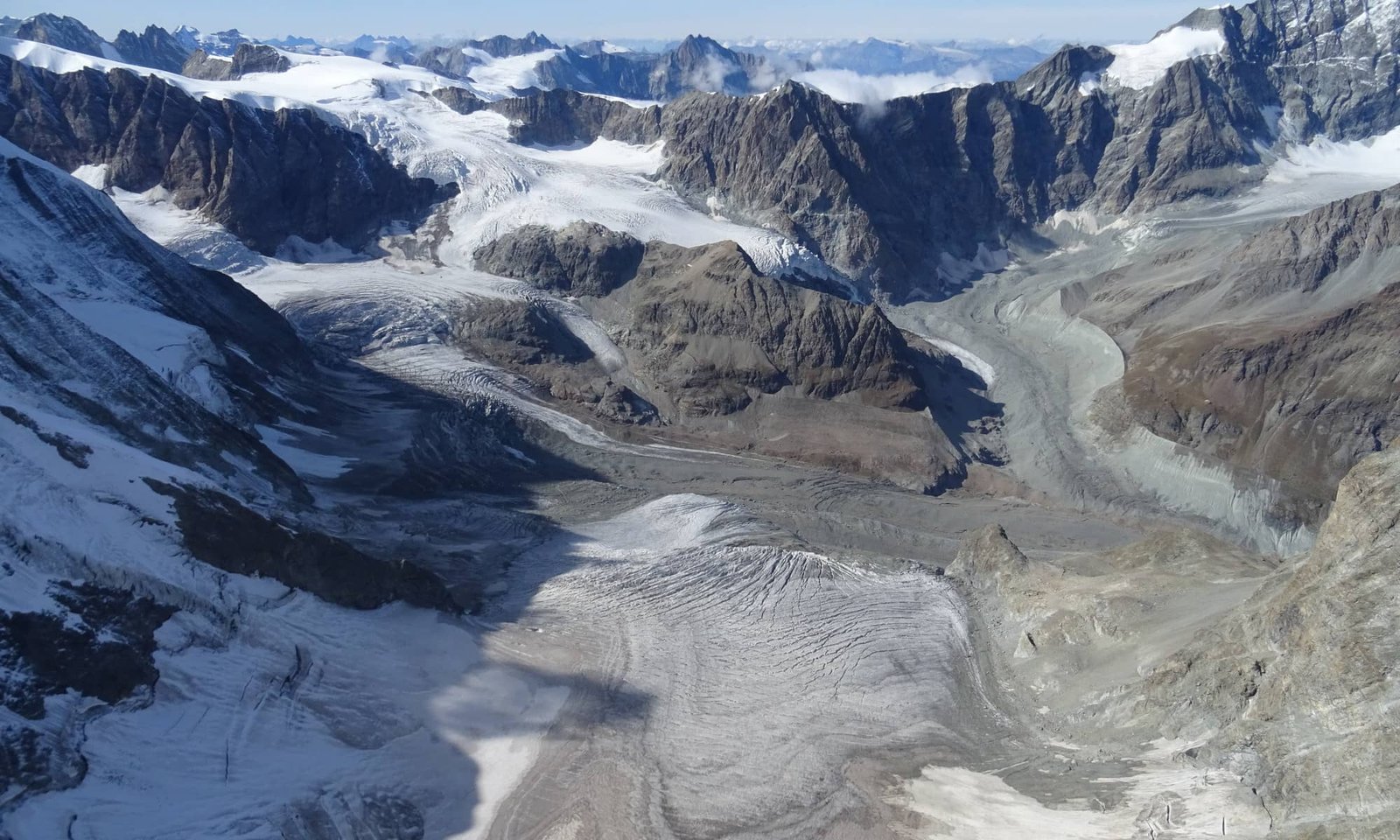
The alpine cryosphere is a vital component of the Earth’s climate system, located in high‑altitude mountainous regions where temperatures can plunge, leading to the formation of snow and ice. This zone is characterized by unique geographical features that influence its climatic conditions. In these areas, the presence of glaciers, snowfields, and permafrost underscores the complexity and dynamism of the alpine cryosphere.
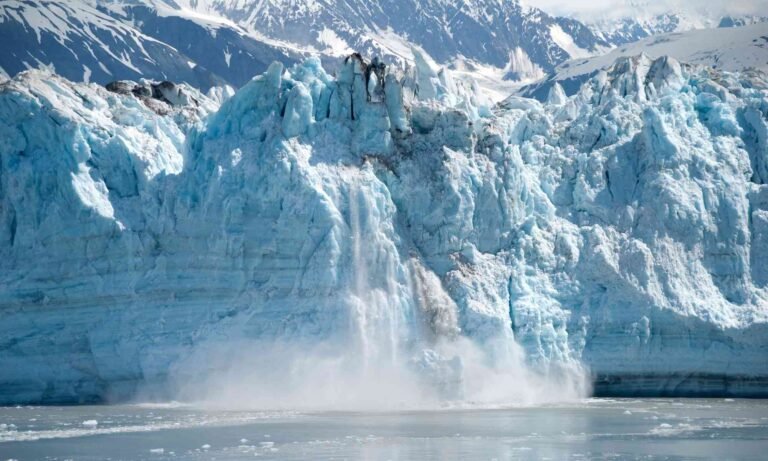
Geographically, alpine regions lie above the treeline, with variations depending on latitude. Snow accumulates in winter and ablates in summer, creating a marked seasonal cycle. Glaciers often have distinct morphologies shaped by weather patterns, including precipitation and temperature fluctuations, making them important indicators of climate change.
The alpine cryosphere also contains ice formations beyond traditional glaciers, such as firn – granular snow that compacts into glacial ice – and ice caps, which cover extensive areas but remain smaller than ice sheets. These formations influence global sea levels through the meltwater they release during warmer periods.
Furthermore, the alpine cryosphere helps regulate the Earth’s climate by reflecting solar radiation and influencing local weather patterns. Understanding its dynamics is essential for grasping the broader implications of climate change. The alpine cryosphere is not merely frozen water; it is a crucial player in the interaction between Earth’s systems, affecting ecosystems, water resources, and global climate trends.
Importance to Climate Regulation
The alpine cryosphere, encompassing glaciers, snowfields, and permafrost regions, plays a critical role in regulating Earth’s climate. One of the most significant mechanisms through which the alpine cryosphere exerts its influence is the albedo effect. Snow and ice have high albedo values, meaning they reflect a large portion of incoming solar radiation back into the atmosphere. This reflection helps to moderate local temperatures and contributes to climate stability. As glaciers and snowfields recede due to rising global temperatures, the diminishing reflective surface leads to increased absorption of solar energy, which further accelerates warming and amplifies melting rates.
Furthermore, the melting of alpine glaciers contributes significantly to river systems, supplying freshwater to downstream ecosystems and communities. As glaciers shrink, they release meltwater that feeds into rivers during warmer months, playing a pivotal role in maintaining water flow. This is particularly important for agriculture, as many regions rely on glacial meltwater for irrigation. Without the steady flow provided by active glaciers, water availability during critical growing seasons could decline, adversely affecting crop yields and food security.
Moreover, the alpine cryosphere supports a rich array of ecosystems. The frozen landscapes serve as a crucial habitat for numerous species that depend on cold environments. Changes in the cryospheric elements can disrupt these ecosystems, impacting biodiversity and altering species distribution. The loss of cryospheric features can lead to shifts in plant and animal life, influencing the entire ecological balance. The interconnectedness of the cryosphere with various climate systems underscores its vital role, making its preservation essential for maintaining climate stability and ecological integrity.
Impacts of Climate Change

Climate Change is profoundly affecting the alpine cryosphere, leading to significant alterations in glacier dynamics, snowfall patterns, and the frequency of extreme weather events. One of the most evident impacts is the accelerated retreat of glaciers across alpine regions globally. Numerous studies have documented this phenomenon, with researchers noting that many glaciers have shrunk, losing significant ice mass as temperatures continue to rise. These changes not only influence the physical landscape but also contribute to rising sea levels, presenting a critical challenge to coastal communities.
In addition to glacial retreat, snowfall patterns are experiencing notable shifts. Increasingly, warmer winters contribute to reduced snowfall at lower elevations, leading to longer dry seasons and altered hydrological cycles. This transformation can have cascading effects on regional water supplies, as many alpine communities depend on meltwater from glaciers and snowmelt for freshwater resources. Altered snowpack levels can therefore affect agriculture, drinking water availability, and local ecosystems that rely on consistent water flow.
Moreover, the frequency of extreme weather events is increasing in alpine regions as a direct consequence of climate change. More frequent heavy precipitation events, combined with rapid warming, can lead to increased risks of avalanches and landslides. These natural disasters pose significant threats to human safety and infrastructure, particularly in areas that are heavily reliant on tourism and outdoor activities. Scientific data underscores these trends, illustrating a concerning trajectory for the future health of the alpine cryosphere and its critical role in global climate systems.
Overall, the implications of climate change for the alpine cryosphere extend beyond environmental impacts, affecting ecological balance, human livelihoods, and cultural heritages located in these regions. Continued research is essential to understand and mitigate these risks, ensuring resilience in the face of an evolving climate.
Implications and Preservation Efforts
The alpine cryosphere, consisting of glaciers, snowfields, and ice caps, plays a pivotal role in Earth’s climate system. However, ongoing climate change threatens these environments, leading to accelerated melting and habitat transformation. The future implications of changes in the alpine cryosphere are significant, affecting regional climates, water resources, and biodiversity.
Monitoring these areas is essential for understanding and mitigating climate impacts. Advanced tools such as remote sensing and climate modeling provide valuable data for researchers and policymakers. This information supports conservation strategies aimed at protecting the alpine cryosphere from further degradation. Effective policies that prioritize these fragile ecosystems are crucial, as they influence local conditions and contribute to global sea‑level rise.
Community awareness and education are also central to preservation. Engaging local populations fosters stewardship, while organizations can support workshops, campaigns, and volunteer programs that encourage active participation. Individual actions – reducing carbon footprints, promoting sustainable tourism, and supporting conservation groups – collectively make a meaningful difference.
In addition to grassroots efforts, collaboration between governments, NGOs, and scientists is vital for developing comprehensive policy frameworks. These should address both environmental and socio‑economic dimensions of the alpine cryosphere. By prioritizing joint research, funding conservation projects, and adhering to international agreements, stakeholders can work together to counteract the threats posed by climate change.
Scientific Frontiers: What We Still Don’t Know
Despite decades of observation the alpine cryosphere remains one of the least understood components of the climate system. Its apparent simplicity hides a network of interactions that scientists are only beginning to map with precision. Snowpack formation, meltwater percolation and the shifting boundaries between seasonal and perennial ice all influence how mountain regions respond to warming, yet many of these processes operate at scales that are difficult to measure.
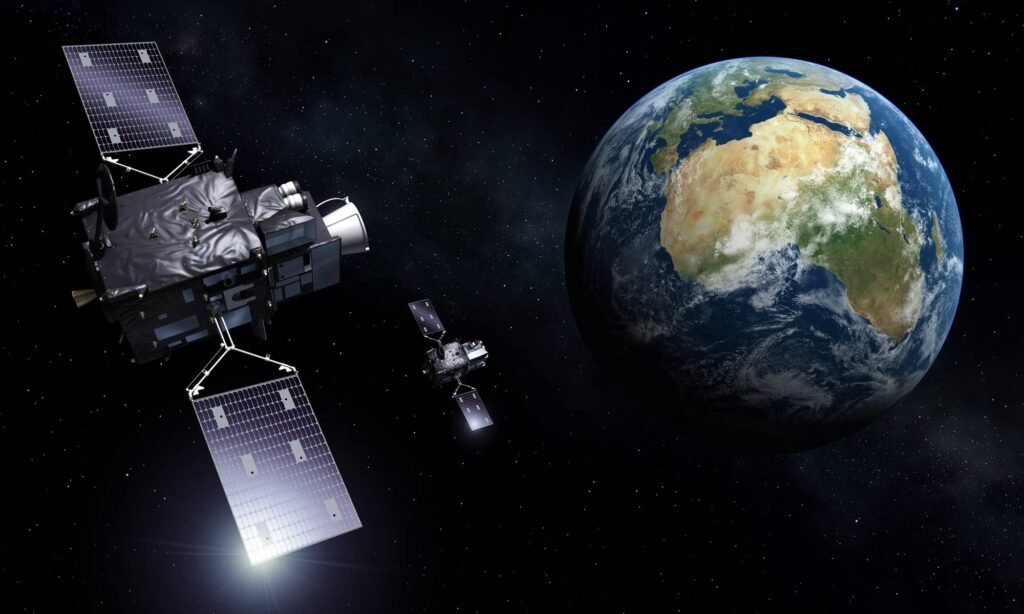
New technologies are pushing the frontier forward. High‑resolution Satellites now capture daily changes in glacier surfaces and autonomous sensors track temperature, albedo and moisture in real time. These data streams feed advanced climate models that simulate future scenarios, but even the most sophisticated models struggle with the fine‑grained complexity of mountainous terrain. Small variations in slope, shading or wind redistribution can produce disproportionately large effects on melt rates and runoff timing.
Uncertainty also persists in understanding feedback loops. As glaciers retreat newly exposed rock absorbs more solar radiation and amplifies local warming. Changes in snow cover influence atmospheric circulation far beyond the mountains. The stability of permafrost remains a critical unknown, as its thaw can trigger landslides, reshape valleys and disrupt ecosystems, yet predicting when and where these shifts will occur is still an emerging science.
These open questions shape our ability to anticipate water availability, manage natural hazards and protect alpine biodiversity. The cryosphere is evolving faster than our models can fully capture, and the gap between observation and prediction remains a central challenge. Continued research that combines fieldwork, remote sensing and computational modeling is essential to illuminate the processes that will define the future of high‑mountain environments.
What’s More



The posts in My Blog feature reflective, story-driven pieces rooted in personal and societal insights. The topics in My Interests explore abstract, philosophical ideas and their cultural and social impact. The lines in My Quotes share brief reflections that highlight clear insights shaped by lived experience. Subscribe to get Site Updates and be notified whenever new content is published.
👁️ 9,278 Views