


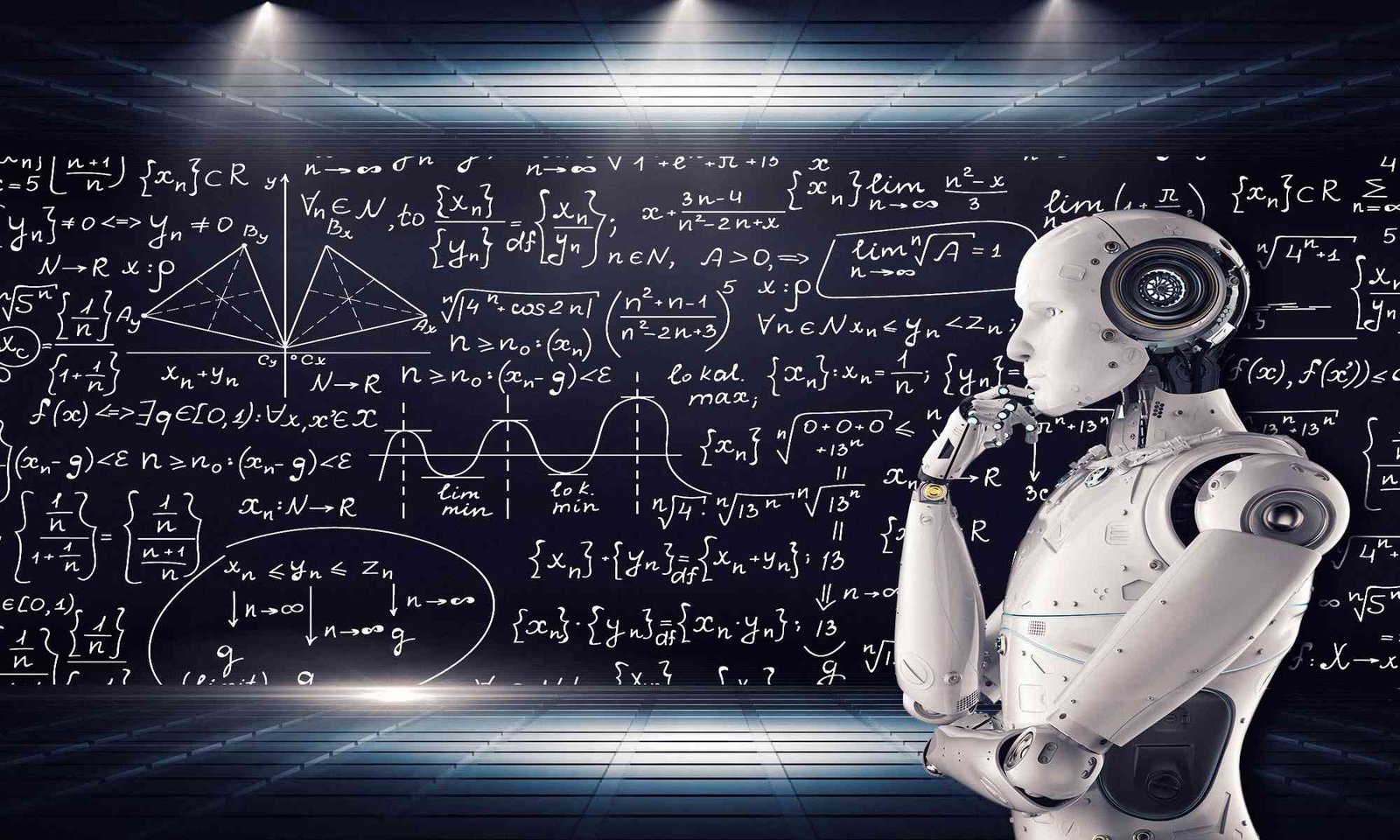
The Myth of Intelligence: What AI Really Is
Understanding AI’s limitations requires distinguishing true intelligence from algorithmic capability. Human intelligence involves reasoning, emotional understanding, and consciousness – qualities rooted in self‑awareness and subjective experience. AI, by contrast, operates through pattern recognition and data processing, executing tasks without genuine comprehension or awareness.
Although AI can analyze vast datasets and generate human‑like responses, it does so by following programmed rules rather than engaging in real reasoning. It cannot grasp meaning or context, only correlations. Its lack of emotion further separates it from true intelligence. While AI may mimic emotional cues, it cannot feel or empathize, which limits its usefulness in areas where emotional understanding is essential.
AI also lacks consciousness. It has no inner experience, no sense of self, and no awareness of its environment. Even when performing complex tasks, it functions purely as a sophisticated tool rather than an intelligent being. Recognizing these boundaries clarifies that AI can simulate intelligent behavior but does not possess true intelligence.
The Illusion of Learning: How AI is Not Capable of Genuine Growth
Artificial Intelligence has transformed many industries by mimicking certain aspects of human cognition, yet its learning process differs fundamentally from human learning. AI relies on pattern recognition and data processing, not on experiential understanding or contextual awareness. It can detect patterns at extraordinary scale, but it does so without any sense of meaning, intention, or lived experience.
Machine‑learning systems analyze massive datasets to detect correlations, such as identifying cats by processing millions of labeled images. They learn statistical regularities – shapes, textures, pixel arrangements – but they do not understand what a cat is, how it behaves, or how the concept relates to the world. Their “learning” remains confined to numerical associations rather than genuine comprehension, which limits their ability to reason or generalize beyond the data they have seen.
This highlights a key divide between AI and human intelligence. Humans can innovate, adapt to new situations, and transfer knowledge across entirely different contexts. We draw on memory, intuition, and experience to navigate unfamiliar circumstances. AI systems cannot; they operate strictly within the boundaries of their programming and training data. When confronted with scenarios that fall outside those boundaries, they often fail in ways that expose the absence of true understanding.
Recognizing this distinction is crucial. AI does not experience growth, insight, or understanding – it executes tasks based on predefined inputs and outputs, no matter how sophisticated the system appears. These constraints raise important concerns about over‑reliance on AI, especially as society increasingly delegates complex decisions to systems that cannot truly grasp the meaning or consequences of their actions.
AI’s Flaws: Bias, Errors, and Vulnerabilities
AI systems can process massive datasets and detect patterns beyond human capability, but they are far from flawless. A major concern is algorithmic bias, which stems from training data containing historical prejudices or unequal representation. As a result, AI can reinforce discrimination in areas like hiring, policing, and lending. Facial recognition technologies, for example, show higher error rates for certain demographic groups, leading to wrongful identifications and deepening systemic inequalities. Ensuring fair outcomes requires continuous scrutiny and improvement of the data used to train these systems.
Beyond bias, AI is vulnerable to errors and cyberattacks. Hackers can exploit system weaknesses to access sensitive information or manipulate decision‑making processes, threatening privacy and organizational security. Even unintentional errors—such as misinterpreting data—can have serious consequences, particularly in high‑stakes fields like healthcare where flawed AI recommendations can directly affect patient outcomes. Understanding these risks and implementing strong safeguards is essential for the responsible deployment of AI technologies.
The Threat to Human Employment and Economy
Artificial intelligence is transforming industries and boosting efficiency, but it also raises serious concerns about its impact on employment. As AI systems take over tasks once performed by humans, jobs in manufacturing, customer service, and even professional fields like healthcare and law face increasing risk of automation.
This shift can lead to widespread job displacement, especially in economies dependent on low‑skilled labor. While businesses benefit from cost savings, workers may struggle to find new roles, deepening economic inequality. Communities reliant on stable employment can experience financial insecurity and socio‑economic decline as opportunities shrink.
Rising unemployment also threatens broader economic stability, reducing consumer spending and slowing growth. Although AI offers significant advantages, its potential to disrupt labor markets and strain societal structures underscores the need for comprehensive strategies that manage the risks of an AI‑driven economy.
Existential Risks
“The development of full artificial intelligence could spell the end of the human race. Once humans develop artificial intelligence, it will take off on its own and redesign itself at an ever-increasing rate. Humans, who are limited by slow biological evolution, couldn’t compete and would be superseded.”
– Stephen Hawking
Dependence on AI: A Risky Future
As AI becomes more deeply integrated across sectors, it brings major benefits but also significant risks that are often underestimated. In healthcare, AI can improve diagnostic accuracy and speed, offering clinicians rapid insights that would be difficult to obtain manually. Yet over‑reliance on these systems may cause professionals to overlook their inherent limitations, such as flawed training data, hidden biases, or subtle system errors. When medical staff place too much trust in algorithmic outputs, the risk of dangerous misdiagnoses increases, underscoring the need for consistent human oversight and critical evaluation rather than blind dependence.
In finance, algorithms now govern trading, risk assessment, and market analysis, dramatically accelerating decision‑making processes. However, this efficiency comes with fragility. During periods of market volatility, automated systems can behave unpredictably or amplify existing instability. The 2010 Flash Crash remains a stark reminder of how algorithmic interactions can trigger rapid, large‑scale disruptions when human intervention is absent or delayed. As financial institutions lean more heavily on automation, the potential consequences of system failures, manipulation, or cascading errors grow more severe.
Law enforcement’s adoption of AI for surveillance, facial recognition, and predictive policing introduces another layer of concern. While these tools promise improved efficiency, they also raise serious questions about privacy, civil liberties, and accountability. Biased algorithms can disproportionately target certain communities, reinforcing existing inequalities and enabling forms of surveillance that operate with minimal transparency. Without strict oversight, these systems risk normalizing practices that undermine public trust and fairness.
Overall, while AI enhances efficiency and innovation across many domains, excessive dependence on it can create systemic vulnerabilities that are difficult to detect until they cause real harm. Continuous human oversight, rigorous auditing, and a clear understanding of AI’s limitations are essential to ensure that these technologies are deployed responsibly and do not compromise the very systems they are meant to support.
Privacy Concerns: Surveillance and Data Misuse
The rapid growth of artificial intelligence has greatly expanded surveillance capabilities, raising serious concerns about privacy and personal freedom. AI systems collect and analyze vast amounts of data, often gathered without individuals’ full awareness, blurring the line between public and private life. This data can be used for targeted advertising, behavioral prediction, or, more troublingly, fall into the hands of malicious actors or be exploited by governments in ways that threaten civil liberties.
AI’s ability to predict behavior intensifies fears of constant monitoring, encouraging self‑censorship and eroding trust within society. These concerns are heightened by opaque data‑handling practices and vague privacy policies, underscoring the need for strong regulatory frameworks that protect individual rights and ensure responsible use of AI technologies.
Beyond privacy, AI development raises broader ethical dilemmas. As systems become more autonomous, accountability for harmful or biased decisions becomes unclear, especially given the complexity and opacity of many algorithms. In critical sectors such as healthcare, law enforcement, and finance, biased or flawed AI decisions can reinforce inequalities and cause real harm.
To address these risks, robust regulations are essential. Clear standards for transparency, fairness, and accountability must guide AI development and deployment, balancing innovation with the protection of fundamental rights. By confronting these ethical challenges proactively, society can harness AI’s benefits while mitigating the threats it poses.
What’s More



The posts in My Blog feature reflective, story-driven pieces rooted in personal and societal insights. The topics in My Interests explore abstract, philosophical ideas and their cultural and social impact. The lines in My Quotes share brief reflections that highlight clear insights shaped by lived experience. Subscribe to get Site Updates and be notified whenever new content is published.
👁️ 8,997 Views