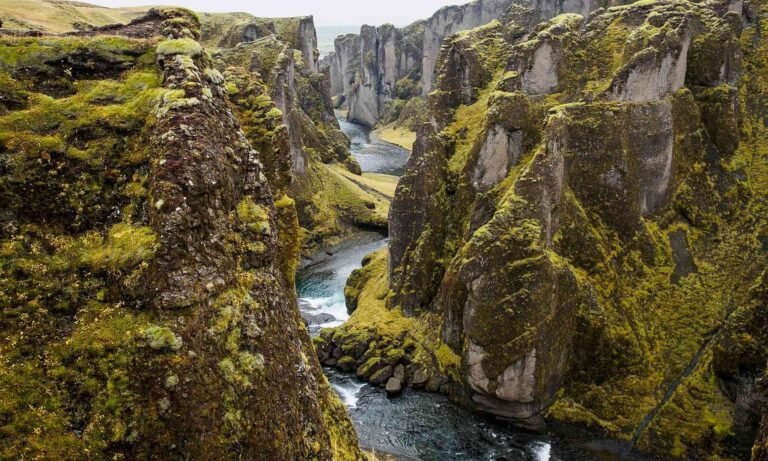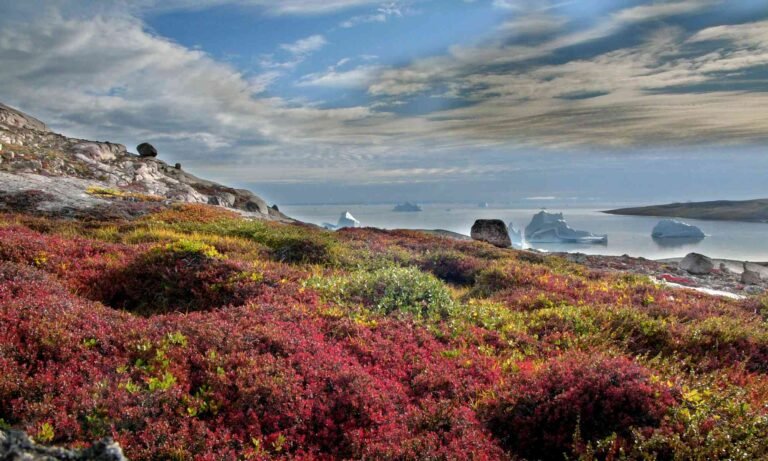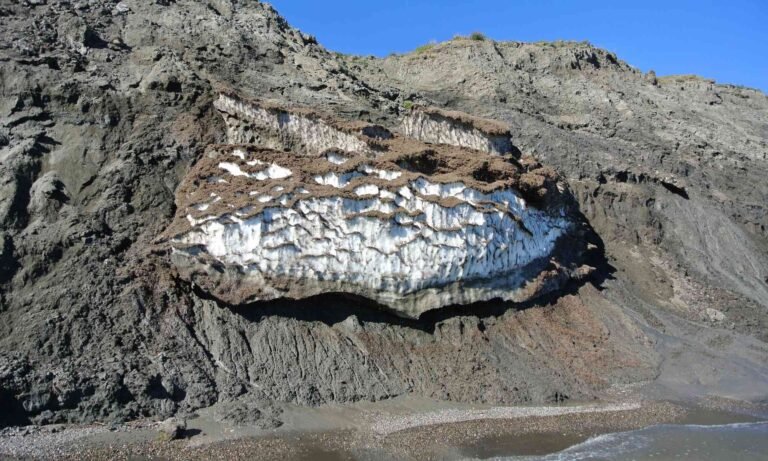


Polar dynamics encompasses the physical, chemical, and biological processes that shape the Arctic and Antarctic, focusing on interactions among the atmosphere, Cryosphere, hydrosphere and biosphere. These regions regulate global climate by reflecting solar energy and influencing sea levels, ocean circulation, and greenhouse‑gas release from thawing permafrost. Because they respond rapidly to warming, they serve as sensitive indicators of climate change. Understanding these dynamics is also essential for managing natural resources and supporting the communities and ecosystems that depend on stable polar environments, underscoring the central role of the polar regions in Earth’s climatic balance.
The Polar Climate System
The polar climate system is defined by extreme conditions, including major temperature fluctuations and distinctive precipitation patterns. The Arctic and Antarctic experience some of the coldest temperatures on Earth, with Arctic winters reaching around –30 °C and Antarctic winters dropping to –60 °C. These extremes stem from high latitudes that receive limited direct sunlight and endure long periods of winter darkness. Precipitation is generally low, classifying these regions as polar deserts, though patterns differ: the Arctic receives most of its snowfall during warmer months, while Antarctica’s interior remains extremely dry and its coastal areas receive more moisture due to oceanic influences.
These climatic characteristics shape local ecosystems and exert a strong influence on global weather patterns. Shifts in temperature and ice cover affect ocean currents and atmospheric circulation, producing consequences that extend far beyond the poles. Because the polar regions respond rapidly to environmental change, understanding their climate system is essential for predicting the impacts of global warming. Their sensitivity to variations in temperature and precipitation makes them critical indicators of broader climate trends and key components of global climate models.
Ice Sheets and Glaciers: Their Role in Polar Dynamics
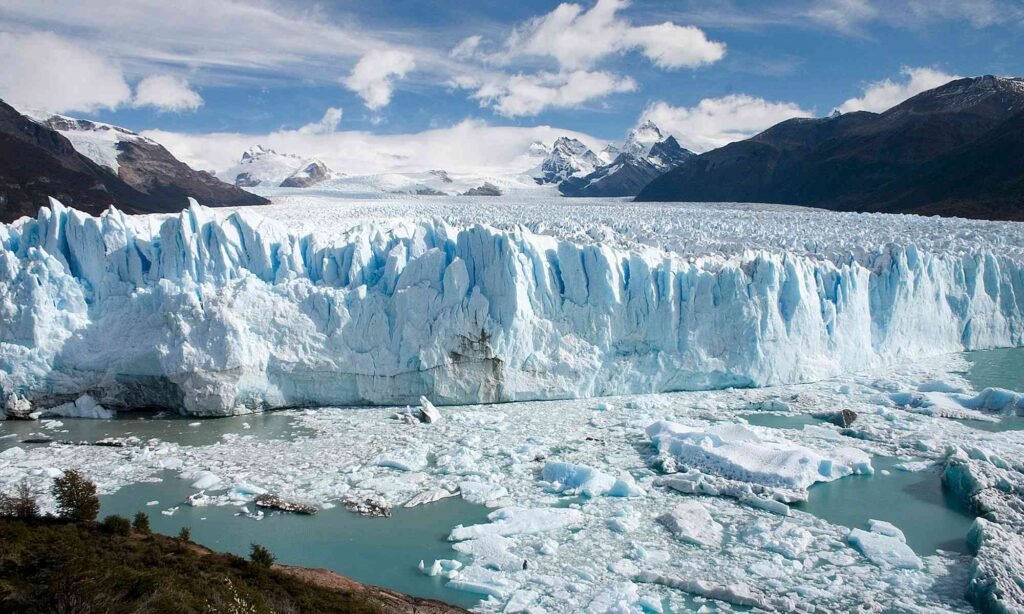
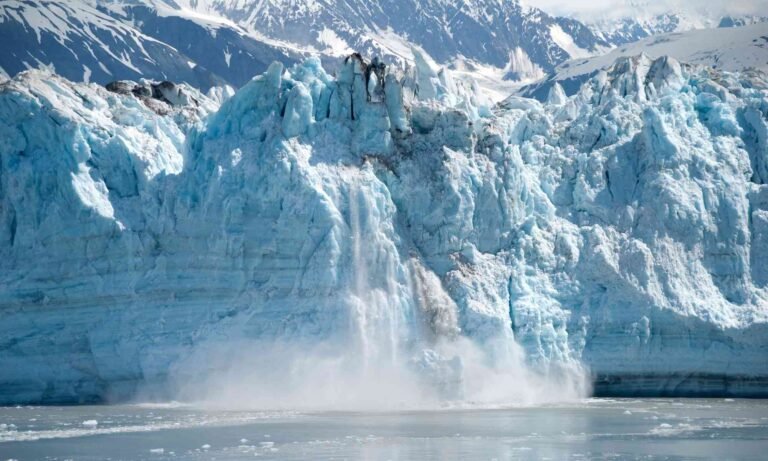
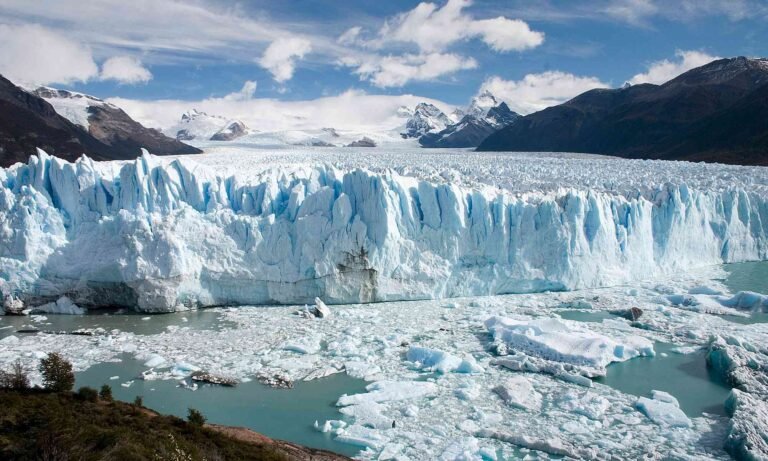
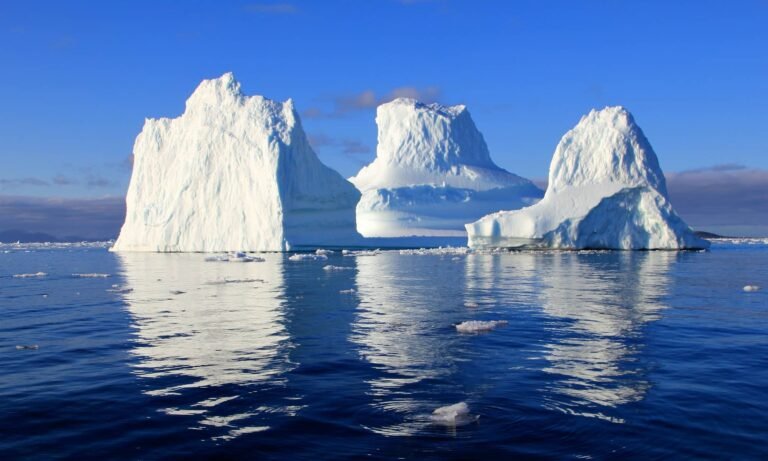
Ice sheets and glaciers represent significant components of Earth’s cryosphere, primarily found in polar regions. These massive bodies of ice cover large areas of land and are crucial for regulating global climate and sea levels. Ice sheets, specifically those in Antarctica and Greenland, are composed of compressed snow that has accumulated over thousands of years. Glacials & Glaciers, both formed through long-term snow accumulation and compaction, differ mainly in scale and setting: glacials refer to extended periods of widespread ice coverage, while glaciers typically occupy valleys and mountainous regions, flowing slowly under the influence of gravity.
The movement of these ice structures is dictated by various factors, including temperature fluctuations, precipitation rates, and the underlying geology. As climate change accelerates, ice sheets and glaciers face unprecedented melting. Satellite observations have shown that the Greenland Ice Sheet is losing about 279 billion tons of ice annually, significantly contributing to global sea level rise. In addition, the Antarctic Ice Sheet has experienced increased ice loss, particularly from its West Antarctic region, leading to concerns over future contributions to sea level increases.
The implications of shrinking ice masses extend beyond immediate sea level rise; they influence climatic feedback mechanisms significantly. As ice and snow cover diminish, less sunlight is reflected back into the atmosphere, a process known as the albedo effect. This change accelerates warming, contributing to further ice loss and creating a feedback loop detrimental to the Earth’s climate system. Projections indicate that if current trends continue, we could face a rise in sea levels of several meters by the end of the century, with far-reaching impacts on coastal populations and ecosystems.
Ocean Currents and Their Impact on Polar Regions
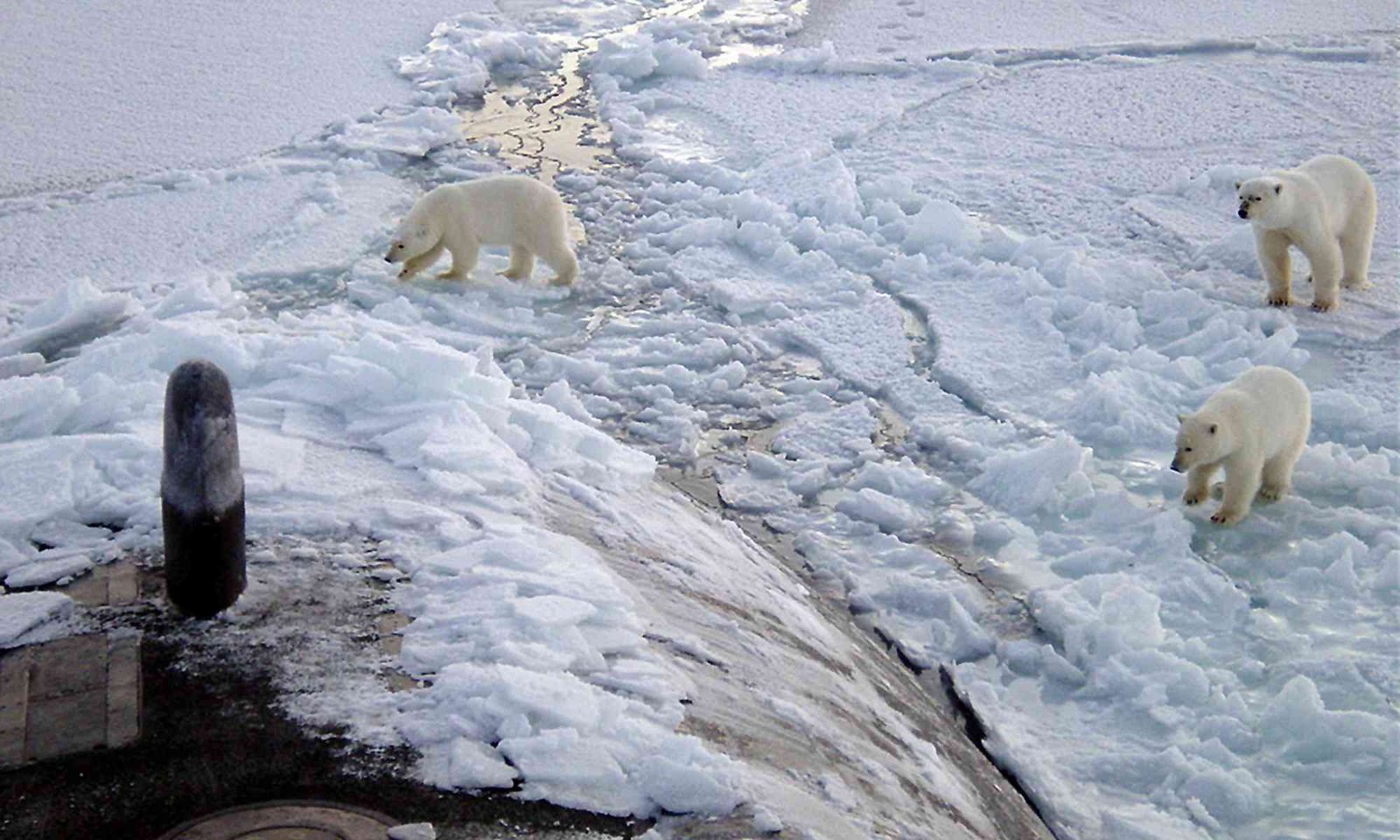
Ocean currents play a crucial role in shaping the environmental dynamics of polar regions, as they influence global heat distribution through the larger system of ocean circulation. The thermohaline circulation, driven by differences in temperature and salinity, moves warm and cold water masses across the planet and helps regulate climate by transporting warmer waters toward the poles. This interaction affects sea‑ice formation and melt, altering habitats for species such as polar bears and seals that depend on stable ice platforms for hunting and breeding. Any disruption in these currents therefore has direct consequences for the survival of organisms that rely on ice‑covered environments.
Nutrient distribution and marine ecosystem structure are also heavily shaped by ocean currents, particularly when cold, nutrient‑rich deep water rises to the surface and fuels phytoplankton growth. This productivity forms the base of the polar marine food web and supports a wide range of species. Because these ecosystems are tightly linked to global climate patterns, changes in ocean circulation can trigger shifts in weather systems and environmental conditions both locally and worldwide. The stability of polar regions is therefore closely tied to the behavior of ocean currents, making their study essential for understanding broader climate dynamics.
Climate Change and Its Effects on Polar Dynamics

The polar regions, encompassing both the Arctic and Antarctic, are among the areas most significantly impacted by Climate Change. Over the past few decades, there has been a dramatic increase in temperatures in these regions, outpacing the global average. According to the Intergovernmental Panel on Climate Change (IPCC), Arctic temperatures have risen by approximately 2 °C since the mid‑20th century, leading to accelerated ice melt. This rapid warming is reshaping sea‑ice patterns and altering long‑standing ecological systems. Scientists warn that continued warming in the polar zones will have cascading effects on global climate stability.
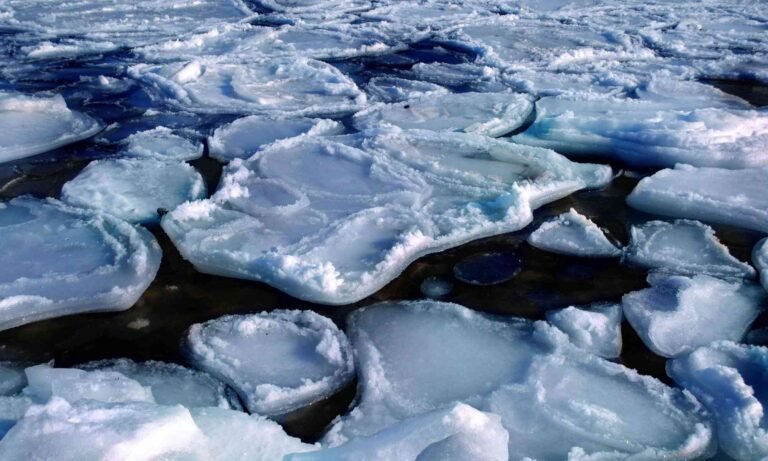
This melting ice, including sea ice and glaciers, contributes to rising sea levels that threaten coastal communities worldwide, with Arctic summer sea‑ice extent decreasing by about 70% since 1979. These changes disrupt ecosystems within icy habitats and severely impact wildlife such as polar bears, seals, and seabirds that depend on stable ice for breeding and feeding, while warming temperatures push temperate species northward and reshape food webs. If current trends continue, the Arctic could experience ice‑free summers as early as 2035, a shift that would influence global weather patterns and intensify the feedback loop created by reduced surface albedo. The implications of Climate Change for polar dynamics are therefore profound, affecting both regional ecological integrity and the stability of the global climate system.
Ecosystems of the Polar Regions
The polar regions, encompassing the Arctic and Antarctic, are defined by extreme environmental conditions that shape highly specialized ecosystems. Flora such as mosses, lichens, and hardy grasses have evolved to withstand freezing temperatures, prolonged darkness, and short growing seasons, making them well adapted to these harsh climates. Animal life in these regions is equally remarkable. Species like polar bears, penguins, and seals rely on adaptations such as blubber, dense fur, streamlined bodies, and seasonal behaviors like migration or hibernation to survive the intense cold and dramatic seasonal shifts.
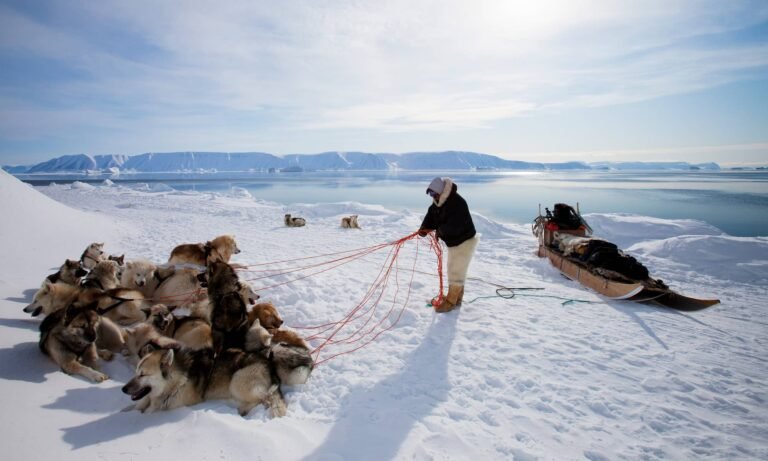
These ecosystems, however, are increasingly threatened by climate change and human activities. Melting ice and rising temperatures are causing habitat loss, while resource extraction and expanding shipping routes introduce pollution, noise, and ecological disruption that further endanger wildlife and the communities that depend on them. Tourism and industrial activity add additional pressure, challenging both environmental stability and the cultural traditions of Indigenous populations. Protecting the biodiversity and resilience of the polar regions requires coordinated international conservation efforts to balance human interests with ecological preservation.
Polar Research and Technological Advancements
The study of Earth’s polar regions is essential for understanding global climate dynamics, as research reveals how ice‑covered landscapes interact with the atmosphere and ocean systems. Remote sensing technologies such as satellites and UAVs now provide large‑scale and high‑resolution data on ice thickness, extent, and surface temperatures, enabling scientists to model ice‑sheet behavior and anticipate sea‑level impacts. At the same time, autonomous underwater vehicles and robotic submersibles have transformed access to polar oceans, gathering data on currents, temperature, and salinity in environments that were once too dangerous or remote for direct study.
Interdisciplinary collaboration strengthens these technological advances, bringing together climatologists, glaciologists, biologists, and engineers to analyze ice dynamics and ecosystem behavior from multiple perspectives. This integrated approach deepens our understanding of how polar systems respond to rapid environmental change and ensures that scientific insights directly support policymakers in addressing climate‑related challenges. By combining advanced tools with coordinated expertise, polar research contributes essential knowledge for global climate planning and environmental protection. Such collaboration is increasingly vital as polar environments continue to change at unprecedented rates.
What’s More



The posts in My Blog feature reflective, story-driven pieces rooted in personal and societal insights. The topics in My Interests explore abstract, philosophical ideas and their cultural and social impact. The lines in My Quotes share brief reflections that highlight clear insights shaped by lived experience. Subscribe to get Site Updates and be notified whenever new content is published.
👁️ 6,941 Views