

Understanding the Cryosphere
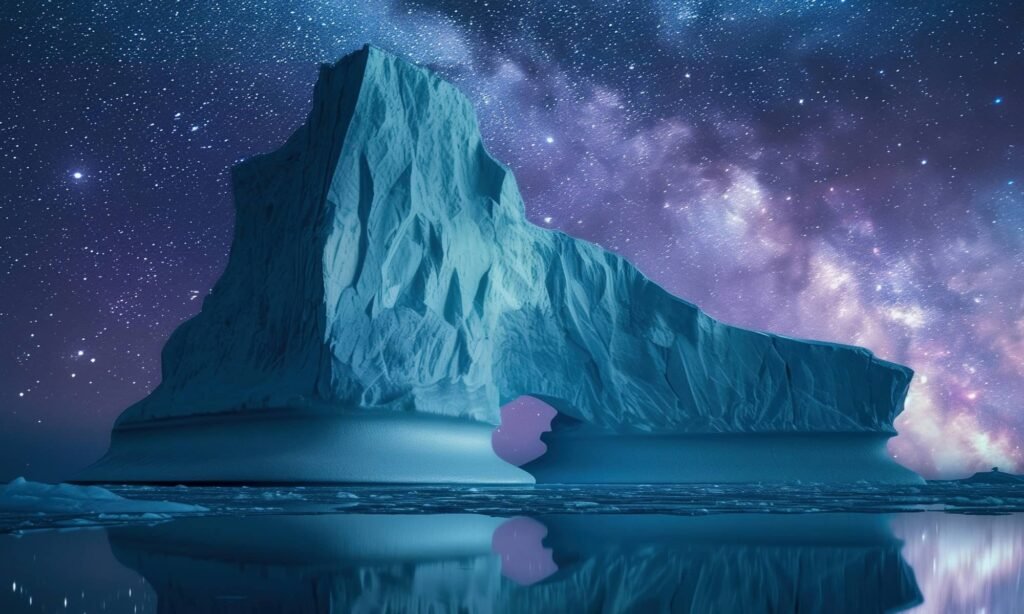
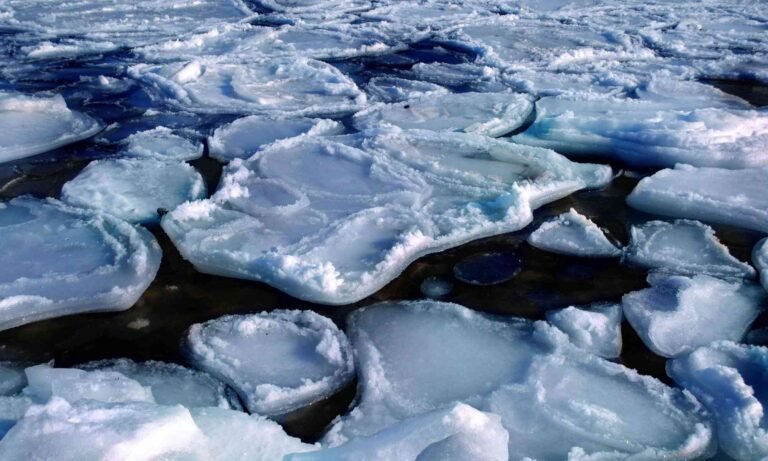
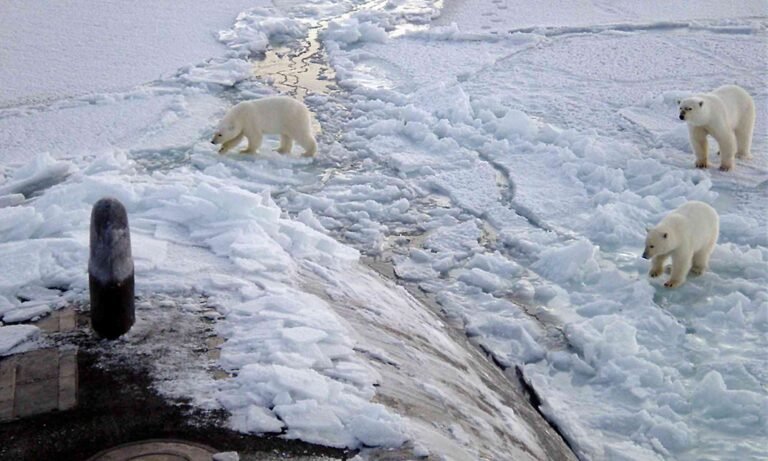
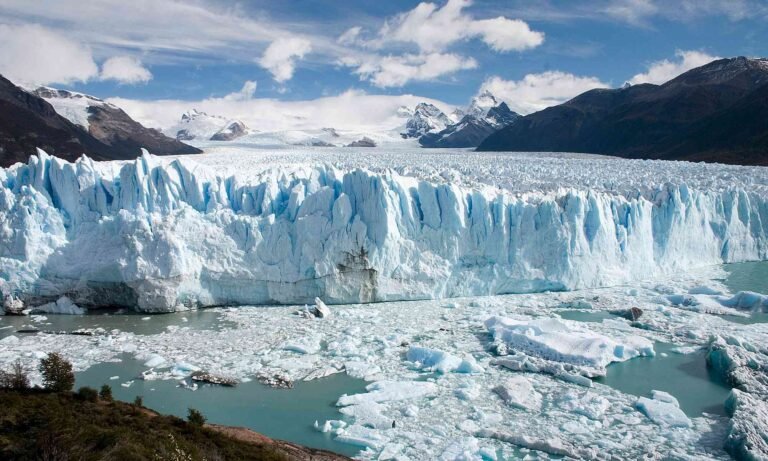
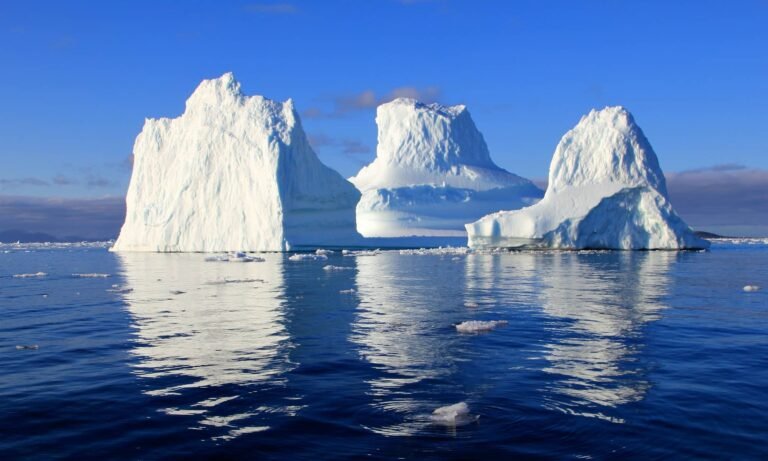
The cryosphere refers to the frozen water part of the Earth’s system, encompassing ice and snow found in various forms. This includes glaciers, ice caps, permafrost, and sea ice, which collectively play a crucial role in maintaining the Earth’s climatic balance. Glaciers and ice caps store roughly 69% of the planet’s freshwater, acting as essential reservoirs that influence global sea levels. Additionally, the Arctic sea ice is crucial for regulating temperatures, as its reflective surface helps cool the Earth by reflecting sunlight.
The importance of the cryosphere extends beyond just freshwater storage. It serves as a significant player in the global climate system, affecting weather patterns and oceanic currents. For instance, the melting of ice contributes to changes in salinity and temperature of ocean waters, which in turn influences marine ecosystems and global climate systems. This interaction highlights the interconnectedness of the cryosphere with other Earth systems, such as the atmosphere and hydrosphere.
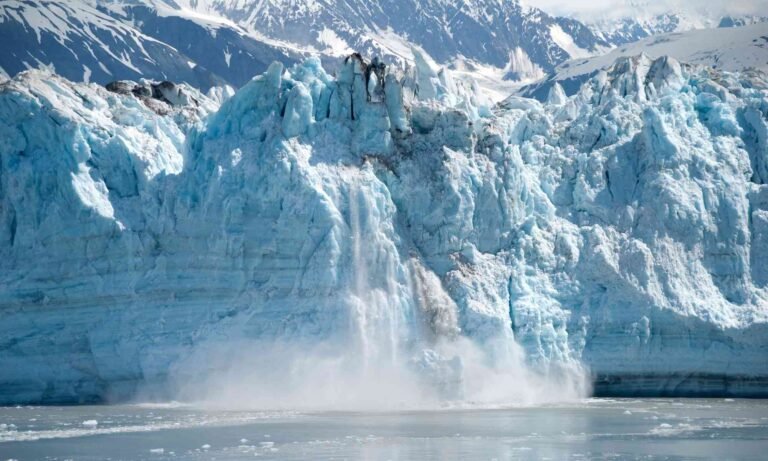
Currently, the cryosphere is undergoing significant changes, primarily due to climate change. Glaciers are retreating, ice caps are shrinking, and permafrost is thawing, which have alarming implications for sea level rise. Recent studies indicate that if current trends continue, sea levels may rise by several meters in the coming century, exposing coastal communities and ecosystems to increased risk. Observations show that Arctic sea ice extent has been declining rapidly, resulting in disruptions to wildlife habitats and local indigenous communities. These impacts underscore the need for enhanced understanding and monitoring of the cryosphere, highlighting its importance in climate science and policy-making.
What is Greening in the Cryosphere?
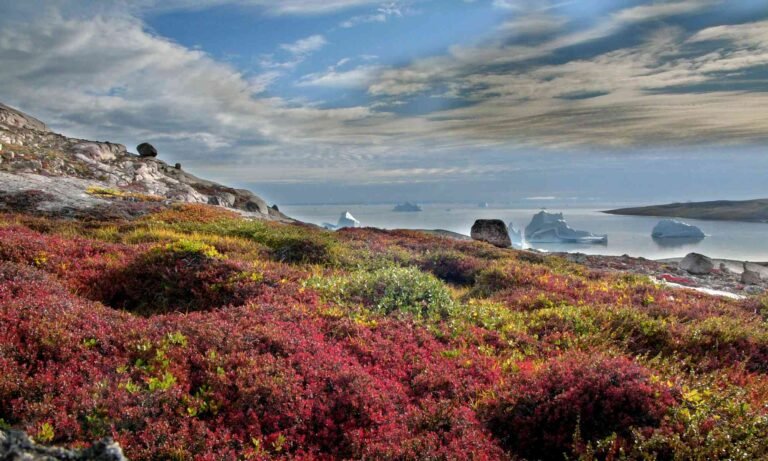
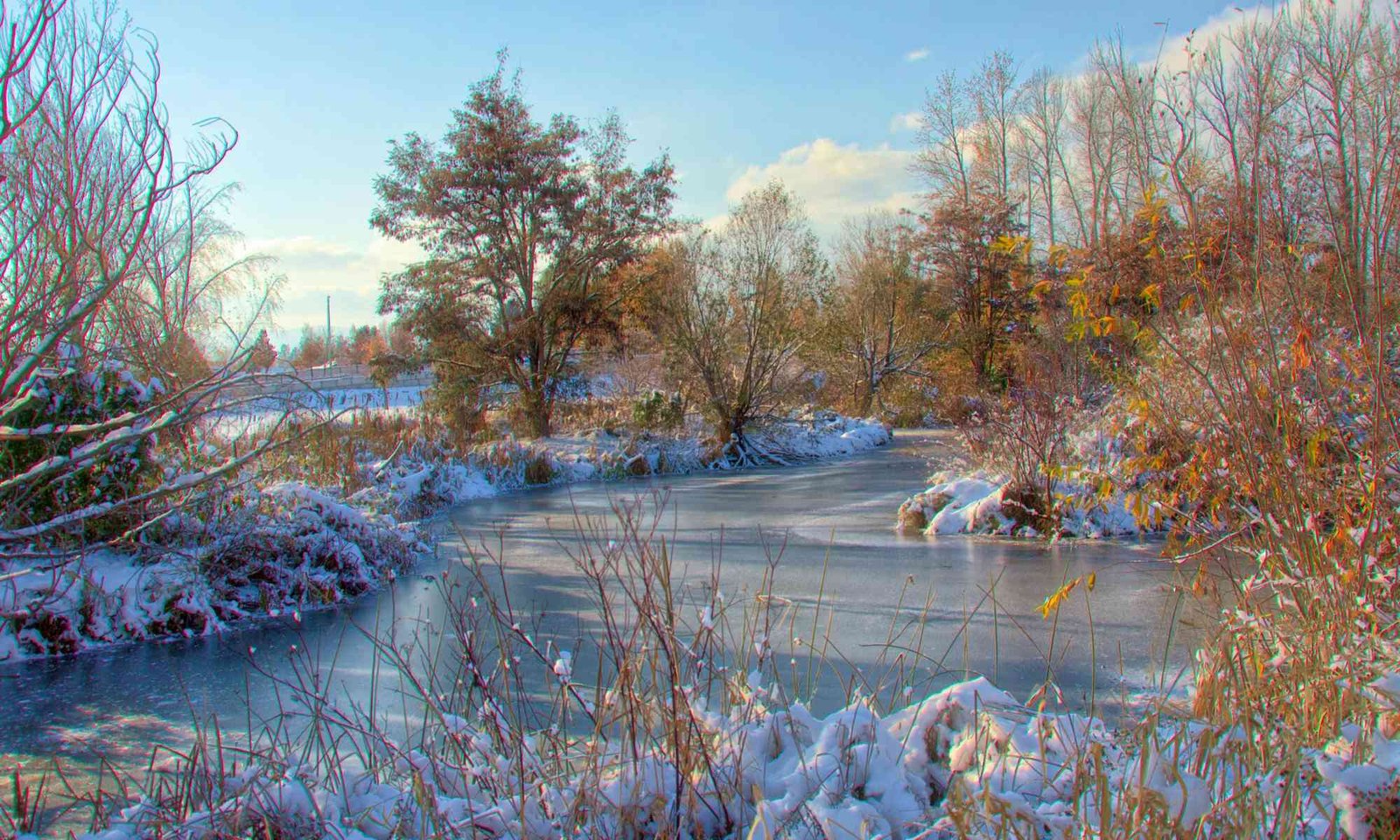
Greening in the cryosphere refers to the observable increase in vegetation and biological activity in polar and alpine regions that are typically characterized by ice and snow. This phenomenon is primarily driven by environmental factors that lead to changes in the cryospheric landscape. As temperatures rise due to climate change, areas that were once predominantly icy are starting to support more plant life. This transformation is significant not only for the local ecosystems but also for the broader implications it has on global climate patterns.
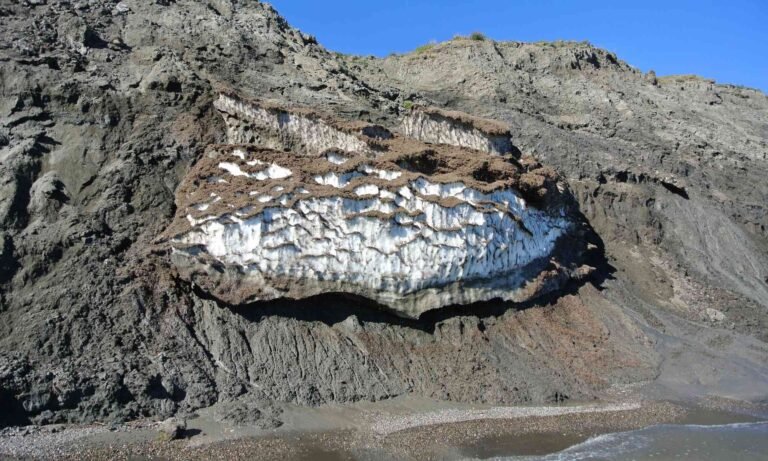
The processes underlying greening involve several interrelated factors. One of the most critical is the increase in temperatures that can facilitate the growth of vegetation. As warmer air temperatures persist, the permafrost begins to thaw, releasing previously trapped nutrients into the soil. This nutrient availability serves as a catalyst for vegetative growth in regions where plants have been limited by harsh climatic conditions.
Moreover, changes in precipitation patterns are playing a vital role in this process. As the climate shifts, precipitation may increase or change form, benefiting vegetation by providing more water than these regions have historically received. For instance, areas that previously experienced mostly snowfall may now encounter more rain during certain seasons, creating a more favorable environment for plants and other forms of life to flourish.
The significance of greening in the cryosphere extends beyond mere aesthetic changes in the landscape. It has potential ramifications for global climate systems as increased vegetation can alter local albedo – reflectivity of the Earth’s surface. This change can lead to further warming and the acceleration of climate change, creating a feedback loop that intensifies these effects. Understanding greening in the cryosphere is thus essential for predicting future changes in ecosystems and climate at a global level.
Impacts of Cryosphere Greening on Ecosystems and Climate
The phenomenon of greening in the cryosphere, characterized by an increase in vegetation, has profound ecological impacts, particularly in high-latitude regions. The expansion of plant life alters species distributions, often favoring certain species over others, leading to shifts in biodiversity and ecosystem composition. As vegetation extends its range into previously barren lands, we witness changes in habitat availability, which can significantly affect the survival and reproduction rates of indigenous fauna. The intricate dynamics of food webs are also influenced, as new herbivores may thrive in these vegetated areas, ultimately impacting predator-prey relationships and species interactions.
Moreover, the greening of the cryosphere has notable implications for the Earth’s climate system. Increased vegetation cover contributes to modifications in albedo, the measure of reflectivity of the Earth’s surface. Vegetation generally has a lower albedo compared to ice and snow, which means that as these areas become greener, more solar radiation is absorbed rather than reflected. This phenomenon can initiate feedback loops that amplify warming in these regions, triggering further changes in climate and ecosystem dynamics. The resultant warming may potentially lead to accelerated melting of ice sheets and glaciers, further compounding the impacts on global sea levels.
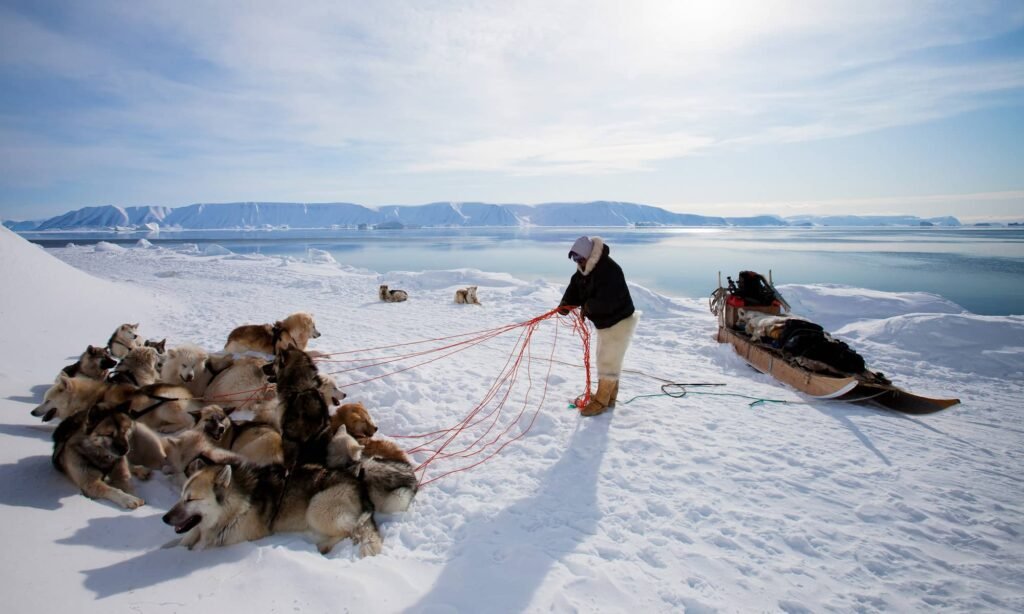
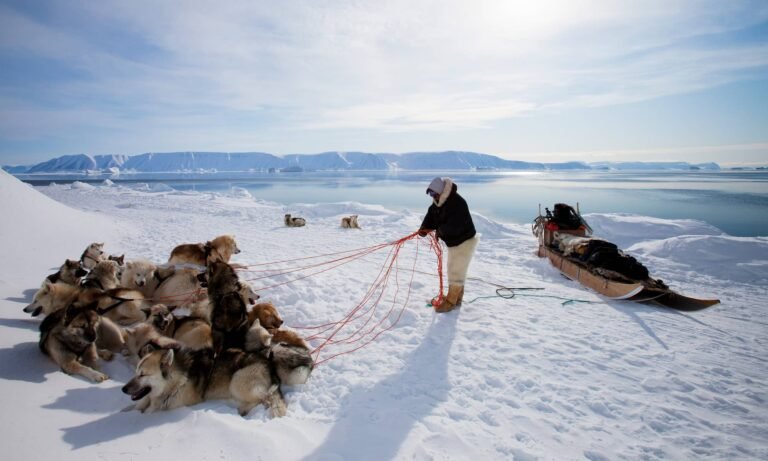
Indigenous species and communities that rely on the cryosphere’s unique ecosystems for their livelihoods are also facing significant challenges due to these changes. Traditional food sources may diminish as species migrate or decline in numbers, necessitating adaptations in cultural practices and lifestyles. For many Arctic Cultures, whose identities, subsistence systems, and knowledge traditions are deeply rooted in the stability of frozen landscapes, these shifts pose profound social and ecological disruptions.
Therefore, understanding the ecological impacts of greening in the cryosphere is essential, not only for the preservation of biodiversity and ecosystem services but also for the sustainability of indigenous cultures – including Arctic Cultures – that are intricately connected to these changing environments. As these regions continue to experience rapid ecological transitions, developing this understanding becomes increasingly important for anticipating how shifts in vegetation, wildlife behavior, and seasonal patterns will influence long‑standing cultural practices and subsistence activities. Such insight is necessary to support adaptive responses that protect ecological integrity while also ensuring that the cultural identities, livelihoods, and knowledge systems of Arctic communities can remain resilient. By deepening our awareness of these interconnected processes, we can better safeguard both the natural environments undergoing transformation and the cultural traditions that depend on their stability, and support decision‑making that respects ecological limits and cultural continuity.
Future Directions and Mitigation Strategies

The phenomenon of greening in the cryosphere – characterized by the increased growth of vegetation in previously inhospitable cold regions – poses both opportunities and challenges. Understanding the impacts of this greening is crucial for developing effective future scenarios that account for both positive and negative outcomes. On one hand, greening may enhance carbon sequestration, which can mitigate some effects of Climate Change by capturing atmospheric carbon dioxide. Conversely, these changes could lead to altered local climates, potentially exacerbating existing challenges such as permafrost thawing and biodiversity loss.
To address these complexities, a comprehensive approach is necessary, encompassing new scientific research directions. This includes long-term monitoring of cryospheric changes, utilizing remote sensing technologies, and improving climate models to better predict vegetative responses to warming temperatures. Significant emphasis should also be placed on understanding interactions between ice, soil, and vegetation, which can yield insights into ecosystem resilience and tipping points.
Mitigation strategies must be developed that actively incorporate the dynamics of greening in the cryosphere. These strategies could involve ecosystem restoration initiatives aimed at promoting native plant growth while simultaneously protecting existing fragile environments. Collaborative global efforts are essential in this arena, as understanding the interconnectedness of cryospheric changes spans beyond local or national borders, impacting global climate systems. Engaging multiple stakeholders – including researchers, policymakers, and indigenous communities – will ensure a holistic approach to monitoring and managing these ecosystems.
Overall, addressing the shifts occurring in the cryosphere requires a multifaceted effort that not only identifies risks and opportunities associated with greening but also establishes robust frameworks for sustainable management and conservation. Through continued research and coordinated global action, it is possible to safeguard these crucial ecosystems against the rapid changes driven by climate change.
What’s More



The posts in My Blog feature reflective, story-driven pieces rooted in personal and societal insights. The topics in My Interests explore abstract, philosophical ideas and their cultural and social impact. The lines in My Quotes share brief reflections that highlight clear insights shaped by lived experience. Subscribe to get Site Updates and be notified whenever new content is published.
👁️ 9,581 Views