

The Rich Tapestry
Thailand, located in Southeast Asia, is a country known for its rich cultural heritage and diverse geography. It is bordered by Myanmar to the northwest, Laos to the northeast, Cambodia to the southeast, and Malaysia to the south, with the Andaman Sea to the west and the Gulf of Thailand to the east.
The geographical location of Thailand has made it a melting pot of various cultures and traditions, a factor that enhances its appeal as a travel destination. From bustling cities and ancient temples to tropical beaches and lush mountains, Thailand offers a wide range of attractions that draw millions of visitors from around the world each year.
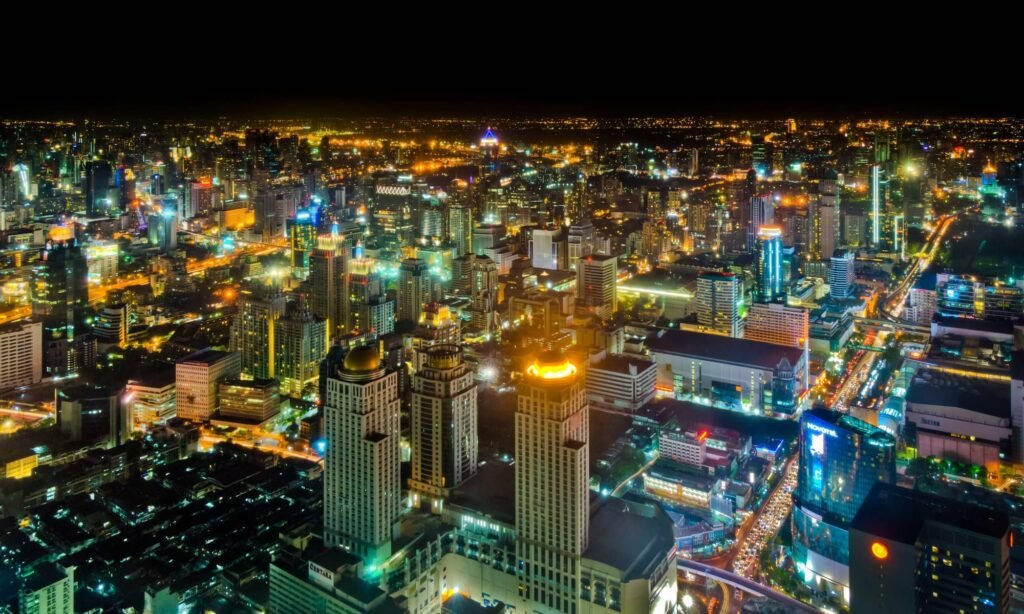
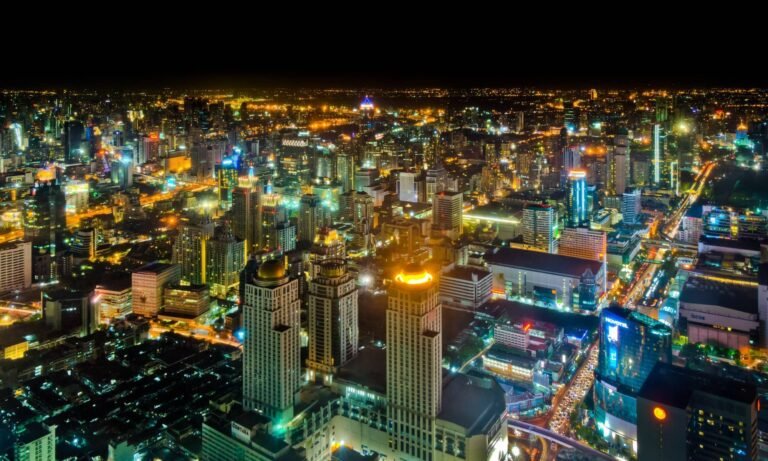
The capital city of Thailand, Bangkok, is a bustling metropolis that exemplifies the juxtaposition of traditional Thai culture and modern urban life. Bangkok boasts a myriad of attractions, from ornate temples such as Wat Phra Kaew and Wat Arun to vibrant markets and skyscrapers. The city acts as a gateway for tourists, offering a range of experiences, including delicious street food and a vibrant nightlife.
Thailand is not just defined by its cities; it is also celebrated for its breathtaking landscapes that include stunning beaches, lush jungles, and serene mountains. Locations such as Phuket, Koh Samui, and Chiang Mai showcase the country’s natural beauty and unique ecosystems. Its rich biodiversity supports a wide range of flora and fauna, making it a destination for nature lovers as well.
Moreover, Thailand’s cultural richness is highlighted through its festivals, art, and cuisine. The country is home to ancient temples, historic sites, and unique rituals that reflect its long history and strong beliefs. Traditional Thai dances, music, and crafts add layers to its cultural identity. The combination of historical significance and modern tourism infrastructure positions Thailand as one of the most popular tourist destinations globally, attracting millions who seek memorable experiences marked by warm hospitality.
Ancient Civilizations and Early Kingdoms
The history of Thailand is rich and intricate, marked by the emergence of several ancient civilizations that laid the groundwork for its cultural and social landscape. Among the earliest recorded civilizations are the Dvaravati and Srivijaya, which played pivotal roles in shaping the early Thai society. The Dvaravati kingdom, established around the 6th century CE, predominantly thrived in central Thailand and was influenced heavily by Indian culture, particularly through trade and the spread of Buddhism.
Dvaravati is often characterized by its impressive art, architecture, and the establishment of trade networks that connected Thailand to other parts of Southeast Asia. The presence of Buddhist monuments, such as stupas and images, reflects the prominence of Buddhism in the region, which became a foundational aspect of Thai culture. These early structures demonstrate the advanced understanding of art and architecture possessed by the civilization, exhibiting influences from both Indian and indigenous traditions.
Following Dvaravati, the Srivijaya empire emerged as a dominant regional power from the 7th to the 13th centuries. Srivijaya, based in what is modern-day Sumatra, Indonesia, expanded its control to include parts of southern Thailand, establishing a significant trade network that facilitated the exchange of goods and ideas across the region. This empire not only contributed to the spread of Buddhism but also enhanced maritime trade routes linking the Indian and Chinese markets, allowing for cultural diffusion and economic prosperity.
The interactions between these ancient kingdoms brought forth a tapestry of cultural influences that can still be observed in contemporary Thai society. The legacy of these civilizations is evident in the artistic expressions, religious practices, and social structures that have endured through the centuries, enriching the historical narrative of Thailand. The development of trade relationships during this period laid the crucial foundations for future economic advancements and the cultural richness that characterizes Thailand today.
The Sukhothai and Ayutthaya Kingdoms
The Sukhothai Kingdom, which thrived from the 13th to the 15th centuries, is often regarded as the cradle of Thai civilization. It was during this period that significant political, economic, and cultural advancements emerged, laying the foundation for what would become modern Thailand. The kingdom was established by Phra Ruang and soon became a formidable power, influencing the surrounding regions through its innovative agricultural practices and centralization of administration. The implementation of new irrigation systems transformed land usage and improved food production, which, in turn, contributed to a burgeoning population and economy.
Culturally, Sukhothai is renowned for the development of a distinct Thai script, which was based on the Khmer alphabet. This intellectual achievement facilitated the recording of history, literature, and religious texts. Sukhothai’s art and architecture reflect a unique blend of indigenous and foreign influences, epitomized in the iconic sculptural works, as well as its impressive temple structures such as Wat Mahathat.
Following the Sukhothai period, the Ayutthaya Kingdom emerged in the 14th century, spanning over four centuries until its fall in the 18th century. The city of Ayutthaya became a vital hub of regional trade and diplomacy. Its strategic location allowed traders from various nations, including China, India, and European countries, to converge, making Ayutthaya a melting pot of cultural exchanges and commercial transactions. The prosperity garnered during this time facilitated further advancements in arts and sciences, as well as the establishment of complex social hierarchies.
Moreover, Ayutthaya’s realm of influence extended well beyond mere economics; it created lasting diplomatic ties with neighboring nations, which contributed to both stability and opportunities for growth. The architecture from this period showcases grandeur and reflects a sophisticated understanding of aesthetics, symbolizing the kingdom’s wealth and power.
Colonial Encounters and Modernization
During the colonial era, Thailand, formerly known as Siam, exhibited a unique position in Southeast Asia. Unlike many of its neighbors, Thailand successfully preserved its sovereignty, a remarkable feat amid the widespread imperialism that characterized the 19th century. The colonial ambitions of Western powers, including Britain and France, greatly influenced regional politics, yet Thailand navigated these challenges through a series of diplomatic maneuvers and strategic compromises. For instance, the Bowring Treaty of 1855 with Britain opened Thai ports to foreign trade while safeguarding the nation’s autonomy, allowing it to avoid colonization by the European powers.
The late 19th and early 20th centuries marked a pivotal period of modernization for Thailand. Under King Chulalongkorn (Rama V), the country initiated extensive reforms aimed at modernizing the political, economic, and social landscape. Education was revolutionized, with a focus on establishing a public schooling system that prioritized science and technology, paving the way for a more literate populace ready to engage with a rapidly changing world. These educational reforms not only improved literacy rates but also cultivated a new generation of leaders who would shape Thailand’s future.
Furthermore, infrastructural developments were vital to Thailand’s modernization efforts. The introduction of railways and roads facilitated trade and communication, thus integrating the economy more closely with global markets. The modernization movement also included the establishment of legal and bureaucratic systems to support governance, reducing corruption and improving administrative efficiency. This era of reform laid the foundations for Thailand’s national identity and helped it emerge from the colonial shadows as a unified modern state capable of engaging with international partners on equal terms.
Political Turmoil and Cultural Resilience
Thailand’s modern history is marked by significant political upheaval and a tumultuous struggle for democracy. Since the mid-20th century, the country has experienced a series of military coups, political protests, and shifting governance structures, all of which have influenced the nation’s identity. The military has played a prominent role in Thai politics, often intervening in civilian governance, leading to an ongoing cycle of instability that has, at times, undermined democratic institutions.
The monarchy remains an essential aspect of Thai culture and political life. Revered by many, the role of the monarchy is enshrined in both tradition and law, instilling a unique blend of reverence and tension within the nation’s political dynamics. The passing of King Bhumibol Adulyadej in 2016 marked a pivotal moment in the contemporary era, creating a power vacuum and raising questions about the future of monarchy’s influence amidst the backdrop of a changing sociopolitical landscape.
Despite these challenges, the resilience of Thai culture can be witnessed through the arts, traditions, and social movements that have emerged in response to political strife. The Thai people continue to hold strong to their cultural identity, celebrating festivals, and preserving customs that reflect their heritage. Traditional practices, such as Buddhist traditions, local cuisine, and folk arts, remain integral to everyday life, offering a sense of stability and continuity even in the face of uncertainty.
In recent years, various social movements have arisen, advocating for political reform and more inclusive governance. The voices of the younger generations, who demand a more participatory role in shaping the nation’s future, are becoming increasingly prominent. This ongoing engagement underscores a dynamic interplay between tradition and modernity, ultimately enriching the fabric of contemporary Thai identity.
Cultural Highlights of Thailand
Thailand is a nation rich in cultural diversity, deeply intertwined with history and tradition. The influence of Buddhism permeates almost every aspect of Thai life, shaping the country’s values, customs, and artistic expressions. Many travelers are drawn to the numerous majestic temples, such as Wat Pho and Wat Arun, which stand as testaments to Thailand’s spiritual heritage. Wat Pho, home to the famous Reclining Buddha, is not only a center for worship but also a leading school of traditional Thai massage, reflecting the blending of spirituality and wellness.
Festivals play an essential role in Thai culture, celebrating the changing seasons and religious significance. Events like Songkran (the Thai New Year) and Loy Krathong highlight the country’s intricate rituals and communal spirit. During Songkran, the streets are filled with festive water fights that symbolize the washing away of sins and bad luck. Loy Krathong showcases the beauty of the Thai culture through its floating lanterns on rivers, which represent the release of negativity and the hope for renewal.
The art scene in Thailand is another notable aspect that embodies its cultural richness. Traditional Thai performances, such as Khon and Fawn Thai, showcase elaborate costumes and dance that narrate historical tales and mythological stories. Furthermore, the craftsmanship evident in Thai textiles, pottery, and woodwork reflects the country’s dedication to preserving its artisans’ skills and traditions.
Thai cuisine, famous for its harmony of flavors, further demonstrates the depth of culture. Dishes such as Pad Thai and Tom Yum Goong reveal the perfect balance of sweet, sour, salty, and spicy elements that characterize Thai cooking. The communal aspect of dining, emphasized through sharing meals, reinforces the importance of family and community within Thai customs. Overall, the cultural highlights of Thailand create a vibrant mosaic that continues to evolve while maintaining its deeply rooted traditions.
Natural Wonders and Attractions
Thailand is renowned for its stunning natural landscapes, which encompass everything from lush national parks to idyllic beaches and enchanting islands. One of the most notable features of Thailand’s geography is its impressive collection of national parks. For instance, Khao Sok National Park, located in Surat Thani Province, is known for its ancient rainforests and diverse wildlife, offering hikers the chance to witness nature in its purest form. Visitors can engage in trekking and take guided tours to explore the park’s extraordinary scenery, including the striking limestone cliffs and serene lakes.
The beaches of Thailand are equally captivating. Phuket, Thailand’s largest island, is famous for its vibrant nightlife, luxury resorts, and beautiful beaches such as Patong and Kata Beach. For a more tranquil experience, visitors might consider Koh Samui, where pristine beaches like Chaweng and Lamai provide a peaceful escape amidst lush palm trees and crystal-clear waters. The islands of Koh Phi Phi are another highlight, renowned for their dramatic cliffs and vibrant marine life, making them a perfect destination for scuba diving and snorkeling.
The best times to visit these natural wonders vary. The cool and dry season, from November to February, is ideal for exploring outdoor attractions, offering pleasant temperatures and minimal rainfall. Alternatively, the wet season can provide a different perspective, revealing Thailand’s lush greenery and vibrant ecosystems, although activities may be limited due to heavier rains.
Outdoor activities abound in Thailand, making it a paradise for adventure lovers. In addition to trekking and diving, wildlife enthusiasts may find opportunities for elephant sanctuaries and bird-watching tours, showcasing the country’s rich biodiversity. Overall, Thailand’s natural wonders present an unforgettable experience for those seeking both relaxation and adventure in a captivating environment.
Practical Travel Tips
Traveling to Thailand can be a rewarding experience, but it is essential for visitors to understand the logistics involved in planning their trip. First and foremost, travelers should research the visa requirements for their nationality. Most visitors from western countries can enter Thailand for tourism without a visa for up to 30 days when arriving by air or 15 days if arriving by land. However, it is advisable to check the latest requirements as they may change periodically.
Amazing Thailand Youtube Channel is a main Youtube channel of Tourism Authority of Thailand.
The official currency of Thailand is the Thai Baht (THB). It is wise to familiarize oneself with the current exchange rates before departure. Currency can be exchanged at banks, currency exchange booths, or ATMs throughout the country. Credit cards are widely accepted in larger establishments, but travelers should carry cash for smaller vendors and local markets.
Transportation within Thailand offers various options, including domestic flights, trains, buses, and tuk-tuks. Domestic flights are a quick way to travel between major cities, while trains offer scenic views of the countryside. For shorter distances, using tuk-tuks or motorbike taxis can provide an exhilarating experience, although travelers should agree on a fare before starting their journey. Public transportation is also available in larger cities, making it convenient to navigate urban areas.
When it comes to safety, Thailand is considered relatively safe for tourists. However, common precautions, such as securing valuables and remaining aware of one’s surroundings, should always be taken. Furthermore, respecting local customs is crucial; for instance, it is encouraged to dress modestly, especially when visiting temples. Showing respect towards the Thai royal family and adhering to local customs will enhance the travel experience and foster goodwill with locals.
What’s More



The posts in My Blog feature reflective, story-driven pieces rooted in personal and societal insights. The topics in My Interests explore abstract, philosophical ideas and their cultural and social impact. The lines in My Quotes share brief reflections that highlight clear insights shaped by lived experience. Subscribe to get Site Updates and be notified whenever new content is published.
👁️ 11,270 Views

 Personal
 Professional