

You post a photo. A minute later, you check it. Two likes. Five minutes later, you check again. Nine. Somewhere between the first and the tenth check, the photo stopped mattering. What matters now is the number underneath it, and what that number seems to say about you. Nobody asked you to keep checking. Nobody had to.
In short: Recognition is the human need to be seen, validation is the confirmation that we’re okay, and dependence begins the moment we can no longer feel okay without it.
What Validation Means
Validation is the act of confirming that something is true, valid or worthy. Applied to people, it’s the signal that our feelings make sense, our choices are right and our existence counts.
- External validation comes from outside: praise, likes, grades, ratings, promotions, applause. It’s quick, visible and easy to measure.
- Internal validation comes from within: knowing you did something well, acting on your values, being at peace with a decision nobody else saw.
- Emotional validation is the gentle kind: someone acknowledging that what you feel is understandable, without having to agree with it. It’s one of the most healing things one person can offer another.
- Social proof is validation at scale: if many people approve of something, we assume it must be good. Reviews, follower counts and bestseller lists all run on it.
None of these are bad in themselves. The question is which one carries the weight. And in business, the word means something else entirely, but more on that further down.
Why We Crave It
For most of human history, belonging was survival. A person cast out of the group rarely made it alone. So our brains learned to treat rejection as a threat and approval as safety. A cold look from the tribe still registers, in some ancient part of us, as danger.
Philosophers saw it too. Georg Wilhelm Friedrich Hegel argued that self-consciousness only forms through the recognition of others: we come to know who we are by being seen. Axel Honneth later built on that, describing love, respect and esteem as the three forms of recognition a healthy identity needs.
So the need is real, and it’s human. Wanting to be seen isn’t vanity. It’s wiring. The trouble starts when the wiring meets a machine built to exploit it.
From Need to Dependence
A need becomes a dependence when its source moves outside us and stays there. A few signs it’s happening:
- The check reflex. Reaching for feedback before the work is even finished.
- Borrowed moods. A good or bad day depends on how others reacted.
- Pre-approval. Deciding what to say, wear or post by imagining the response first.
- Inflation. Yesterday’s praise no longer feels like enough; it takes more to feel the same.
- Withdrawal. Silence after sharing something feels like rejection, not like silence.
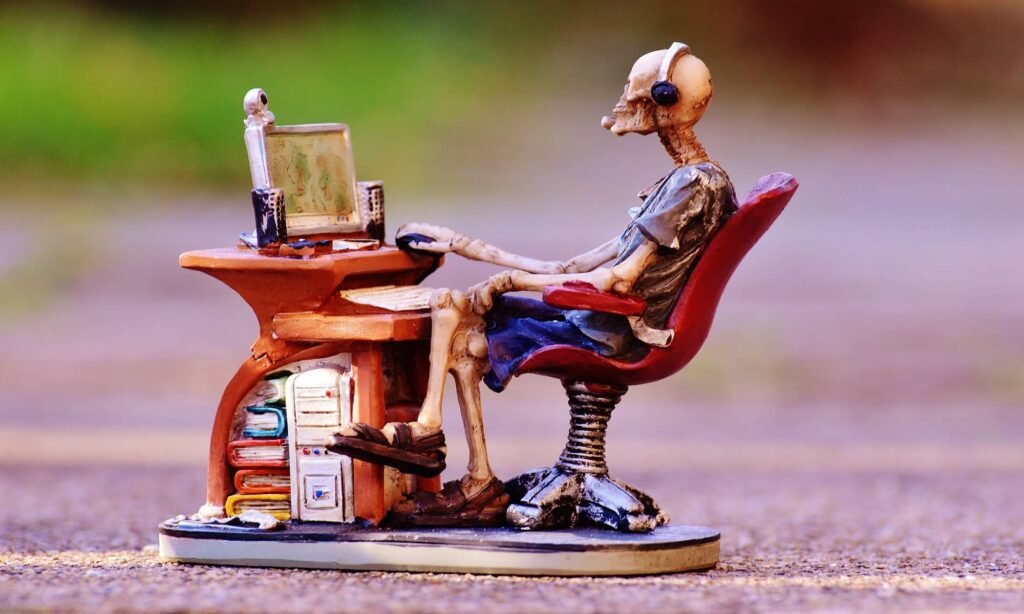
The last two are the language of Addiction, and that’s no accident.
The Approval Economy
Validation used to arrive slowly and in person: a teacher’s nod, a parent’s pride, a friend’s laugh. Today it arrives in real time, counted to the last digit, from people we may never meet.

Social platforms didn’t invent our hunger for approval. They industrialized it. Likes, hearts, streaks and view counters work like slot machines: the reward is unpredictable, so we keep pulling the lever. That’s what makes Digital Dependence so sticky. The feed never ends, and neither does the hope for the next confirmation.
It doesn’t stop at screens. Employees are rated in performance reviews, drivers in apps, restaurants in stars, students in grades, and dating has turned into a market of swipes. Almost everything we do now leaves a score behind.
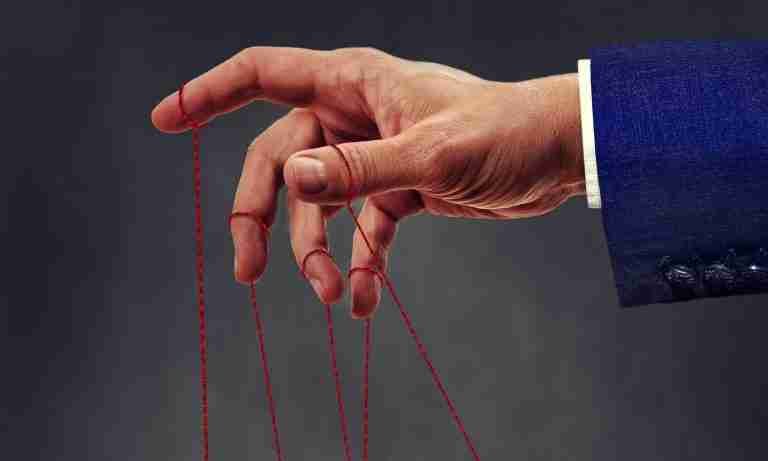
Back in the 1940s, Erich Fromm described what he called the marketing character: people who experience themselves as products, whose worth depends on how well they sell. He wrote that long before the first selfie. Today, philosopher Byung-Chul Han adds a darker twist: nobody has to force us anymore. We exploit ourselves, voluntarily, polishing our image for an audience that never stops judging.
Healthy vs Dependent
The table shows where healthy appreciation ends and dependence begins.
| Criteria | Healthy | Dependent |
|---|---|---|
| Source | Several, inside and out | Mostly outside |
| Purpose | Confirms what you already know | Tells you who you are |
| Timing | Welcome when it comes | Needed before you can move on |
| Silence | Neutral | Feels like rejection |
| Criticism | Information | Threat |
| Quantity | Enough is enough | Never enough |
| Authenticity | You stay yourself | You become what gets approved |
In short, the difference isn’t how much praise you get. It’s how much of you depends on it.
The Price We Pay
Living on external validation is like living on credit. It works until it doesn’t. Others can withdraw their approval at any time, often for reasons that have nothing to do with us.
The costs pile up quietly. Anxiety grows, because a self that’s always on display is always on trial. People-pleasing replaces honesty. Risks feel too risky, because failure would be public. And slowly, a person shapes themselves into whatever gets the most applause, until it’s hard to tell what they actually want.
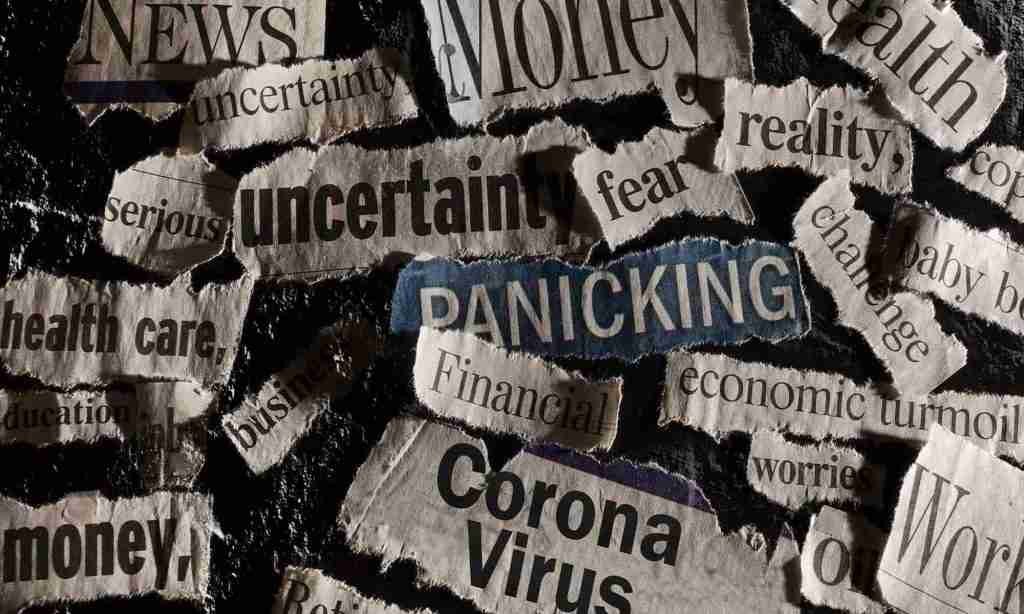
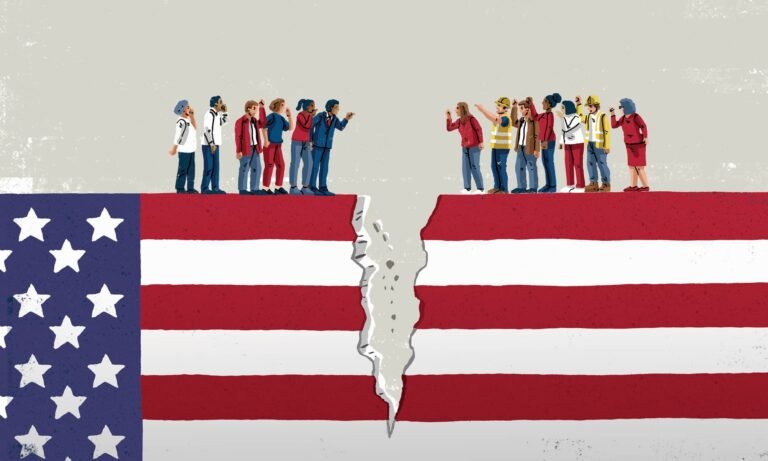
There’s a social price too. When everyone is performing, few people are listening. A society of audiences is also a society of critics, and that’s fertile ground for comparison, envy and the quick, harsh verdicts of the crowd.
When Validation Means Business
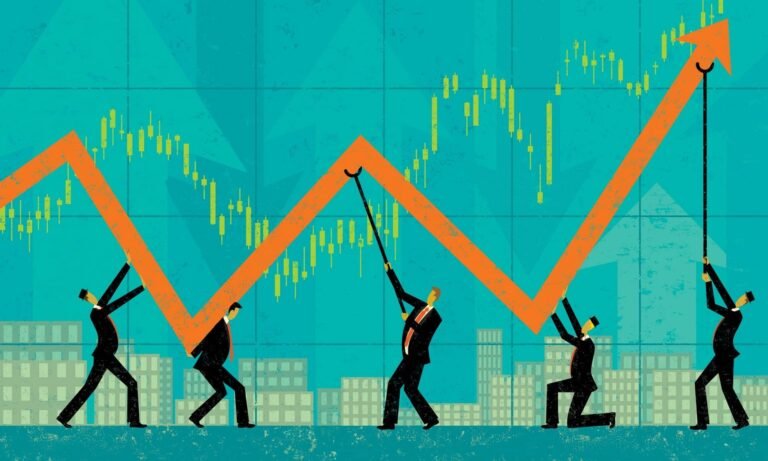
In business, validation has a second meaning, and it turns the personal one on its head. Validating a business plan isn’t about collecting approval. It’s about testing whether an idea survives contact with reality before you bet your savings, your time or someone else’s money on it.
Founders fall into the same trap as everyone else, though. Friends say “great idea”, family nods, a pitch gets applause, and it all feels like proof. It isn’t. Praise costs nothing to give, so it says little. Real validation costs the other person something: time, a commitment or money.
- Problem validation. Do real people have the problem, often and painfully enough to care? Ask about what they did last time, not what they think of your idea.
- Solution validation. Does your answer actually solve it? A prototype, a mock-up or a manual version tells you more than any slide deck.
- Market validation. Will they pay, and are there enough of them? One pre-order beats a hundred likes.
- Business model validation. Do the numbers hold: costs, prices, margins and the effort it takes to win each customer?
Applause vs Evidence
| Feels like validation | Actually is validation |
|---|---|
| “Love it, I’d totally use it” | Signs up, pre-orders or pays |
| Likes on a launch post | People still using it a month later |
| Friendly investor small talk | A term sheet |
| Your own excitement | Customers describing the problem in their own words |

Here’s the paradox: business validation works best when you go looking for reasons you’re wrong. Approval-seeking founders ask questions designed to hear yes. Good ones ask questions that could hear no. A plan validated only by applause is a hope, not a plan. It’s the same lesson behind Moonshot Projects: test small, measure honestly and let evidence, not enthusiasm, decide.
And that’s where business and life meet. In both, the most dangerous validation is the one we went looking for.
Breaking the Loop
You can’t switch off the need for recognition, and you shouldn’t try. The goal is to move the center of gravity back inside. A few ways to start:
- Notice the reach. Catch the moment you go looking for feedback. Just noticing it weakens the reflex.
- Delay the check. Post, send or share, then don’t look for an hour. Or a day. The world keeps turning.
- Set your own yardstick. Before you show something, decide what “good” means to you, and judge it by that first.
- Do something unseen. Help someone anonymously, create something you’ll never post. Feel what worth without witnesses is like.
- Choose your judges. Not every opinion deserves the same weight. Value the feedback of a few people who know you over the reactions of many who don’t.
- Validate yourself, and others. Talk to yourself the way a good friend would. And give others the real, specific recognition you’d want to get.
Validation is a fine gift but a bad foundation. Enjoy it when it comes; just don’t build your house on it.
Conclusion
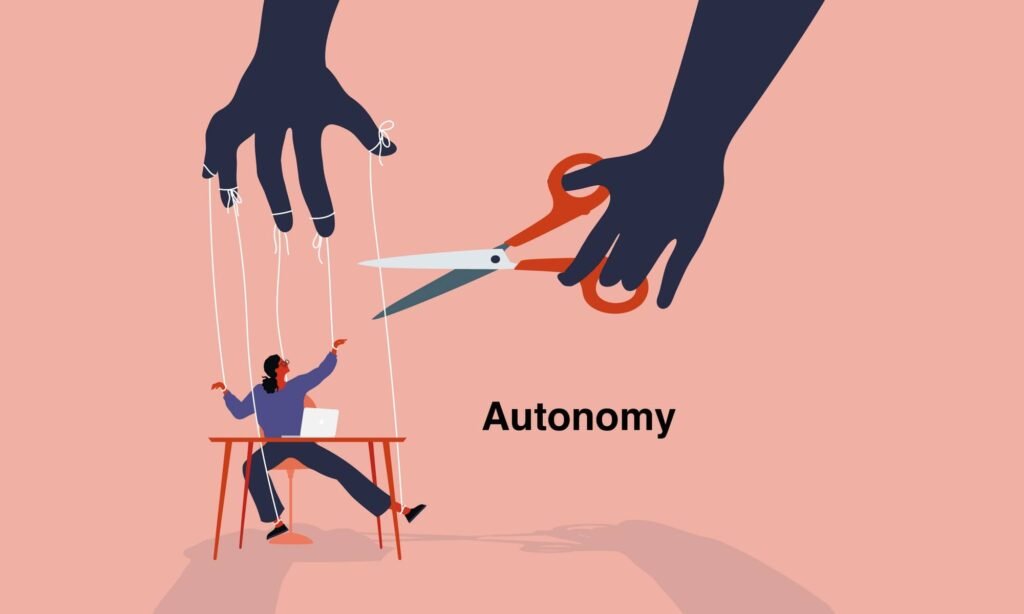
Validation isn’t the enemy. We need to be seen, and a kind word at the right time can carry a person further than they’d ever go alone. But when our sense of worth runs entirely on other people’s reactions, we hand them the switch. The way out isn’t to stop caring. It’s to care first about our own measure of a life well lived, and to treat applause as a bonus, not a verdict. That’s what real Autonomy looks like: Deciding for yourself what counts. It’s also the quiet road toward becoming Unf*ckwithable: Not untouched by others, just no longer dependent on them. And if you’ve ever wondered why the market’s verdict on your work feels so personal, that’s where Value Creation comes in.


What’s More



The posts in My Blog feature reflective, story-driven pieces rooted in personal and societal insights. The topics in My Interests explore abstract, philosophical ideas and their cultural and social impact. The lines in My Quotes share brief reflections that highlight clear insights shaped by lived experience. Subscribe to get Site Updates and be notified whenever new content is published.
 Views6,611totalThanks for reading

 Personal
 Professional