

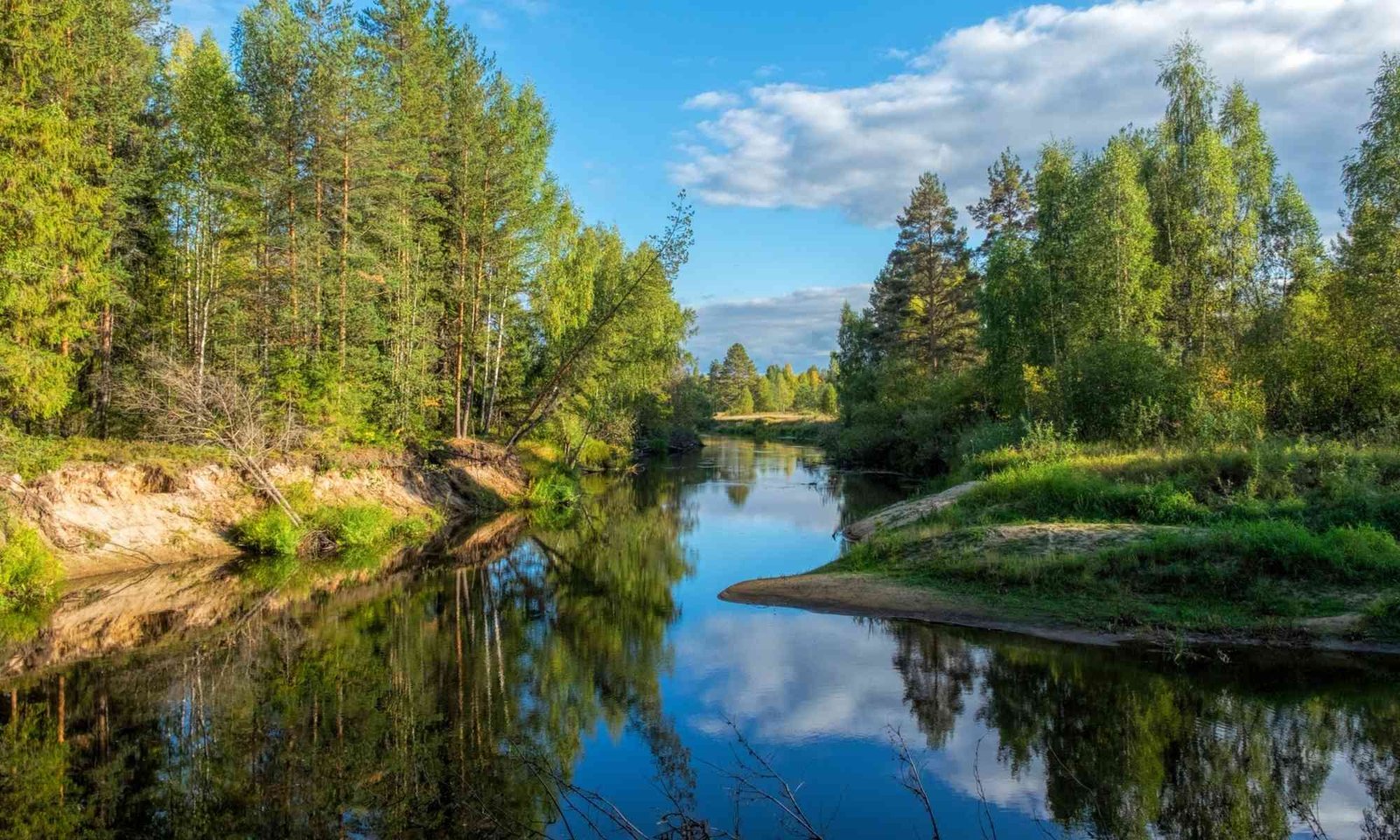
The taiga, also known as the boreal forest, is a vast biome characterized by its coniferous forests, predominantly composed of spruce, fir, and pine trees. Spanning across large areas of North America, Europe, and Asia, it covers approximately 11% of the Earth’s land area and lies between the tundra to the north and the temperate forests to the south, typically in regions with a cold temperate climate.
The climate of the taiga is distinct, marked by long, harsh winters and short, mild summers. In this biome, winter temperatures can plummet to as low as -40 degrees Celsius, while summer temperatures can rise to around 20 degrees Celsius or higher. Precipitation is relatively low, averaging between 300 to 850 millimeters annually, with most of it falling in the form of snow during the winter months. This unique climate contributes to the slow rate of decomposition, resulting in the accumulation of organic material and a distinctive layer of peat in the soil.
The weather patterns in the taiga are characterized by significant seasonal variations. Long summer days allow for increased photosynthesis, while winter brings short daylight hours that challenge the survival of resident species. These climatic features compel flora and fauna to develop specialized adaptations, shaping a resilient yet vulnerable ecosystem that plays a vital role in global carbon storage and biodiversity.
The Taiga as Part of the Cryosphere

(9)
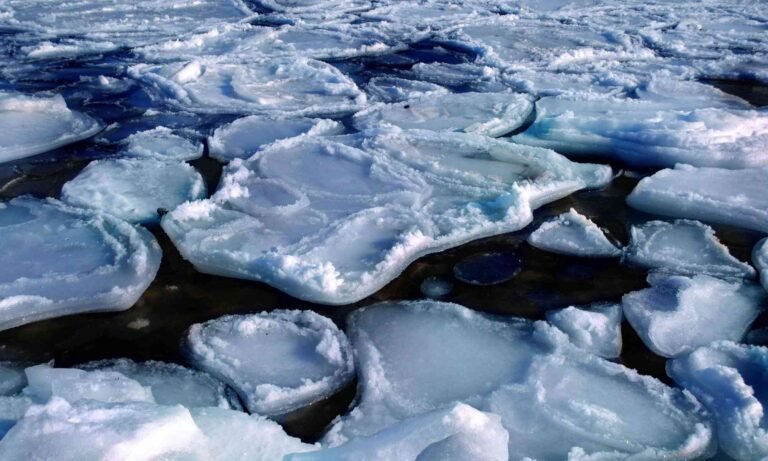
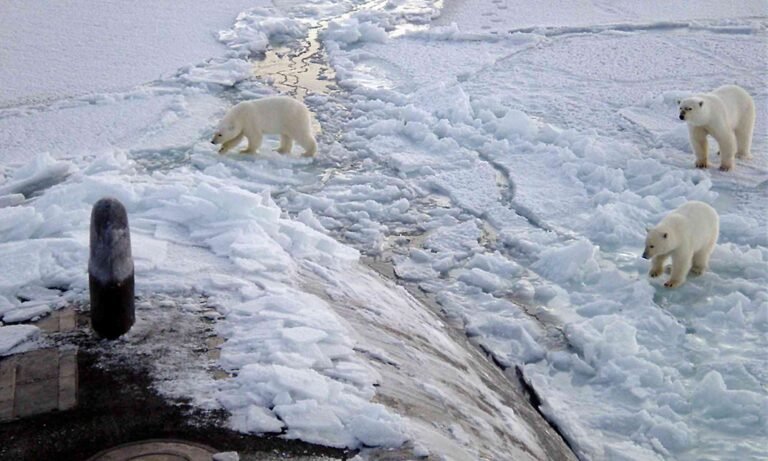
The taiga forms one of the largest transitional zones of the Cryosphere, sitting directly beneath the Arctic’s permanently frozen domains. Because of this position, it interacts constantly with cryospheric components such as seasonal snow cover, permafrost, and ground ice. These frozen elements regulate soil temperature, hydrology, and nutrient cycling across the biome. In practice, the taiga functions as a thermal buffer: it absorbs, stores, and releases cold, shaping how far south cryospheric processes extend and how sharply they respond to warming.
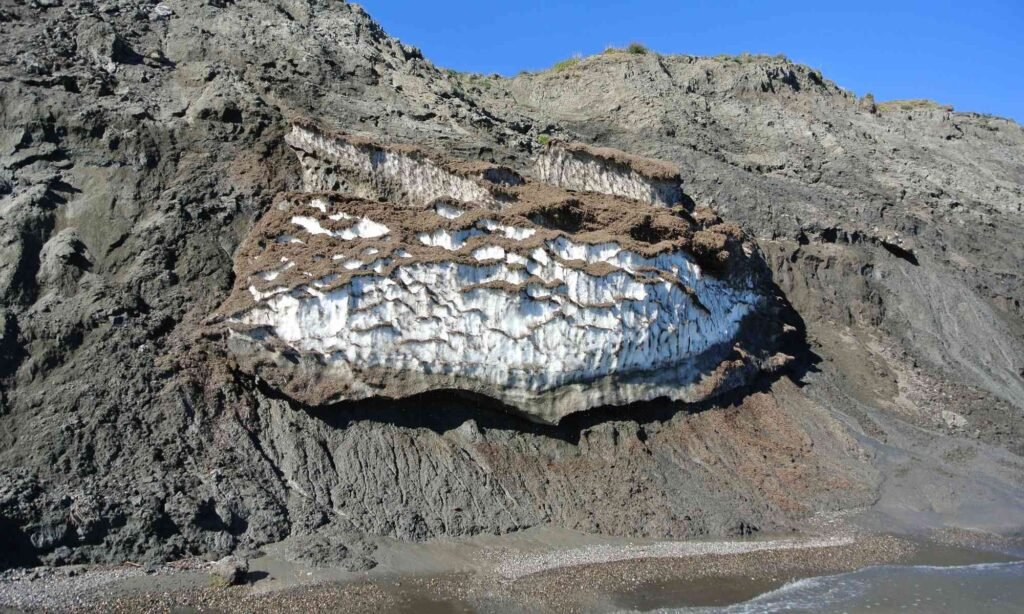
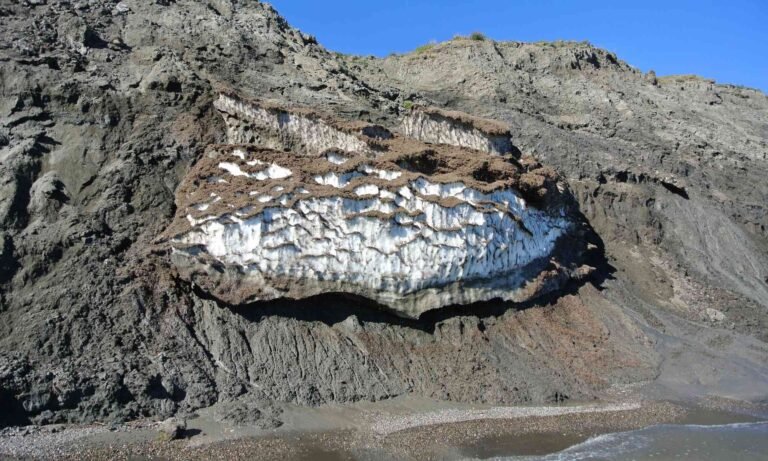
Permafrost is the most consequential cryospheric feature embedded within the taiga. Large portions of the biome rest on discontinuous or sporadic permafrost, which governs everything from root depth to waterlogged soils to methane release. When permafrost remains stable, it locks away immense stores of carbon accumulated over millennia. When it thaws, the taiga becomes a gateway for that carbon to re-enter the atmosphere. This makes the biome a critical feedback node in the climate–cryosphere system: its frozen ground is both a product of the cryosphere and a determinant of its future stability.
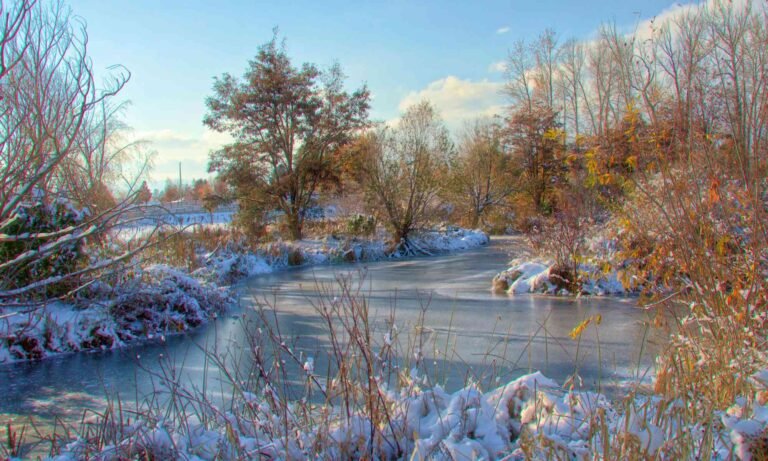
Seasonal snow cover is another key interface. Snow insulates the soil, paradoxically keeping it warmer in winter by trapping heat below the surface. This insulation determines how deeply the ground freezes, how quickly it thaws in spring, and how much meltwater enters rivers and wetlands. The taiga’s dense canopy modifies snow distribution – catching it, redistributing it, and altering its albedo – so the forest itself becomes an active architect of cryospheric behavior rather than a passive recipient.
At the planetary scale, the taiga acts as a stabilizing fringe around the cryosphere. It influences atmospheric circulation, moisture transport, and the reflectivity of high-latitude landscapes. As warming accelerates, the taiga is one of the first biomes to register cryospheric retreat: earlier snowmelt, deeper permafrost thaw, shifting hydrology, and increased fire activity. These changes don’t stay local. They propagate into the Arctic system, amplifying cryospheric loss and reshaping global climate dynamics. In this sense, the taiga is not just adjacent to the cryosphere – it is structurally entangled with it.
Flora and Fauna of the Taiga
The taiga, also known as boreal forest, is characterized by its unique and rich biodiversity, which includes a wide variety of flora and fauna adapted to its specific climatic conditions. This biome is predominantly composed of coniferous trees such as spruce, fir, and pine, which are well-suited to the cold temperatures and short growing seasons typical of the taiga region. These evergreen trees have needle-like leaves that reduce water loss and are coated with a waxy substance to protect against harsh winters, enabling them to thrive in an otherwise challenging environment.
Underneath the towering canopies, the undergrowth vegetation plays a crucial role in the ecosystem. Species such as mosses, lichens, and low shrubs flourish in the acidic soil enriched by fallen needles, creating a complex layer of habitat that supports various forms of wildlife. These plants not only provide essential nutrients but also serve as food sources for herbivores roaming the taiga.
The fauna of the taiga is as diverse as its flora, featuring a range of species adept at surviving the cold climate. Iconic mammals such as moose, wolves, and bears are commonly found in this region. Moose, the largest member of the deer family, have developed long legs and wide hooves that allow them to maneuver through deep snow. Wolves, as apex predators, have exemplary hunting strategies that aid in their survival, often hunting in packs to take down larger prey. Additionally, the diverse bear population, including both black and grizzly bears, demonstrate significant adaptability through their seasonal behavior, including hibernation and foraging.
The Role of the Taiga in the Ecosystem
The taiga, also known as the boreal forest, plays a pivotal role in the Earth’s ecosystem. This vast coniferous forest stretches across Canada, Alaska, Russia, and parts of Europe, representing a significant portion of the global forested area. One of its primary ecological functions is its capacity to act as a carbon sink. Through the process of photosynthesis, taiga trees absorb carbon dioxide from the atmosphere, thereby helping to mitigate climate change by reducing greenhouse gas concentrations.
In addition to carbon storage, the taiga is crucial for oxygen production. The diverse flora of the taiga, predominantly consisting of spruce, pine, and fir trees, generates substantial oxygen through photosynthesis. This process not only supports the wildlife within these forests but also contributes to the overall quality of the air we breathe. By facilitating oxygen production and carbon absorption, the taiga plays an essential part in global climate regulation.
The interconnectedness of the taiga with other biomes also highlights its ecological significance. The taiga serves as a transitional habitat between the tundra and temperate forests, fostering a unique biodiversity that includes a plethora of species such as moose, wolves, and a variety of migratory birds. Maintaining the biodiversity within the taiga is critical, as it supports various ecosystems that depend on the health of taiga landscapes. Moreover, the taiga influences local and global climate patterns through the exchange of energy and moisture with adjacent environments.
Beyond its ecological functions, the taiga also acts as a stabilizing force within the broader Earth system. Its vast expanse influences atmospheric circulation patterns, moderates regional temperatures, and shapes long‑term hydrological cycles across the Northern Hemisphere. As climate change accelerates, the resilience of the taiga becomes increasingly important, since shifts within this biome can trigger cascading effects that extend far beyond its borders.
Threats and Conservation Efforts
The taiga, also known as the boreal forest, is facing numerous threats that jeopardize its ecological integrity. One of the primary challenges is logging, which can lead to significant habitat loss and fragmentation. The demand for timber and paper products drives unsustainable logging practices, resulting in the removal of vast areas of forest. This not only depletes habitat for numerous species but also impacts the carbon storage capacity of the forest, exacerbating climate change.
Climate change itself poses a profound threat to the taiga, with rising temperatures leading to altered precipitation patterns, increased forest fires, and the proliferation of pests and diseases. These changes can disrupt the delicate balance of ecosystems, threatening wildlife and plant species that are unable to adapt quickly enough. Moreover, habitat destruction from industrial development and agriculture further compounds these challenges, pushing many species toward extinction and weakening the forest’s ability to regulate global climate systems.
In response to these pressures, various conservation efforts have been initiated to protect the taiga ecosystem. Sustainable forestry practices – supported by certification programs such as the Forest Stewardship Council (FSC) – aim to balance economic use with ecological resilience. Protected areas, including national parks and wildlife reserves, provide critical refuges for threatened species and safeguard intact landscapes where conservation strategies can be implemented effectively. Community involvement further strengthens these efforts, as local populations often hold essential ecological knowledge and play a direct role in maintaining biodiversity.
Individual action also contributes meaningfully to the preservation of the taiga. Supporting sustainably sourced products, advocating for strong environmental policies, and participating in conservation initiatives all help reduce pressure on this vulnerable biome. Through collective responsibility and informed choices, society can reinforce the long‑term stability of the taiga and ensure that its ecological functions endure for generations.
What’s More



The posts in My Blog feature reflective, story-driven pieces rooted in personal and societal insights. The topics in My Interests explore abstract, philosophical ideas and their cultural and social impact. The lines in My Quotes share brief reflections that highlight clear insights shaped by lived experience. Subscribe to get Site Updates and be notified whenever new content is published.
👁️ 9,799 Views