

What is Sea Ice?
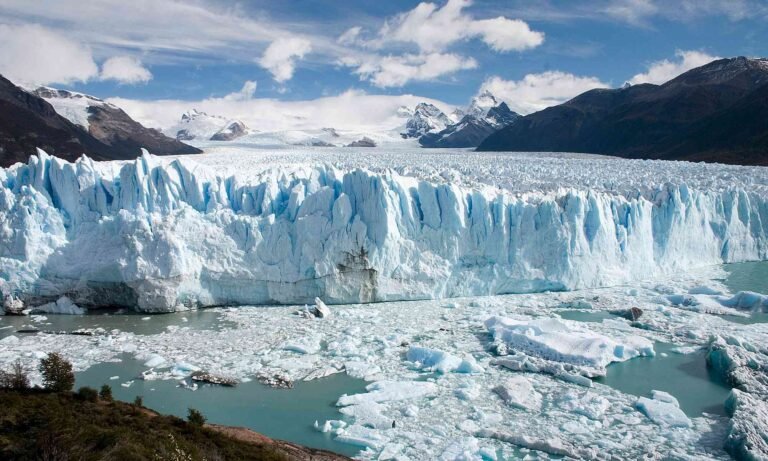
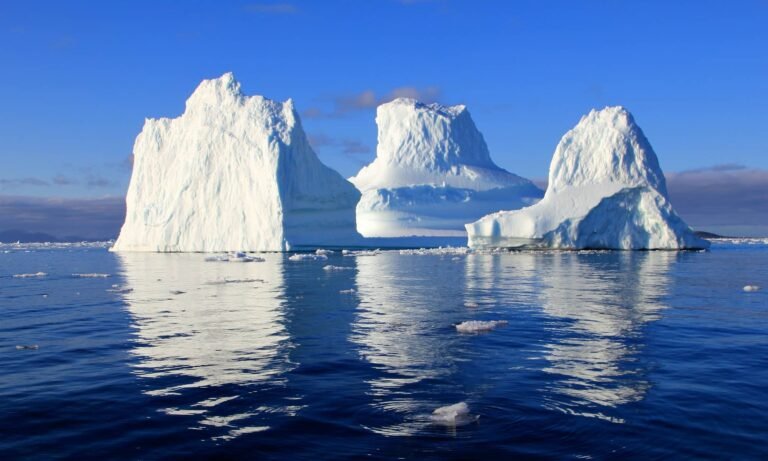
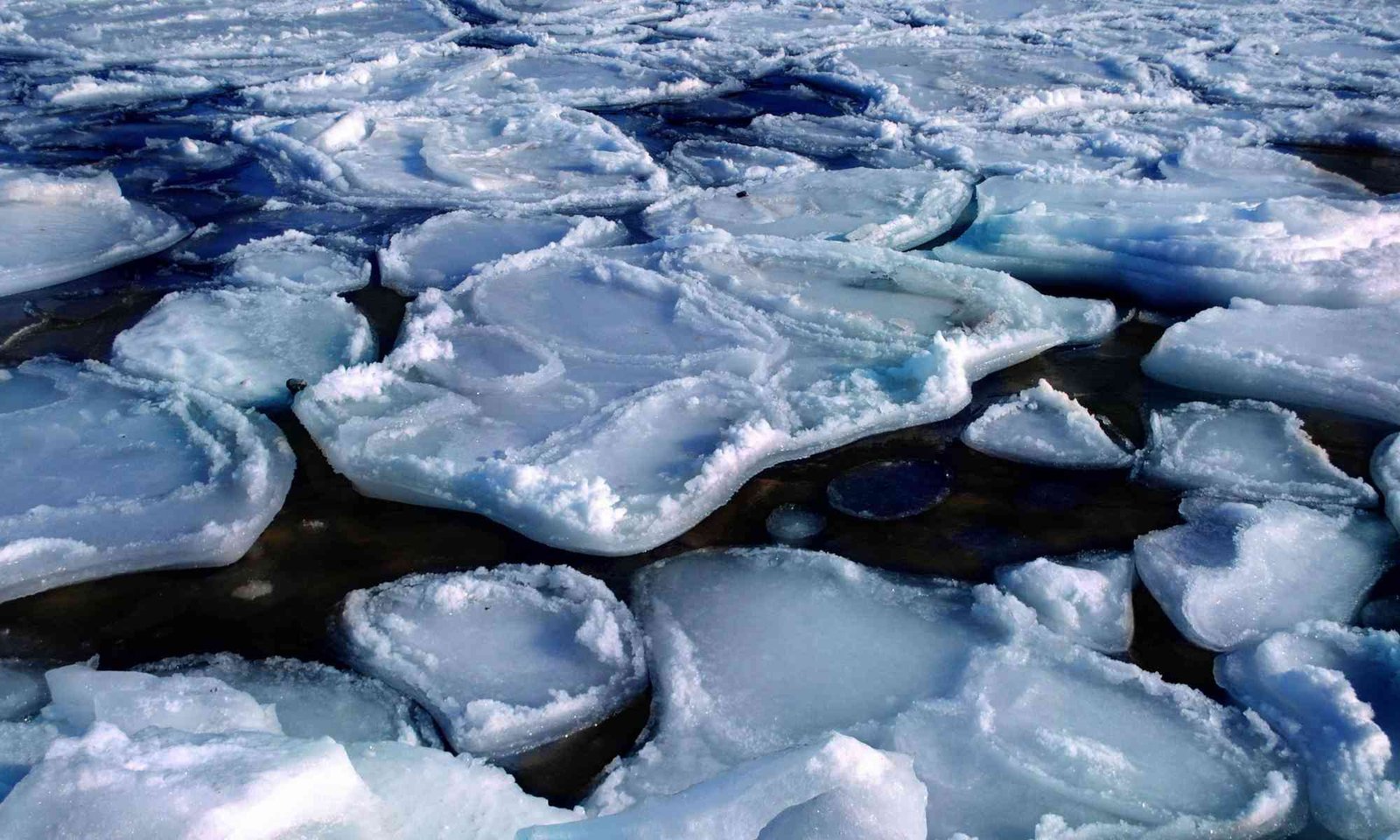
Sea ice is defined as frozen seawater that forms, grows, and melts in the ocean. It plays a crucial role in the Earth’s climate system and marine ecosystems. Sea ice is distinguished from land ice, which includes glaciers and ice sheets situated on land. The formation of sea ice typically begins when ocean water freezes due to low temperatures, creating a variety of ice types based on its age and environmental conditions.
There are primarily two types of sea ice: first-year ice and multi-year ice. First-year ice is formed within a single year and is generally thinner, typically measuring less than two meters in thickness. It is more susceptible to melting during warm seasons compared to its older counterpart. Multi-year ice, on the other hand, is ice that persists over multiple years, accumulating additional thickness and strength over time as it survives seasonal melt. This type of sea ice is usually older, thicker, and exhibits a more robust structure.
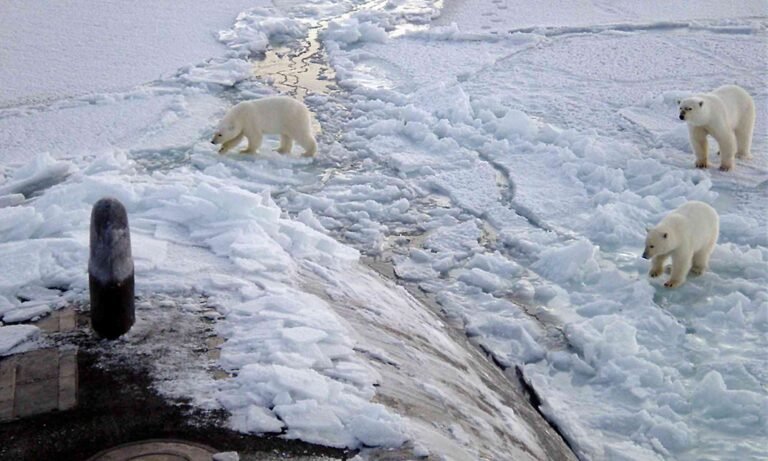
In marine ecosystems, sea ice serves several essential functions. It provides a habitat for various marine species, such as seals and polar bears, which rely on it for breeding, hunting, and resting. Additionally, it plays a significant role in the carbon cycle and influences ocean circulation patterns by affecting temperature and salinity. By insulating the ocean from the colder air above, sea ice helps maintain a relatively stable marine environment and sustains the myriad of life forms that inhabit these regions. Overall, understanding sea ice is vital for comprehending ecological dynamics and the broader implications of climate change in polar regions.
The ‘Finger of Death’ that Freezes Everything it Touches
The “Finger of Death” is the dramatic nickname for a Brinicle – a hollow tube of ice that forms under sea ice when extremely cold, salty brine drains downward from the ice pack. As this dense, supercooled brine sinks, it freezes the seawater it touches, creating a growing icicle-like tube that can reach the seafloor and kill slow‑moving organisms like starfish and sea urchins. How sea ice creates the phenomenon:
- When sea ice forms, it expels salt, creating pockets of ultra‑cold brine inside the ice.
- This brine becomes colder and denser than the seawater below.
- It eventually drains downward through channels in the ice.
- Because it’s far below the freezing point of normal seawater, it instantly freezes the surrounding water, forming a tube of ice – the brinicle.
- As the brinicle reaches the seafloor, the cold brine continues to flow outward, freezing everything in its path.
It’s one of the rare cases where sea ice doesn’t just sit at the surface – it actively shapes the underwater environment, creating a lethal, downward‑growing ice structure that looks like something out of science fiction. And once formed, a brinicle can persist surprisingly long, silently sculpting the seafloor until the flow of brine finally stops.
The Importance of Sea Ice
Sea ice plays a vital role in maintaining the ecological balance and regulating the global climate system. It serves as a crucial indicator of climate change, influencing not only local but also global climate patterns. As a reflective surface, sea ice helps to moderate the Earth’s temperature by reflecting sunlight back into space, thus reducing the amount of solar energy absorbed by the oceans. This reflection is essential in maintaining cooler temperatures in polar regions, which are crucial for regulating weather patterns worldwide.
Ecologically, sea ice provides critical habitat for various species, including seals, polar bears, and a variety of birds and marine organisms. These species rely on sea ice for breeding, resting, and hunting. Furthermore, the presence of sea ice supports unique ecosystems, fostering nutrient-rich algae blooms that contribute to the marine food web, forming the base for an intricate network of life in polar marine environments. The loss of this ice could lead to decreased biodiversity, adversely affecting species that rely on this habitat.
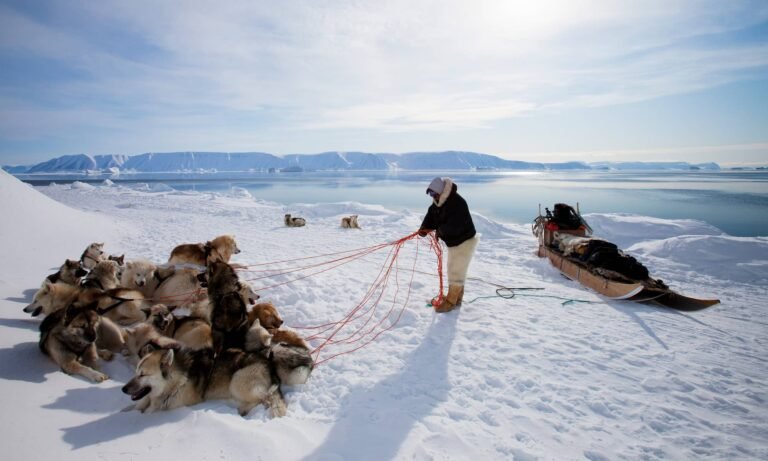
On a socio-economic level, sea ice is significant for Indigenous communities that depend on it for their subsistence lifestyle, relying on the ice for hunting and fishing activities. Additionally, sea ice has implications for global economies, particularly in shipping and natural resource exploration. As Arctic sea ice diminishes due to climate change, new shipping routes and resource deposits become more accessible, leading to both opportunities and challenges. Navigating these changes is crucial for balancing economic interests with the need to mitigate climate impact and protect fragile ecosystems.
Current Trends in Sea Ice Extent and Health
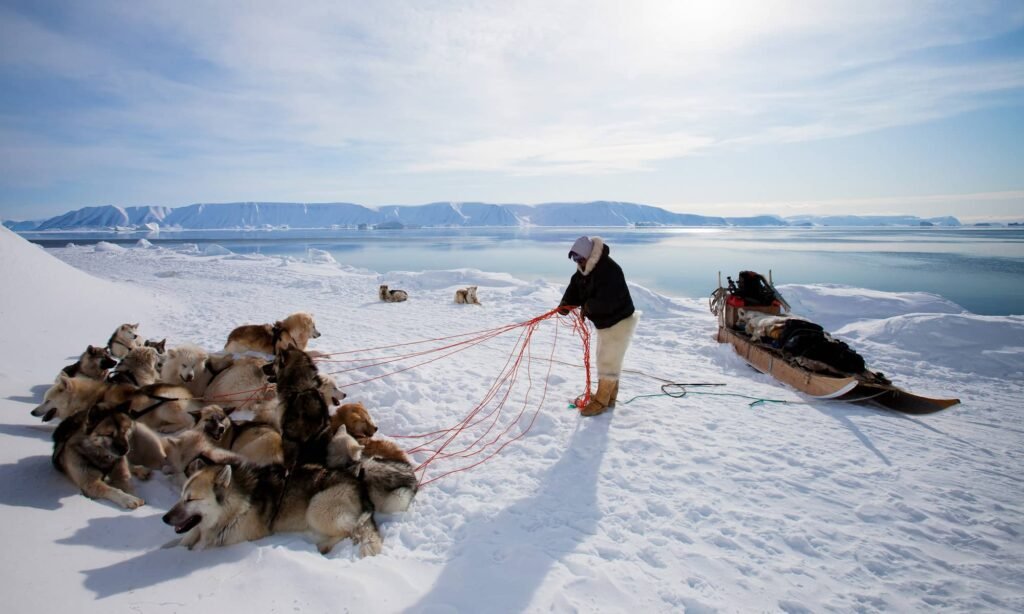
Recent scientific observations reveal significant trends regarding the extent and health of sea ice, particularly in polar regions. Satellite data over the past few decades indicate a troubling decline in sea ice coverage, impacting both the Arctic Cultures and Antarctic regions.
The National Snow and Ice Data Center (NSIDC) reports that Arctic sea ice extent has decreased by approximately 40% since the late 1970s. This reduction not only reflects diminished surface area, but also indicates a worrying trend in the overall volume of sea ice, which has implications for global climate regulation.
Decreasing sea ice volume is particularly concerning as it alters the natural cooling system of the Earth. Ice reflects sunlight, helping to maintain cooler temperatures; however, as ice melts, darker ocean water is exposed, leading to increased absorption of heat. Scientific studies highlight that this critical shift exacerbates global warming, creating a feedback loop where rising temperatures result in further ice loss. Furthermore, the implications extend beyond climate; changes in sea ice health disrupt ecosystems and species that rely on ice-covered regions for breeding, feeding, and shelter.
Additionally, the loss of sea ice has implications for weather patterns and ocean circulation, potentially leading to extreme weather events and alterations in marine biodiversity. Observations from various scientific sources signal that, without significant intervention to mitigate climate change, sea ice extent could reach critical thresholds, influencing both wildlife habitats and human activities. Moreover, the interrelationship between sea ice dynamics and ocean currents underscores the need for comprehensive monitoring and research to fully understand the complexities of these changes and their global impact. The ongoing changes in sea ice extent and health require urgent attention from policymakers, scientists, and stakeholders to address the challenges posed by climate change.
Future Implications of Sea Ice Melting
The ongoing decline of sea ice poses significant challenges for both the environment and human societies. Primarily, the reduction of sea ice directly correlates with altered global weather patterns. As Arctic ice diminishes, it leads to changes in oceanic currents and atmospheric conditions, ultimately influencing climate systems far beyond the polar regions. For example, shifts in the jet stream can result in more extreme weather events, ranging from severe droughts to intense storms across various regions.
Another critical outcome of sea ice melting is the projected increase in sea levels. The melting of the Greenland and Antarctic ice sheets is contributing to rising waters, which threaten coastal communities with flooding and erosion. As these regions are along the front lines of climate change, accelerated sea-level rise will likely displace populations, causing socio-economic challenges for those who depend on stable shorelines for their livelihoods. This displacement can create a burden on urban areas as they struggle to accommodate an influx of climate refugees.
The impact on wildlife habitats is also profound as many species rely on sea ice for their survival. For instance, polar bears, seals, and certain seabirds depend on ice coverage for breeding, hunting, and shelter. The disappearance of their habitats leads to declines in populations and a decrease in biodiversity, which can disrupt ecosystems. This not only affects wildlife but also indigenous communities that have historically relied on these species for sustenance and cultural practices.
To mitigate these impacts, a multifaceted approach addressing climate change is required. Strategies may include reducing greenhouse gas emissions and increasing investment in renewable energy sources. Additionally, communities can engage in adaptation measures, such as improving infrastructure to withstand flooding and educating residents about climate resilience. Every effort counts toward understanding the implications of sea ice melting and promoting sustainable futures for both people and the planet.
What’s More



The posts in My Blog feature reflective, story-driven pieces rooted in personal and societal insights. The topics in My Interests explore abstract, philosophical ideas and their cultural and social impact. The lines in My Quotes share brief reflections that highlight clear insights shaped by lived experience. Subscribe to get Site Updates and be notified whenever new content is published.
👁️ 6,014 Views