

The Frozen Ground Beneath Us: What is Permafrost?
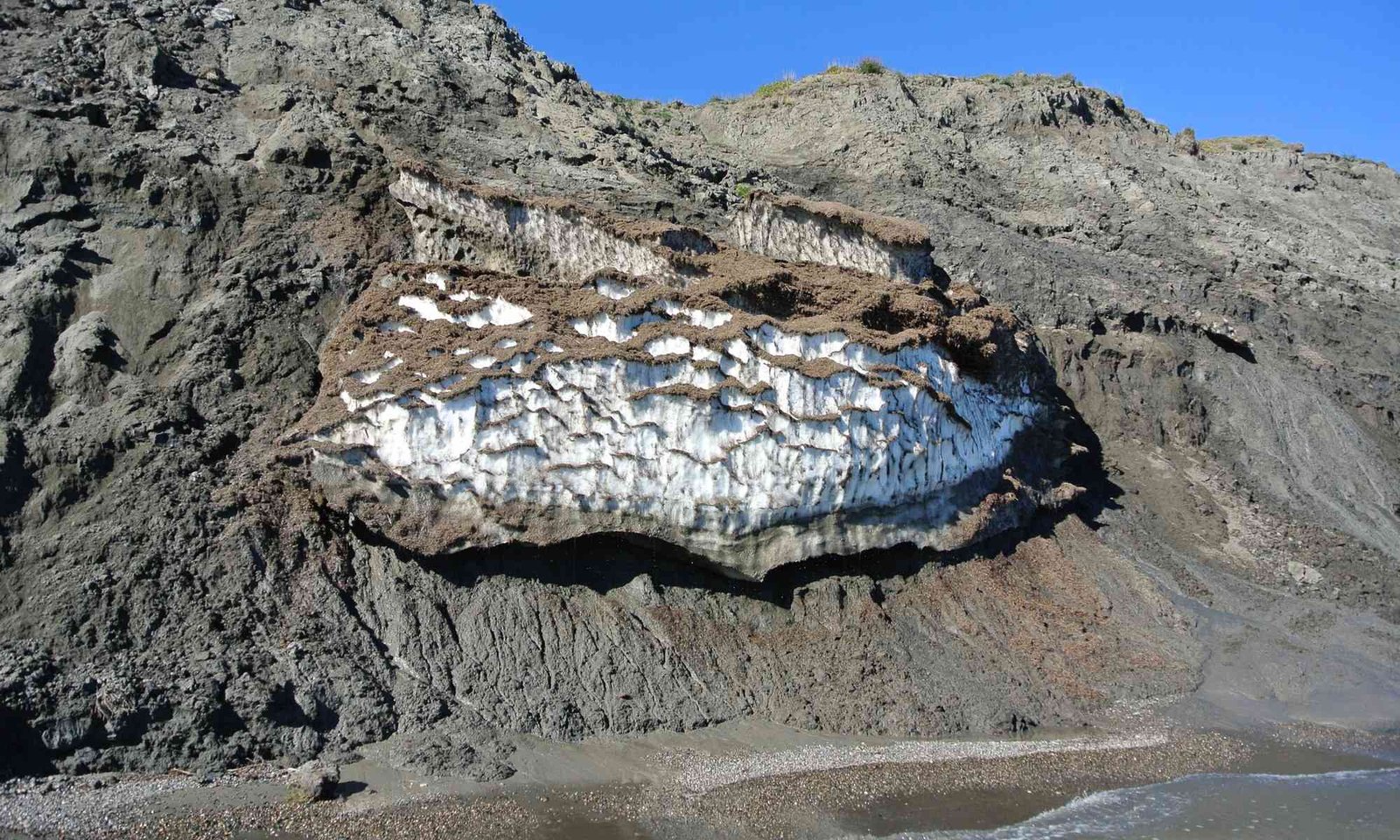
Permafrost is a layer of soil or rock that remains frozen for two or more consecutive years. This geological phenomenon typically exists in polar regions and high mountain areas, where the temperature remains persistently below 0 degrees Celsius (32 degrees Fahrenheit). The composition of permafrost consists not only of frozen soil but also includes varying amounts of ice, organic material, and sometimes rock fragments. The thickness of permafrost can vary significantly, ranging from just a few meters to over a thousand meters in some locations.
Permafrost is classified into three distinct zones based on temperature and proximity to the surface. Continuous permafrost occurs where the ground is perpetually frozen, typically found in the Arctic regions. Discontinuous permafrost retains pockets of frozen ground that are interspersed with areas of unfrozen soil, predominantly located in sub‑Arctic regions. Lastly, sporadic permafrost is characterized by isolated patches that can be found even further south, where low temperatures can occasionally freeze the ground.
The formation of permafrost is primarily influenced by factors such as climate, vegetation, and snow cover. Cold air temperatures play a crucial role in freezing the ground, while soil moisture and vegetation types can affect how heat is retained or lost within the soil. When snow covers the ground, it acts as an insulating layer that reduces thermal exchange with the atmosphere, which can lead to the development of permafrost over time. Permafrost has significant implications for the Earth’s climate system, acting as a carbon reservoir that stores organic matter capable of releasing greenhouse gases when thawed. As rising temperatures threaten to destabilize these frozen landscapes, understanding permafrost becomes essential for climate science and for predicting future environmental changes.
The Importance of Permafrost in Climate Regulation
Permafrost, defined as permanently frozen ground found primarily in Arctic and sub-Arctic regions, serves as a crucial component of the global climate system. It acts as a natural reservoir of carbon, storing large amounts of organic material that have been frozen for thousands of years. When permafrost remains intact, it prevents the release of greenhouse gases such as carbon dioxide and methane into the atmosphere, both of which are known for their role in enhancing the greenhouse effect and consequently contributing to global warming.
As climate change progresses, rising temperatures are resulting in the thawing of permafrost across vast areas, releasing previously trapped greenhouse gases and further exacerbating climate change. Studies indicate that the potential release of carbon from thawing permafrost could significantly increase global temperatures, accelerating a feedback loop in which elevated temperatures lead to more permafrost thawing and, in turn, the release of even more greenhouse gases. The ecological consequences extend beyond climate regulation, as thawing permafrost can alter landscapes, affect hydrology, and change ecosystems, impacting local flora and fauna.
These environmental shifts also disrupt traditional livelihoods for indigenous communities who depend on stable ground and climatic conditions for hunting, gathering, and subsistence. The implications of permafrost thaw resonate on a global scale, underscoring the importance of understanding permafrost dynamics in climate models. As researchers continue to study these developments, it is vital to prioritize the preservation of permafrost as a means to mitigate climate change impacts, for its role in climate regulation represents a critical interplay between the frozen ground and the global climate system.
Impacts of Climate Change on Permafrost
Permafrost, defined as ground that remains frozen for at least two consecutive years, is a significant component of the Earth’s cryosphere. Unfortunately, climate change is impacting permafrost rapidly due to rising global temperatures and shifting weather patterns. As warming accelerates, regions once considered permanently frozen are entering a period of unprecedented instability. This shift is reshaping landscapes, altering ecosystems, and introducing new environmental risks that were previously unimaginable. The phenomenon poses a serious threat not only to local environments but also to global climate systems.
One key effect of climate change on permafrost is thawing, which has been observed extensively in Arctic regions. In places like Alaska and Siberia, average annual temperatures have increased, leading to substantial ground destabilization. As a case in point, the town of Barrow, Alaska, has experienced notable permafrost degradation, with implications for infrastructure, such as roads and buildings, that are built upon this frozen ground. The thawing of permafrost in this region has resulted in increased maintenance costs and risks of catastrophic failure.
The implications extend beyond just human infrastructure. When permafrost thaws, it releases greenhouse gases like methane and carbon dioxide, which have far-reaching effects on global warming. Research indicates that large amounts of carbon stored in frozen organic matter could be released into the atmosphere, exacerbating climate change. For instance, studies conducted in the Canadian Arctic have shown that even a slight increase in temperature significantly accelerates permafrost thaw, directly correlating with increased emissions of these potent greenhouse gases.
Additionally, the impact on local ecosystems can be profound. Thawing permafrost alters hydrological systems, leading to changes in vegetation types and wildlife habitats. The disruption of established ecosystems can threaten the local biodiversity, endangering species that rely on stable permafrost conditions. As communities adapt to these alterations, the need for sustainable practices becomes increasingly critical.
Permafrost Dynamics in Yakutsk
Learn about life in the coldest city on Earth – Yakutsk | Kiun B
Yakutsk, located in the Sakha Republic of northeastern Russia, sits atop some of the deepest and most continuous permafrost on the planet, with frozen ground extending more than 300 meters below the surface. Historically, this extreme stability allowed the city to develop infrastructure uniquely adapted to frozen terrain, including elevated buildings designed to prevent heat transfer into the ground. However, rising regional temperatures are now undermining that stability. Over the past several decades, mean annual air temperatures in Yakutia have increased significantly, accelerating permafrost thaw and causing measurable ground subsidence.
Click on the  icon to open the playlist
This thawing has direct consequences for Yakutsk’s urban environment. Buildings that once rested securely on frozen foundations are experiencing structural deformation, and utilities such as water and sewage systems require increasingly frequent repairs. Beyond infrastructure, thawing permafrost around Yakutsk is releasing previously trapped carbon and methane, contributing to broader climate feedback loops. The surrounding taiga and tundra ecosystems are also shifting, with altered hydrology and vegetation patterns reshaping habitats for local wildlife.
Future Prospects: Managing Permafrost in a Warming World
The increasing temperatures attributed to climate change pose significant challenges to permafrost regions, making effective management essential. As permafrost thaws, it releases greenhouse gases that exacerbate global warming, creating a feedback loop. Therefore, innovative strategies must be developed to address these ever-evolving conditions.
Monitoring permafrost degradation is imperative for understanding its dynamics. Advances in technology, such as remote sensing and ground‑based surveys, allow researchers to collect real‑time data on permafrost temperature, moisture levels, and land subsidence. Institutions like the Permafrost Institute play a central role in coordinating these efforts, ensuring that data collection and analysis follow rigorous scientific standards. Collaborations between scientists and local communities are equally crucial, as indigenous knowledge often provides invaluable insights into changes occurring within these ecosystems.
In terms of policy implications, governments must prioritize the integration of permafrost considerations into their climate action plans. This includes developing frameworks that encourage sustainable land use practices and enhancing infrastructure resilience in vulnerable areas. Investment in research dedicated to understanding the interactions between climate change and permafrost is also essential. These initiatives should include educational outreach to increase awareness around the importance of permafrost preservation and its role in the broader environmental context.
Community efforts play a pivotal role in managing permafrost impacts. Engaging local citizens in conservation programs fosters a deeper commitment to maintaining the integrity of their environment. Additionally, collaborative projects can assist in developing adaptive strategies that address specific regional challenges, thus empowering communities to mitigate the effects of permafrost thaw. By integrating scientific research with local stewardship, these initiatives help build long‑term resilience against the accelerating impacts of permafrost degradation.
What’s More



The posts in My Blog feature reflective, story-driven pieces rooted in personal and societal insights. The topics in My Interests explore abstract, philosophical ideas and their cultural and social impact. The lines in My Quotes share brief reflections that highlight clear insights shaped by lived experience. Subscribe to get Site Updates and be notified whenever new content is published.
👁️ 8,759 Views