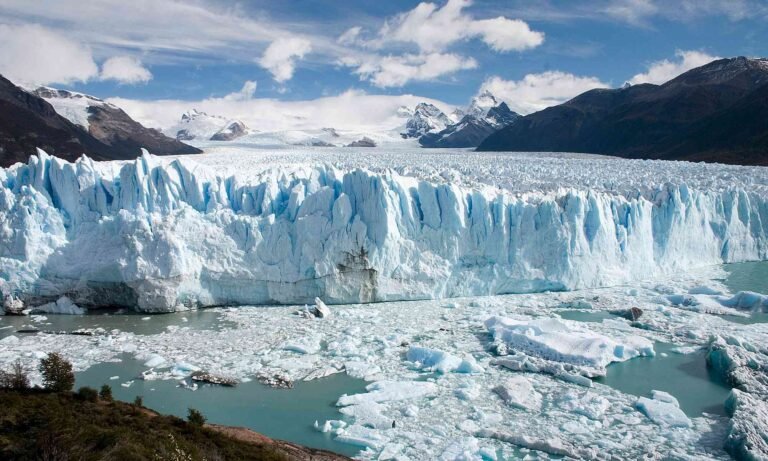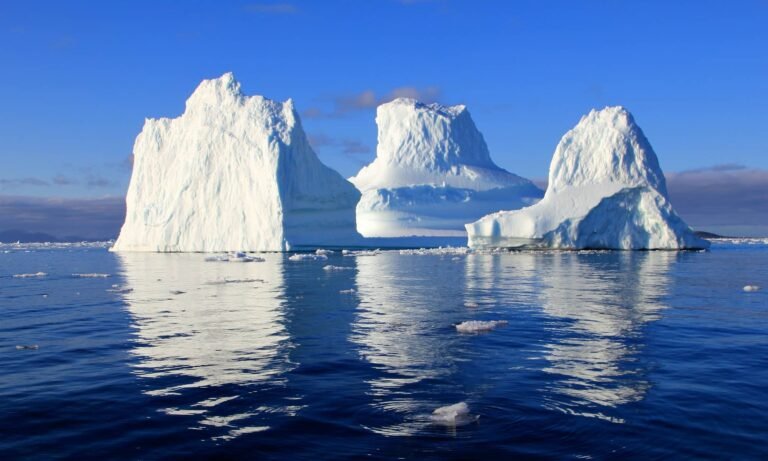


The Arctic region, characterized by its extreme climate and unique geographical features, encompasses a vast area that includes parts of eight countries: Canada, Denmark (Greenland), Norway, Sweden, Finland, Russia, the United States (Alaska) and Iceland. This region is not only defined by its frigid temperatures and ice-covered landscapes, but also by the rich tapestry of cultures that have thrived here for thousands of years. Arctic cultures primarily consist of indigenous peoples who have adapted their lifestyles to the challenges posed by one of the harshest environments on Earth.
Among the notable Indigenous populations of the Arctic are the Inuit, Sámi, Chukchi, Yupik and Nenets – each with distinct languages and traditions.
- Inuit culture centers on a deep relationship with the Arctic environment, shaped by millennia of adaptation to extreme conditions. Their traditions include communal hunting, intricate knowledge of sea ice, and spiritual practices tied to animals such as the seal. Social structures emphasize cooperation, ensuring families survive harsh winters through shared resources and collective decision‑making. These customs continue to evolve today, balancing ancestral knowledge with modern realities.
- Sámi culture spans northern Norway, Sweden, Finland, and Russia, rooted in a close connection to land, seasons, and reindeer herding. Traditional clothing (gákti), joik singing, and craftwork express identity, while herding communities follow seasonal migrations across tundra landscapes. Despite historical suppression, Sámi traditions have experienced a strong revival, with language, art, and political representation reinforcing cultural resilience.
- Chukchi culture in northeastern Siberia includes two main groups: reindeer herders of the interior and maritime hunters along the coasts. Reindeer Chukchi maintain mobile camps and rely on herds for transport, food, and clothing, while Maritime Chukchi hunt sea mammals and live in semi‑subterranean settlements. These distinct lifeways share a foundation of shamanistic traditions and deep ecological knowledge of the Arctic.
- Yupik culture, found across western and southwestern Alaska and parts of Siberia, is defined by a subsistence lifestyle of hunting, fishing, and gathering. Storytelling, dance, and mask‑making play central roles in transmitting knowledge and celebrating community life. Many Yupik communities remain accessible only by air or boat, preserving a way of life closely tied to rivers, sea ice, and seasonal cycles.
- Nenets culture is built around nomadic reindeer herding across the Siberian tundra, following migration routes that have shaped their identity for centuries. Their Uralic language, spiritual traditions, and mobile dwellings reflect a worldview centered on harmony with the land. Today, climate change and industrial development challenge their mobility and cultural continuity, yet the Nenets remain determined to preserve their ancestral practices.
In these Arctic cultures, the languages spoken are vital carriers of their worldviews and histories. Each language encapsulates unique knowledge about the environment, social structures, and traditions. Furthermore, these cultures have evolved through millennia, weathering climatic changes and external influences while retaining their identities. From traditional storytelling to modern adaptations, the ongoing development and resilience of Arctic cultures are significant not only for the communities themselves but also for global understanding of human adaptation and sustainability practices in extreme conditions.
Traditional Lifestyles and Survival Techniques
Learn about traditional Inuit culture from this fascinating series – by Alaska Extreme
The Arctic peoples have developed distinctive lifestyles that are intricately tied to their environment, relying heavily on traditional knowledge and survival strategies. These communities, including the Inuit and Sámi, have honed skills in hunting, fishing, and gathering, crucial for sustaining themselves in one of the most inhospitable climates on Earth. Fishing in frozen lakes, hunting seals, and gathering edible plants are not mere activities but vital components of a cultural identity that emphasizes self-sufficiency and respect for nature.
Click on the  icon to open the playlist
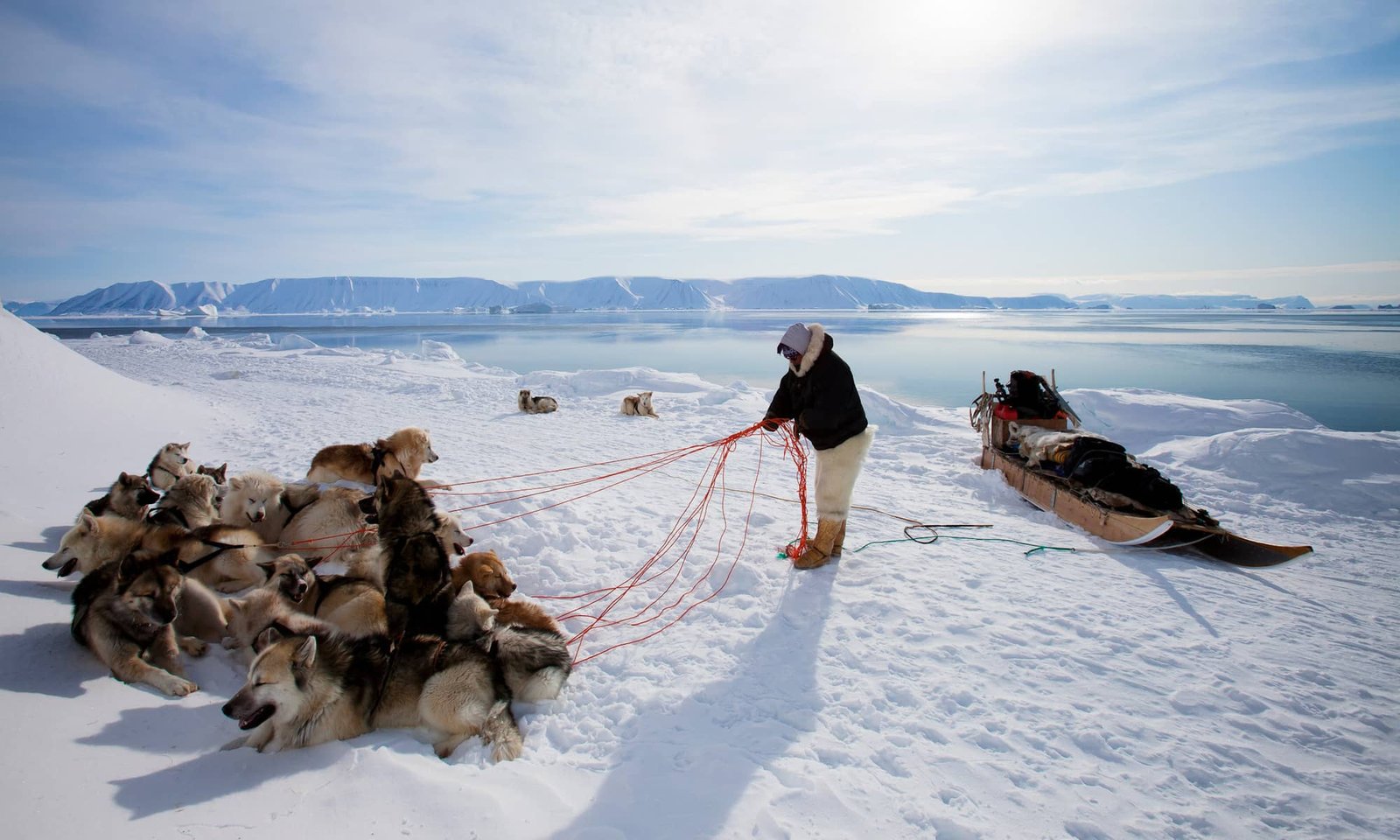
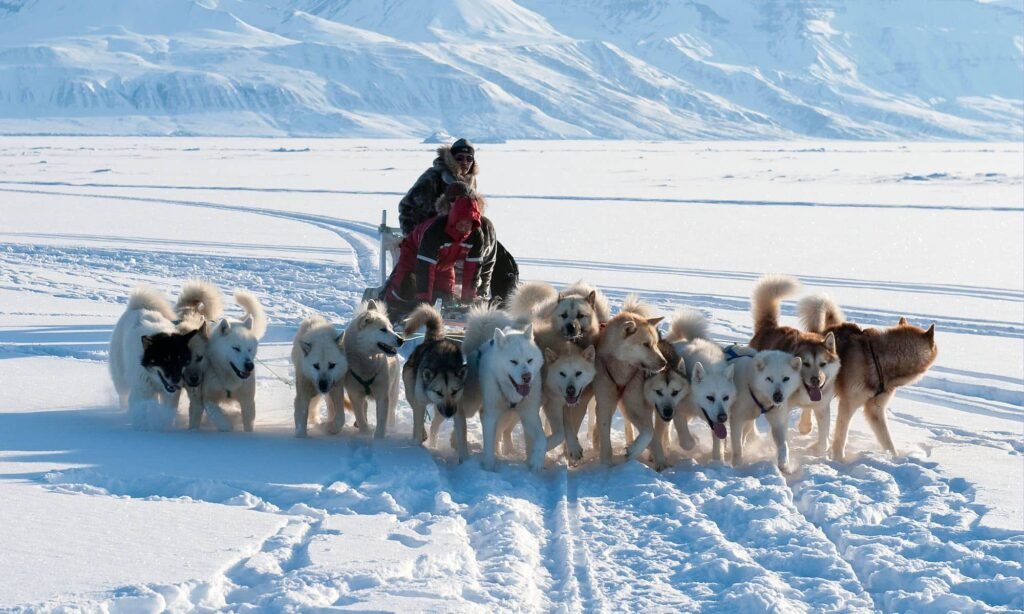
Hunting practices in the Arctic are adapted to maximize efficiency and sustainability. Tools and techniques are passed through generations, embodying a wealth of knowledge about animal behaviors and seasonal changes. For instance, the construction and use of sleds, traditionally drawn by dogs, enable hunters to navigate the vast, snowy landscapes to reach their hunting grounds. Similarly, the kayak, an ingenious invention, allows for agile movement in icy waters, vital for hunting marine mammals.
Clothing also plays a pivotal role in survival, with garments fashioned from animal skins providing not only warmth but also protection against the elements. Each piece of clothing is a testament to the skill and craftsmanship of the maker, demonstrating a deep understanding of material properties and environmental demands. The procurement of these materials is a communal effort, showcasing the importance of cooperation within these societies.
Community bonds are further strengthened through shared responsibilities and collaborative survival strategies. The communal nature of hunting and gathering fosters a sense of belonging and reinforces cultural values. This cooperation is not merely a practical necessity; it symbolizes a collective approach to facing the harsh realities of life in the Arctic, where the survival of individuals often depends on the strength and unity of the group. Thus, the traditional lifestyles of Arctic peoples embody a profound connection to their land, their culture, and each other.
Spiritual Beliefs and Artistic Expressions
The spiritual beliefs of Arctic cultures are deeply intertwined with their natural surroundings, reflecting a profound respect for nature and the wildlife that sustains their way of life. Many Arctic communities hold animistic views, where animals, plants, and elements are regarded as having souls or spirits. This belief system fosters a connection to the land, its inhabitants, and the intricate ecosystems that shape their existence. Ceremonies and rituals marked by respect and gratitude are often performed to honor these connections, ensuring the survival of both the people and the animals upon which they depend.
Storytelling plays an essential role in conveying the values and beliefs of Arctic cultures, with myths and legends often serving as educational tools for younger generations. These narratives frequently feature themes of survival, harmony with nature, and the importance of resilience in the face of harsh environmental conditions. Such stories weave a rich tapestry of cultural identity, illustrating the relationship between humans and the natural world, and providing insights into the history and morality of these communities.
Artistic expressions in the Arctic serve as another critical avenue for reflecting and reinforcing cultural identity. Unique art forms, from intricate carvings in bone and ivory to vibrant textiles, encapsulate the history, environment, and day‑to‑day experiences of Arctic peoples. Music and dance further amplify these expressions, often performed during communal gatherings and celebrations. Traditional drum ceremonies and throat singing play integral roles in social cohesion and the transmission of cultural values, with art acting as a medium for storytelling and preserving ancestral knowledge.
Contemporary Challenges and Cultural Preservation
The Arctic region, renowned for its rich cultural diversity, faces numerous contemporary challenges that threaten the survival of its indigenous cultures. Among these challenges, climate change stands out as a pressing concern, leading to alterations in traditional lifestyles, especially for communities that rely heavily on the environment for sustenance. Melting ice caps and shifting animal migration patterns have forced communities to adapt their hunting and fishing practices, often with detrimental effects on their cultural identity.
Globalization presents another significant challenge, as it exposes Arctic cultures to external influences that can dilute traditional values and lifestyles. The influx of modern technology and media creates a complex landscape where younger generations grapple with maintaining their heritage while integrating modern conveniences into their daily lives. Language advocacy is crucial in this context, as many indigenous languages are at risk of extinction. Efforts to revitalize these languages through education and community initiatives are vital for cultural preservation.
Cultural organizations and activists are at the forefront of preserving Arctic traditions and practices. They strive to promote awareness about the importance of cultural identity and knowledge, integrating traditional teachings within modern educational systems. Initiatives like cultural camps and traditional skill workshops aim to strengthen intergenerational bonds while ensuring that younger individuals learn the significance of their cultural heritage.
Furthermore, digital technology is being harnessed to facilitate cultural preservation. Initiatives that document traditional stories, music, and art electronically not only serve to educate but also provide accessible resources for future generations. As Arctic peoples navigate the complexities of modern life, they maintain resilience and adaptability, continuously finding ways to celebrate and safeguard their unique cultural identities.
“The Arctic is among the least understood places on the planet; however, we do know that its landscape is changing and evolving as quickly as smart phones, the Internet and AI.”
– Philippe Cousteau, Jr.
What’s More



The posts in My Blog feature reflective, story-driven pieces rooted in personal and societal insights. The topics in My Interests explore abstract, philosophical ideas and their cultural and social impact. The lines in My Quotes share brief reflections that highlight clear insights shaped by lived experience. Subscribe to get Site Updates and be notified whenever new content is published.
👁️ 9,933 Views