


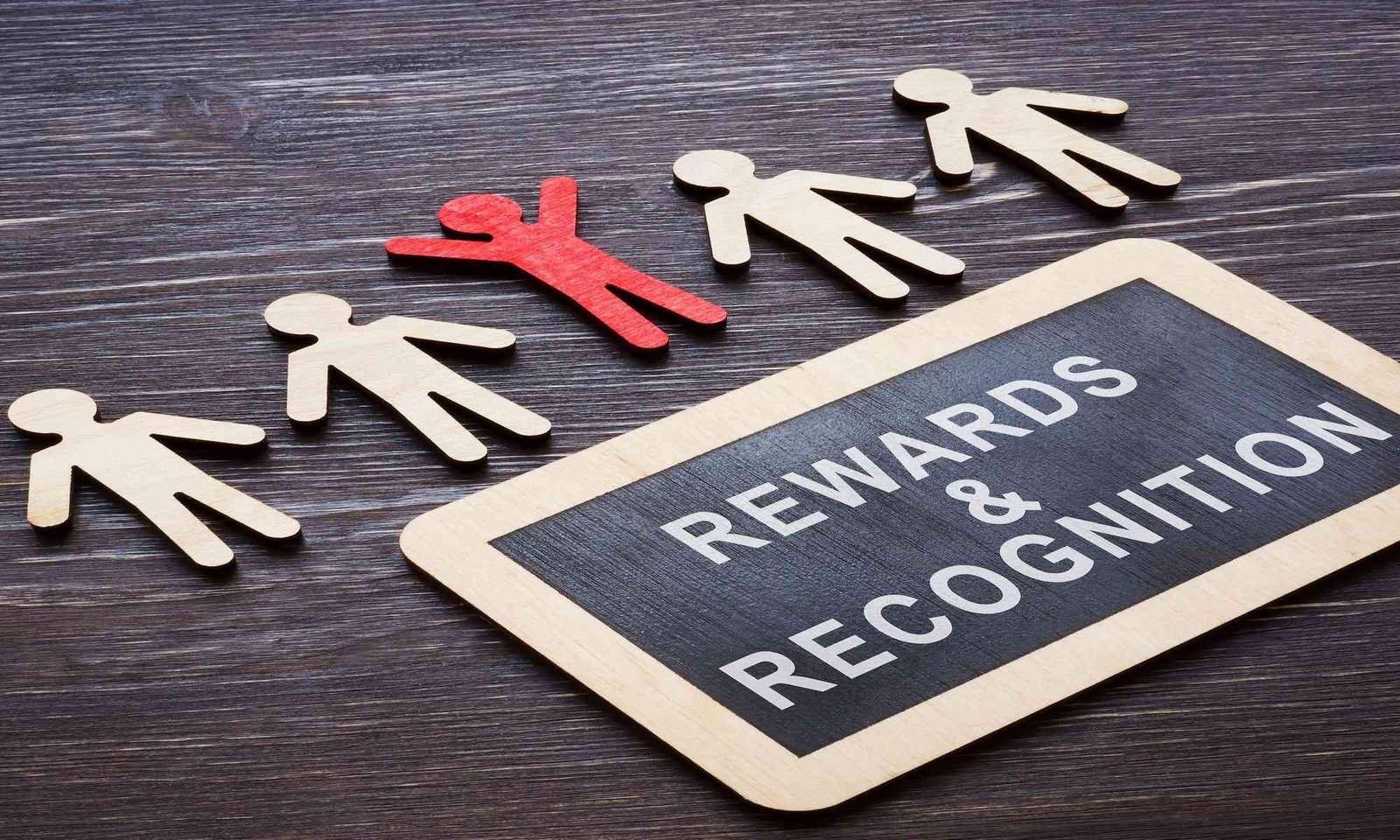
Recognition plays a pivotal role in both personal and professional landscapes, acting as an essential motivator and a significant contributor to individual growth. In general terms, recognition can be defined as the acknowledgment of an individual’s efforts, achievements, or qualities, which can lead to a positive reinforcement of their behavior. It serves as a powerful tool in enhancing self-esteem, encouraging further excellence, and promoting a sense of belonging.
- In the workplace, recognition can be classified into various types, including formal and informal recognition. Formal recognition often occurs within structured settings, such as award ceremonies, performance reviews, or company-wide announcements. This type of acknowledgment typically carries a considerable weight because it is officially sanctioned by an organization, thereby enhancing an employee’s credibility and stature.
- Informal recognition, on the other hand, tends to be spontaneous and can occur in day-to-day interactions, such as a simple “thank you” from a manager or a peer. This type of acknowledgment is equally important as it fosters a culture of appreciation and camaraderie, making employees feel valued and recognized in their work environment.
- Another noteworthy dimension of recognition is peer-to-peer acknowledgment, where colleagues recognize each other’s efforts. This can create a supportive atmosphere that encourages teamwork and collaboration, strengthening interpersonal relationships within a team.
- Lastly, self-recognition is a critical aspect of personal development. Individuals who take the time to acknowledge their achievements foster a strong sense of self-worth, motivating themselves to set and pursue new goals. Together, these diverse forms of recognition are essential for cultivating a positive environment that nurtures growth and motivation, both personally and professionally.
The Psychological Impact
Recognition has a profound psychological impact on individuals, influencing their self-esteem, motivation, and overall mental well-being. When recognition is offered, whether in a personal or professional context, it serves as an acknowledgment of one’s contributions, efforts, and achievements. This acknowledgment is crucial for fostering a sense of value and significance among individuals. It also reinforces a person’s sense of worth by validating their unique contributions. Over time, this steady acknowledgment strengthens confidence and encourages deeper engagement.
Research indicates that when employees or individuals receive recognition, they experience an immediate boost in their self-esteem. A study published in the Journal of Applied Psychology found that employees who feel appreciated tend to exhibit higher levels of self-worth and confidence. This enhanced self-esteem not only boosts individual morale but also creates a more positive environment, contributing to overall organizational health.
Furthermore, recognition plays a vital role in motivation. According to insights from motivational psychology, individuals who are regularly recognized for their efforts are more likely to remain engaged and committed to their tasks. Recognized individuals perceive their work as meaningful, which propels them to strive for excellence. This is corroborated by expert opinions suggesting that intrinsic motivation flourishes in recognition-rich environments, leading to improved performance and creativity.
In addition to self-esteem and motivation, the mental health benefits of recognition cannot be overlooked. Individuals who experience regular appreciation are more resilient to stress and are prone to exhibit lower levels of burnout. This reinforces the idea that recognition not only benefits individuals but also enhances group dynamics, leading to higher collaboration, improved morale, and a collective sense of accomplishment.
The Implementation
Implementing effective recognition strategies is essential for fostering a positive environment, whether in workplaces, schools, or personal relationships.
- To begin with, it is crucial to develop a system that identifies individual and group achievements in a timely manner. This can involve setting up regular check-ins or feedback sessions that open avenues for recognizing efforts as they happen, rather than waiting for annual reviews or special occasions. Timely recognition creates a sense of immediacy and relevance, which enhances its impact.
- Another effective strategy is to tailor the recognition approach to the preferences of the individuals involved. Different people respond to recognition in varied ways; some may appreciate public acknowledgment, while others may prefer private praise. Conducting a brief survey or simply asking your team members or peers about their preferred methods of recognition can contribute to a more meaningful and impactful acknowledgment process.
- In the context of workplaces, management plays a significant role in establishing a culture of recognition. To create a supportive environment, leaders should actively participate in recognizing the successes of their team members. This involves not only verbally expressing appreciation but also modeling recognition behavior, thereby encouraging peers to do the same. Providing recognition that acknowledges both small and large achievements helps reinforce the importance of each contribution to the collective success of the team.
- Furthermore, employing diverse recognition methods can keep the practice dynamic and engaging. For example, utilizing digital platforms for peer recognition can make it easy for individuals to express gratitude and recognition in real-time. Recognition programs that involve rewards, certificates, or public accolades can also be incorporated to enhance motivation and morale.
Ultimately, creating a culture that values recognition requires continuous effort and commitment. By implementing these strategies thoughtfully, we can cultivate environments that celebrate achievements and foster growth, both personally and professionally.
Challenges and Misconceptions
Recent discussions about the difference between recognition and appreciation show how easily the concept gets misunderstood. Recognition is often perceived as a concept primarily relevant to the professional realm, leading to the misconception that it has little value in personal life. However, recognition can play a crucial role in both contexts. In personal relationships, acknowledgment of achievements and efforts fosters a sense of belonging, nurtures self-esteem, and reinforces positive behaviors. Neglecting recognition in personal settings can hamper emotional growth and interpersonal connections.
Another common misconception is the belief that recognition breeds complacency. Critics argue that rewarding individuals for their accomplishments may lead them to settle for mediocrity. This notion stems from a misunderstanding of the motivational dynamics at play. When recognition is thoughtfully integrated into the growth process, it inspires individuals to pursue their goals with renewed enthusiasm, rather than causing stagnation. The key lies in ensuring that recognition is tied to specific achievements, promoting a culture of continuous improvement.
In addition to these misconceptions, there are potential pitfalls associated with recognition practices, such as insincerity and favoritism. Insincere recognition undermines trust and can lead to disengagement. It is essential that acknowledgment is both genuine and proportional to the effort invested. Furthermore, preferential treatment in recognition can foster resentment among peers, leading to a toxic atmosphere. To navigate these challenges, it is vital to cultivate a transparent recognition framework that prioritizes fairness and inclusivity.
By addressing these misconceptions and challenges, organizations and individuals can create a constructive recognition environment. This fosters personal and professional growth, empowering individuals to reach their potential while maintaining healthy relationships with both peers and personal connections.
The Long‑Term Sustainability
Sustaining recognition over the long term requires intentionality, consistency, and alignment with broader cultural values. While one‑off acknowledgments can create momentary boosts in morale, long‑term impact emerges only when recognition becomes an embedded, predictable part of daily interactions. Sustainable recognition is not about frequency alone; it is about cultivating a system that remains meaningful, equitable, and adaptable over time.
- A key element of sustainability is consistency. When recognition is sporadic or dependent on individual personalities, it loses credibility. Establishing clear norms ensures that acknowledgment is not left to chance, reinforcing trust and signaling that recognition is a stable part of the environment.
- Another factor is authenticity. Over time, individuals can easily detect recognition that feels formulaic or obligatory. Sustainable recognition requires genuine attention to specific contributions, strengthening psychological safety and helping people feel seen for who they are.
- Sustainability also depends on evolution. As teams grow, technologies change, and expectations shift, recognition practices must adapt. Regularly reviewing systems through feedback and performance data keeps the approach relevant and effective.
- Finally, sustainable recognition requires shared ownership. When recognition is viewed solely as a managerial task, it becomes limited and hierarchical. Encouraging peer‑to‑peer and self‑recognition distributes responsibility and creates a resilient ecosystem where acknowledgment flows naturally.
Together, these elements ensure that recognition is not merely an initiative but a durable cultural pillar that continues to nurture motivation, connection, and growth over time.
What’s More



The posts in My Blog feature reflective, story-driven pieces rooted in personal and societal insights. The topics in My Interests explore abstract, philosophical ideas and their cultural and social impact. The lines in My Quotes share brief reflections that highlight clear insights shaped by lived experience. Subscribe to get Site Updates and be notified whenever new content is published.
👁️ 8,989 Views