


Defining at the Micro Level
Interpersonal power at the micro level refers to the dynamics of power that manifest within intimate relationships and everyday interactions among individuals. It encompasses various forms of power, each characterized by distinct mechanisms through which influence can be exerted and received. Understanding these forms aids in recognizing how power operates in contexts such as friendships, family dynamics, and workplaces. The five essential forms of interpersonal power include reward power, coercive power, expert power, referent power and legitimate power.
- Reward power is based on the capacity to deliver positive consequences or benefits, influencing others through incentives.
- Coercive power, in contrast, is derived from the ability to impose negative consequences or punishments, thereby compelling compliance through fear or negative reinforcement.
- Expert power arises from the possession of knowledge or skills that others recognize as valuable. Individuals exhibiting expert power can wield significant influence, predominantly due to their perceived competence in specific areas.
- Referent power, on the other hand, stems from personal traits or characteristics that inspire admiration or respect. Those with referent power often shape dynamics in close relationships because of their unique ability to foster emotional connections.
- Lastly, legitimate power is connected to one’s position within a structured hierarchy, be it in occupational settings or family settings, where authority is recognized by others due to their role.
These forms of power do not operate in isolation; instead, they intertwine in interpersonal exchanges. Individuals often negotiate power balances through verbal and non-verbal communication, deploying one type of power in response to another. Understanding these micro-level dynamics is essential, as they play a crucial role in influencing broader social structures. By analyzing how power is negotiated in personal contexts, one can gain insights into the larger societal frameworks that emerge from established interpersonal relationships.
Through the Lens of Michelangelo’s “The Creation of Adam”

Michelangelo’s iconic fresco The Creation of Adam offers a powerful visual metaphor for understanding interpersonal power, particularly the relational and symbolic dimensions that transcend formal authority. The painting depicts the near‑touch between God and Adam – two hands reaching across a small but charged gap. This moment, frozen in tension, encapsulates a profound interplay of dependence, agency, and connection.
From a power‑dynamics perspective, the fresco illustrates asymmetry wrapped in intimacy. God’s posture conveys authority, initiative, and the capacity to bestow life – an embodiment of legitimate and expert power. Adam, reclining and passive, represents the recipient of that power, yet his relaxed posture suggests not subjugation but invitation. The power here is not coercive; it is relational, flowing through proximity, intention, and recognition.
The nearly touching hands symbolize the transfer and negotiation of power. Power is not simply imposed; it is activated through connection. Adam’s extended hand indicates willingness, signaling that even in asymmetrical relationships, the subordinate party retains a degree of agency. This mirrors interpersonal dynamics where influence requires mutual engagement – authority is ineffective without acknowledgment, and expertise is meaningless without trust.
The painting also highlights the symbolic dimension of referent power. God’s authority is not enforced through force but through the reverence and meaning attributed to Him. Similarly, in human relationships, individuals often wield influence not because of formal roles but because others imbue them with significance – admiration, trust, or emotional resonance.
Finally, the fresco’s composition underscores how power shapes identity. Adam becomes fully human through this moment of connection, suggesting that interpersonal power can be generative rather than oppressive. When exercised ethically, power can affirm, elevate, and empower others, contributing to personal growth and collective flourishing. In this way, Michelangelo’s masterpiece serves as a visual allegory for the complex, relational nature of interpersonal power – revealing how influence emerges not only from hierarchy but from the delicate, transformative space between individuals.
The Influence on Individual Behavior
Interpersonal power is a fundamental aspect of human relationships that significantly shapes individual behavior and decision-making processes. When individuals find themselves within power dynamics, their actions and choices can be heavily influenced by the presence of authority or influence from others. This influence can lead to various outcomes such as cooperation, conflict, or compliance, depending on the context of the power interaction and the respective roles of the individuals involved.


Psychologically, the effects of power can be profound. For instance, those in positions of power often feel confident and assertive – sometimes even Unf*ckwithable – which can lead them to engage in collaborative efforts more readily. Conversely, individuals in subordinate positions may experience feelings of helplessness or Anxiety, potentially leading to withdrawal from social interactions or a reluctance to voice their opinions. This behavioral response highlights the significant impact of interpersonal power structures on personal agency and group dynamics.
The role of social norms and expectations cannot be understated in this context. Norms, which dictate acceptable behaviors in various social interactions, can either reinforce or challenge existing power hierarchies. For example, in organizational settings, norms that prioritize egalitarian decision-making can mitigate the negative effects of power, fostering an environment where cooperation prevails. On the other hand, norms that perpetuate strict authority can exacerbate conflict and compliance issues, resulting in a toxic atmosphere.
To illustrate, consider a workplace scenario where a manager exerts power over subordinates. If the manager employs a supportive approach that encourages input from team members, it can lead to enhanced cooperation and collective decision-making. However, if the manager adopts a more authoritarian style, it may result in resistance or conflict among employees, highlighting the complexities of interpersonal power dynamics.
“Fun & Games” as a Lens on Interpersonal Power
The phrase “Fun & Games” may appear lighthearted, but within the context of interpersonal power it serves as a revealing metaphor for the subtle, often unspoken strategies individuals use to negotiate influence in everyday interactions. In this sense, “Fun & Games” does not refer to literal amusement; rather, it captures the performative, symbolic, and sometimes manipulative behaviors that shape micro‑level power dynamics.
At its core, “Fun & Games” highlights how power is frequently exercised through ritualized social exchanges rather than overt commands. People engage in playful teasing, strategic humor, flirtation, or ironic commentary not merely for entertainment but to test boundaries, signal status, or soften the delivery of influence. These interactions can function as a low‑stakes arena where individuals experiment with power – probing how far they can push, how others respond, and what roles emerge.
For example, in friendships or workplace relationships, humor can be used to challenge authority without direct confrontation, allowing individuals to express dissent while maintaining social cohesion. Conversely, humor can also reinforce hierarchies when used to exclude, belittle, or subtly assert dominance. The “game” lies in the ambiguity: the same behavior can be framed as harmless fun or as a power move, depending on context and interpretation.
This concept also underscores how power is negotiated through shared understandings. Participants must implicitly agree on the rules – what counts as playful, what crosses a line, and who gets to decide. When these rules are violated, the “game” collapses, revealing the underlying power structure that had been masked by levity.
Thus, “Fun & Games” becomes a microcosm of interpersonal power: a space where influence is enacted through symbolic gestures, emotional cues, and social performance. Recognizing these dynamics helps illuminate how power operates not only in formal structures but also in the seemingly trivial moments that shape relationships and identities.
In Society: A Macro Perspective

Interpersonal power dynamics are not confined to individual relationships; they play a critical role in shaping broader societal structures and norms. At the macro level, interpersonal power can inform larger social interactions, movements, and institutions, ultimately influencing how Our Society operates. The interplay between individual power and societal norms reveals a complex web where personal dynamics are enmeshed within the larger fabric of societal expectations and institutional frameworks.
One key aspect of how interpersonal power operates within society is its potential to perpetuate social inequalities. Power imbalances exist not only on an individual level but also resonate throughout communities and institutions. This can manifest in various forms, such as systemic discrimination, where individuals or groups with less social capital lack access to resources, opportunities, or representation. For instance, marginalized communities often face inherent power disparities that are deeply rooted in societal norms, affecting their ability to advocate for rights and access essential services.
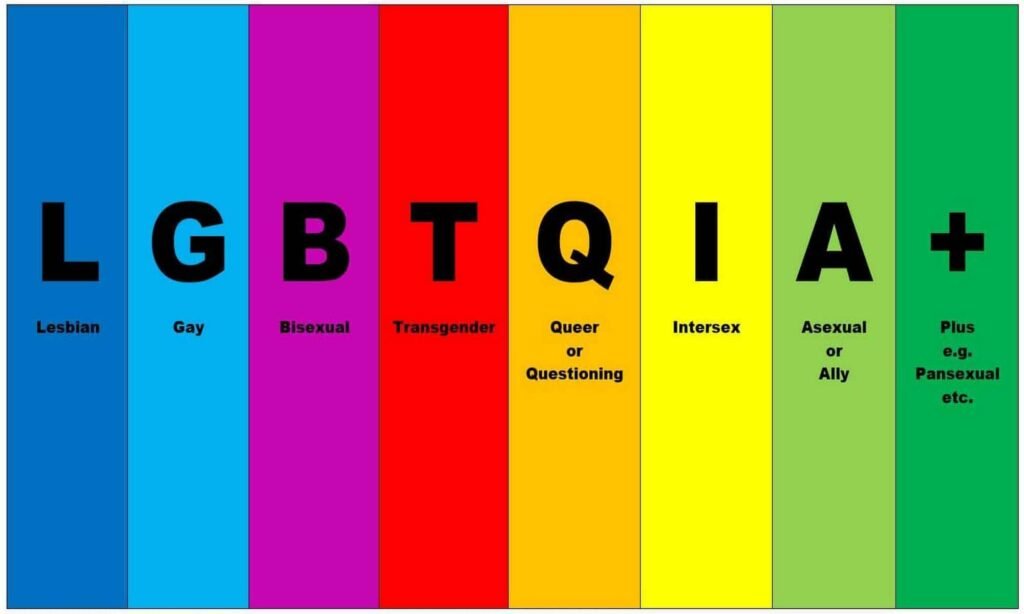
Interpersonal power is not solely a mechanism of oppression; it can also drive societal change. Collective interpersonal power mobilizes individuals around shared interests, catalyzing social movements and systemic reform. Historical examples – from civil rights to women’s suffrage and LGBTQIA+ advocacy – show how grassroots mobilization harnesses interpersonal influence to challenge dominant norms and institutions. Through coordinated action, these movements have reshaped societal narratives and policies, demonstrating the transformative impact of strategically aligned interpersonal relationships.
In summary, the relationship between interpersonal power and society is one of mutual influence. On the one hand, societal structures condition individual interactions; on the other, collective interpersonal power can revolutionize those very structures. Understanding this dynamic is essential for recognizing the pathways through which power operates, potentially leading to greater equity and social justice.
Implications on Social Change and Justice
Interpersonal power plays a crucial role in shaping social dynamics and outcomes, influencing both individual experiences and broader societal changes. Understanding the micro-level power dynamics allows us to critically evaluate how personal interactions can foster or hinder social justice efforts. By recognizing the nuances of power, advocates can devise strategies that empower marginalized individuals and communities, ensuring that their voices are heard within social movements.
Empowerment is essential in creating a ripple effect for social change. When individuals feel empowered, they are more likely to participate actively in advocacy efforts. This requires fostering an inclusive environment where everyone has the opportunity to articulate their needs and concerns. Such an atmosphere encourages shared leadership and collective action, thereby challenging oppressive systems and promoting equity. Moreover, incorporating empathy into interpersonal interactions can facilitate constructive dialogues that bridge gaps between diverse groups, reinforcing social cohesion and understanding.
Effective communication is another vital component within the framework of power dynamics. It is essential for champions of social justice to cultivate skills that enhance their ability to connect with others. By engaging in active listening and open-ended discussions, individuals can better understand differing perspectives. This understanding is paramount in identifying common ground from which collaborative efforts for change can emerge.
As interpersonal relationships evolve, they can serve as catalysts for societal transformation. Shifts in power dynamics, whether in small community settings or larger organizational structures, are often indicative of a larger societal movement. These shifts also intersect with Politics, as political processes and institutions both shape and are shaped by interpersonal power relations. Thus, strategies aimed at fostering equitable power dynamics – whether in educational institutions, workplaces, grassroots organizations, or political contexts – can ultimately lead to significant strides in social justice and equity.
What’s More



The posts in My Blog feature reflective, story-driven pieces rooted in personal and societal insights. The topics in My Interests explore abstract, philosophical ideas and their cultural and social impact. The lines in My Quotes share brief reflections that highlight clear insights shaped by lived experience. Subscribe to get Site Updates and be notified whenever new content is published.
👁️ 7,015 Views