
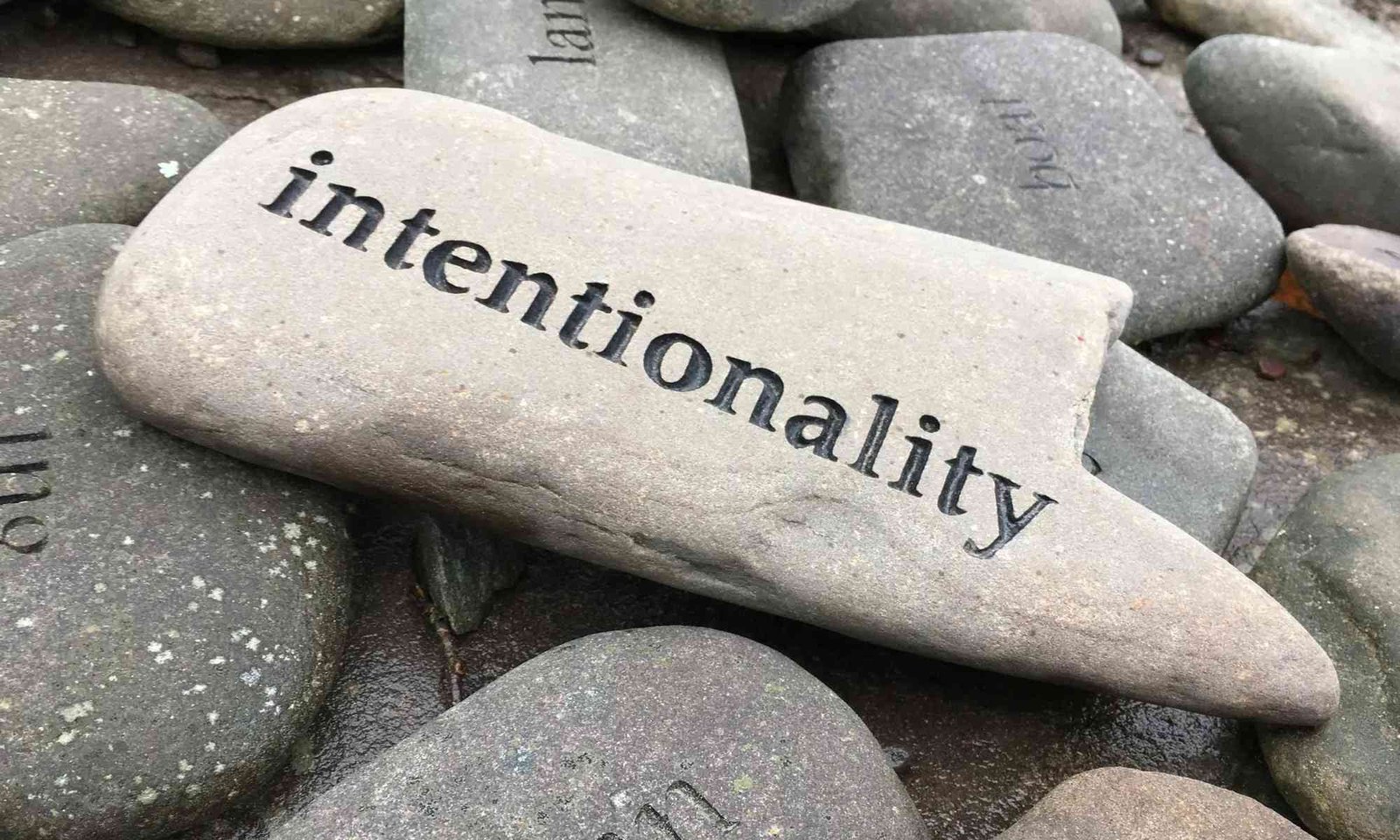
Intentionality is a multifaceted concept with deep roots in philosophy and psychology. At its core intentionality refers to the quality of being directed toward an object or an outcome yet it also explains how thoughts and actions gain meaning through this directedness. Philosophers such as Franz Brentano argued that mental states are always about something which makes intentionality a defining feature of human experience. This perspective helps clarify how people interpret the world and why their choices carry purpose rather than unfolding at random.
In everyday life being intentional means making choices with purpose and awareness. This practice encourages individuals to pause reflect and consider the long‑term impact of their actions. People who choose intentionally align their behavior with their values which reduces internal conflict and increases clarity. When choosing a career path for example an intentional person reflects on passions and strengths which leads to a more fulfilling direction. This approach reduces impulsive decisions because intentionality creates a buffer between stimulus and response.
Moreover intentionality plays a crucial role in personal growth. Setting clear actionable goals and pursuing them with intention supports self‑improvement and long‑term development. Acting intentionally fosters a mindset that encourages learning adaptation and resilience. A person may cultivate healthier habits by planning meals or scheduling exercise which shows how intentional choices create positive change. Over time these choices build momentum and help replace unhelpful habits with constructive ones. This steady progression strengthens a person’s confidence in their ability to shape their own development.
Additionally intentionality extends to relationships. Intentional communication involves expressing oneself clearly and purposefully which strengthens connection. By being conscious of our intentions we enhance understanding empathy and emotional safety. This awareness prevents misunderstandings because individuals become more mindful of how their words and actions affect others. Intentionality also guides people to invest in relationships that align with their values which leads to deeper bonds and more meaningful interactions.
The Benefits of Living with Intentionality
Embracing intentionality in one’s life yields numerous benefits that profoundly impact various aspects of daily existence.
- Foremost among these is improved focus. Individuals who practice intentional living often discover a heightened ability to concentrate on their goals and prioritize tasks. By clearly defining what they want to achieve they reduce distractions and channel their energy toward meaningful activities. For example a professional who takes time to set intentional work objectives frequently finds their productivity significantly increases which enables them to accomplish more in less time. This clarity of focus also reduces stress because individuals no longer feel pulled in conflicting directions.
- Increased productivity is another key advantage of leading an intentional life. When people adopt a purpose‑driven mindset they tend to operate more efficiently and align their actions with their long‑term aspirations. A compelling illustration of this can be seen in an entrepreneur who through intentional planning and execution of their vision successfully scales their business while maintaining autonomy over personal goals and values. Intentionality helps eliminate unnecessary tasks which frees up time for activities that genuinely matter. This creates a sense of progress that reinforces motivation and strengthens discipline.
- Additionally intentionality contributes to enhanced relationships. When individuals approach their interactions with purpose they are more likely to cultivate deeper connections with others. This may involve dedicating quality time to family or being more mindful during conversations with friends and colleagues. By consciously choosing where to invest their emotional energy people often experience greater fulfillment in their relationships which leads to stronger support systems. Intentionality also encourages healthier boundaries because individuals become more aware of which relationships nourish them and which drain them.
- Furthermore the pursuit of living intentionally fosters greater personal growth. As individuals step out of their comfort zones to achieve their goals they embrace change adapt and learn new skills. This journey often brings about self‑discovery and empowerment as demonstrated by numerous case studies where individuals transformed their lives by committing to intentional living practices. Through this reflective process they not only achieve their objectives but often exceed their own expectations. Intentionality becomes a catalyst for transformation because it aligns daily actions with long‑term vision.
How to Cultivate Intentionality in Your Daily Life
To cultivate intentionality in daily life individuals can employ several practical strategies that promote a more centered and thoughtful approach to decision‑making.
- One of the initial steps is setting clear goals. Clearly defined goals provide direction and a sense of purpose. It is beneficial to break these goals down into manageable tasks which ensures they are not overwhelming and can be realistically achieved within a set timeframe. By establishing specific measurable attainable relevant and time‑bound goals individuals can focus their efforts and enhance their motivation. This structure also helps track progress which reinforces commitment.
- Another effective technique is practicing mindfulness. Mindfulness involves being fully present in the moment and aware of one’s thoughts and feelings without judgment. Engaging in mindfulness practices such as meditation or deep‑breathing exercises can greatly enhance self‑awareness and help individuals make more conscious choices. Taking regular breaks throughout the day to engage in mindfulness can also reduce stress and improve overall well‑being. This presence of mind creates space for intentional action rather than automatic behavior.
- Prioritizing tasks is equally important in the quest for intentional living. By distinguishing between urgent and important tasks individuals can allocate their time more effectively. Utilizing tools such as to‑do lists or digital planners can aid in this prioritization process. Additionally adopting the habit of reviewing daily activities can foster a better understanding of how time is being spent and where adjustments might be necessary. This ongoing evaluation helps ensure that actions remain aligned with values rather than drifting toward convenience or habit.
- Lastly fostering a habit of reflection is crucial in cultivating intentionality. Regular reflection on one’s actions and decisions enhances self‑awareness which allows individuals to understand better their motivations and the impact of their choices. This process can lead to more thoughtful decision‑making in the future which aligns one’s actions with their core values and goals. Reflection also helps identify patterns that require change which supports continuous improvement. Through these strategies individuals can truly embrace intentionality which leads to a more meaningful and enriched life.
Overcoming Challenges to Intentional Living
- Living intentionally requires navigating obstacles that can easily derail focus. Modern environments are saturated with digital noise and constant demands on attention which makes it difficult to stay aligned with personal priorities. Setting boundaries around technology and creating protected time for reflection helps restore clarity and reinforces intentional choices. Without these boundaries individuals often fall into reactive patterns that undermine their goals.
- Societal expectations can also pull individuals away from their values. Pressure to conform or to meet external standards often leads to reactive decision‑making rather than deliberate action. Reconnecting with personal principles and surrounding oneself with people who respect those principles strengthens the ability to stay grounded and reduces the influence of external judgment. This alignment with personal truth becomes a stabilizing force that supports intentional living even in challenging environments.
- Internal barriers such as self‑doubt can further complicate intentional living. Doubting one’s direction or capacity can trigger procrastination and undermine confidence. Practicing self‑compassion acknowledging small wins and breaking goals into manageable steps helps maintain momentum without slipping into perfectionism. This internal support system becomes essential because intentionality requires sustained effort and emotional resilience.
Together these strategies counter the main challenges that make intentional living difficult. By managing distractions resisting societal pressure and addressing internal doubt individuals can pursue intentionality in a way that supports well‑being rather than draining it. Over time these practices create a stable foundation that allows intentional living to become a natural and sustainable way of life.
The Disadvantages of Living with Intentionality
- Living with intentionality can become mentally exhausting because it demands constant self‑monitoring. When every action is evaluated for alignment with long‑term values or goals daily life can start to feel like an endless audit rather than a natural flow. Instead of allowing spontaneity or ease a person may feel pressure to justify even small decisions which creates cognitive fatigue. Over time this vigilance can erode enjoyment and make ordinary routines feel heavier than they need to be. The constant evaluation can also reduce creativity because individuals may fear making choices that fall outside their predefined framework.
- Another disadvantage is the risk of rigidity. Intentional living encourages clear priorities and structured choices yet it can unintentionally narrow a person’s openness to new experiences. When someone becomes too focused on staying aligned with a chosen path they may overlook opportunities that fall outside their predefined framework. This rigidity limits creativity reduces adaptability and makes it harder to respond gracefully when life shifts in unexpected ways. It can also create tension when unexpected opportunities arise because the individual may feel torn between spontaneity and adherence to their plan.
- Intentionality can also amplify feelings of guilt or inadequacy. Because the philosophy emphasizes purposeful action any deviation – procrastination indulgence or simply choosing rest – can feel like a personal failure. Instead of offering empowerment intentional living can morph into a perfectionistic standard that is impossible to meet consistently. This emotional burden undermines well‑being and creates a counterproductive cycle of self‑criticism. Individuals may begin to judge themselves harshly for not living up to their own expectations which erodes motivation and joy.
- Finally living with intentionality can strain relationships. When one person becomes highly focused on optimizing their time habits or environment it may clash with the more relaxed or spontaneous rhythms of others. Friends or partners might interpret this intentional focus as inflexibility or disinterest even when that is not the case. The result is social friction reduced shared experiences and a sense of isolation – an ironic outcome for a lifestyle meant to enhance meaning and connection. Over time this can create emotional distance because intentionality may be perceived as prioritizing goals over people.
What’s More



The posts in My Blog feature reflective, story-driven pieces rooted in personal and societal insights. The topics in My Interests explore abstract, philosophical ideas and their cultural and social impact. The lines in My Quotes share brief reflections that highlight clear insights shaped by lived experience. Subscribe to get Site Updates and be notified whenever new content is published.
👁️ 9,721 Views