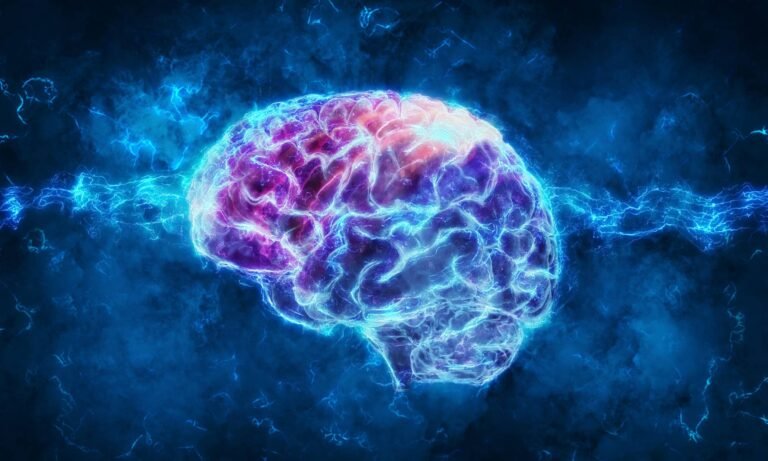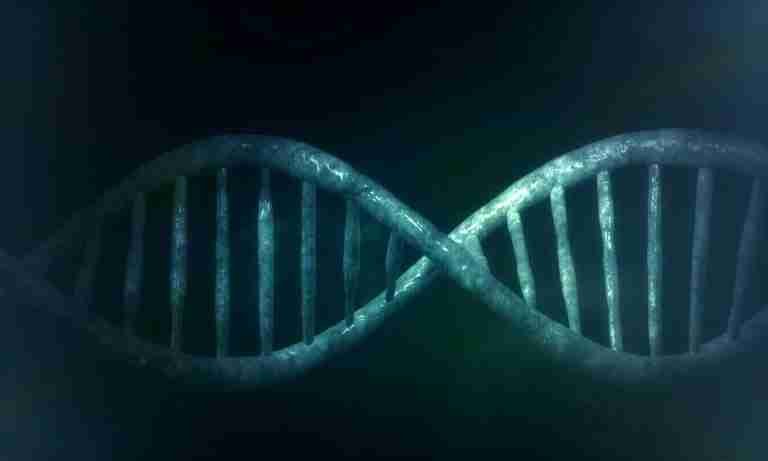


Mother Nature, the ultimate creator, provides beauty and resources that sustain life. Appreciating her creations deepens our connection with the environment and highlights the need for conservation. Pollution and deforestation threaten vital resources like clean air, water, and soil. Supporting conservation efforts honors nature’s gifts and preserves them for future generations. Mother Nature inspires resilience and sustainability, teaching us to protect the environment and live harmoniously with her creations.
Starring Joan Chen as Sky | Penelope Cruz as Water | Harrison Ford as Ocean | Liam Neeson as Ice | Edward Norton as Soil | Lupita Nyong’o as Flower | Lee Pace as Mountain | Robert Redford as Redwood | Julia Roberts as Mother Nature | Ian Somerhalder as Coral Reef | Reese Whiterspoon as Home | Shailene Woodley as Forest
By learning from her ability to adapt, we can foster sustainable living practices and ensure a healthier planet for all. Embracing these lessons allows us to coexist harmoniously with the natural world and contribute to its preservation. Recognizing our role as custodians of the Earth, we must take action to protect and nurture the environment for the well-being of all living beings.
Terra Shapes
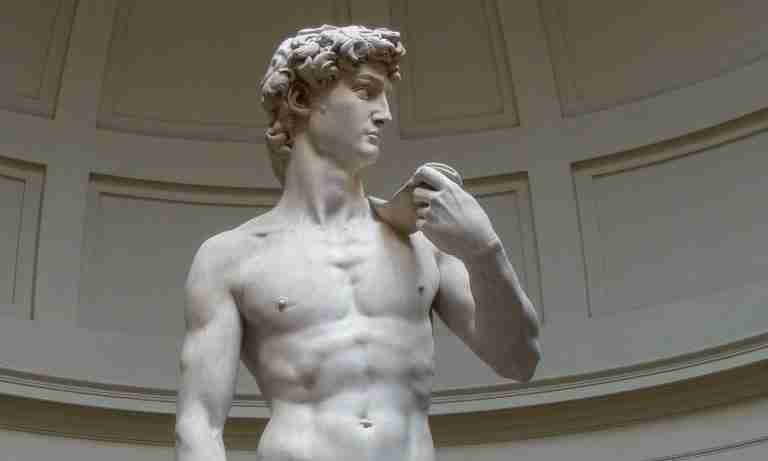
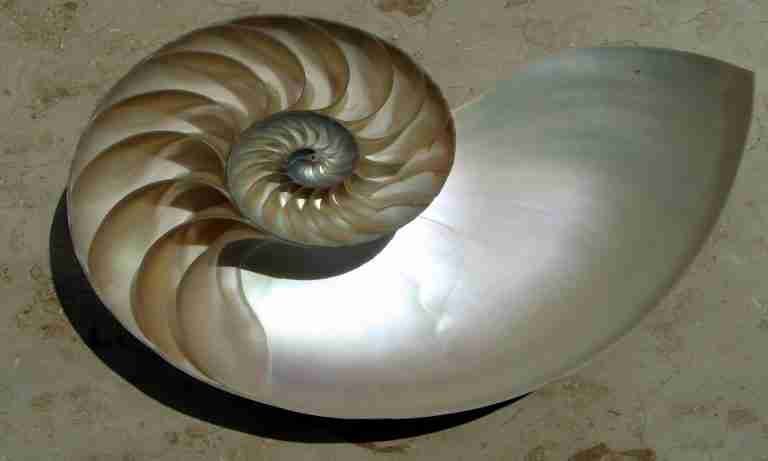
Terra shapes, or the physical forms that make up Earth’s surface, provide a visual representation of Mother Nature’s work. These shapes include valleys, hills, plains, and plateaus, each contributing to the diverse habitats we know today. The beauty of terra shapes lies in their formation; whether through erosion, volcanic activity, or sedimentation, they tell a story of Earth’s history. Understanding these shapes can enhance our appreciation of the world around us.

Greek Mythology
The first Greek god was actually the goddess Gaia, or Mother Earth, who created herself out of primordial chaos. From her fertile womb all life sprang, and unto Mother Earth all living things must return after their allotted span of life is over. As Mother Nature, Gaia personifies the entire ecosystem of planet Earth.
Mother Nature is always working to achieve and maintain harmony, wholeness and balance within the environment. Mother Nature heals, nurtures and supports all life on this planet and ultimately all life and health depend on it. Mother Nature heals all ills in time and the way of Gaia is the passive, feminine, Yin way of healing. All we need to do to regain our health is to return to the bosom of Mother Nature and live in accordance with its laws. The Gaia archetype underlies all notions of the nature cure and Gaia, as Mother Nature, is a healing goddess.
“Nature is not a place to visit. It is home.”
– Gary Snyder
She Creates & Destroys
Father Nature?
For centuries, humanity has referred to nature as Mother Nature, a concept rooted in mythology and ancient traditions. The comparison is easy to understand. Mothers share their own bodies to create life, provide nourishment for others, and offer shelter and protection to their children. In many ways, Earth does the same. Yet despite viewing nature as a mother figure, humanity continues to exploit, pollute, and abuse the very world that sustains it. This raises an uncomfortable question: has the image of an endlessly giving and forgiving mother encouraged us to take nature for granted?
What if we changed the title? What if, instead of Mother Nature, we began referring to nature as Father Nature? The term father is often associated with strength, toughness, authority, leadership, protection, discipline, resilience, and accountability. Traditionally, fathers have been expected to establish boundaries and enforce consequences. Nature itself seems to embody many of these traits. The Earth is not merely a nurturing provider. It is also a force of immense power. It rewards and punishes. It creates and destroys. Storms, droughts, earthquakes, floods, volcanic eruptions, and wildfires remind us that nature does not negotiate with human desires. It operates according to its own laws.
Would people view Earth differently if it were symbolized as Father Nature rather than Mother Nature? As men often respect other men, especially fathers, mentors, coaches, and other male authority figures, perhaps the image of Father Nature would inspire a different relationship with the natural world. Perhaps people would see nature less as an endless source of gifts and more as a powerful force deserving respect. Perhaps Father Nature could provide the discipline needed for humanity’s increasingly bratty, entitled, and ungrateful treatment of the planet. Could such a simple change in language create a new perspective of The Earth?
We may never know. At the same time, no single gender is likely to save the world. Environmental destruction is not the result of too much femininity or too much masculinity. It is the result of human choices and a growing disconnect from the natural world. Perhaps the larger problem is our tendency to force nature into categories that were never meant to contain it.

Let us think of nature as possibly a Hermaphrodite, possessing the ability to demonstrate the harmony and unity between the sexes as well as their combined strengths. Nature repeatedly shows that life does not always fit neatly into the categories humanity prefers. The natural world contains hermaphroditic plants, animals, and other organisms that blur the boundaries humans often insist upon. Some species can change sex during their lifetime. Rather than being exclusively male or female, nature reflects qualities traditionally associated with both: nurturing and discipline, creation and destruction, tenderness and strength.
Life is not simply black and white, good versus evil, or male versus female. Reality is far more complex than the labels we impose upon it. Whether we call it Mother Nature, Father Nature, or something else entirely, the real challenge remains the same: learning to respect the Earth before the Earth teaches us that lesson itself.
Greek Mythology (again)
In Greek mythology, Hermaphroditus was the son of Aphrodite and Hermes. He was born a remarkably handsome boy with whom the naiad (a type of female spirit or nymph) Salmacis fell in love and prayed to be united forever. In fact, her attempted rape of Hermaphroditus places her as the only nymph rapist in the Greek mythological canon. A god, in answer to her prayer, merged their two forms into one and transformed them into an androgynous form. Hermaphroditus’ name is compounded of his parents’ names, Hermes and Aphrodite and is the basis for the word Hermaphrodite -> Not to be confused with Intersex.
“If you truly love nature, you will find beauty everywhere.”
– Vincent van Gogh
Human’s Helping Hand
As modern society becomes more disconnected from nature, it is vital for humanity to recognize the importance of protecting and preserving our natural world. Every effort counts, and together we can create a more sustainable future.
- By adopting sustainable practices in our daily lives, we can significantly reduce our impact on the environment. Small changes, like using reusable bags and opting for public transportation, can lead to a healthier planet. Additionally, reducing waste by recycling and composting can help decrease landfill overflow and pollution. Making environmentally-conscious choices is essential for helping Mother Nature thrive.
- Another effective way to assist Mother Nature is by supporting conservation efforts. This includes donating to wildlife protection organizations, participating in local clean-up events, or gardening to encourage biodiversity. Engaging with community initiatives raises awareness of environmental issues and empowers others to take action.
- By teaching children and young adults about the importance of environmental stewardship, we can foster a culture of sustainability. This can be done through school programs, nature clubs, or even simple activities like nature walks and recycling projects. Encouraging young minds to appreciate and protect the environment ensures that future generations will continue to make eco-friendly choices, preserving the planet for years to come.
What’s More


The posts in My Blog feature reflective, story-driven pieces rooted in personal and societal insights. The topics in My Interests explore abstract, philosophical ideas and their cultural and social impact. The lines in My Quotes share brief reflections that highlight clear insights shaped by lived experience. Subscribe to get Site Updates and be notified whenever new content is published.
 Views11,439totalThanks for reading

 Personal
 Professional