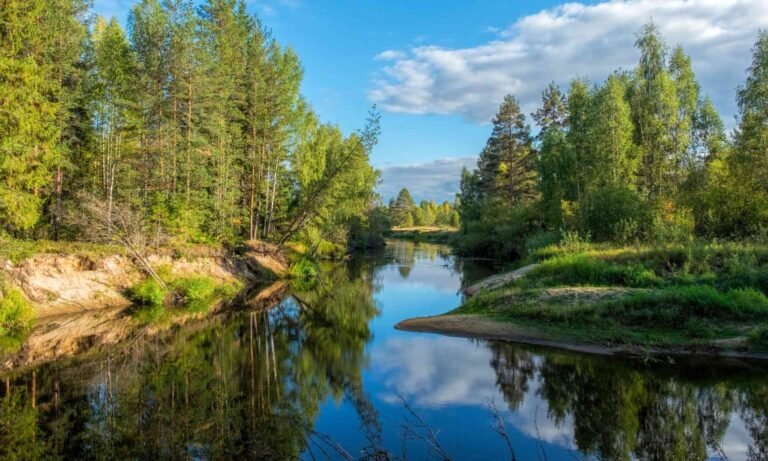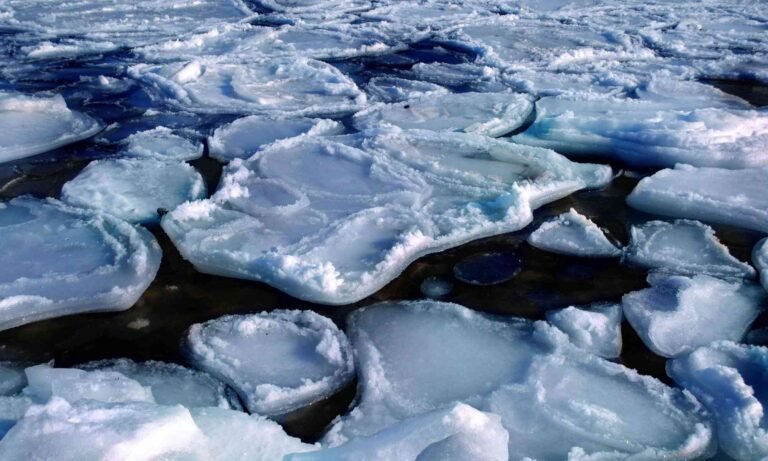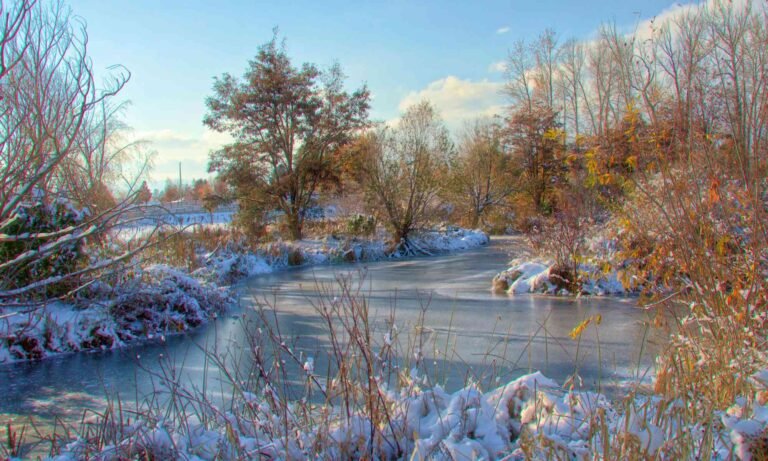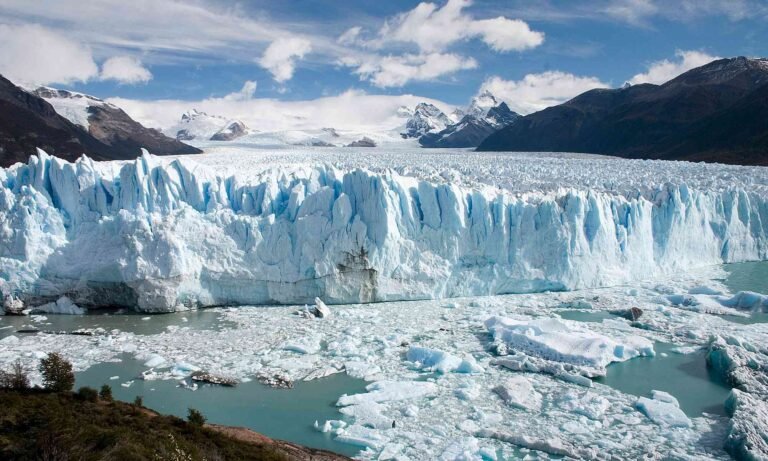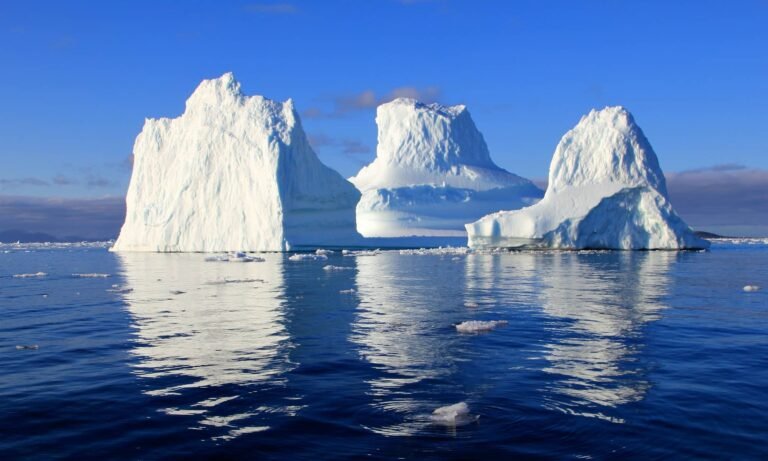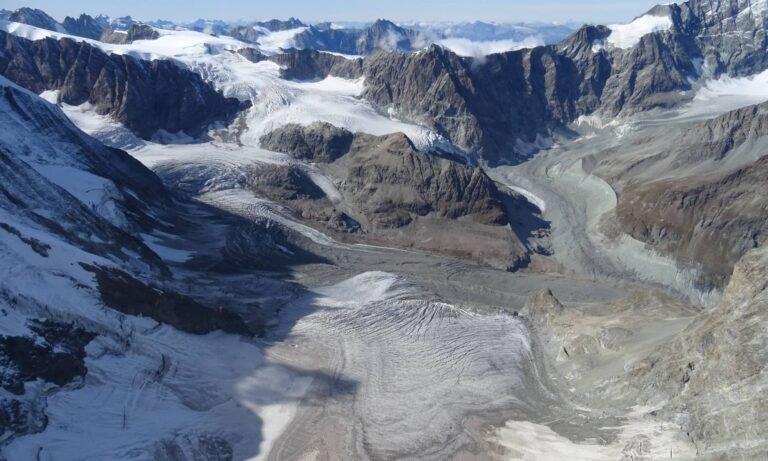


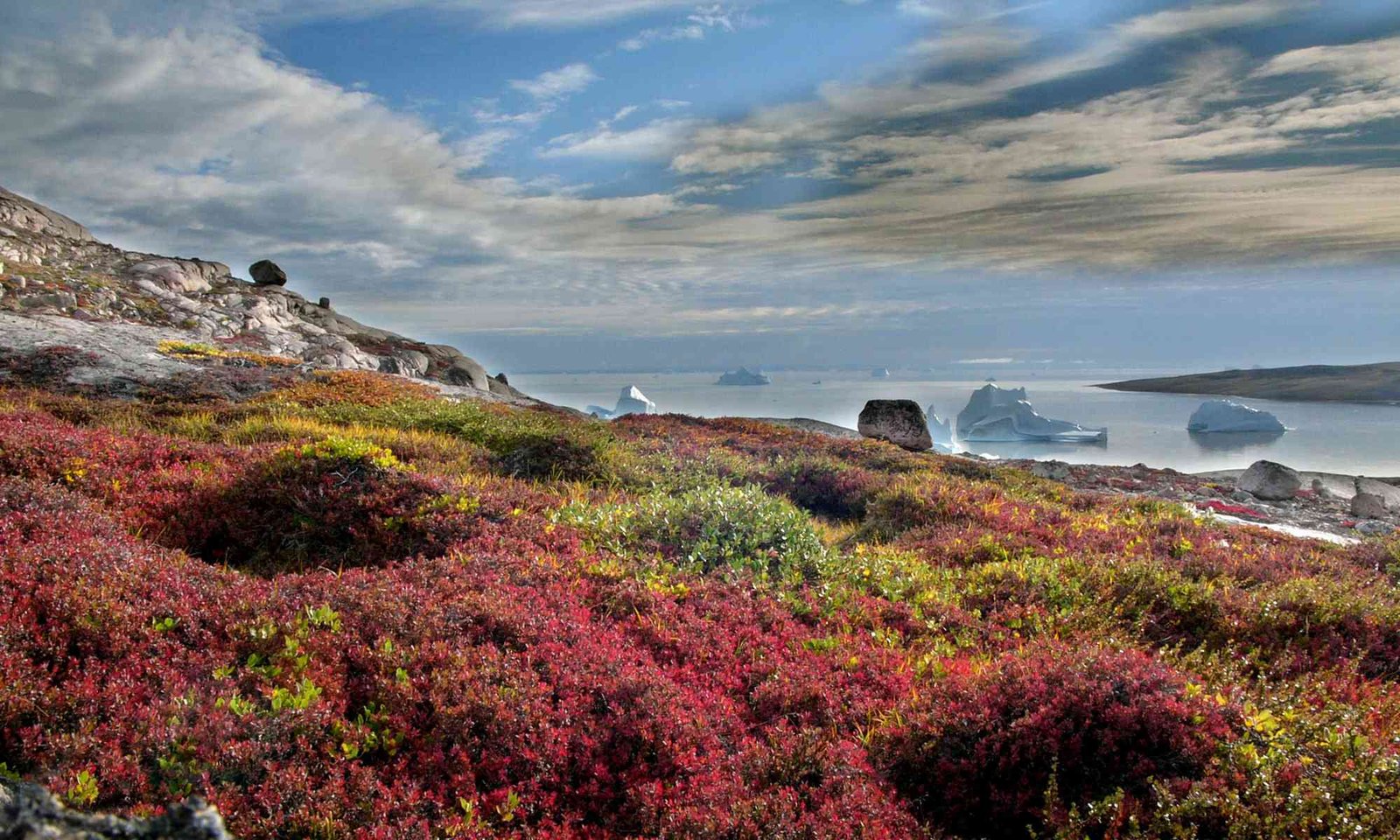
Tundra biomes are among the most distinctive and extreme ecosystems on Earth, characterized by their unique climatic conditions and vegetation. The term “tundra” originates from the Finnish word “tunturi,” meaning treeless plain. These biomes are commonly found in regions where the average temperature remains low and the growing season is limited, resulting in a landscape predominantly composed of mosses, lichens, and low shrubs.
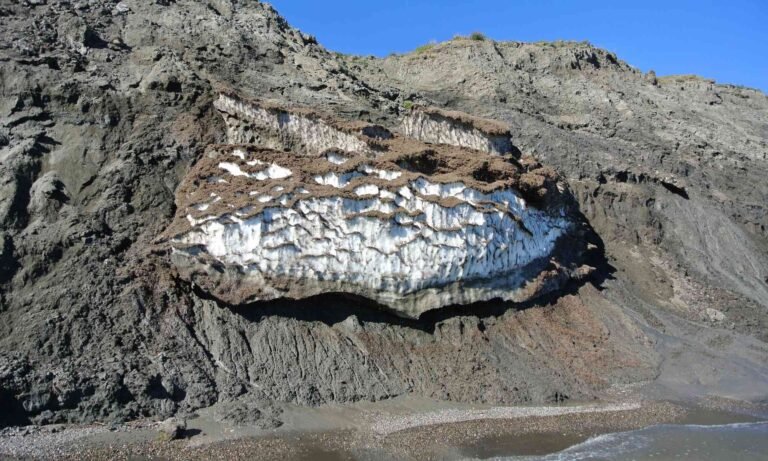
The climatic conditions of tundra biomes are defined by long, harsh winters and brief, cool summers. In the Arctic tundra, temperatures can plummet to -40 degrees Celsius during the winter months, while summer temperatures rarely exceed 10 degrees Celsius. Precipitation levels in these regions are relatively low, often less than 25 centimeters annually, primarily falling as snow. This combination of cold climate and minimal moisture contributes to the unique permafrost layer, a permanently frozen subsoil that characterizes the landscape.
Tundra biomes can be classified into two primary types: Arctic tundra and alpine tundra. Arctic tundra is located primarily in the circumpolar regions, encompassing vast areas across Alaska, Canada, Greenland, and Russia. This tundra experiences a continuous daylight period in summer, leading to a brief explosion of plant growth, while in contrast, the long winter nights can last for several months. On the other hand, alpine tundra is found at high elevations on mountains worldwide, where the conditions mimic those of the Arctic tundra. Although not as extensive as Arctic tundra, alpine regions provide unique habitats that vary significantly based on altitude and climate.
Overall, understanding tundra biomes is essential in appreciating the resilience of life in extreme environments. These ecosystems serve as critical indicators of climate change due to their sensitivity to warming temperatures, thus emphasizing the importance of preserving and studying these unique habitats.
Flora and Fauna of the Tundra
The tundra biome is characterized by its harsh climate, short growing seasons, and significant temperature variations, conditions in which only hardy flora and fauna can thrive. The primary vegetation includes dwarf shrubs, grasses, sedges, mosses, and lichens, which have all developed specialized adaptations. For instance, these plants tend to have shallow root systems that allow them to absorb moisture efficiently during the brief summer thaw and possess low growth forms that provide protection against strong winds and freezing temperatures. Additionally, many of these species produce antifreeze proteins to prevent cellular damage from freezing.
Amongst the diverse plants, lichens stand out as particularly significant in tundra ecosystems. They are resilient organisms formed by a symbiotic association between fungi and algae, offering excellent insulation and shelter for various small animals. Mosses play a crucial role in soil formation and help retain moisture, further supporting the rich biodiversity encapsulated within the tundra.
The fauna of the tundra is just as remarkable, with animal species well-adapted to survive extreme conditions. Migratory birds, including snow geese and arctic terns, travel vast distances to take advantage of the nutrient-rich environments during the brief summer. Caribou, known for their extensive migrations, follow traditional routes to find food and breeding grounds, whereas the arctic fox employs a fascinating survival strategy by changing its coat from brown in summer to white in winter, ensuring effective camouflage in its surrounding landscape.
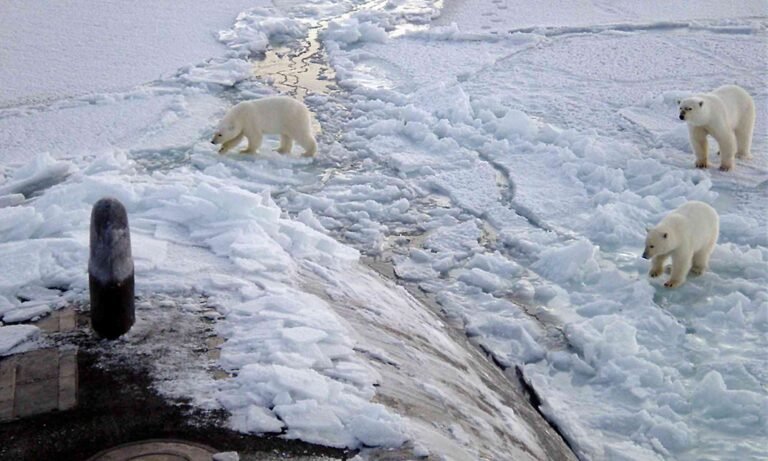
Arctic mammals, such as polar bears, also play a vital role in this ecosystem, relying on sea ice for hunting seals which constitute a primary food source. The unique adaptations of both flora and fauna illustrate how life in the tundra expertly navigates the challenges of a demanding environment, showcasing nature’s ingenuity in survival.
Impact of Climate Change on Tundra Ecosystems

The tundra, characterized by its cold climate and unique biodiversity, is undergoing significant transformations due to Climate Change. As global temperatures rise, the implications for tundra ecosystems become increasingly severe. One of the most alarming effects is the thawing of permafrost, which is a critical feature of these environments. The melting of permafrost not only alters the physical landscape but also releases methane, a potent greenhouse gas, further exacerbating climate change. This feedback loop poses considerable challenges for global climate systems.
Changes in temperature and precipitation patterns are reshaping tundra habitats, leading to the encroachment of woody plants and changes in plant species composition. These shifts can have cascading effects on the entire ecosystem, impacting both herbivores and the carnivores that depend on them. The alterations in habitat suitability may lead to a decline in some species while potentially encouraging the proliferation of others, thus affecting biodiversity in unpredictable ways.
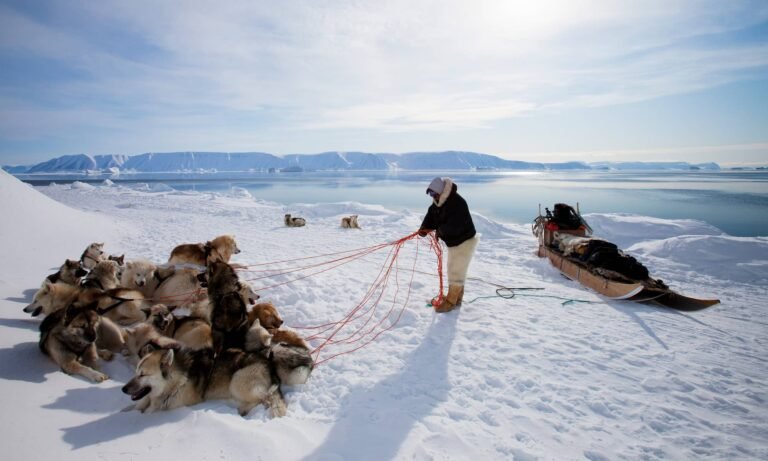
Furthermore, the socio-economic impacts on Indigenous communities residing in tundra regions cannot be overlooked. These communities rely heavily on the natural resources available in their environments, including wildlife for sustenance and traditional practices. As climate change alters the migratory patterns of animals and changes plant growth cycles, Indigenous peoples face challenges in accessing food and resources, threatening their cultural heritage and traditional knowledge. Addressing these challenges requires a comprehensive understanding of the vulnerabilities faced by tundra ecosystems, the implications of biodiversity loss, and the need for sustainable practices that respect and integrate Indigenous knowledge.
Conservation Efforts and Future Outlook for the Tundra
The preservation of tundra ecosystems has become increasingly critical as climate change threatens their delicate balance. Conservation strategies have emerged at both governmental and non-governmental levels aimed at safeguarding these environments. One notable initiative includes the establishment of protected areas, which help to mitigate human impact and preserve biodiversity. Programs like the Arctic National Wildlife Refuge and various national parks in regions traditionally associated with tundra are designed to serve as safe havens for vulnerable species and habitats.
Moreover, conservationists are working to involve local Indigenous communities in stewardship programs. These partnerships leverage traditional ecological knowledge, enhancing the effectiveness of conservation strategies while also promoting a sustainable relationship with the land. Educational outreach is vital, as raising awareness about the significance of tundra ecosystems can galvanize public support for protective measures.
However, the future of the tundra is not without challenges. Ongoing environmental changes, such as rising temperatures, shifting precipitation patterns, and permafrost thawing, present numerous hurdles for conservation efforts. These factors lead to habitat loss, changes in species distribution, and increased vulnerability to invasive species. Consequently, adaptive management strategies are essential. This involves continuous monitoring, research, and flexibility in conservation approaches to respond effectively to the dynamic nature of these ecosystems.
To foster a sustainable future for tundra ecosystems, it is crucial to integrate climate change mitigation strategies with local conservation efforts. Promoting sustainable practices, such as reducing carbon footprints and advocating for renewable energy sources, can aid in combating climate change’s impacts on the tundra. Collaborative efforts from global communities, scientists, policymakers, and local stakeholders are necessary to ensure the resilience and survival of this unique ecosystem. Addressing these challenges head-on will be vital for the long-term conservation of the tundra and the diverse life it supports.
The Tundra as a Lens Into Earth’s Changing Future

The tundra biome stands as one of The Earth’s most compelling examples of ecological resilience, shaped by millennia of adaptation to extreme cold, limited resources and short growing seasons. From its distinctive vegetation and highly specialized wildlife to the cultural traditions of Indigenous communities, the tundra illustrates how life can flourish even under the most demanding conditions. Each component – climate, flora, fauna, and human presence – interacts in a delicate balance that defines the identity of these northern and alpine landscapes.
Yet this balance is increasingly under strain. Climate change, with its accelerating impacts on temperature, precipitation, and permafrost stability, is reshaping tundra ecosystems at an unprecedented pace. Species distributions are shifting, habitats are transforming, and long‑standing ecological relationships are being disrupted. These changes extend beyond environmental concerns, affecting the livelihoods, cultural practices, and food security of Indigenous peoples who have stewarded these regions for generations.
The future of the tundra will depend on the choices made today. Conservation efforts, sustainable development strategies, and global climate mitigation initiatives must work in concert to protect these fragile ecosystems. Integrating scientific research with traditional ecological knowledge offers a powerful pathway toward informed, adaptive management. At the same time, public awareness and international cooperation remain essential in addressing the broader forces driving environmental change.
Ultimately, the tundra serves as both a warning and an inspiration. Its rapid transformation highlights the urgency of global climate action, while its enduring resilience reminds us of nature’s capacity for adaptation. Preserving the tundra is not only about safeguarding a unique biome – it is about understanding our planet’s interconnected systems and recognizing our responsibility to protect them for future generations.
What’s More



The posts in My Blog feature reflective, story-driven pieces rooted in personal and societal insights. The topics in My Interests explore abstract, philosophical ideas and their cultural and social impact. The lines in My Quotes share brief reflections that highlight clear insights shaped by lived experience. Subscribe to get Site Updates and be notified whenever new content is published.
👁️ 8,807 Views