

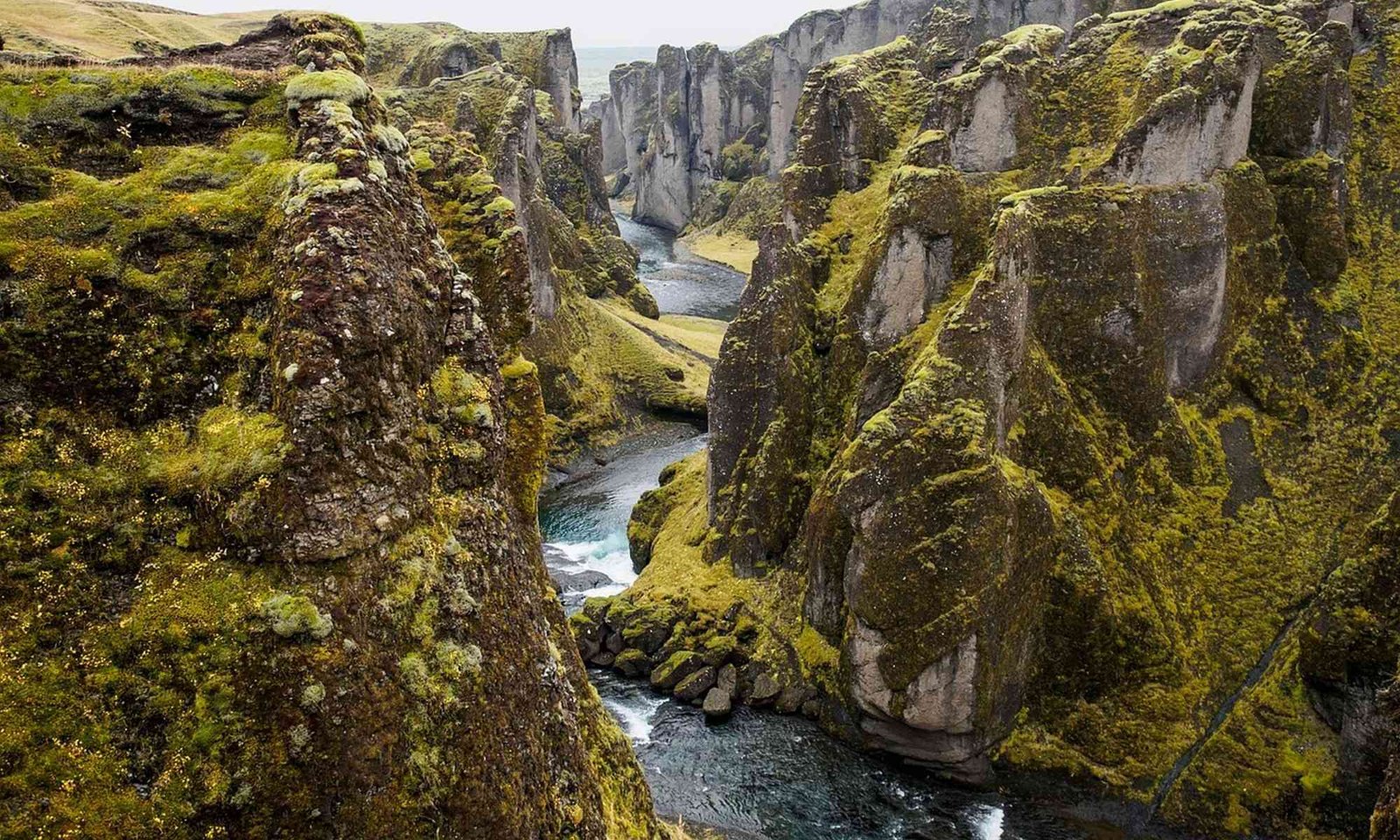
Tectonic plates are enormous slabs of lithosphere that interlock with one another, creating the outermost layer of the Earth. These plates vary in size, with some as large as continents, while others are considerably smaller. Collectively, tectonic plates cover the Earth’s surface, resembling an intricate jigsaw puzzle that is in constant motion. The lithosphere itself is composed of the crust and the uppermost portion of the mantle, characterized by its rigid, rocky nature. Beneath the lithosphere lies the asthenosphere, a semi-fluid layer which allows the tectonic plates to move due to convection currents.
The composition of tectonic plates primarily includes silica and minerals like feldspar and quartz, which contribute to their density and strength. Some plates contain oceanic crust, which is thinner and denser, while others are composed of continental crust, which is thicker and less dense. This difference in composition is significant as it influences the types of geological activity observed in various regions of the world.

The theory of plate tectonics has evolved significantly since its introduction in the early 20th century. Early pioneers, such as Alfred Wegener, proposed the idea of continental drift, suggesting that The Continents were once connected and have since moved apart. However, it was not until the mid-20th century that the scientific community began to accept the concept of tectonic plates, supported by evidence from ocean floor mapping, paleomagnetic studies, and earthquake patterns. Key contributions from scientists like Harry Hess and Frederick Vine further solidified this theory, leading to a comprehensive understanding of how tectonic plates function and interact.
Types of Tectonic Plate Boundaries
Tectonic plate boundaries are classified into three primary types: divergent, convergent, and transform boundaries. Each type plays a crucial role in shaping the Earth’s geological features and has distinct geological processes associated with them.
- Divergent boundaries occur when two tectonic plates move away from each other. This separation allows magma from the mantle to rise to the Earth’s surface, forming new crust. A notable example of a divergent boundary is the Mid-Atlantic Ridge, where the Eurasian Plate is moving away from the North American Plate. As the crust pulls apart, it leads to the formation of underwater volcanoes and features such as rift valleys.
- Conversely, convergent boundaries are formed when two plates collide, leading to one plate being forced beneath another in a process known as subduction. This interaction often creates mountain ranges, deep ocean trenches, and is frequently associated with significant seismic activity. A prime illustration is the boundary between the Indian Plate and the Eurasian Plate, where the Himalayan mountain range was formed. Along with mountain formation, these regions are prevalent with earthquakes due to the immense pressure that builds up over time.
- Lastly, transform boundaries occur where two plates slide past each other horizontally. The friction and stress generated by this lateral movement can cause earthquakes. The San Andreas Fault in California is a well-known example of a transform boundary, representing the interaction between the Pacific Plate and the North American Plate. These boundaries do not typically create volcanic activity as in divergent or convergent boundaries; however, they are critical to understanding seismic movements in certain regions.
Each type of tectonic plate boundary significantly influences geological features on Earth. Understanding these processes is vital for comprehending the dynamic nature of our planet’s surface.
The Impact of Plate Tectonics on Earth’s Geography

Plate tectonics plays a pivotal role in shaping the physical geography of The Earth. The interaction of tectonic plates is responsible for a multitude of geographical phenomena, leading to the formation of various landforms.
- The movement of these plates can result in the creation of mountains, valleys and ocean basins. For instance, the Himalayas, which house the world’s highest peaks, were formed through the collision of the Indian and Eurasian plates, highlighting how convergent boundaries can create significant elevation changes.
- In addition to mountain building, plate tectonics is also influential in the development of rift valleys. The East African Rift is a prime example, where the Afar Triangle is actively splitting apart and giving rise to a series of valleys and lakes. This process demonstrates how divergent boundaries lead to geographic expansion and changes in the landscape over time.
- Volcanic activity is another major consequence of tectonic movement. Subduction zones, where one plate is forced under another, are hotspots for volcanic eruptions. The Pacific Ring of Fire exemplifies this phenomenon, as it encircles the Pacific Ocean and contains numerous active volcanoes. The frequent eruptions in this region create new landforms and contribute to the geographic diversity of surrounding landscapes.
- Earthquakes are yet another consequence of tectonic plate interactions. Transform boundaries, such as the San Andreas Fault in California, highlight the tension that builds up between sliding plates, resulting in seismic activity. The geographical locations affected by earthquakes are often reshaped dramatically and can lead to further exploration and study of Earth’s structural dynamics.
Plate Tectonics and the Future of Human Civilization
The future of human civilization will be shaped not only by technological progress and social evolution but also by the slow, persistent forces operating beneath Earth’s surface. Plate tectonics, though unfolding on geological timescales, will continue to influence the environments in which societies develop, the risks they must manage, and the opportunities they can exploit. Understanding these long-term processes is essential for anticipating the conditions that future generations will inherit.
- As continents drift, the configuration of landmasses and oceans will gradually transform global climate patterns. Shifts in ocean circulation, driven by the opening or closing of seaways, can alter temperature distributions and precipitation regimes across entire regions. These changes may redefine agricultural zones, reshape ecosystems, and influence the habitability of areas currently supporting large populations. While these transformations occur slowly, their cumulative effects will require societies to adapt their infrastructure, resource management strategies, and settlement patterns.
- Tectonic activity will also continue to generate natural hazards that challenge human resilience. Earthquakes, volcanic eruptions, and tsunamis will remain persistent threats, particularly in regions where population density intersects with active plate boundaries. As urbanization expands into geologically dynamic areas, the importance of robust engineering standards, early-warning systems, and long-term risk planning will only increase. Future civilizations will need to integrate geological awareness into their development models to ensure stability and safety.
- In addition, the movement of tectonic plates will influence the distribution of natural resources essential for technological and economic advancement. Mineral deposits formed through subduction, rifting, and mountain-building processes will continue to shape global supply chains. Access to these materials may affect geopolitical relationships, economic competitiveness, and the strategic priorities of nations. Societies that understand the geological origins and future availability of these resources will be better positioned to navigate the challenges of a changing world.
Ultimately, the future of human civilization will be intertwined with the deep-time processes that govern Earth’s structure. While plate tectonics operates far beyond the scale of human lifespans, its effects accumulate in ways that shape the opportunities and constraints faced by societies. Recognizing this connection allows for more informed planning, greater resilience, and a clearer understanding of the long-term forces that will influence humanity’s trajectory.
Plate Tectonics and its Role in Earth’s Evolution
Plate tectonics is the engine that keeps Earth geologically alive. Without the slow circulation of the planet’s crust, Earth would resemble a static world like Mars – cold, inert, and lacking the continuous renewal that supports long-term habitability. The shifting of plates drives processes that maintain Earth’s atmosphere, recycle essential elements, and regulate the planet’s temperature over millions of years.
- One of the most significant contributions of tectonics is its role in sustaining the carbon cycle. When plates subduct, they carry carbon-rich sediments into the mantle, where part of that carbon is later released through volcanic activity. This exchange acts as a planetary thermostat, preventing runaway greenhouse conditions or permanent global freezing. Over geological timescales, this feedback system has helped keep Earth within a temperature range that supports complex life.
- Tectonic motion also shapes the diversity of Earth’s landscapes. Continents assemble into supercontinents and eventually break apart, creating new coastlines, rift valleys, and ocean basins. These transformations influence the evolution of life by opening migration pathways, isolating ecosystems, and generating new environmental pressures. Many major evolutionary transitions – from the spread of early plants to the diversification of mammals – were influenced by tectonic rearrangements.
- The interaction of plates with Earth’s interior further affects magnetic field generation. Although the magnetic field originates in the core, the cooling of the planet – regulated partly by plate tectonics – helps sustain the convection that powers the geodynamo. Without this protective magnetic shield, Earth’s surface would be exposed to intense solar radiation, stripping away the atmosphere and damaging biological systems.
Looking ahead, tectonics will continue to reshape the planet in ways that extend far beyond human timescales. New mountain belts will rise, oceans will shift, and continents will migrate toward new configurations. These changes will influence climate, biodiversity, and the long-term stability of Earth’s surface environment. Understanding these deep processes provides insight into how Earth maintains its habitability and how it will continue to evolve long after current civilizations have passed.
What’s More



The posts in My Blog feature reflective, story-driven pieces rooted in personal and societal insights. The topics in My Interests explore abstract, philosophical ideas and their cultural and social impact. The lines in My Quotes share brief reflections that highlight clear insights shaped by lived experience. Subscribe to get Site Updates and be notified whenever new content is published.
👁️ 5,115 Views