


Geographical Diversity
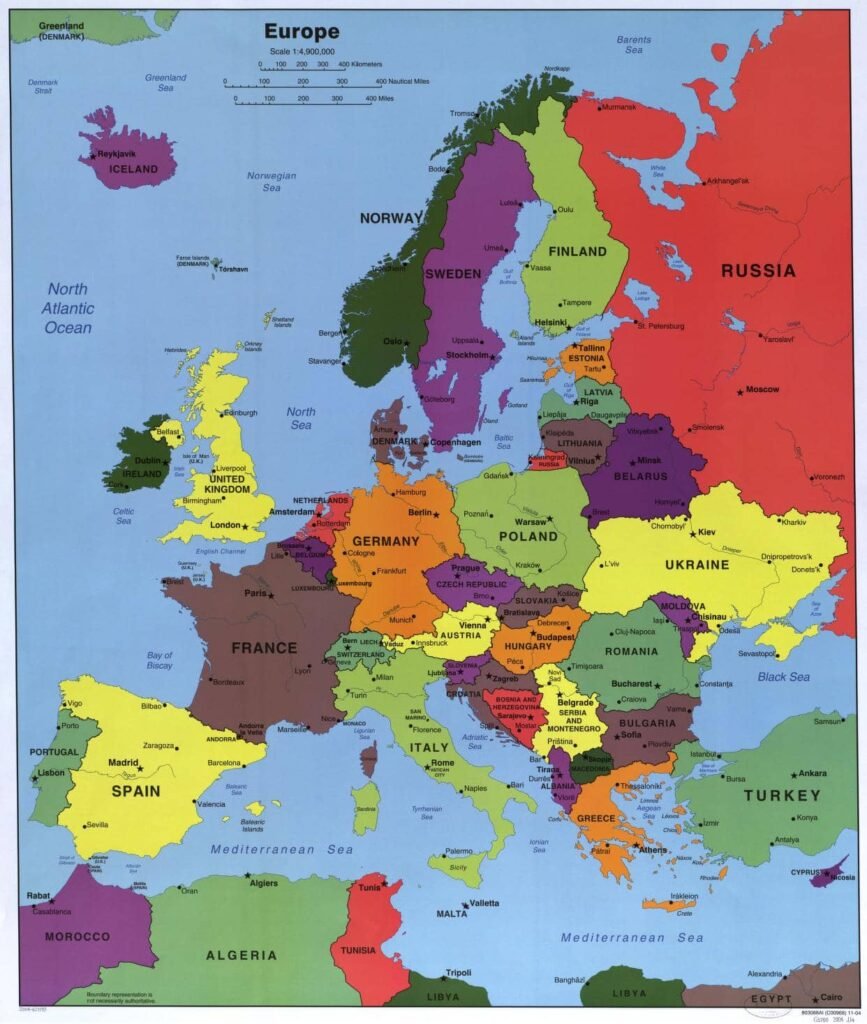
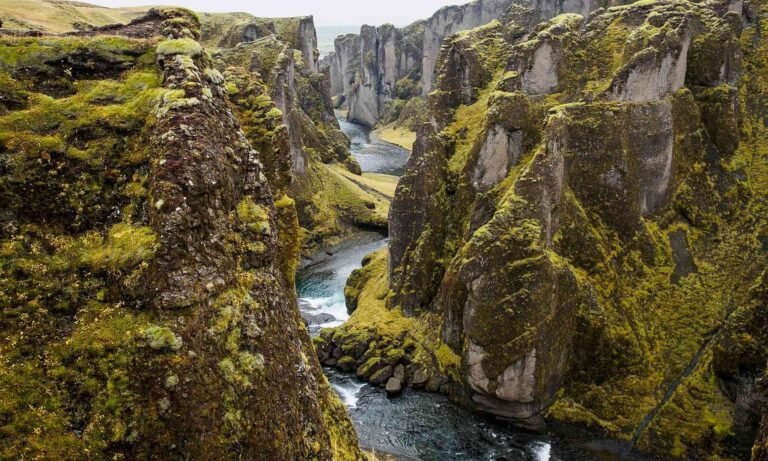
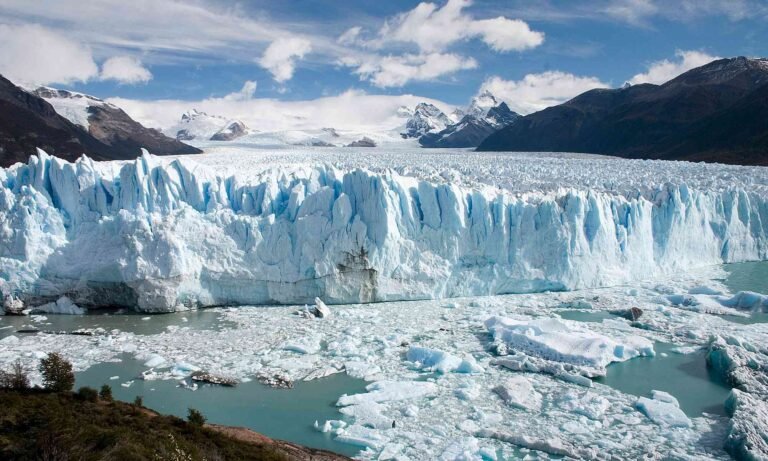
Europe is renowned for its geographical diversity, characterized by a remarkable array of physical features that contribute to the continent’s distinctive landscapes and climates. Among these features, the towering mountain ranges, expansive rivers, and sprawling plains play essential roles in shaping the environment and ecosystem of this vibrant continent.
One of the most prominent geological features is the Alps, which stretch across several countries and serve as a natural barrier and climate divide. This mountain range influences weather patterns, creating a notable contrast between the temperate climates of Western Europe and the continental climates found further east. Similar geographical formations, such as the Carpathians and the Pyrenees, also contribute to regional biodiversity, hosting unique plant and animal species adapted to these rugged terrains.
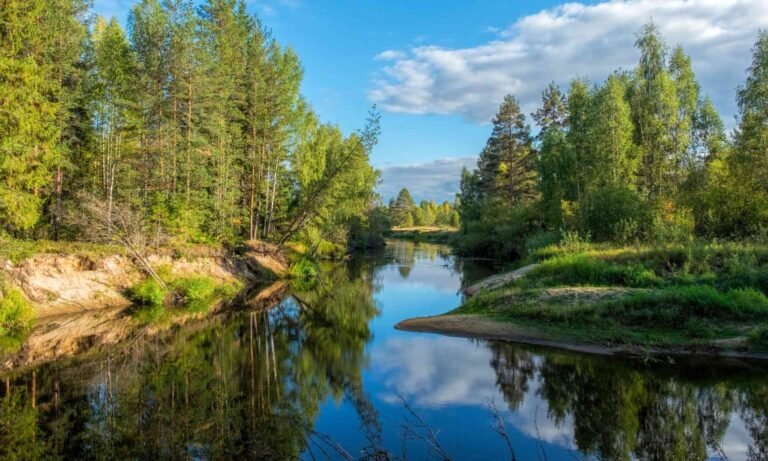
Rivers such as the Danube and the Rhine provide not only vital water resources but also essential transportation routes that support trade and cultural exchange. These waterways are significant in both historical and contemporary contexts, fostering economic connectivity while sustaining diverse ecosystems along their banks. Furthermore, the wide plains found in regions such as the Northern European Plain allow for extensive agriculture, which supports the economy and sustains the population.
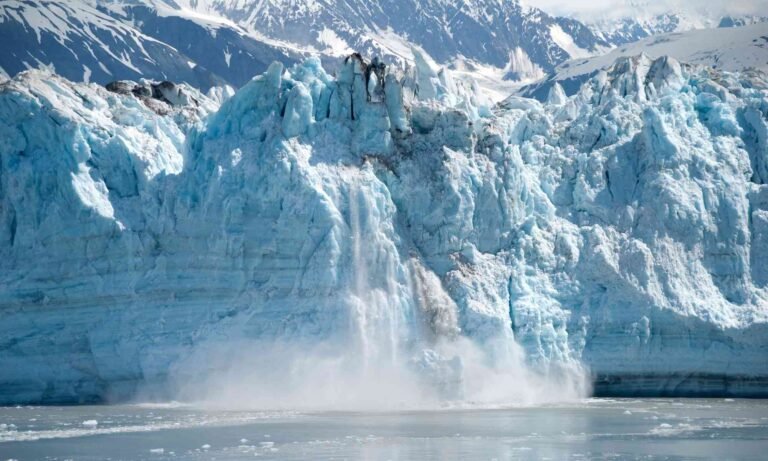
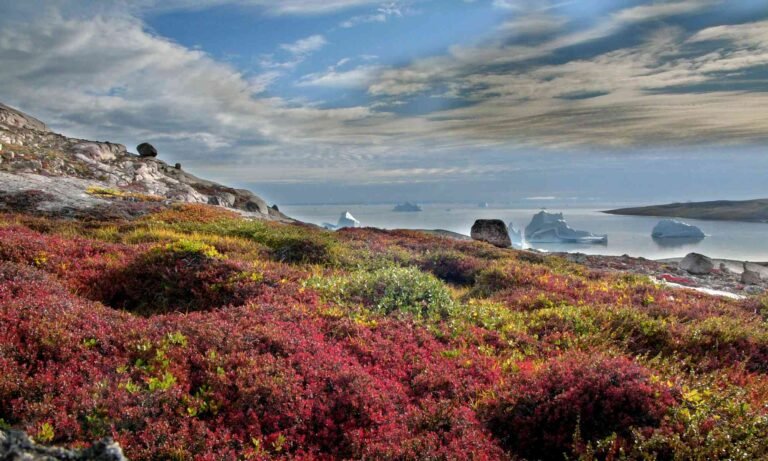
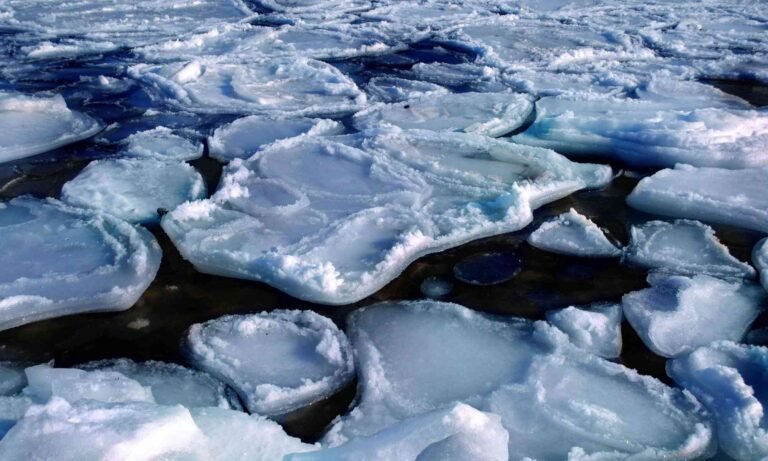
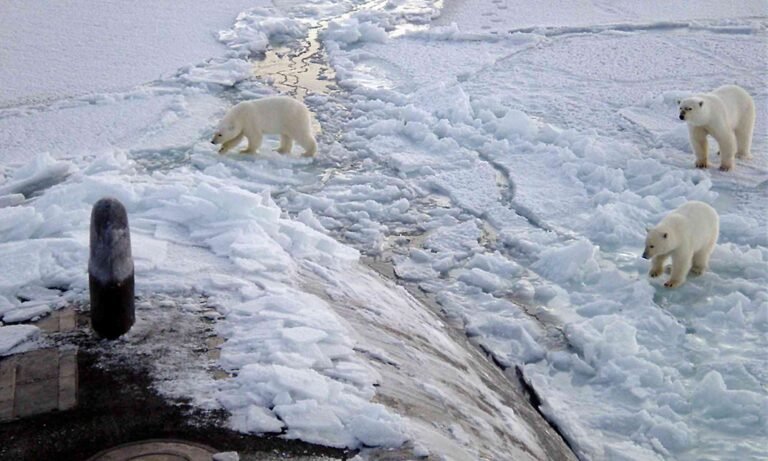
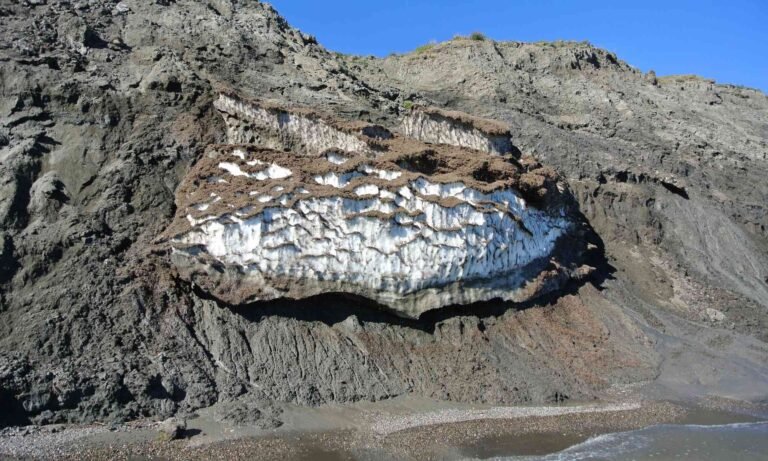
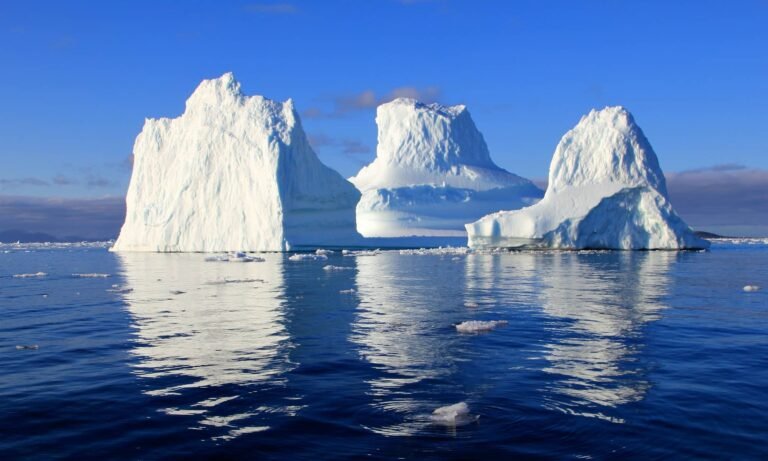
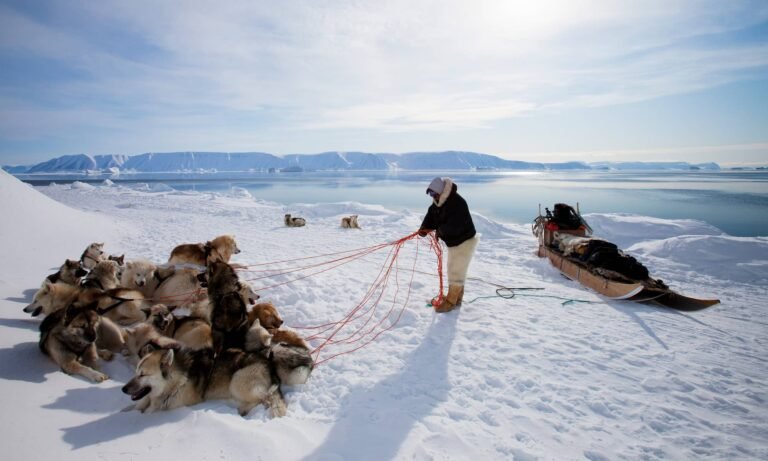
The climatic conditions across Europe are equally diverse, directly influenced by its geographical layout. In the Mediterranean regions, mild winters and hot, dry summers underpin flourishing ecosystems, while the Arctic tundra of northern Europe is marked by colder temperatures and unique flora and fauna. Such contrasts in climate and topography pave the way for an incredible variety of biodiversity across the continent, making Europe a rich tapestry of environmental wonders.
Languages, Traditions and Festivals
Europe is renowned for its rich cultural diversity, which is vividly expressed through the multitude of languages spoken across the continent. This diversity reflects centuries of migration, interaction, and cultural evolution that continue to shape European identity today. It also fosters a vibrant exchange of ideas that enriches social and cultural life across the region.
- From the Romance languages like Spanish, Italian, and French to the Germanic languages such as English and Dutch, the linguistic landscape of Europe is both intricate and captivating. Over 200 languages are spoken among the various nations, each representing a unique view of the world shaped by centuries of history.
- In addition to languages, the traditions and customs of European nations are equally diverse. Each country boasts its own unique cultural practices, which often reflect its historical influence and social structure. For instance, the custom of enjoying a traditional afternoon tea in the United Kingdom contrasts sharply with the vibrant street markets in Italy, known for their culinary delights, such as fresh pasta and artisan cheeses. Furthermore, the blending of ancient rituals with modern lifestyles creates a dynamic cultural scene where old meets new.
- Festivals are an essential aspect of European cultural heritage, showcasing this diversity through vibrant celebrations. Events like Oktoberfest in Germany, La Tomatina in Spain, and the Edinburgh Festival Fringe in Scotland highlight the continent’s joyful spirit and communal values. Each festival presents a unique narrative, often combining music, dance, and art, which allows both locals and tourists to connect with the cultural fabric of the region.
- Culinary experiences also play a pivotal role in expressing cultural identity in Europe. Each country has its own traditional dishes, influenced by local ingredients, historical trade routes, and culinary innovations. Whether it is the exquisite pastries of France or the hearty stews of Eastern Europe, food acts as a conduit for storytelling and cultural exchange.
Ultimately, while the cultural heritage of European nations is incredibly varied, it remains interconnected through shared histories and common values. This cultural tapestry not only enriches the lives of Europeans but also offers an inviting experience for those exploring the continent. Together, these connections create a sense of unity that strengthens Europe’s cultural landscape.
Landmarks and Events
Europe is a continent richly woven with a history that has significantly influenced its cultural and political landscapes. Stretching back to ancient civilizations such as the Greeks and Romans, Europe is home to numerous landmarks that celebrate its historical journey. The ruins of the Colosseum in Rome and the Acropolis in Athens stand as testimonies to the architectural and philosophical advancements that arose during antiquity, laying foundations for modern governance and ethics.
Throughout the Middle Ages, Europe witnessed significant transformations, most notably during the Renaissance era, which birthed innovations in art, science, and literature. Iconic cities like Florence boast magnificent Renaissance architecture, including the renowned Florence Cathedral. This era not only marked a revival of classical scholarship but also established Europe’s position as a center of cultural influence that persists to this day. Major historical events, including the Reformation and the Age of Exploration, further shaped European identity, leading to expansions and shifts in power dynamics.
The continent’s tumultuous periods, marked by the devastation of the World Wars, have left indelible marks on Europe’s collective memory. Significant sites such as the Berlin Wall serve as poignant reminders of the political struggles and the eventual reunification that followed. Furthermore, UNESCO World Heritage Sites play a crucial role in commemorating Europe’s multifaceted heritage, such as the fortified city of Dubrovnik or the ancient town of Perth, which echo the narratives of destruction and resilience throughout history.
Colonialism’s impact also cannot be overlooked, as it forged connections between Europe and far-flung territories, reshaping societal structures and economies. The complexities of these interrelations are still felt in today’s geopolitical climate, highlighting Europe’s historical significance in shaping global narratives. Such landmarks and events not only illuminate the continent’s past but also unite its diverse cultures under a shared legacy.
Cities, Economy and Lifestyle
Contemporary Europe is a fascinating tapestry of vibrant cities, dynamic economies, and diverse lifestyles. Major urban centers such as London, Paris, Berlin, and Rome not only serve as cultural beacons but also as pivotal economic hubs. London, for instance, continues to be a global financial powerhouse, attracting talent and investment from around the world. Meanwhile, Paris is renowned for its art, gastronomy, and fashion, solidifying its status as a leading global city. Berlin, with its unique blend of history and modernity, has emerged as a startup capital, reflecting the innovative spirit of post-reunification Germany. Lastly, Rome seamlessly intertwines its millennia-old heritage with contemporary living, appealing to both residents and tourists alike.
The influence of globalization on European economies cannot be understated. Many countries have adapted their industries to remain competitive on the global stage, leading to economic growth and job creation in urban areas. This trend, however, is accompanied by challenges, including the complex interplay of immigration, housing shortages, and shifting labor markets. As cities grow, they grapple with the need for sustainable urban development while preserving their cultural heritage. This delicate balancing act is evident in numerous European cities where modern architecture coexists with historical landmarks, showcasing the blend of tradition and modernity.
In addition to economic transformations, contemporary lifestyle trends reflect how interconnected Europe has become. With increased mobility, residents often embrace multiculturalism, experiencing a rich tapestry of traditions and culinary delights from around the world. Social issues, such as the push for inclusivity and environmental sustainability, play a significant role in shaping public discourse. Moreover, urban living aspects, including transportation, green spaces, and smart city innovations, continue to evolve, driving cities towards a more integrated and sustainable future where the preservation of local identity remains paramount.
The European Union
The European Union is a political and economic union of 27 countries with a combined population of over 447 million people. It was built to secure long‑term peace and prosperity in Europe after the devastation of the Second World War, evolving from early economic cooperation into a broad system of shared governance. Its foundation rests on common values such as democracy, human rights, and the rule of law, which guide both internal policies and external actions.
Over time, the EU has developed a complex institutional structure that includes the European Commission, the European Parliament, the Council of the European Union, and the European Council, each with distinct roles in proposing, debating, and implementing legislation. These institutions allow member states to coordinate on issues ranging from trade and competition to environmental protection and digital regulation. The EU also maintains a single market that enables the free movement of goods, services, capital, and people across member states.
Recent years have brought significant challenges and geopolitical pressures. The EU continues to respond to Russia’s war of aggression against Ukraine, reaffirming its support for Ukrainian sovereignty and security. It also faces internal debates over migration, economic competitiveness, and the rise of Euroscepticism, all of which shape ongoing reforms and policy priorities. At the same time, the EU is expanding its global role, from climate leadership to regulating emerging technologies.
Despite these pressures, the EU remains a unique experiment in supranational cooperation. It blends national sovereignty with shared decision‑making, creating a framework that has helped maintain peace in Europe for decades. Its evolution continues as member states navigate new economic, technological, and security realities, demonstrating how regional integration can adapt to a rapidly changing world. This ongoing adaptability underscores the EU’s capacity to remain resilient and relevant in an increasingly complex global landscape.
What’s More



The posts in My Blog feature reflective, story-driven pieces rooted in personal and societal insights. The topics in My Interests explore abstract, philosophical ideas and their cultural and social impact. The lines in My Quotes share brief reflections that highlight clear insights shaped by lived experience. Subscribe to get Site Updates and be notified whenever new content is published.
👁️ 7,697 Views