

Definitions and Purpose
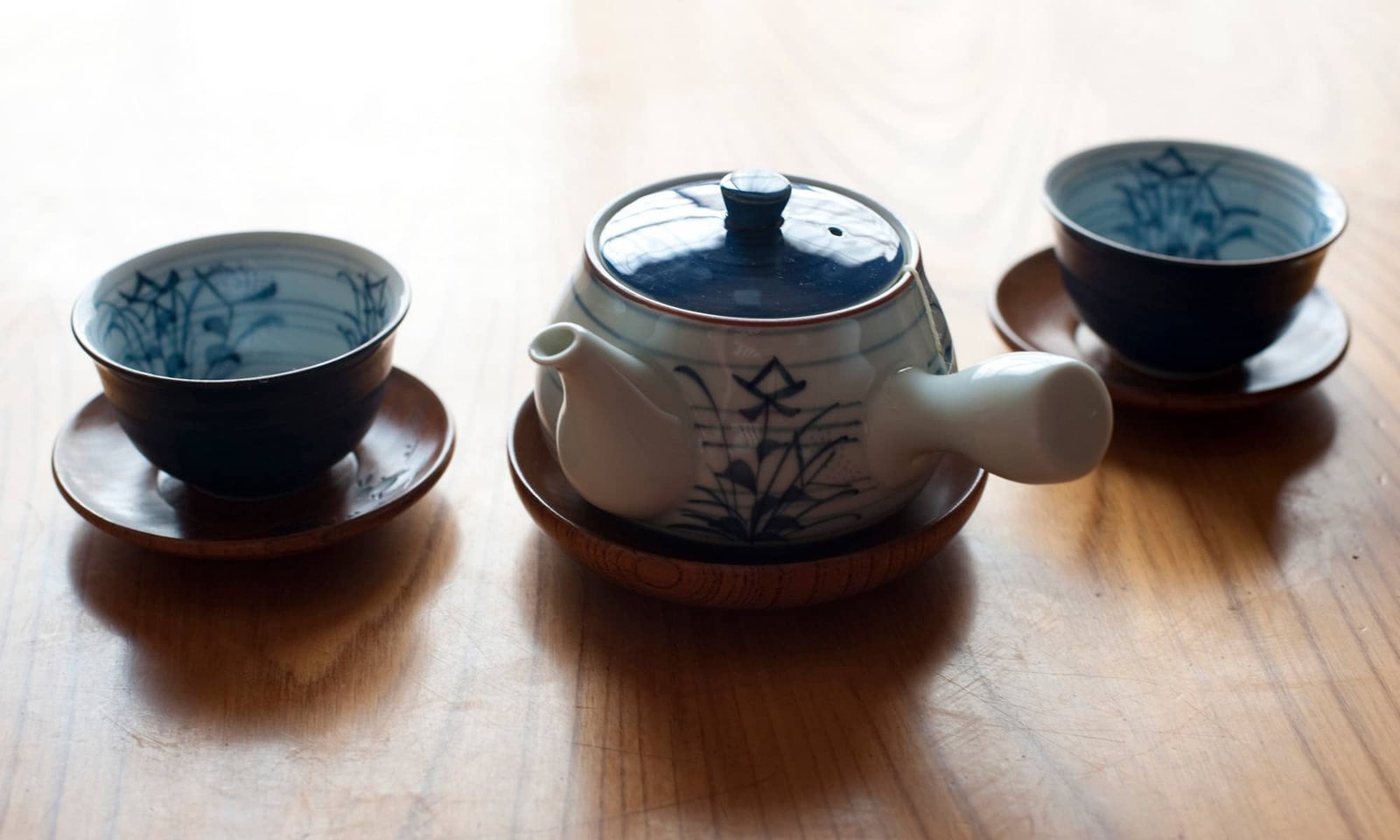
Rituals, often defined as prescribed actions or ceremonies performed in specific contexts, are integral components of human culture. They encompass a wide variety of practices ranging from religious ceremonies to personal traditions. Across different cultures, the interpretations of rituals may vary, yet they hold a common thread: the need to convey meaning and foster connections among individuals. In Our Society, these rituals continue to shape collective identity, reinforce shared values, and provide structure within both communal and personal life.

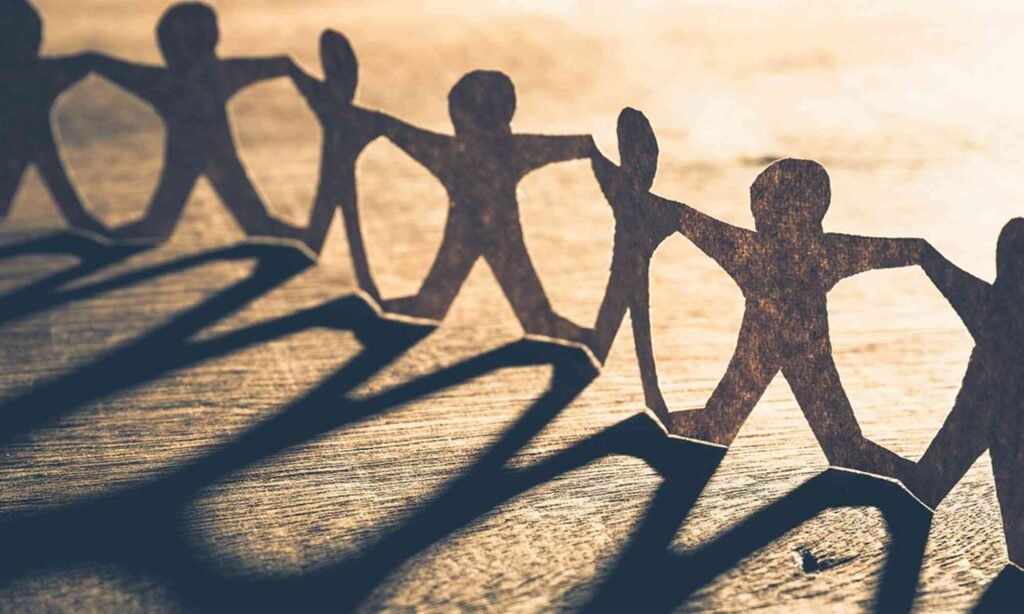
The primary purpose of rituals is to create a sense of Belonging. By participating in shared practices, individuals can develop a connection with their community, enhancing feelings of solidarity and mutual understanding. For instance, communal rituals such as weddings, funerals, and religious observances serve as crucial social functions, reinforcing the ties that bind individuals to one another. Through these rituals, participants not only affirm their group identity but also cultivate a shared history and collective memory.
Additionally, rituals often serve to mark significant transitions in a person’s life. These milestones can include events such as coming of age, marriage, or the death of a loved one. Each of these occasions is typically accompanied by specific rituals designed to honor the significance of the change, providing individuals and their communities with methods for processing emotions and navigating the complexities of life events.
Furthermore, rituals contribute to providing structure and meaning within both individual lives and broader societies. By establishing routines and expectations, rituals can foster a sense of security, particularly in times of uncertainty. Individuals often find comfort in predictable patterns, which can be particularly helpful during periods of change or stress, thereby enhancing overall well-being.
Cultural Significance
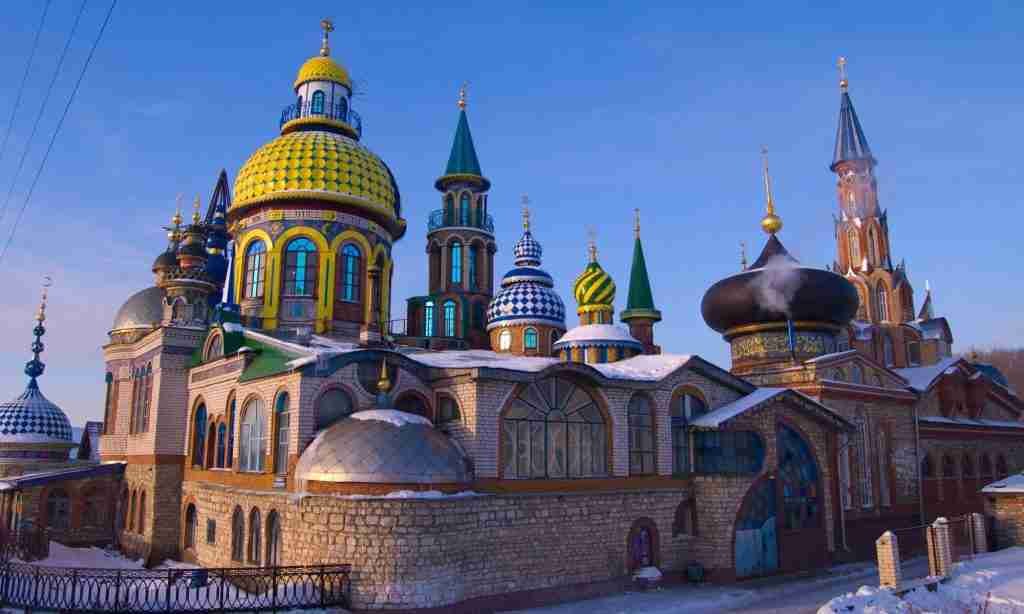
Rituals play a fundamental role in defining and expressing the cultural identities of communities across the globe. Embedded in the fabric of society, these repetitive and symbolic actions help individuals and groups articulate shared beliefs, values, and traditions. Whether through rites of passage, seasonal ceremonies, or religious observances, rituals serve as a bridge connecting generations and preserving cultural heritage. Across Religions, these practices also function as powerful expressions of faith, reinforcing spiritual worldviews and sustaining the continuity of sacred traditions.
Rites of passage such as graduation ceremonies or coming-of-age traditions in various cultures symbolize important transitions in an individual’s life. These events not only mark personal changes but also reinforce communal ties, celebrating the collective journey and shared aspirations of a group. Similarly, religious rituals – such as prayer, feasting, and pilgrimage – embody the core tenets of belief systems. They foster a sense of belonging, encourage social cohesion, and guide moral conduct within communities.
Cultural rituals also provide a framework for expressing grief and celebrating joy, thus playing significant roles during pivotal life moments, including births, weddings, and funerals. Each ritual embodies specific customs that are often passed down through generations, performing a crucial function in sustaining cultural continuity. For example, the diverse wedding customs observed worldwide, from traditional dance to exchanging vows, reflect societal norms and values, offering insight into the importance placed on family and partnerships.
Furthermore, these rituals are not static; they evolve over time, reflecting changes within the community while still adhering to core principles that define their cultural identity. This adaptability ensures that rituals remain relevant and resonant, continuing to enrich the tapestry of human culture. By participating in these rituals, individuals reinforce their connection to their heritage, promoting a sense of unity and collective consciousness amidst an ever-changing world.
Psychological Impact on Individuals
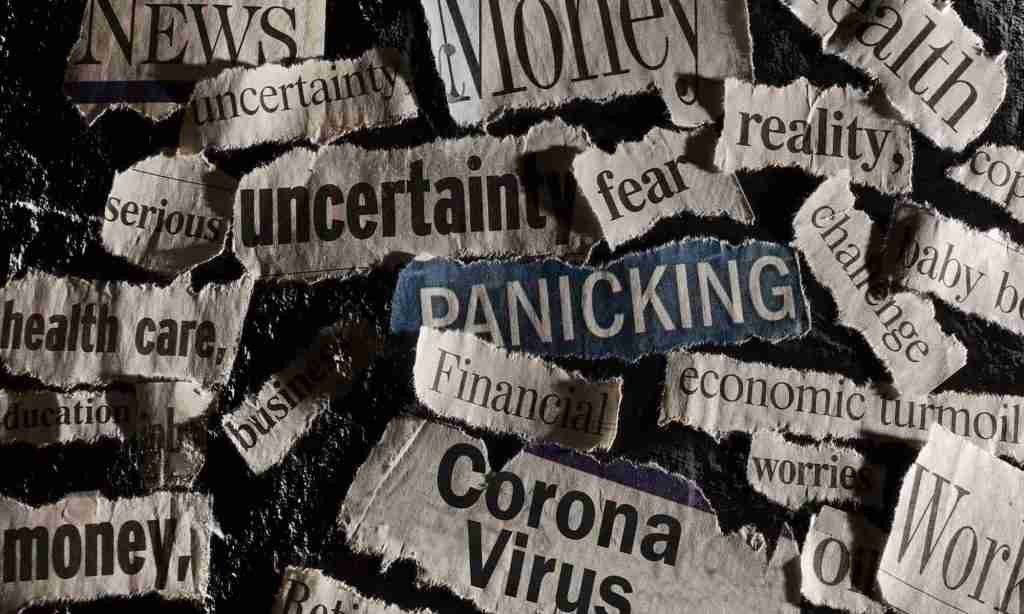
The role of rituals in psychological well-being has been a subject of considerable interest within the field of psychology. Engaging in rituals provides individuals with a sense of structure and stability amidst life’s uncertainties. This is especially relevant in times of stress and Anxiety, where the unpredictability of circumstances can significantly affect one’s emotional state. Rituals serve as coping mechanisms, allowing individuals to navigate challenges with greater resilience.
Research indicates that rituals can enhance emotional well-being by fostering a sense of control and predictability. By partaking in familiar practices, individuals often experience reduced anxiety levels. For instance, studies have shown that individuals who engage in pre-performance rituals – such as athletes before competitions – report lower anxiety and improved performance. This supports the hypothesis that the act of ritualization can create a psychological buffer against distress.
Moreover, the therapeutic benefits of rituals extend beyond mere anxiety reduction. Engaging in rituals can strengthen interpersonal relationships and foster a sense of community. Shared rituals, such as family traditions or cultural celebrations, create connections among individuals and enhance feelings of belonging. These emotional bonds are essential for psychological health, as they provide support networks during challenging times.
Additionally, rituals often embody symbolic meanings that can help individuals make sense of their experiences. Whether it is a grieving ritual that allows for processing loss or a celebratory ritual marking significant life events, these practices enable individuals to navigate life transitions with greater ease. The act of participating in rituals thus becomes a powerful tool for enhancing personal resilience and promoting psychological health.
The Evolution and Adaptation in Modern Society
Rituals have historically served as significant markers of cultural identity, community cohesion, and behavioral practices. As societies evolve, so too do the rituals that reflect and reinforce the values and beliefs of those communities. In contemporary society, the adaptation of traditional rituals is evident as they are recontextualized to align with modern norms and lifestyles. This transformation often occurs to meet the pressures and dynamics of an increasingly globalized world.
Stream the full series on BBC: https://bit.ly/47FI1pP
Due to technological advancements, we can observe the emergence of new rituals that cater to the social realities of the 21st century. For instance, digital ceremonial practices, such as virtual gatherings or social media commemorations, have become commonplace. These online rituals not only facilitate connections between individuals across vast geographical distances but also symbolize the merging of traditional practices with digital innovation. Asynchronous communication allows for the creation of unique rituals that reflect the communal experiences of the digital age, showcasing the adaptability of human culture.
Furthermore, the evolution of rituals is sometimes a response to social changes, including those surrounding multiculturalism and inclusivity. Traditional rituals may be restructured to accommodate diverse narratives and identities, reflect modern ethical standards, or celebrate interfaith cooperation. This adaptability emphasizes the ongoing relevance of rituals in expressing collective and individual identities while embracing the principle of mutual respect.
Lastly, while some may argue that contemporary society is moving away from ritualistic practices, the ongoing development of new rituals reaffirms their lasting importance. Looking forward, the potential for future rituals to emerge remains significant as cultural narratives adapt to the ever-changing sociopolitical landscape. As rituals transform, they continue to fulfill their essential role in fostering connections and providing a sense of belonging within communities.
What’s More



The posts in My Blog feature reflective, story-driven pieces rooted in personal and societal insights. The topics in My Interests explore abstract, philosophical ideas and their cultural and social impact. The lines in My Quotes share brief reflections that highlight clear insights shaped by lived experience. Subscribe to get Site Updates and be notified whenever new content is published.
👁️ 8,090 Views