


Intelligence is a complex and multi-dimensional construct that has captivated the interest of scholars, psychologists, and educators for generations. Traditionally defined as the ability to acquire and apply knowledge and skills, contemporary understandings of intelligence encompass a broader spectrum. Various theories offer frameworks through which we can analyze and interpret human intelligence beyond mere cognitive metrics like IQ.
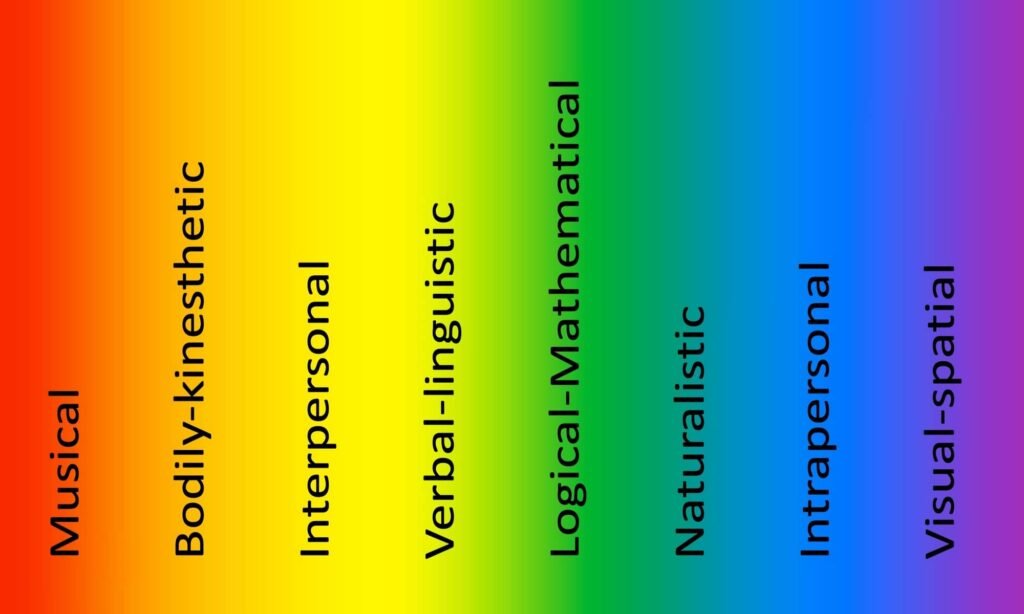
One prominent model is Howard Gardner’s Theory of Multiple Intelligences, which proposes that intelligence is not a singular entity but rather a collection of diverse types. Gardner identifies several intelligences, including linguistic, logical-mathematical, spatial, musical, bodily-kinesthetic, interpersonal, intrapersonal, and naturalistic. Each type highlights different strengths people may possess, emphasizing that an individual can excel in one area while struggling in another, challenging the notion of a universal intelligence measure.
Moreover, emotional intelligence (EI), popularized by psychologists such as Daniel Goleman, focuses on the ability to recognize, understand, and manage one’s own emotions while also being attuned to the emotions of others. EI has become increasingly recognized as a vital aspect of a person’s overall intelligence, particularly in social and workplace settings, where interpersonal skills can greatly influence success. Creative intelligence is another notable facet, encompassing the capacity to think outside the box and generate innovative ideas. This type of intelligence allows individuals to adapt to new challenges and solve problems in novel ways, which is crucial in an ever‑evolving world.
Another emerging dimension in this discussion is practical intelligence, often described as the ability to navigate real‑world situations effectively. Unlike academic or creative intelligence, practical intelligence focuses on adaptability, situational awareness, and the capacity to make sound judgments under uncertainty. This form of intelligence highlights that cognitive strength is not limited to abstract reasoning but also includes the ability to function competently in everyday life, negotiate social dynamics, and respond to unpredictable challenges. Ultimately, these varying forms of intelligence contribute to a holistic understanding of human capabilities, shaped by emotional, logical, creative, and practical components. Recognizing this complexity is vital when reassessing our understanding of human intelligence and its manifestations.
The Evolution of Homo Sapiens: What Sets Us Apart?

The evolutionary journey of Homo Sapiens is a remarkable tale of adaptation and development that delineates our species from other hominins and animals. One of the most significant markers in this evolutionary narrative is the increased size and complexity of the human brain. Early ancestors such as Australopithecus displayed smaller brain volumes, whereas later species, including Homo habilis and Homo erectus, saw gradual increases. Modern Homo sapiens, with an average brain volume of about 1,300 cubic centimeters, exhibit advanced cognitive abilities, which are often linked to higher intelligence within our species.
Moreover, the development of intricate social structures distinguishes Homo sapiens from other species. Our ancestors began forming cooperative groups that enabled better survival rates, as collaborative efforts in hunting and resource sharing were advantageous. This social evolution resulted in complex interactions, laying the groundwork for cultural advancements and the establishment of norms that would guide human behavior. The ability to communicate through spoken language, another hallmark of our evolution, provided a critical tool for sharing knowledge, experiences, and innovations. Consequently, the intricacies of language have played a pivotal role in shaping human societies.
In addition to language, the emergence of symbolic thought further distinguished Homo sapiens from other hominins. The ability to create and interpret symbols – seen in early cave art, ritual objects, and burial practices – reveals a cognitive leap toward abstraction and meaning‑making. This symbolic capacity allowed humans not only to communicate but to construct shared narratives, cultural identities, and long‑term planning strategies, all of which became foundational to the development of complex societies.
However, despite these advantages, the evolutionary traits of Homo sapiens can lead to both beneficial and detrimental outcomes. Increased brain size correlates with vulnerability to certain mental health disorders, which raises the question of whether our cognitive evolution has truly equated to a net gain in intelligence. Additionally, our capacity for social cooperation can devolve into destructive conflict. Thus, while the evolutionary milestones of Homo sapiens signify a peak in cognitive abilities, they also highlight the complexity of what it truly means to be intelligent.
The Paradox: Achievements vs. Consequences

Human intelligence has allowed for extraordinary achievements across various domains, notably in technology, art, and societal structures. From the invention of the wheel to the complexities of modern computing, each technological advancement enhances the way we interact with our environment and each other. The creative expressions witnessed in literature and visual arts reflect a deep cognitive capacity that encapsulates human experience, fostering empathy and cultural understanding. Notably, our social systems showcase our ability to organize, communicate, and collaborate on unprecedented scales – abilities rooted in our Brain Basics, the fundamental cognitive capacities that make such achievements possible.
However, this remarkable cognitive capability brings with it paradoxical consequences that challenge the notion of our intelligence as a purely beneficial force. The same technological advancements that enable convenience and connection have also contributed to significant global challenges. For instance, the industrial revolution, driven by innovative thought, has led to environmental destruction, culminating in climate change, biodiversity loss, and pollution. Herein lies the contradiction: the very intelligence that propels us forward in domains of progress simultaneously puts our planet at risk.
Moreover, the societal frameworks developed through human intelligence have frequently perpetuated inequality. Economic systems often favor a minority, leading to vast disparities in wealth and opportunity. Conflict, whether it be social, political, or military, arises directly from the complexities rooted in our intelligence. While we devise methods to solve disputes and promote peace, history demonstrates that such conflicts are often underpinned by the same cognitive faculties responsible for our advancements.
This paradox invites critical examination: to what extent does our intelligence truly serve our collective well‑being? Are we, as Homo sapiens, equipped to address the challenges born from our own creations? As we navigate our future, these pressing questions underscore the need to reassess the implications of human intelligence in shaping a sustainable and equitable world. Ultimately, confronting these contradictions may determine whether our intelligence becomes a force for long‑term resilience or our own undoing.
Rethinking Intelligence: Future Perspectives and Implications

As we delve into the future of human intelligence, it becomes crucial to reassess what we mean by intelligence itself. In an age defined by rapid technological change and the rise of Artificial Intelligence (AI), our traditional focus on problem‑solving and logical reasoning no longer feels sufficient. Today, intelligence also includes emotional depth, creativity, and adaptability, reflecting a more holistic view of human capability. At the same time, it is important to acknowledge that AI, despite its impressive performance, is not intelligent at all in the human sense: It does not understand, feel, or possess consciousness. This contrast sharpens our definitions and reminds us why human intelligence remains uniquely our own.
The integration of technology into our daily lives is reshaping the cognitive landscape. For instance, AI systems can perform tasks that traditionally required human intellect, such as data analysis and decision-making. This raises significant questions about the nature and scope of intelligence. Can machines be considered intelligent, or should intelligence remain a uniquely human trait? The development of AI prompts us to rethink not only what it means to be intelligent but also how we measure it. The implications of these technological advancements influence not just individuals but society as a whole.
Moreover, the potential for enhancing human intelligence through technological means is increasingly becoming a reality. Innovations like brain-computer interfaces, cognitive enhancers, and genetic interventions are on the horizon, suggesting that the enhancement of human capabilities may soon be viable. Nevertheless, these developments carry ethical implications that warrant careful consideration. The potential for inequality – where enhanced individuals could outpace those who remain unaltered – poses significant moral questions about access and equity in society.
As we navigate this shifting landscape, it is essential for us to reflect on what intelligence means in a rapidly changing world. Are we on the verge of a new era in cognitive evolution, or are we simply adapting to the tools we create? In grappling with these questions, we can better understand the implications of intelligence, both human and artificial, and what it signifies for our species’ future.
What’s More



The posts in My Blog feature reflective, story-driven pieces rooted in personal and societal insights. The topics in My Interests explore abstract, philosophical ideas and their cultural and social impact. The lines in My Quotes share brief reflections that highlight clear insights shaped by lived experience. Subscribe to get Site Updates and be notified whenever new content is published.
👁️ 5,233 Views