

Digital immortality refers to the concept of preserving an individual’s consciousness, memories, and personality in a digital format, potentially allowing for a form of existence beyond physical death. This idea has gained traction as advancements in technology have opened up new avenues for exploring the nature of human identity and existence. Historical roots can be traced back to early philosophical inquiries about consciousness and the self, with modern interpretations heavily influenced by the rapid development of digital technology.

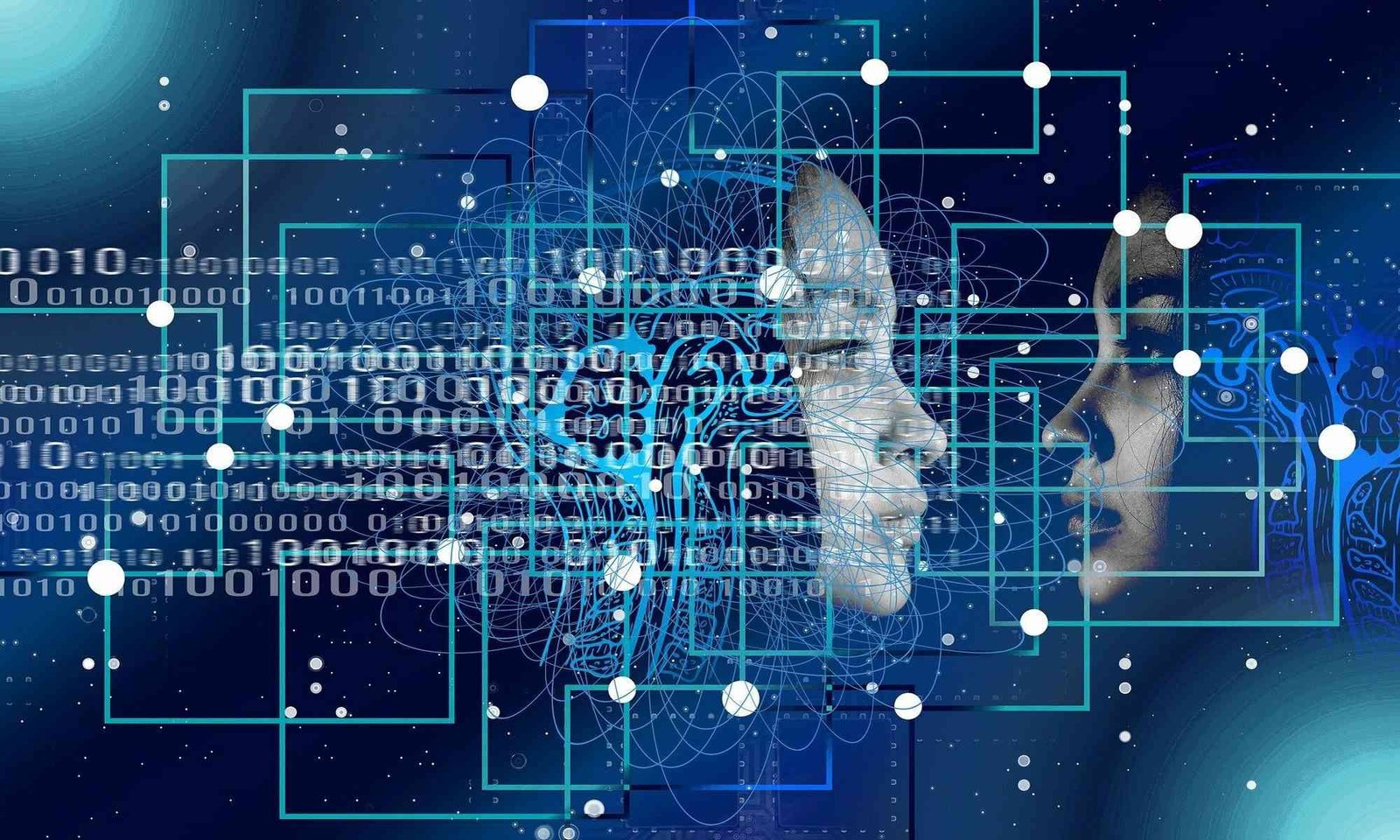
At its core, digital immortality aims to archive human experiences through various forms of digital media, such as social media profiles, personal blogs, and advanced Artificial Intelligence systems. These platforms allow individuals to express their thoughts and feelings, effectively creating a digital footprint that can be maintained and even enhanced over time. In addition, AI technologies are emerging that can analyze and emulate human behavior and decision-making patterns, contributing to a more sophisticated representation of individuals in the digital realm.
As the idea of digital immortality evolves, it raises significant philosophical questions about the essence of consciousness and the nature of identity. Can a digital representation maintain the qualities that define a person? What implications does this have for our understanding of mortality and existence? Furthermore, the ethical considerations surrounding privacy, consent, and the potential for misuse of personal data are increasingly pertinent in discussions about how technology may allow us to transcend natural limits and preserve our identities in an artificial construct.
The Technologies Behind Digital Immortality
The concept of digital immortality encompasses a myriad of technologies that collectively aim to preserve consciousness and memory beyond physical existence. At the forefront are advancements in artificial intelligence (AI) and machine learning (ML). AI technologies enable the creation of sophisticated algorithms that can analyze and mimic human behavior, allowing for the development of digital personas capable of engaging in conversations and replicating the nuances of human interactions. For instance, AI-driven chatbots can learn from conversations, enriching their responses over time, thereby providing users with a semblance of real human connection.
Data storage solutions also play a critical role in the pursuit of digital immortality. Large-scale data storage systems are essential for preserving vast amounts of personal information, memories, and digital interactions. Technologies such as cloud storage ensure that data remains accessible even when physical devices fail. Innovations in decentralized data storage, such as Blockchain, enhance data integrity and security, further enabling the preservation of one’s digital legacy.
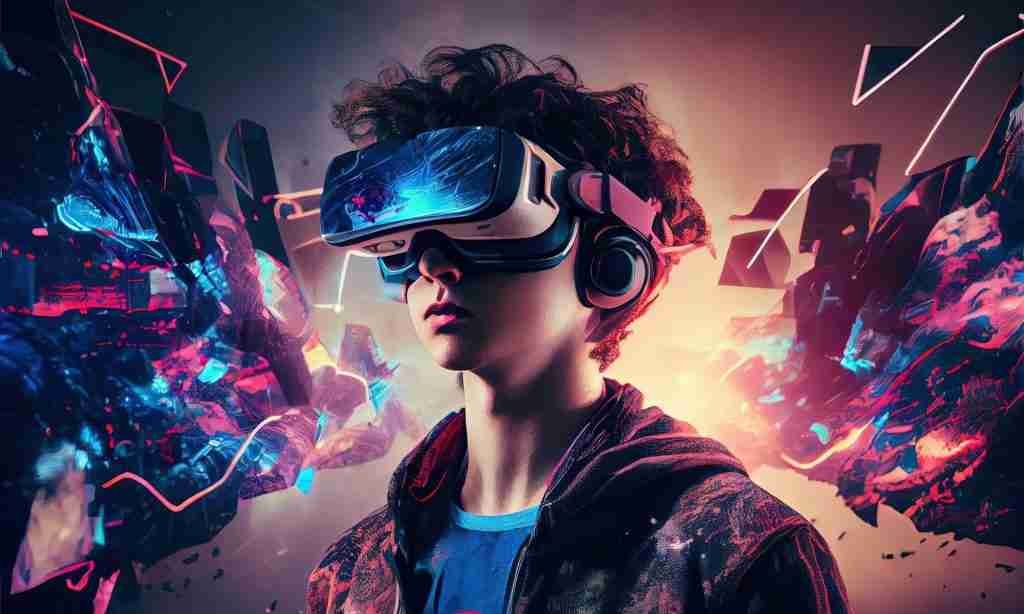
Moreover, virtual reality (VR) such as The Omniverse and augmented reality (AR) contribute significantly to creating immersive experiences that can simulate past memories. Through VR, users can navigate virtual environments that recreate significant life events, providing a pathway for individuals to engage with their memories in a tangible manner. AR, on the other hand, overlays digital information onto the real world, potentially allowing users to interact with digital avatars that represent loved ones or themselves.
Some real-world projects exemplify these advancements. For instance, companies like Eternime are developing platforms that gather information from social media, emails, and other digital footprints to create a digital avatar of a person that continues to “live” posthumously. This raises profound implications regarding authenticity and identity in a world where digital versions of ourselves might outlast our physical form.
As these technologies converge, ethical and philosophical questions become increasingly urgent. Who owns a digital self once the biological originator is gone? Can a simulated consciousness ever be considered sentient, or does it merely echo patterns without true awareness? The rise of digital immortality challenges long-held notions of identity, mortality, and legacy, prompting society to reconsider what it means to be human in an era where memory, personality, and presence can be algorithmically preserved and perpetuated.
Ethical Considerations and Implications
The advent of digital immortality poses numerous ethical dilemmas that warrant careful consideration. Central to this discussion is the moral implication of preserving an individual’s consciousness. The question arises: should we have the right to digitize a person’s mind, and who owns that data once it is transformed into a virtual existence? This complexity highlights the need for robust frameworks governing consent and ownership, particularly as individuals may not fully comprehend the ramifications of their digitization.
Data privacy issues emerge as another critical concern in the realm of digital immortality. With the digitization of consciousness, sensitive data associated with personal thoughts, emotions, and memories becomes vulnerable to potential misuse. Organizations harnessing this technology must implement stringent protocols to safeguard individuals’ data, preventing breaches that could lead to exploitation or unauthorized access to one’s private mental landscape.
Moreover, digital immortality enhances the possibility of inequality within society. Access to such technology may be financially prohibitive, thereby creating a dichotomy where only the affluent can afford a digital afterlife while others are left behind. This disparity could foster societal divides, where life’s inequalities are perpetuated even in virtual existence.
Additionally, the fear of losing human connection looms large in discussions surrounding digital counterparts. If relationships are sustained through artificial means rather than authentic human interaction, we risk eroding the very essence of human connection. Is it possible that the pursuit of digital immortality could diminish the value we place on real companionship?
Societal implications of ‘living forever’ in a digital form also require scrutiny. The potential for individuals to exist without physical limitations may disrupt traditional views on mortality, prompting philosophical and psychological challenges regarding the meaning of life and death. Such transformations could reshape societal norms, urging a reconsideration of the natural lifecycle and our place within it. As digital existence becomes increasingly normalized, future generations may grapple with blurred boundaries between the living and the simulated. This shift could fundamentally alter how humanity defines identity, continuity, and the essence of being.
The Future: Possibilities and Challenges
The concept of digital immortality presents a fascinating intersection of technology, philosophy, and ethics, raising numerous possibilities that could reshape our understanding of consciousness and legacy. As advancements in artificial intelligence, neuroscience, and data storage continue, the feasibility of preserving human consciousness in a digital format becomes increasingly plausible. These technological breakthroughs may enable individuals to upload their memories and personality traits into a digital platform, allowing for a form of existence beyond biological limitations.
On one hand, the optimistic perspective views digital immortality as an opportunity for humanity to transcend mortality, potentially leading to richer, more fulfilling lives. The prospect of maintaining a version of oneself that can interact and evolve might offer comfort and continuity, particularly in grappling with the existential concerns associated with death. Moreover, the preservation of unique identities and experiences could contribute to a collective historical narrative, benefiting future generations.
Conversely, significant challenges loom over the pursuit of digital immortality. The ethical implications of such technology are profound, raising questions regarding consent, data privacy, and ownership of one’s digital self. Additionally, societal acceptance of this concept may vary, with potential divides in perceptions of death and identity. Legal frameworks are inadequately equipped to handle the complexities of digital consciousness, potentially leading to conflicts regarding rights and responsibilities. Furthermore, there is concern about the psychological impact on individuals who interact with digital avatars of deceased loved ones, which could complicate the natural grieving process.
In conclusion, as we navigate the intricate terrain of digital immortality, reflecting on its implications for humanity is essential. The interplay of hope and skepticism surrounding this technology mirrors our ongoing struggle to define life, memory, and existence in the ever-evolving digital age, challenging us to consider what it truly means to be human. Ultimately, the choices we make today will shape how future generations reconcile the boundaries between organic life and its digital echoes.
What’s More



The posts in My Blog feature reflective, story-driven pieces rooted in personal and societal insights. The topics in My Interests explore abstract, philosophical ideas and their cultural and social impact. The lines in My Quotes share brief reflections that highlight clear insights shaped by lived experience. Subscribe to get Site Updates and be notified whenever new content is published.
👁️ 9,767 Views