


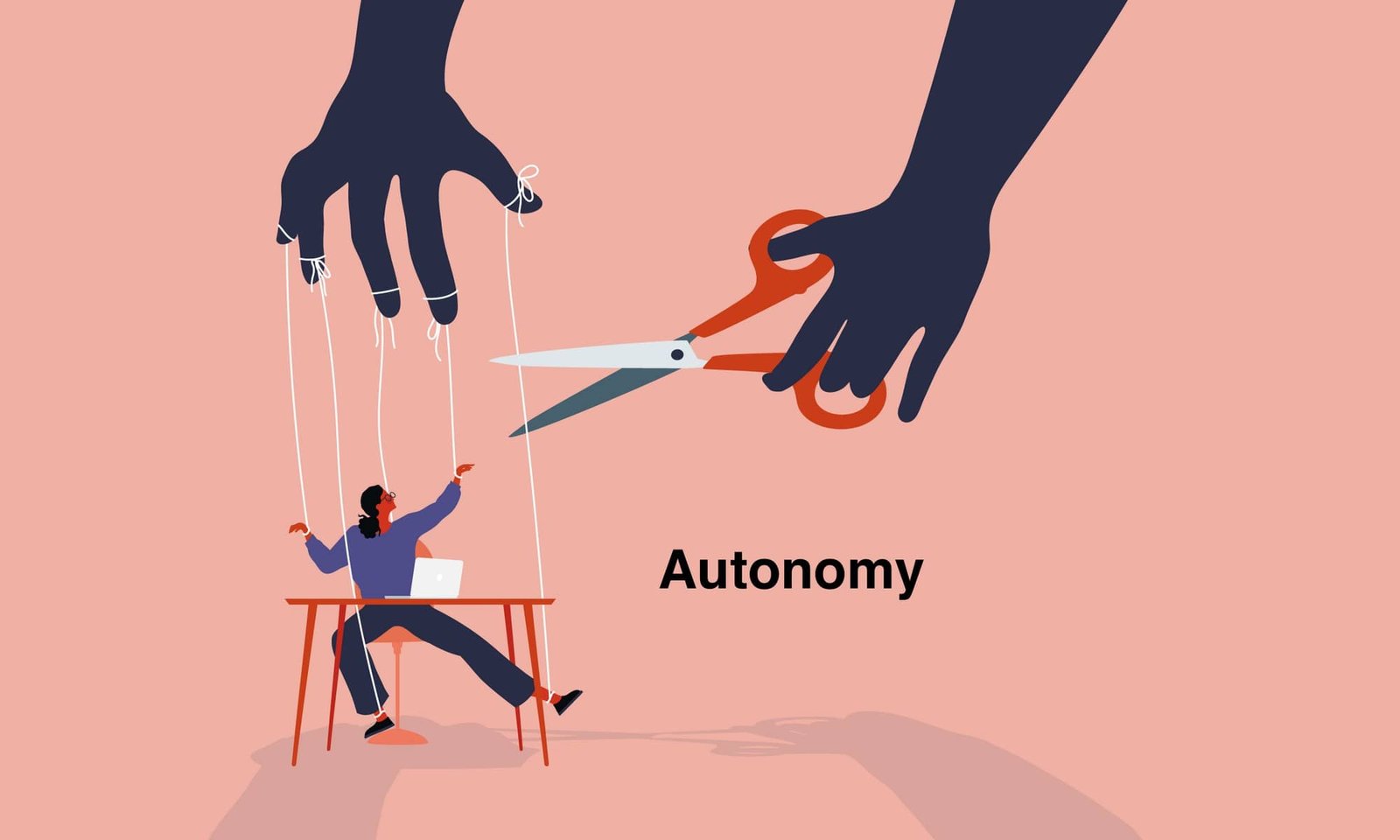
The Concept of Autonomy in Human Behavior

Autonomy is fundamentally defined as the capacity to make informed, uncoerced decisions, embodying the essence of individual freedom. It is a pivotal aspect of human behavior that influences various dimensions of life, including personal identity, decision‑making processes, and intrinsic motivation. Psychologists Edward Deci and Richard Ryan have extensively discussed autonomy within their Self‑Determination Theory, proposing that autonomy is one of the three basic psychological needs essential for fostering motivation and psychological well‑being. In Our Society, this need for autonomy shapes how individuals navigate expectations, norms, and structures that both support and constrain personal agency.
From a psychological perspective, autonomy is perceived as a crucial motivator that allows individuals to feel in control of their own actions. This feeling of control is believed to enhance personal identity, leading individuals to make choices that align with their values and beliefs. The drive for autonomy manifests not only in significant life decisions but also in everyday choices, impacting how individuals engage with their surroundings. For instance, a sense of autonomy can affect how one interacts with authority figures or how personal responsibilities are approached.
The influence of autonomy extends beyond personal satisfaction; it plays a vital role in how people engage in various tasks and challenges. Those who experience a high level of autonomy often exhibit greater persistence and resilience, which can lead to higher overall achievement. In contrast, a lack of autonomy can lead to feelings of helplessness and decreased motivation, underscoring the importance of autonomy in promoting a healthy psychological state.
Additionally, the quest for autonomy is often tied to cultural and social factors. Different societies place varying levels of emphasis on individualism versus collectivism, impacting how autonomy is perceived and expressed. Nevertheless, the intrinsic need for autonomy remains a universal aspect of human behavior, emphasizing its significance in understanding the broader scope of human experience.
The Role of Autonomy in Personal Development
Autonomy is a fundamental aspect of personal development, representing the ability to make choices and direct one’s own life. This concept of independence is essential as it fosters self-esteem, confidence, and a sense of fulfillment. When individuals are empowered to make decisions based on their values and desires, they are more likely to engage in meaningful experiences that contribute to their growth.
In educational settings, autonomy plays a crucial role in shaping the learning journey of students. When learners are given the freedom to choose topics of interest or methods of study, they are more likely to develop a keen interest in their education. For instance, a student allowed to select their project topic based on personal passion not only deepens their knowledge but also enhances their motivation, leading to better academic performance.
In the realm of career development, autonomy translates to the empowerment of individuals to navigate their professional paths. Employees who have the liberty to pursue their interests or take leadership roles in projects often experience higher job satisfaction and productivity. An example can be seen in workplaces that promote a culture of initiative, where staff members feel their contributions are valued and have a direct impact on outcomes. This not only nurtures personal growth but also drives the overall success of the organization.
Moreover, in personal relationships, autonomy fosters healthier interactions. Individuals who assert their independence and communicate their needs effectively tend to experience more fulfilling connections. For instance, maintaining one’s own interests and friendships while in a relationship can lead to a balanced partnership, encouraging both parties to grow individually and together.
Thus, the autonomy individuals possess in various contexts significantly shapes their personal development journey, leading to enhanced self-awareness and overall happiness in life. By honoring each person’s individuality, autonomy ultimately becomes the foundation upon which resilient and purpose‑driven lives are built.
The Balance Between Autonomy and Social Responsibility

The tension between individual autonomy and social responsibility is a complex subject that invites discussions across philosophy, sociology, and psychology. Autonomy is often viewed as a fundamental human drive, reflecting one’s ability to make choices and govern oneself. However, this pursuit of independence frequently encounters challenges when weighed against obligations to society and others. At the same time, human life is marked by varying degrees of Dependence, whether emotional, economic, or social, reminding us that no individual operates in isolation. Individuals function within social systems where their freedoms – and their dependencies – can either enhance or detract from community welfare.
Case studies exemplify this conflict. For instance, in many instances, individuals may choose to exercise their autonomy by expressing personal beliefs or taking political stances. However, such actions may inadvertently affect societal cohesion, triggering disputes that undermine collective peace. An example can be seen in activism; while many advocates prioritize their expressions of autonomy, the implications of their actions must be critically examined, especially if they threaten existing social constructs.
Sociological perspectives further illuminate this tension. Collectivist cultures, for example, tend to emphasize social responsibilities over individual freedoms, arguing that personal autonomy should be aligned with the community’s well-being. In contrast, individualistic cultures prioritize personal choice and self-expression, sometimes neglecting the broader impact of their actions on society. This divergence creates a landscape where autonomy and social responsibility are continually negotiating their positions.
To navigate this balance, individuals may be encouraged to reflect on the degree to which their autonomy complements or conflicts with societal obligations. By fostering dialogue around cultural values and the importance of community involvement, societies can begin to bridge the gap between personal freedoms and collective responsibilities. This ongoing conversation helps individuals recognize that autonomy does not exist in isolation but rather is intertwined with a network of social interdependencies.
Fostering Autonomy in Different Environments
Fostering autonomy is integral to creating environments that support individual growth across various settings, such as education, workplaces, and home. Each of these environments serves unique functions in promoting or stifling autonomy.
- In educational settings, for example, educators can encourage student autonomy by incorporating choice in learning activities. This could mean allowing students to select topics for projects or providing diverse options for assessments. Such practices not only engage students but also empower them to take ownership of their learning process, fostering critical thinking and self-direction.
- For employers, cultivating an autonomy-affirming workplace is essential in enhancing job satisfaction and productivity. Organizations can implement flexible work arrangements, grant employees the latitude to make decisions related to their tasks, and encourage collaboration. By establishing trust and supporting employees in taking initiative, businesses can create a culture where autonomy is revered. This not only leads to higher employee morale but also promotes innovation as individuals feel more validated in their contributions.
- Similarly, parents play a crucial role in nurturing autonomy in children. This involves balancing guidance with the freedom to explore. Parents can foster autonomy by allowing children to make decisions appropriate to their age, encouraging problem-solving, and respecting their choices. When children are supported in their autonomy, they develop a sense of competence and confidence, traits that are crucial for navigating life’s challenges.
The implications of supporting autonomy extend to mental health and wellbeing. Research indicates that autonomy-supportive environments can lead to enhanced emotional resilience, reduced anxiety, and better overall mental health. Conversely, environments that stifle autonomy can lead to feelings of helplessness and decreased motivation. Therefore, whether in schools, workplaces, or homes, implementing strategies that affirm autonomy is vital not just for personal development but also for holistic wellbeing.
What’s More



The posts in My Blog feature reflective, story-driven pieces rooted in personal and societal insights. The topics in My Interests explore abstract, philosophical ideas and their cultural and social impact. The lines in My Quotes share brief reflections that highlight clear insights shaped by lived experience. Subscribe to get Site Updates and be notified whenever new content is published.
👁️ 6,056 Views