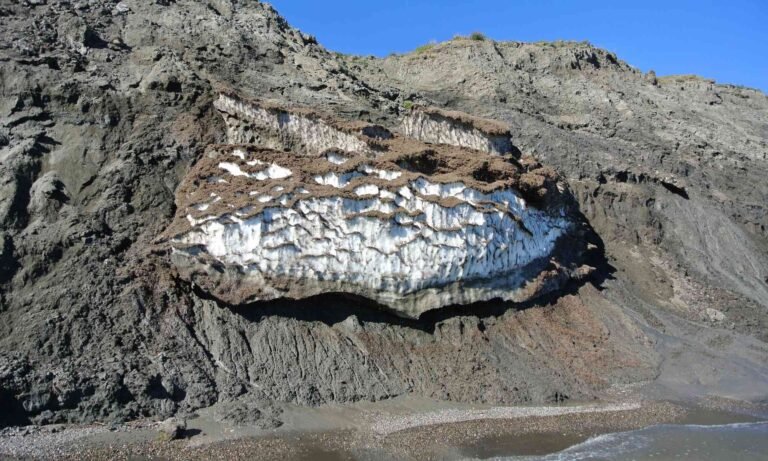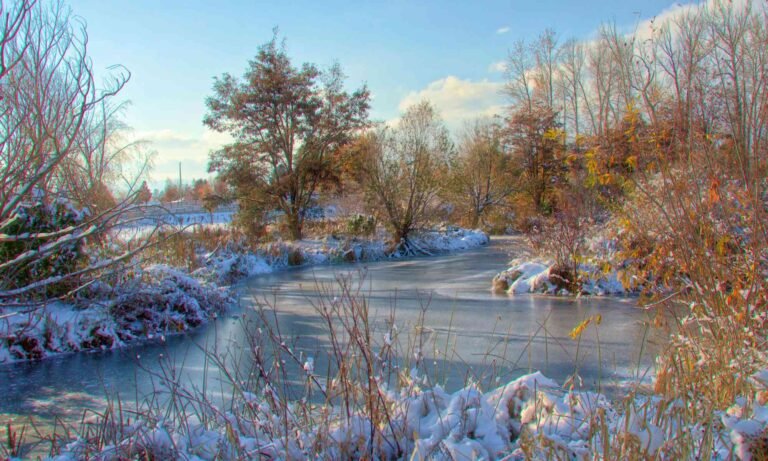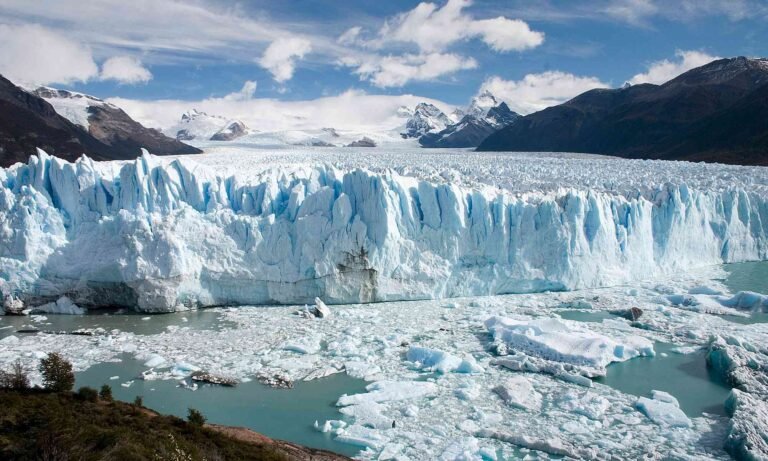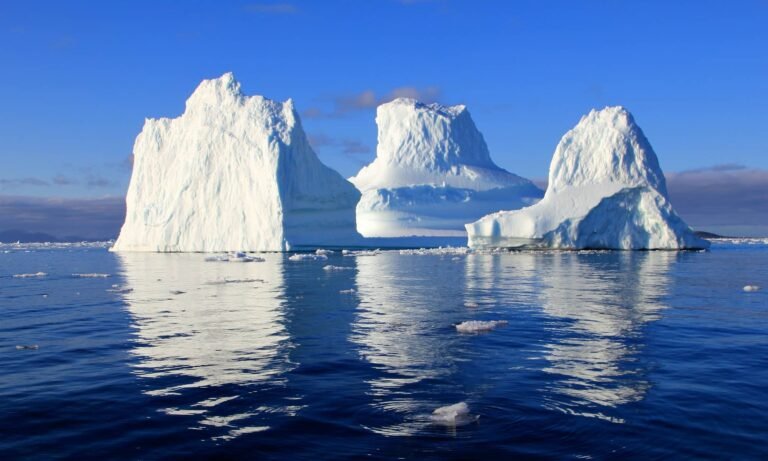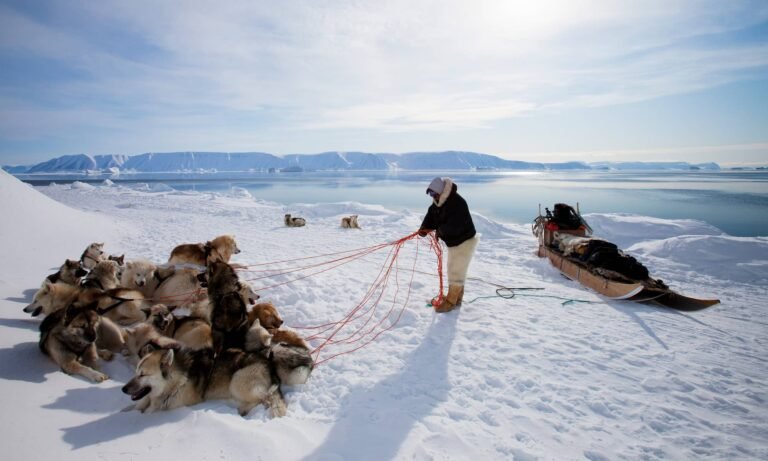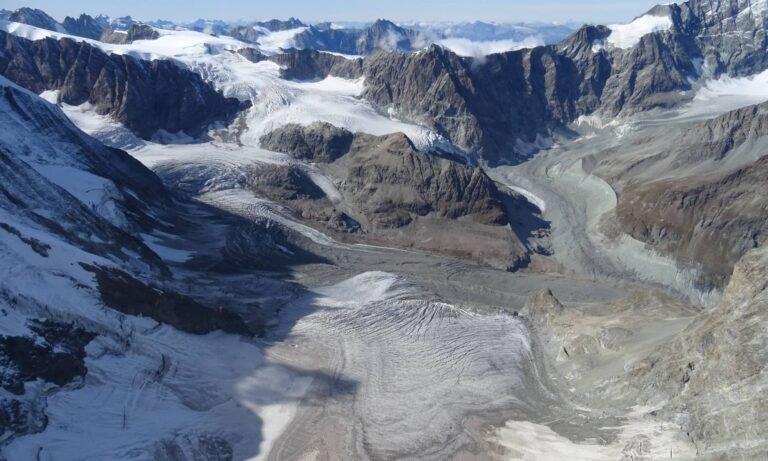


Ice dynamics refers to the study of the motion and behavior of ice, specifically focusing on Glaciers and Sea Ice in polar regions. In essence, it encompasses the physical processes and forces that influence the flow and deformation of ice masses over time. Understanding ice dynamics is crucial as it allows scientists to grasp how glaciers respond to environmental changes and how they can impact global sea levels. These ice systems evolve continuously as they gain and lose mass, responding to shifts in temperature, precipitation, and regional climate patterns. Their long‑term behavior provides a clear record of environmental change preserved within the ice itself.
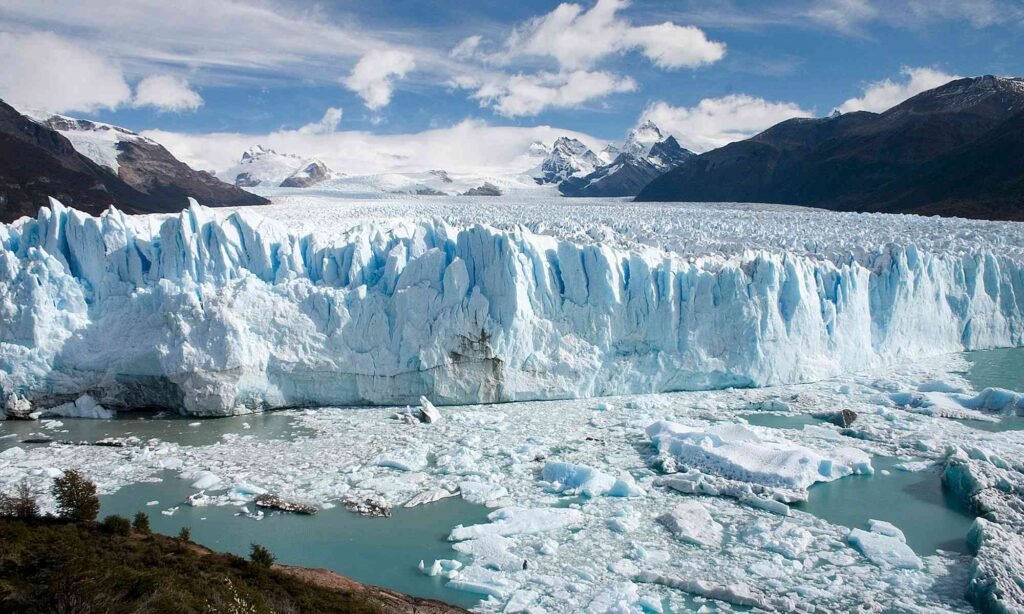
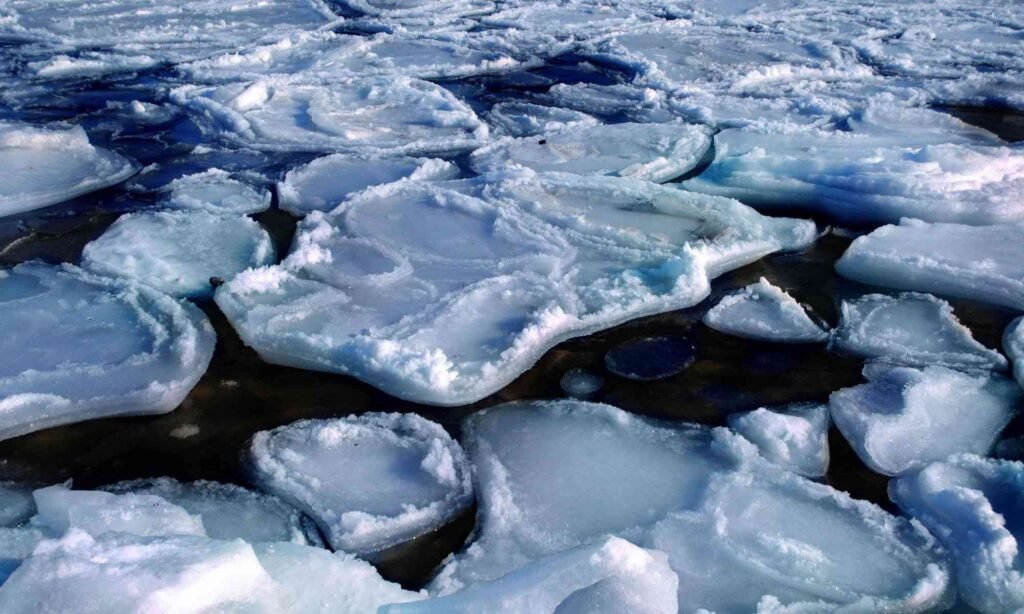
One of the fundamental principles of ice dynamics is the interplay of various forces, including gravity, pressure, and friction. Gravity operates as the primary force driving the movement of glaciers, causing the ice to flow downhill. The weight of the overlying ice creates significant pressure that can lead to the internal deformation of ice crystals, enabling glaciers to flow. Friction plays a crucial role at the base of glaciers, where contact with the underlying substrate can vary, influencing the pace of movement. In some instances, meltwater can reduce friction, facilitating faster flow.
Ice dynamics not only applies to glaciers but also extends to the behavior of sea ice, where seasonal and climatic changes significantly affect stability and extent. The interaction between ocean temperatures, wind patterns, and sea ice dynamics has essential implications for climate change. For example, the reduction in sea ice cover can contribute to rising global temperatures through the albedo effect, as less ice leads to greater absorption of solar radiation by darker ocean waters.
Overall, ice dynamics represents a pivotal intersection of geology, climatology, and environmental science, integral to understanding both present conditions and future predictions regarding glacial and sea ice behavior. Consequently, ongoing research in this field continues to enhance our comprehension of climate change impacts on the polar regions and beyond. These insights help refine long‑term projections of ice behavior as polar conditions continue to shift.
Types of Ice: Glacial vs. Sea Ice Dynamics
Understanding the dynamics of ice is pivotal in elucidating the broader climate system. Two primary types of ice in focus are glacial ice and sea ice, each with its own distinct dynamics and roles within the environment. Glaciers are large masses of ice formed from compacted snow, primarily found in polar and mountainous regions. They move down slopes under their own weight, a process driven by gravity. This movement is termed glacial flow and involves both internal deformation and sliding at the base, depending on temperature and the presence of meltwater. Glacial dynamics are characterized by their interactions with the landscape – eroding rock, depositing sediment, and shaping valleys and moraines. This physical pipeline of cryosphere processes significantly impacts terrestrial ecosystems.
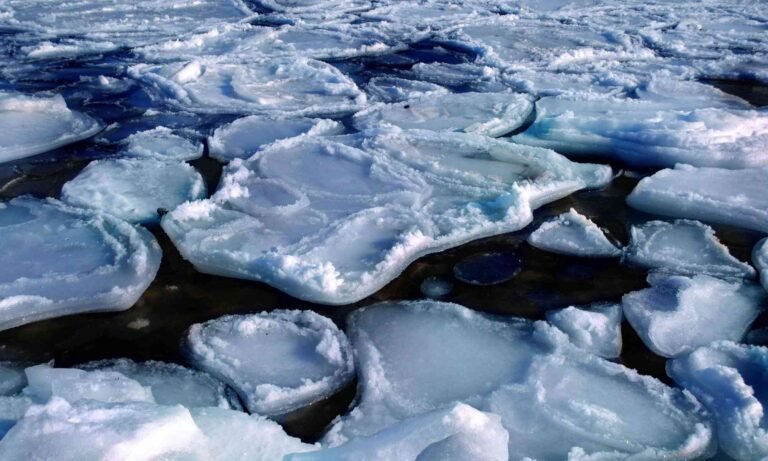
In contrast, sea ice forms when ocean water freezes, typically occurring in polar regions. The dynamics of sea ice are influenced by various environmental factors including temperature variations, ocean currents, and atmospheric conditions. Unlike glaciers, sea ice does not contribute directly to landform alteration; rather, it serves as a crucial component in regulating oceanic and atmospheric heat exchange. The formation and melting of sea ice play a significant role in climate regulation, affecting global weather patterns and marine ecosystems. Sea ice dynamics are also marked by seasonal variations – expanding in winter and retreating during the warmer months, influenced by both natural climatic cycles and anthropogenic climate change.
Both glacial and sea ice dynamics contribute significantly to global climate systems, albeit in different manners. Their interactions with other environmental components underscore the complexity and interdependence inherent in Earth’s cryosphere. Understanding these differences and similarities is essential for researchers aiming to predict climatic changes and their implications on global patterns.
Ice Dynamics and the Subglacial Environment
The behavior of glaciers is shaped not only by the ice itself but by the conditions beneath it. The subglacial environment – bedrock, sediments, meltwater, and geothermal heat – controls how efficiently a glacier can slide, deform, or accelerate. Variations in bed roughness influence resistance to flow, while deformable sediments can act as a lubricated layer that allows rapid basal motion. Meltwater routing beneath glaciers is equally important: water pressure can fluctuate on hourly to seasonal scales, altering friction at the ice–bed interface and triggering short‑lived surges or long‑term changes in flow regime. Geothermal heat and frictional heating contribute to basal melting, further modifying the mechanical state of the bed. Understanding these subglacial processes is essential for predicting glacier stability, flow variability, and the potential for rapid ice‑mass loss in a warming climate.
The Role of Ice Dynamics in Climate Change

Ice dynamics plays a crucial role in understanding the complexities of Climate Change, as shifts in glacial behavior can serve as indicators of broader environmental changes. The interaction between ice and climate systems is multifaceted, influencing not only local ecosystems but also global climate patterns. Ice sheet thinning, for instance, is a significant phenomenon observed in polar regions. As temperatures rise, the integrity of these massive ice sheets diminishes, leading to rising sea levels that pose risks to coastal communities and ecosystems worldwide.
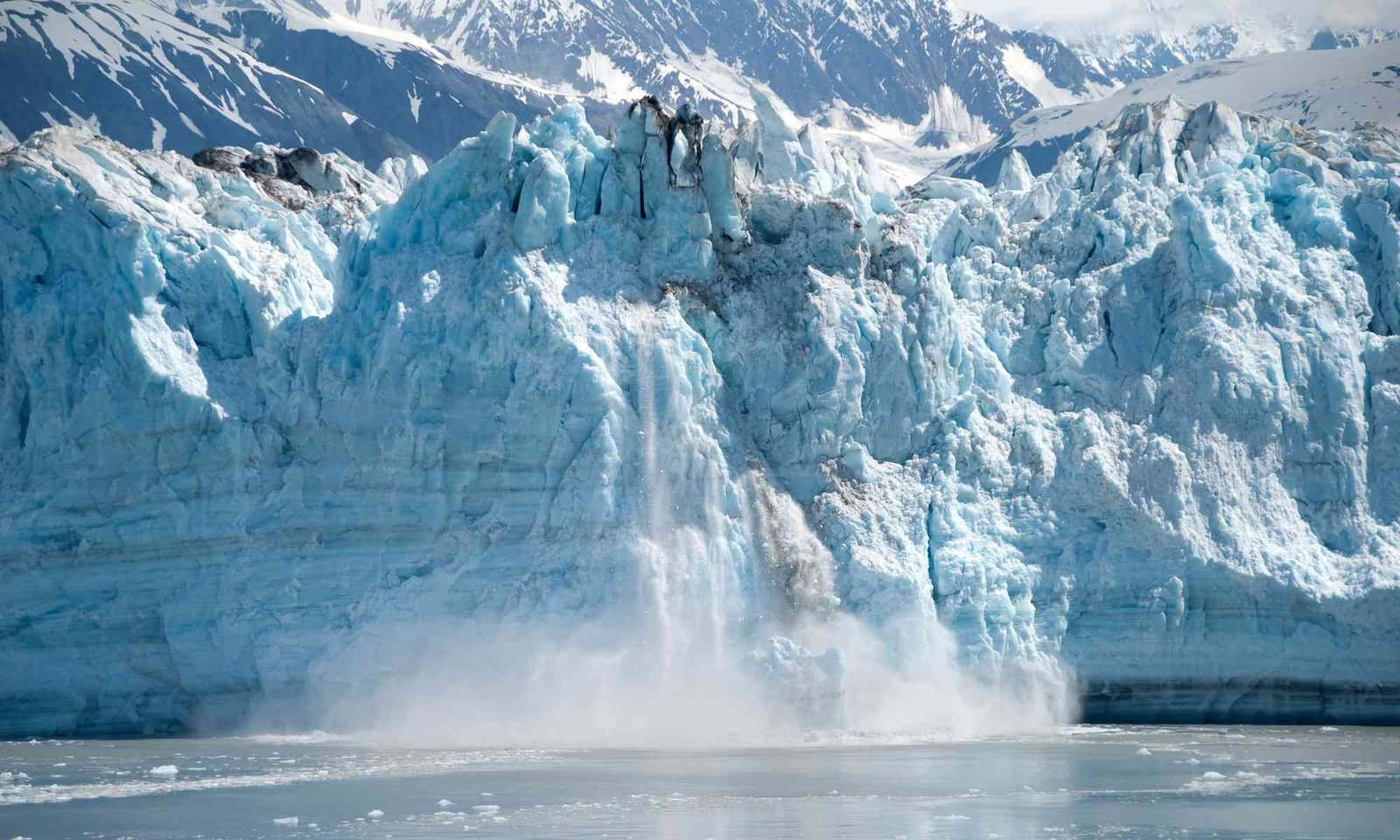
Increased calving rates of glaciers represent another critical aspect of ice dynamics that can impact climate change. Calving occurs when chunks of ice break off from the edge of a glacier, often as a response to warming temperatures. This process not only accelerates the loss of glacial mass but also contributes to the influx of freshwater into ocean systems, further affecting ocean circulation and, consequently, global climate patterns. Case studies from Antarctica and Greenland illustrate these accelerating trends, highlighting the need for urgent attention to ice dynamics in climate models.
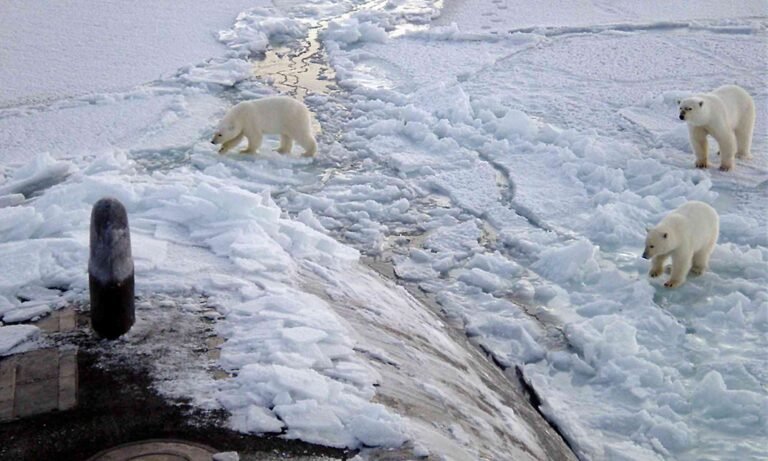
Furthermore, the decline of sea ice has profound implications for ecosystems and climate systems. As Arctic sea ice diminishes, it disrupts the habitat of various species, including polar bears and seals, which depend on ice-covered regions for hunting and breeding. The loss of sea ice also contributes to a feedback loop where reduced albedo – where less sunlight is reflected and more heat is absorbed – accelerates warming in the Arctic region. These dynamics not only influence regional climates but have far-reaching effects on global weather patterns, showcasing the interconnected nature of ice and climate systems.
Future of Ice Dynamics: Research and Implications
The study of ice dynamics is rapidly evolving, driven by the need to understand the impacts of climate change on glacial movement and sea ice behavior. Recent research trends highlight a significant emphasis on utilizing advanced technology to monitor and analyze ice dynamics. Tools such as satellite observations provide invaluable data that enable researchers to observe changes in ice cover, thickness, and flow patterns on local and global scales. These observations, combined with modeling techniques, allow scientists to simulate potential future scenarios under various climate change models, thus providing a comprehensive understanding of ice behavior in a warming world.
The implications of changes in ice dynamics are profound and multifaceted. As glaciers and sea ice continue to respond to rising temperatures, the consequences can be extensive, affecting global sea levels and ecosystems reliant on stable ice environments. For instance, the melting of polar ice can lead to rising sea levels, posing significant risks to coastal communities. Moreover, changes in sea ice affect marine ecosystems, impacting species that rely on ice-covered regions for breeding and feeding. This interconnectivity between ice dynamics and biological systems underscores the importance of continued research in this area.
Furthermore, understanding ice dynamics is crucial for informing policy decisions related to climate change mitigation and adaptation strategies. As evidence mounts regarding the effects of shifting ice patterns, policymakers can better assess risks and develop strategies to address potential impacts on human activities, such as fishing, shipping, and tourism. In light of this, further studies into ice dynamics will not only enhance our scientific knowledge but also play a vital role in shaping effective conservation efforts and guiding necessary legislation aimed at safeguarding our planet for future generations.
What’s More



The posts in My Blog feature reflective, story-driven pieces rooted in personal and societal insights. The topics in My Interests explore abstract, philosophical ideas and their cultural and social impact. The lines in My Quotes share brief reflections that highlight clear insights shaped by lived experience. Subscribe to get Site Updates and be notified whenever new content is published.
👁️ 5,885 Views