


Defining Glacials and Glaciers
Glacials and glaciers represent two critical components in understanding Earth’s climatic history and hydrology. A glacial refers to a significant period characterized by cooler global temperatures, during which large portions of the Earth’s surface were covered by ice sheets and glaciers. These glacials are integral to the study of paleoclimatology, as they provide insights into past climate changes and the mechanisms that drive them. The most recent glacial period, known as the Wisconsin Glacial Maximum, significantly shaped much of North America’s topography.
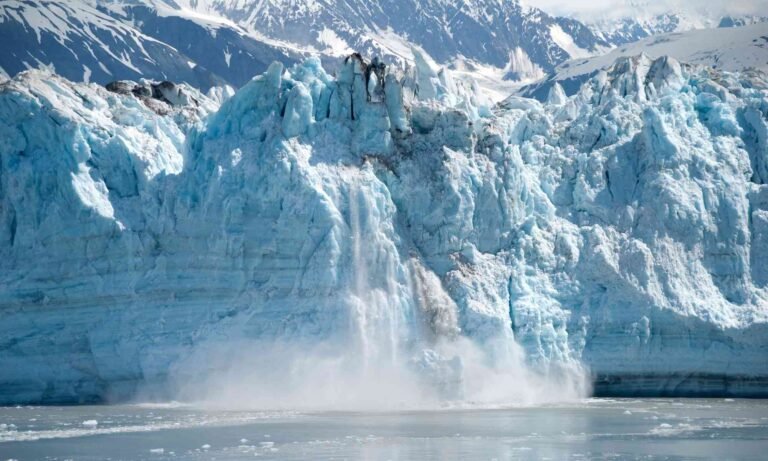
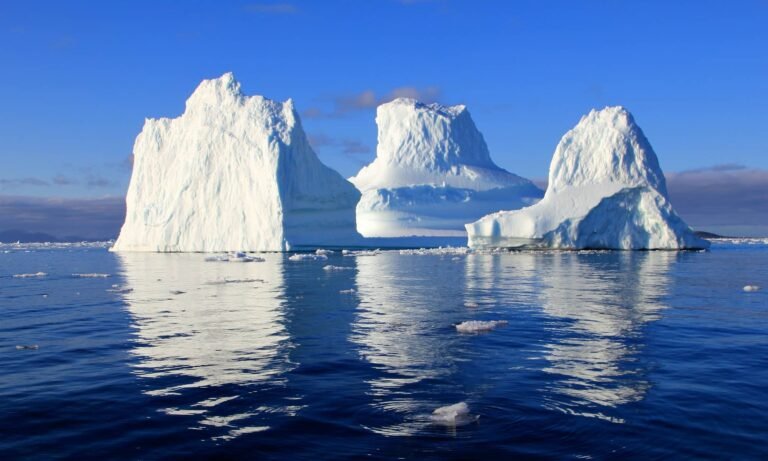
In contrast, glaciers are defined as substantial, persistent bodies of dense ice that form over extended periods from the accumulation and compaction of snow. These majestic formations can be found in mountainous regions and polar ice caps around the world. Glaciers flow under their own weight due to the force of gravity, exhibiting distinct movement patterns influenced by factors such as temperature, precipitation, and topography. The process of glacier formation begins with the accumulation of snow in a specific area. As layers of snow pile up, the underlying layers compress and transform into glacial ice, which has a much higher density than fresh snow.
The geological significance of glacial periods extends beyond just the formations of glaciers themselves. These epochs have played a pivotal role in shaping landscapes, influencing sea levels, and determining ecosystems across regions. Furthermore, the study of glaciers serves as a barometer for climate change; their retreat or advance offers valuable feedback on global temperature changes. Understanding the differences and interactions between glacials and glaciers grants us a nuanced perspective on Earth’s climatic shifts and the evolving nature of our environment.
Glacials
The Nature and Dynamics of Glacials
Glacials represent the colder phases within an ice age, marked by substantial global cooling and the expansion of continental ice sheets. Unlike glaciers – which are physical bodies of ice – glacials are climatic intervals, typically lasting tens of thousands of years, during which Earth’s temperature, atmospheric composition, and hydrological cycles undergo profound shifts. These periods are driven by long‑term variations in Earth’s orbital parameters, known as Milankovitch cycles, which influence the distribution of solar radiation across the planet.
During a glacial, global temperatures drop sufficiently to allow ice sheets to grow across vast regions of the Northern Hemisphere. Sea levels fall dramatically as water becomes locked in ice, exposing continental shelves and altering coastlines. These environmental changes reshape ecosystems, forcing species to migrate, adapt, or disappear. Glacials also modify atmospheric circulation patterns, leading to drier conditions in many regions and the expansion of deserts and steppe landscapes.
The geological imprint of glacials is extensive. As ice sheets advance, they erode bedrock, transport massive quantities of sediment, and sculpt landscapes through processes such as abrasion and plucking. When glacials end and temperatures rise, retreating ice leaves behind moraines, outwash plains, and glacial lakes – features that continue to define modern topography. Studying glacials provides critical insight into Earth’s climate sensitivity, the pacing of natural climate cycles, and the thresholds that trigger large‑scale environmental change.
Glaciers
The Formation and Movement of Glaciers
Glaciers are massive ice formations that develop from the accumulation of snow over extended periods. This process begins in areas where the annual snowfall exceeds the amount of snow that melts during warmer months. The primary mechanism of glacier formation involves the gradual compaction and recrystallization of snow layers, leading to the development of dense ice. Originally fluffy snow converts into firn, a granular substance that eventually transforms into solid glacial ice as pressure increases and temperatures drop.
There are primarily two types of glaciers: continental glaciers and alpine glaciers. Continental glaciers are extensive ice sheets that cover large land areas, typically found in polar regions, such as Greenland and Antarctica. Conversely, alpine glaciers are confined to mountain valleys and are significantly smaller in scale. These different types of glaciers exhibit distinct characteristics and behaviors due to variations in their environments.
Glacier movement is a complex process driven by gravity and influenced by several factors. The two main processes of glacier movement include basal sliding and internal deformation. Basal sliding occurs when the glacier’s base melts slightly, allowing it to flow more smoothly over the underlying surface. In contrast, internal deformation takes place as ice crystals within the glacier slide past one another under stress, facilitating movement even when the ice is not melting.
Numerous factors impact glacier movement, including temperature, precipitation, and topography. Warmer temperatures can lead to increased melting at the surface, while more precipitation can lead to enhanced mass accumulation. Moreover, the landscape’s topology influences how glaciers carve through rock and sediment as they advance, further shaping their pathways. Understanding these intricate dynamics is vital for comprehending the broader implications of glaciers on the Earth’s climate and ecosystems.
The Role of Glaciers in the Earth’s Climate System
Glaciers play a central role in regulating Earth’s climate and sustaining global hydrological systems. Their high albedo allows them to reflect a substantial portion of incoming solar radiation, helping to moderate global temperatures and stabilize regional climate patterns. This reflective capacity is especially important in polar and high‑mountain environments, where glacier-covered surfaces act as natural cooling agents within the climate system.
Beyond their climatic influence, glaciers function as vast freshwater reservoirs, storing nearly 69% of the world’s freshwater. Seasonal meltwater feeds major rivers and lakes, supporting ecosystems, agriculture, and human populations downstream. As long as glaciers maintain a stable mass balance, this meltwater remains a reliable component of regional water supplies. Rising global temperatures, however, are disrupting this balance. Glaciers worldwide are retreating at accelerating rates, initially increasing river flows but ultimately reducing long‑term water availability as ice reserves diminish.
This retreat contributes significantly to sea‑level rise, as land‑based ice melt expands ocean volume and heightens the risk of coastal flooding, erosion, and habitat loss. Reduced ice cover also lowers planetary albedo, creating feedback loops that intensify warming. Ecosystems are equally affected: altered meltwater patterns disrupt aquatic habitats, while shifting temperatures and landscape conditions force species to migrate or adapt. The rapid loss of glacier mass has become one of the clearest indicators of global climate change, underscoring the urgency of reducing greenhouse gas emissions and strengthening climate resilience.
Monitoring technologies such as satellite observations, remote sensing, and long‑term field measurements now play a crucial role in tracking glacial health and informing policy decisions. These tools help scientists anticipate future environmental challenges and support efforts to safeguard the systems that depend on glacier‑fed water. As glaciers continue to shrink, understanding their climatic and ecological significance remains essential for managing water resources, protecting vulnerable ecosystems, and preparing for the far‑reaching consequences of a warming world.
The Interconnected Story of Glacials and Glaciers
Glacials and glaciers together form a unified narrative of Earth’s long‑term environmental evolution. Glacials define the major climatic rhythms that govern the advance and retreat of ice, while glaciers act as the physical agents that shape landscapes, redistribute sediment, and influence hydrological systems. Their combined effects have carved valleys, sculpted coastlines, altered sea levels, and determined the distribution of ecosystems across continents.
Understanding glacials provides the temporal framework – the “when” and “why” of large‑scale cooling phases. Understanding glaciers provides the mechanical and geological detail – the “how” of ice movement, erosion, and deposition. Together, they offer a complete picture of how Earth’s surface and climate have co‑evolved over hundreds of thousands of years.
By examining both concepts side by side, we gain a clearer view of the forces that have shaped our planet’s past and continue to influence its present. Glacials reveal the cyclical nature of Earth’s climate system, while glaciers serve as dynamic indicators of ongoing environmental change. Their interplay underscores the complexity of Earth’s climate engine and highlights the importance of studying long‑term natural processes to better understand the transformations occurring today.
What’s More



The posts in My Blog feature reflective, story-driven pieces rooted in personal and societal insights. The topics in My Interests explore abstract, philosophical ideas and their cultural and social impact. The lines in My Quotes share brief reflections that highlight clear insights shaped by lived experience. Subscribe to get Site Updates and be notified whenever new content is published.
👁️ 5,695 Views