


Defining Mastery in Human Context
Mastery, in the realm of human behavior and motivations, signifies an advanced level of skill, understanding, and knowledge in a particular domain. It encompasses not just technical proficiency, but also a deep, nuanced comprehension, which can be applied creatively and analytically. The drive toward mastery is often fueled by intrinsic motivation, reflecting an individual’s desire for personal growth and self-improvement rather than external rewards. This intrinsic drive can significantly influence engagement, perseverance, and resilience within various fields of endeavor.
One of the primary dimensions of mastery is psychological, as it necessitates a certain mindset. Individuals striving for mastery must embrace challenges and view failures as opportunities for learning rather than setbacks. This growth-oriented perspective fosters a resilient and innovative approach, key to achieving high levels of competence. Furthermore, emotional aspects of mastery arise from the fulfillment derived from honing one’s skills and overcoming hurdles. The deep connection between emotional satisfaction and the pursuit of mastery can enhance overall well-being, leading to a more enriching life experience.
Social factors also come into play when discussing mastery. The pursuit of excellence often occurs within a community or collaborative environment, where feedback and guidance from peers can significantly accelerate personal development. Sharing knowledge and skills not only solidifies one’s own mastery but can also inspire others, creating a multiplier effect that enhances collective expertise.
Ultimately, mastery is intimately linked to personal fulfillment. As individuals strive for excellence in their respective fields – be it art, science, sports, or any other discipline – they experience a profound sense of accomplishment that reinforces their commitment to lifelong learning and self-betterment. The journey towards mastery is a multi-faceted process that encompasses psychological resilience, emotional rewards, and social collaboration, making it a vital aspect of human existence.
The Psychological Drives Behind Mastery
Mastery is a pursuit deeply embedded in human psychology, and several intrinsic factors propel individuals towards this goal. One of the primary psychological drives is intrinsic motivation, which refers to engaging in tasks for their inherent satisfaction rather than for external rewards. Individuals who possess intrinsic motivation often display a profound commitment to mastering a skill or subject, as the journey itself becomes rewarding. This characteristic plays a crucial role in sustaining engagement over time, promoting learning and exploration.
Another significant factor associated with the pursuit of mastery is goal-setting. Setting specific and attainable goals provides direction and a clear framework to measure progress. When individuals set these goals, they create a roadmap that not only guides their actions but also enhances their motivation by offering milestones to celebrate. Research indicates that the process of pursuing goals is instrumental in facilitating mastery, allowing individuals to hone their skills gradually and with intent.
Perseverance is equally vital in the mastery process. The path to mastery is often fraught with challenges and setbacks, requiring individuals to maintain their resilience and commitment. This drive – often encapsulated in the concept of a growth mindset – suggests that embracing challenges can foster personal development. Rather than viewing mistakes as failures, individuals who persevere tend to see them as opportunities to learn and grow, ultimately contributing to their mastery journey.
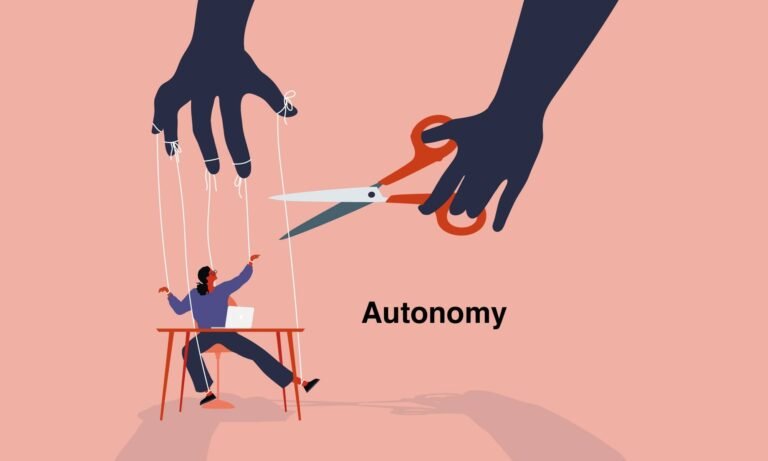
In addition to intrinsic motivation, goal-setting, and perseverance, the satisfaction of essential human needs significantly influences a person’s drive to achieve mastery. Mastery can fulfill the need for competence, as individuals strive to develop their skills and prove their capabilities. Additionally, it addresses the need for autonomy by encouraging individuals to take charge of their learning process. Finally, mastery can satisfy the need for relatedness, especially when individuals engage in collaborative experiences that foster connections with others. By understanding these psychological drives, we can appreciate the complex interplay that leads individuals to pursue mastery relentlessly.
The Long-Term Integration into Personal Identity

Mastery, when sustained over long periods, becomes more than a pursuit – it gradually integrates into an individual’s sense of Self-Identity, as the skills and insights gained through deep engagement begin to shape how people interpret the world and understand themselves. This integration develops through repeated cycles of practice, reflection, and refinement that strengthen the link between one’s abilities and one’s self-concept, turning the discipline into a lens for navigating challenges and opportunities. The habits formed along the way – patience, analytical thinking, creative problem-solving – extend beyond the original domain, life, showing mastery’s impact reaches far beyond technical competence.
Additionally, the integration of mastery into identity can provide a stable foundation during periods of uncertainty. When external circumstances shift, individuals often rely on the internalized strengths developed through their mastery journey. This sense of continuity fosters confidence and direction, enabling individuals to adapt without losing their core sense of purpose. In this way, mastery becomes both a personal anchor and a source of ongoing motivation.
Ultimately, the long-term integration of mastery into identity highlights its enduring significance. It is not merely a skillset but a defining element of personal development, shaping how individuals engage with their environment, relate to others, and envision their future. Through this deep integration, mastery becomes a lifelong companion, continually influencing growth and self-understanding.
Benefits of Pursuing Mastery
Pursuing mastery in a particular skill or field offers numerous advantages that extend beyond mere competence. At the core, the pursuit of mastery fosters a profound sense of identity. Engaging deeply in a passion allows individuals to define themselves by their abilities, ultimately shaping how they perceive their place in the world. This reinforcement of personal identity not only solidifies self-image but also boosts self-esteem, as individuals recognize their growth and achievements within their domain.
Furthermore, the journey towards mastery can significantly enhance overall life satisfaction. As individuals invest time and effort into developing a skill, they often experience a sense of accomplishment and fulfillment. This satisfaction can permeate other areas of their lives, contributing to improved mental health and well-being. The challenges encountered along the path to mastery, including setbacks and successes, cultivate resilience, allowing individuals to handle life’s obstacles more effectively.
In addition to personal growth, the pursuit of mastery bears social implications that are equally valuable. Mastery encourages connection and collaboration among peers, fostering community-building and enhancing relationships. As individuals share their skills and knowledge, they contribute to the collective understanding and appreciation of a discipline, which can unite groups through shared passion and interests.
On a professional level, mastery is crucial for career advancement. Employers increasingly seek out individuals who demonstrate a high level of expertise, as mastery often correlates with productivity and innovation. Those who commit to mastering their craft are frequently rewarded with greater responsibility and opportunities for leadership, leading to more fulfilling and secure career paths. Ultimately, mastery positions individuals as indispensable contributors within their organizations.
Challenges and Barriers to Achieving Mastery
Embarking on the journey towards mastery is an intricate process, often fraught with numerous challenges and barriers. One significant hurdle individuals encounter is the fear of failure, which can manifest as a paralyzing force that prompts them to avoid tasks where success is uncertain. The psychological impact of fearing failure can lead to procrastination and a reluctance to pursue new challenges, ultimately hindering the mastery process.
Self-doubt is another significant barrier to achieving mastery. Individuals may question their abilities and potential, leading to a negative mindset that stymies progress. This self-doubt can stem from past experiences, comparisons with peers, or unrealistic expectations set by societal norms, creating a vicious cycle in which individuals become less inclined to engage in the very activities that would help them develop their skills. Moreover, societal pressures compound these internal challenges; expectations to excel in career, education, or relationships can lead to overextension and burnout, adding stress that inhibits growth and may push individuals toward pursuits misaligned with their intrinsic interests.
To overcome these barriers, resilience is essential. Individuals can cultivate resilience through adaptive learning practices, surrounding themselves with supportive people who provide a safety net during challenging times. Adopting effective learning strategies, such as setting realistic goals and celebrating small achievements, can foster a more positive outlook. Through these means, one can navigate the intricacies of the mastery journey and transform challenges into stepping stones toward growth.
What’s More



The posts in My Blog feature reflective, story-driven pieces rooted in personal and societal insights. The topics in My Interests explore abstract, philosophical ideas and their cultural and social impact. The lines in My Quotes share brief reflections that highlight clear insights shaped by lived experience. Subscribe to get Site Updates and be notified whenever new content is published.
👁️ 5,252 Views