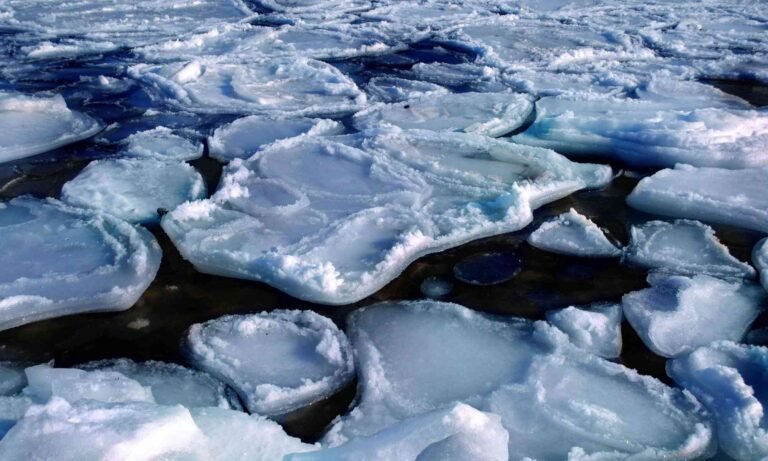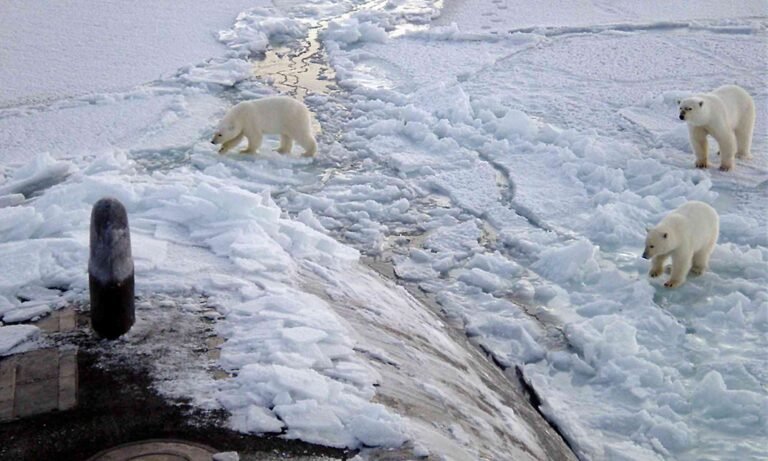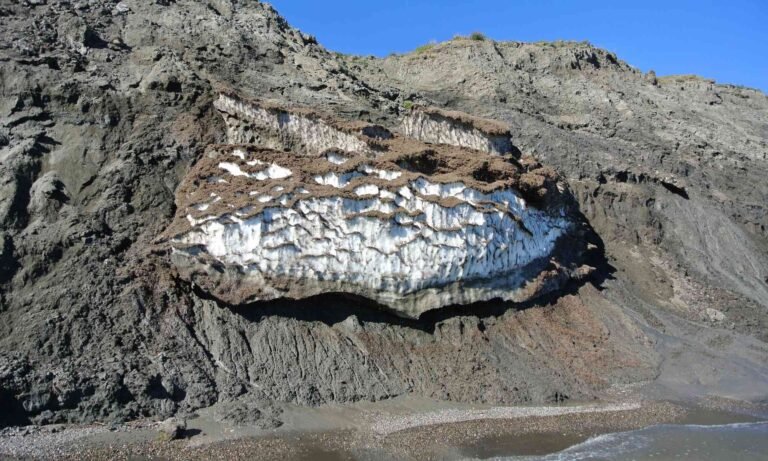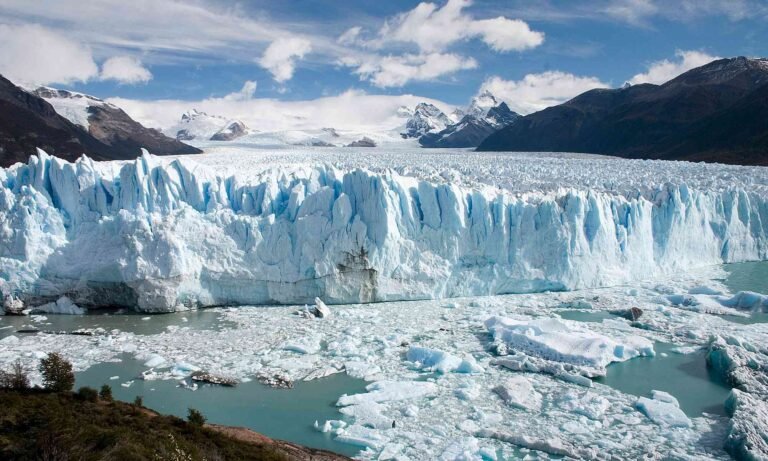


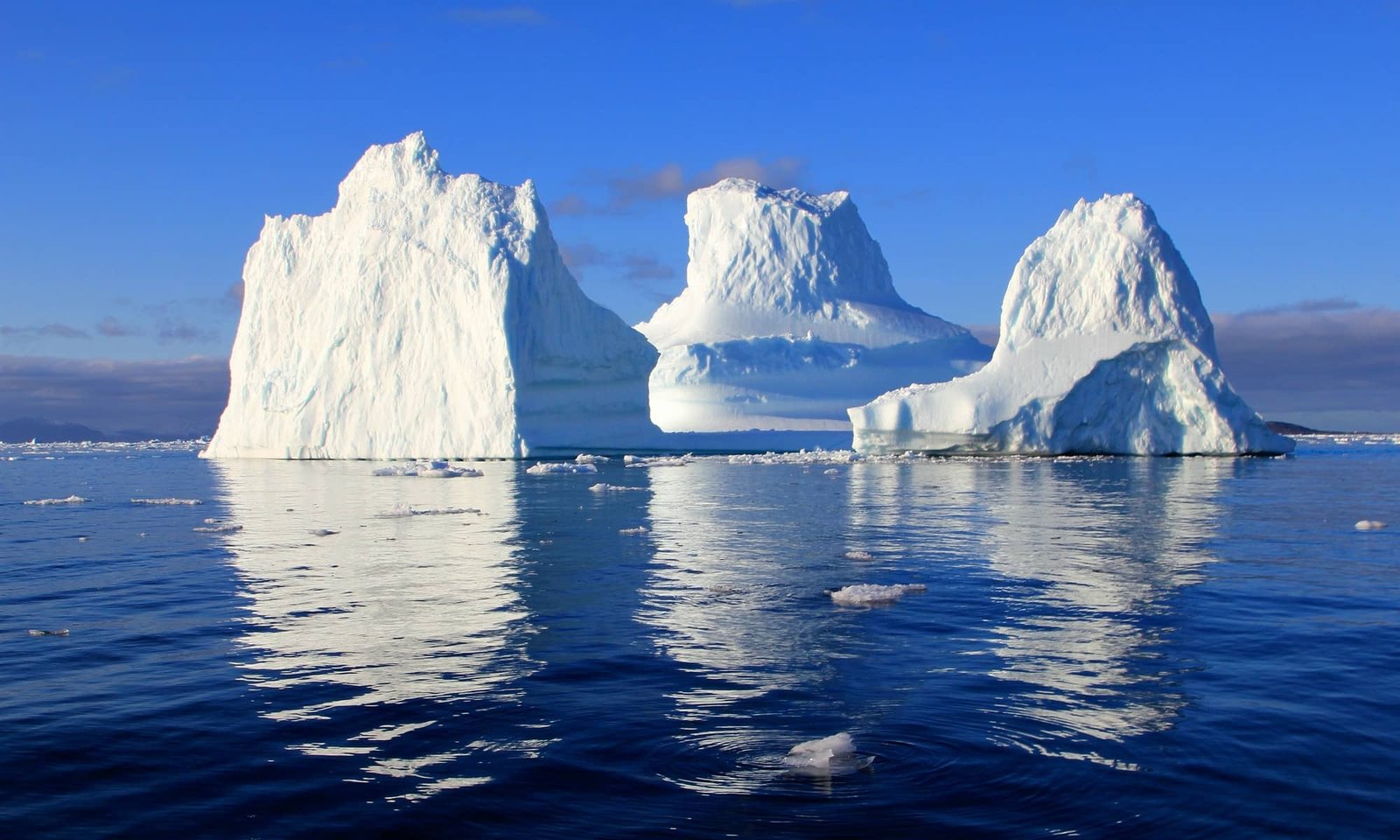
The Arctic Ocean presents a unique ecosystem characterized by extreme conditions and profound biodiversity. Its frigid waters serve as a habitat for a variety of marine species that have adapted to survive in these harsh environments. One of the most remarkable features of the ecosystem is the presence of sea ice, which plays a crucial role in both physical and biological processes. Sea ice not only serves as a platform for breeding seals and a hunting ground for polar bears, but it also influences the ocean’s chemistry and temperature.
Flora in the Arctic Ocean mainly comprises phytoplankton, the primary producers within this ecosystem. These microscopic organisms are pivotal in driving the food web as they convert sunlight into energy through photosynthesis. Despite the short growing season due to prolonged periods of darkness during the winter months, phytoplankton bloom in the summer when light availability increases, creating the foundation for a highly productive marine environment. This productivity supports various trophic levels, from zooplankton to larger marine mammals.
The fauna of the Arctic Ocean includes a diverse range of species with specialized adaptations. For instance, some fish have developed antifreeze proteins to survive in sub-zero temperatures, while others possess unique physiological traits to endure low salinity levels and high-pressure conditions. In addition, migratory patterns of certain species, such as whales, are closely tied to seasonal changes in ice coverage and prey availability. These adaptive strategies not only highlight the resilience of Arctic marine life but also emphasize the interconnectedness of the ecosystem and the effects of climate change on its stability.
Bioluminescence and the Arctic’s Hidden Trenches
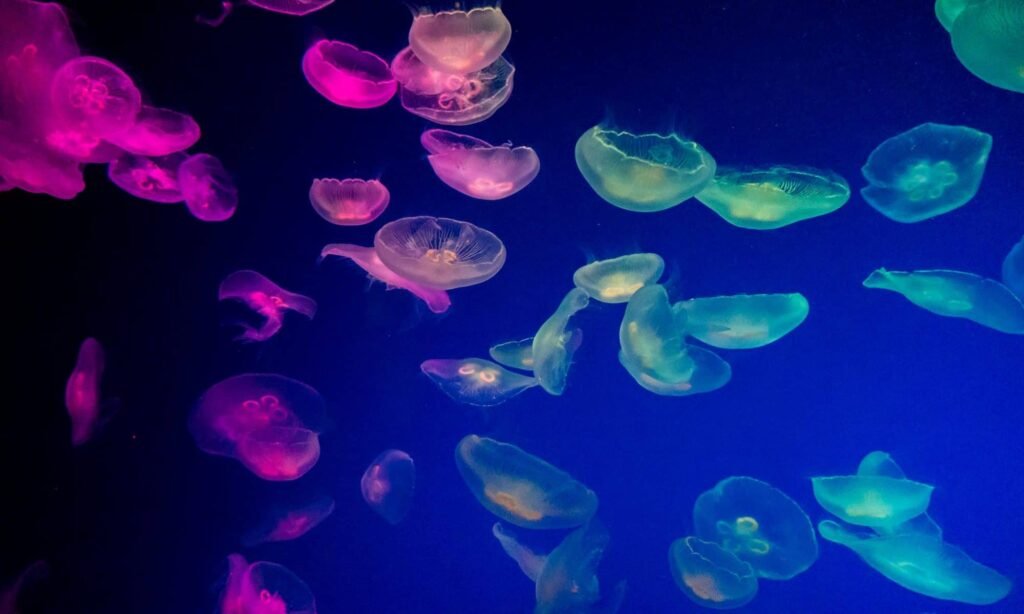
Bioluminescence defines life in the Arctic abyss, where months of polar night and extreme depths create a world ruled by darkness. In this environment, light produced by organisms becomes a core survival tool. Many deep‑sea species rely on biochemical light for communication, camouflage, and predation, a strategy common across most creatures living below 1,500 feet. In the Arctic, where sunlight barely penetrates and cold, high pressure dominate, this glow becomes even more essential.
The region’s most dramatic expression of this darkness is the Molloy Deep in the Fram Strait, reaching roughly 5,550 meters. As the Arctic’s deepest point, it anchors the network of trenches and fracture zones often referred to collectively as The Deeps. These steep, pressurized landscapes allow only highly specialized organisms to survive, and with no sunlight reaching these depths, bioluminescence shifts from advantage to necessity.
Within these deep zones, bioluminescent organisms create a flickering, dynamic ecosystem. Predators such as deep‑sea fish and squid use photophores to lure prey or confuse attackers, while smaller species rely on counter‑illumination to blend into the faint glow from above. This interplay of light and shadow forms a communication system that replaces conventional vision and offers scientists insight into evolutionary adaptation and biochemical innovation.
Although the Arctic’s trenches remain less explored than those in other oceans, recent expeditions are beginning to reveal how bioluminescence supports life under crushing pressure and permanent night. Despite the harsh conditions, these glowing organisms thrive, turning the Arctic abyss into a hidden world of living light. As research expands, these ecosystems may reshape our understanding of how life adapts to the planet’s most remote and unforgiving environments.
Climate Change and its Impact

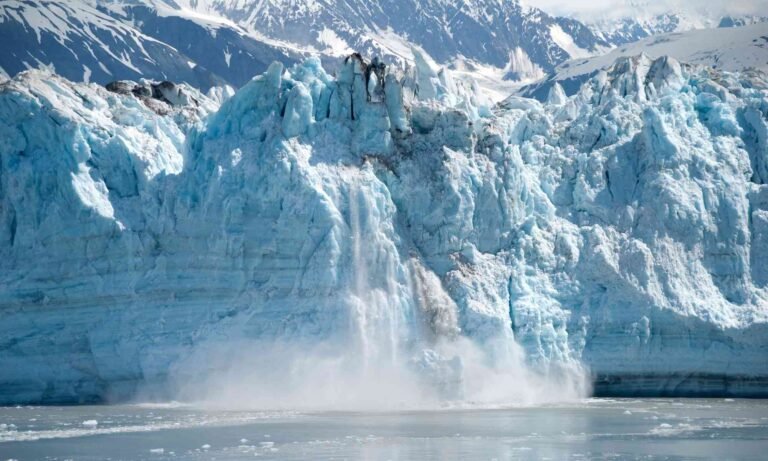
Climate Change represents one of the most critical threats to the Arctic oceans, and its effects are becoming increasingly pronounced. Rising global temperatures have led to significant alterations in these ecosystems, characterized by the melting of sea ice that serves as vital habitat for numerous marine species.
As this ice diminishes, it not only impacts species like polar bears and seals that depend on it for breeding and hunting but also influences the entire marine food web. The loss of stable ice platforms also disrupts migration and feeding patterns for many Arctic species, compounding the ecological strain.
Furthermore, the combination of warmer temperatures and melting ice contributes to ocean acidification, with about 30% of greenhouse gases absorbed by ocean waters. This change in pH levels can have detrimental effects on marine biodiversity, particularly organisms such as shellfish, which face difficulties forming their calcium carbonate shells. The ripple effects of these changes extend throughout the Arctic marine ecosystem, threatening the stability of fish populations and, consequently, the livelihoods of indigenous communities relying on these resources.
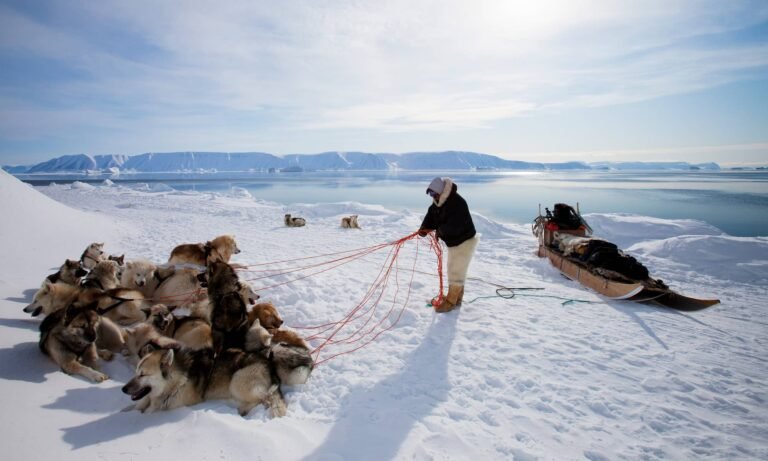
In addition to environmental changes, the cultural and economic implications for indigenous peoples in the Arctic are significant. As traditional hunting grounds shift or disappear due to climate-induced changes, these communities face not only the challenge of sustaining their way of life but also adapting to new realities brought forth by changing marine conditions. The disruption of local wildlife populations affects subsistence practices and underscores the need for adaptive strategies.
The urgency to understand and address the consequences of climate change on the Arctic oceans cannot be overstated. Global climate patterns are also influenced by the dynamics within these waters, as changes in the Arctic can have far-reaching effects on weather systems worldwide. In light of these developments, conservation efforts targeting Arctic seas are essential to promote resilience and ensure the protection of both biodiversity and the cultural heritage of the region.
Economic Activities
The Arctic Oceans are increasingly becoming a focal point for various economic activities due to their rich natural resources and strategic shipping routes. Traditional industries such as fishing have flourished in these waters, where species like cod, haddock, and herring are abundant. The fishing sector not only supports local communities but also contributes significantly to the economies of Arctic nations, which rely on sustainable practices to avoid overfishing and ensure long-term viability.
Shipping routes are another critical economic facet of the Arctic Oceans. The melting ice due to climate change has opened up new maritime pathways that significantly reduce shipping times between Europe and Asia. The Northern Sea Route and Northwest Passage are now accessible for larger vessels, promising lower transportation costs and accelerated trade. However, this also brings about environmental concerns, as increased shipping traffic poses risks to fragile marine ecosystems and wildlife.
Furthermore, the Arctic Oceans are home to vast reserves of oil and gas, igniting interest from international corporations and governments. Exploration activities have surged in recent years, driven by the potential for significant economic gains. Yet, the extraction of these resources raises important questions about environmental impacts, safety, and the rights of indigenous communities. The potential for oil spills and habitat destruction poses serious risks that could devastate local ecosystems.
As these economic activities expand, it is vital to consider the international regulations and agreements designed to govern them. Treaties such as the United Nations Convention on the Law of the Sea (UNCLOS) play a pivotal role in establishing guidelines for resource extraction and environmental protection. Balancing economic interests with conservation efforts is essential to ensuring the sustainability of the Arctic Oceans for future generations.
Future Research and Conservation Efforts
The Arctic oceans remain one of the last major frontiers of ecological research, and understanding their complex systems is increasingly urgent as climate change accelerates. Warming waters, shrinking ice caps, and shifting biodiversity demand continuous monitoring. Programs such as the Arctic Ocean Observing System (AOOS) provide real‑time data that help scientists track environmental change and build predictive models for future scenarios. These datasets are becoming indispensable as environmental shifts accelerate faster than historical baselines can explain.
Technological innovation is central to this work. Autonomous underwater vehicles (AUVs) now map the seafloor and observe marine life in detail, while satellite remote sensing tracks ice coverage, temperature shifts, and large‑scale ocean patterns. Together, these tools give researchers a more complete and dynamic view of the Arctic marine environment.
International cooperation is equally essential. Because the Arctic is shared by multiple nations, coordinated efforts – such as those supported by the Arctic Council – are critical for conservation and sustainable management. These partnerships help align environmental policies and ensure that scientific findings translate into protective measures.
Sustainable practices will ultimately determine the future of the Arctic oceans. As shipping, fishing, and resource extraction expand, strong regulations are needed to safeguard fragile ecosystems. Through research, technology, and collaboration, it is possible to balance development with ecological integrity and preserve the Arctic for generations to come. Without this balance, the region risks crossing ecological thresholds that cannot be reversed.
What’s More



The posts in My Blog feature reflective, story-driven pieces rooted in personal and societal insights. The topics in My Interests explore abstract, philosophical ideas and their cultural and social impact. The lines in My Quotes share brief reflections that highlight clear insights shaped by lived experience. Subscribe to get Site Updates and be notified whenever new content is published.
👁️ 6,340 Views