


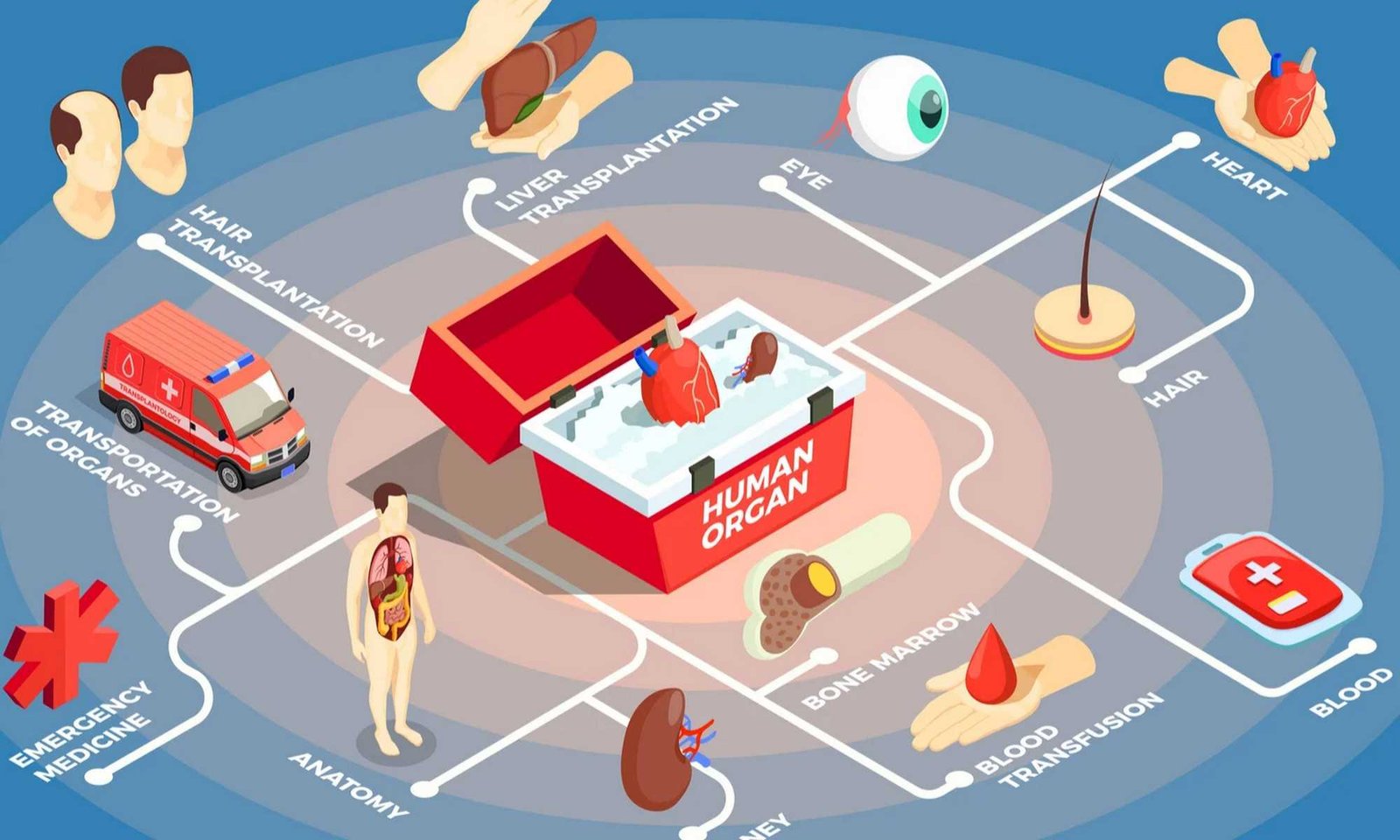
Organ markets refer to the systems and frameworks through which organs are bought, sold, or exchanged, primarily for transplantation purposes. These markets can be categorized into regulated and unregulated forms. In regulated markets, specific laws and ethical guidelines govern the procurement and distribution of organs, ensuring sanitation, transparency, and fairness. Examples of regulated markets are found in countries like Spain, where the system operates under strict government oversight to prevent illegal activities and ensure equitable access to transplant services. Conversely, unregulated markets operate outside formal structures, often leading to unethical practices, exploitation of vulnerable populations, and significant health risks.
The current state of organ transplantation reveals a profound global crisis, characterized by substantial shortages and increasing demand. According to the World Health Organization (WHO), millions of people worldwide suffer from end-stage organ failure, yet only a fraction receive the organs they need for survival. In the United States alone, over 100,000 individuals are on waiting lists for organ transplants, with many facing dire consequences due to the prolonged wait times. This dire situation is mirrored in many regions worldwide, prompting discussions on the potential role of organ markets in bridging this gap.
Organ markets function differently across numerous countries, with varying degrees of legality and ethical implications. For instance, countries like Iran have implemented a legal system that allows for compensated organ donation, resulting in a decrease in wait times. However, this approach has sparked ethical debates about the commodification of human life. On the other hand, illegal organ trades flourish in chaotically regulated regions, where individuals resort to desperate measures to obtain financial stability, often leading to severe exploitation. Overall, understanding the dynamics of organ markets is crucial for addressing the pressing challenges in organ transplantation today.
3D Printing: A Revolutionary Approach to Organ Transplants

3D printing technology, particularly in the realm of bioprinting, has emerged as a promising solution to the ongoing crisis of organ shortages for transplantation. By utilizing advanced techniques, researchers can create complex structures that mimic the natural architecture of human tissues. The bioprinting process involves the precise layering of living cells and biomaterials to construct functional organ-like structures. This innovation not only addresses the immediate need for organs but also has the potential to eliminate transplant rejection issues, as the printed organs can be created using a patient’s own cells.
Recent advancements have demonstrated the feasibility of producing a wide array of tissues, from basic skin cells to more complex organ models such as hearts and kidneys. A notable breakthrough in this field occurred when scientists successfully printed a miniature human heart using living cells, showcasing the potential to recreate intricate organ functions. This achievement paves the way for future developments in creating fully functional organs that could be viable for transplantation.
Moreover, ongoing studies are exploring the integration of 3D-printed organs with traditional transplant protocols. Researchers are investigating how these bioprinted structures can be vascularized, meaning they develop a network of blood vessels, thus ensuring that the organs receive adequate nutrients and oxygen post-transplantation. As efforts continue to evolve, the prospect of 3D printing organs reflects a paradigm shift in how we approach organ transplant challenges.
In summary, the integration of 3D printing technology into organ transplant development represents a groundbreaking potential to alleviate the persistent shortages. With its ability to create patient-specific organs and reduce the chances of rejection, bioprinting holds the promise of revolutionizing the field of transplantation and significantly improving patient outcomes in the years to come.
Ethical Considerations in Organ Commerce
The debate surrounding organ commerce raises critical ethical questions that require careful examination. Advocates for organ markets argue that allowing the sale of organs could alleviate the severe shortages currently faced by transplantation programs. Proponents emphasize the autonomy of individuals to make decisions regarding their own bodies, suggesting that consenting adults should possess the right to sell their organs for financial gain. However, the ethical implications of commoditizing human organs present significant dilemmas.
One of the primary concerns is the potential for exploitation of vulnerable populations. In many instances, economically disadvantaged individuals may feel compelled to sell their organs out of financial desperation. This raises profound ethical questions around consent, as the distinction between voluntary choice and coercive circumstances can become blurred. Critics argue that a market-driven approach might exploit the impoverished, essentially turning their bodily integrity into a commodity that wealthier individuals can purchase.
Furthermore, the moral implications of allowing financial transactions for organs can lead to societal inequities. Those who can afford to pay for organs may receive preferential treatment in access to transplants, potentially creating a two-tiered healthcare system. Philosophers such as Kant have posited that treating human beings as means to an end undermines the intrinsic value of human life. Additionally, case studies, such as the organ markets in countries like Iran, demonstrate both the potential benefits of regulated systems and the ethical pitfalls when commercialization goes unchecked.
In order to foster an ethical dialogue, it is essential to navigate these complexities by considering alternative solutions to organ shortages, such as encouraging voluntary donations or implementing incentive structures that do not compromise ethical standards. The implications of organ commerce tap into fundamental questions about human dignity, societal norms, and the moral framework through which we view the sanctity of life.
Impact of Organ Markets on Healthcare Systems
The establishment of organ markets represents a significant shift in the way healthcare systems address the urgent need for organ transplants. Proponents of organ markets argue that they could lead to a decrease in waiting times for those in need of transplants. By creating a regulated system where individuals can sell their organs, the supply of available organs may increase, thereby meeting the demand more effectively. This system could potentially save lives and enhance the overall efficiency of transplant procedures.
However, while the benefits might seem promising, the implementation of organ markets also raises serious ethical concerns and issues of inequality within healthcare systems. One of the primary drawbacks is the risk of exacerbating existing disparities in access to healthcare services. Individuals from lower socioeconomic backgrounds may feel pressured to sell their organs due to financial constraints, creating a scenario where wealthier individuals have more access to lifesaving procedures. Consequently, this could deepen health inequities, hindering progress in universal healthcare access.
Evidence from countries that have adopted various forms of organ markets sheds light on these complex interactions. For instance, in Iran, where a regulated organ sale system exists, studies indicate a reduction in waiting times for kidneys. Yet, the system is not without controversy, as it has faced criticism for preying on vulnerable populations. Furthermore, the long-term health outcomes for both donors and recipients in such markets require careful evaluation to ensure that the benefits do not come at an unacceptable ethical cost.
Ultimately, while organ markets could boost the availability of organs and streamline transplant processes, a comprehensive understanding of their impact on healthcare systems necessitates a balanced examination of both benefits and potential drawbacks to inform effective policy development.
Future Perspectives: Legalizing Organ Markets?
The discussion surrounding the legalization of organ markets has gained significant traction in recent years, fueled by increasing organ shortages and advancements in medical technology. One of the most critical aspects of this conversation is the need to establish a regulatory framework that ensures ethical practices and prioritizes donor safety. Advocates argue that a legal organ market could help alleviate the crisis of organ shortages, providing patients with timely access to transplants while ensuring that donors are fairly compensated for their contributions.
In exploring potential frameworks for legal organ markets, countries such as Iran offer existing models. Iran’s regulated system allows for the sale of kidneys, which has reportedly led to reduced waiting times for recipients and increased donor participation. However, such a model raises complex ethical questions regarding exploitation and the potential commodification of human life. As we reflect on these challenges, it is essential to consider safeguards that could prevent coercion and ensure that participation is entirely voluntary and informed.
Innovations in transplantation technology also play a crucial role in determining the future of organ markets. Advances in bioengineering, such as the development of artificial organs and organ regeneration techniques, could significantly reduce the demand for human organs. Nonetheless, in the interim, addressing the existing gap in organ supply remains urgent. Public opinion surrounding organ sales is varied, with some expressing support for legal markets as a pragmatic solution and others raising concerns about the moral implications of buying and selling human organs.
This debate ultimately poses vital questions about the potential transformation of organ donation practices. A legal organ market could introduce new dynamics in organ transplantation, reshaping both ethical considerations and public perceptions. As society navigates these complex issues, prioritizing compassion and ethical integrity remains paramount. Ultimately, the path forward will require thoughtful collaboration among policymakers, medical professionals, and ethicists. Only through such collective effort can a system emerge that balances innovation with humanity.
What’s More



The posts in My Blog feature reflective, story-driven pieces rooted in personal and societal insights. The topics in My Interests explore abstract, philosophical ideas and their cultural and social impact. The lines in My Quotes share brief reflections that highlight clear insights shaped by lived experience. Subscribe to get Site Updates and be notified whenever new content is published.
👁️ 8,575 Views