Author: Eric Roth

  • Hear the Colors

    Synesthesia

    What color is Tuesday? Exploring synesthesia – by TED-Ed

    Synesthesia is a fascinating neurological condition characterized by the involuntary experience of sensory phenomena in a secondary pathway. This means that stimulation of one sensory modality automatically triggers an experience in another. For instance, individuals with grapheme-color synesthesia may perceive numbers and letters as being associated with specific colors. In such cases, the sight of the letter “A” might invoke a vivid red hue, while the number “2” may appear as bright blue. These unique sensory associations are not just personal interpretations but are consistent and reproducible for those who experience synesthesia.

    Another common form is sound-color synesthesia, where auditory stimuli induce visual sensations. For example, particular musical notes or sounds might conjure up images of colors or shapes, creating a rich, multi-sensory experience. It is essential to recognize that synesthesia is not a disorder but rather a variation in human sensory perception, and its effects can differ significantly among individuals. Some may have strong and vivid associations, while others might experience them more subtly.

    The Science Behind Synesthesia

    Synesthesia is a fascinating phenomenon characterized by the intertwining of sensory modalities, where stimulation of one sensory pathway leads to involuntary experiences in another. The neurological basis of synesthesia has intrigued scientists, leading to various theories regarding its mechanisms. One prominent theory suggests that synesthesia may result from cross-wiring or increased connectivity in the brain. This means that the regions responsible for processing different sensory information may communicate more freely in individuals with synesthetic tendencies, thereby causing blended sensory experiences.

    Brain imaging studies have provided valuable insights into the neural underpinnings of synesthesia. For instance, functional Magnetic Resonance Imaging (fMRI) has shown that synesthetes exhibit heightened activity in specific brain regions when exposed to stimuli that trigger their synesthetic perceptions. This heightened connectivity is often observed between regions associated with the senses being combined, such as the visual and auditory cortices. Such findings lend support to the hypothesis that cross-modal integration is altered in synesthetes, allowing them to perceive the world in a more vibrant and interconnected manner than non-synesthetes.

    Moreover, genetic factors may play a significant role in the prevalence of synesthetic traits, as some studies have suggested a heritable component. Research has indicated that synesthesia can run in families, hinting at the possibility of a genetic basis that predisposes individuals to develop these unique sensory experiences. Investigating the genetic aspects of synesthesia may not only enhance our understanding of this neurological phenomenon but also shed light on broader questions about the genetic influences on sensory processing in the brain.

    Experiencing Synesthesia: Personal Accounts

    Individuals with synesthesia often describe their experiences in profoundly colorful terms. For many, the intertwining of senses results in a unique perception of the world.

    • Take, for example, the experience of a musician named Lucas, who perceives music not merely as sound but as a vibrant spectrum of colors. To him, a D major chord shines bright yellow, while an A minor resonates in deep indigo. “It’s like a visual dance,” Lucas explains, “where every note paints its own brushstroke across the canvas of my mind.” This synesthetic perception enhances his musical compositions, allowing him to create pieces that evoke specific colors, transforming them into vivid auditory-visual experiences for his audience.
    • Similarly, artist Maria describes how synesthesia plays a crucial role in her artistic process. She associates letters and numbers with distinct colors; for instance, the letter ‘A’ is a fiery red, while ‘B’ is a calming blue. Maria admits that her artwork is heavily influenced by these associations. “When I paint, I try to portray the emotions I feel from each letter,” she shares. Her canvases are an explosion of colors representing her personal alphabet, illustrating the strong emotional connections she forms with each character. This captivating method not only enhances her creativity but also allows her to engage viewers on a deeper level.
    • Moreover, writer Alex narrates his experiences using synesthesia as a source of inspiration. He often associates vivid colors with specific emotions, and this connection informs his narrative style. “When I think of sadness, I see it as a dull gray,” he mentions. This blend of sensory experiences enriches his storytelling, enabling readers to engage with characters’ emotions in new and evocative ways.

    Although each synesthete shares a unique experience, their accounts converge on a common theme: synesthesia profoundly influences their creativity, transforming the mundane into the extraordinary. Through their personal anecdotes, we gain insight into the colorful world of sensory crossovers that define their lives.

    Shaping Own Evolution
    Neil Harbisson: I listen to color

    Like other species, we are the products of millions of years of adaptation. Now we’re taking matters into our own hands.

    Meet the cyborg Neil Harbisson, a cyborg artist and transpecies activist based in New York City. He is best known for being the first person in the world with an antenna mounted to his skull and for being legally recognized as a cyborg by a government.

    Artist Neil Harbisson was born completely color blind, but these days a device attached to his head turns color into audible frequencies.

    Instead of seeing a world in grayscale, Harbisson can hear a symphony of color – and yes, even listen to faces and paintings. This unique ability transforms his perception of the world, blending art, technology, and human experience in an extraordinary way.

    “The best voices, whether blue or green or lavender, are full of flashes of light.”

    – John Rummell

    “The Color of Sound,” in Werner’s Magazine, 1897

    Living with Synesthesia: Benefits and Challenges

    People with synesthesia experience both advantages and challenges. One key benefit is enhanced memory, as their sensory crossovers create vivid mental associations that improve recall. For instance, someone who sees colors when looking at letters may find it easier to memorize complex sequences, such as mathematical formulas or foreign vocabulary. This ability is especially useful in academic and professional settings, where strong memory retention offers a significant advantage.

    Another benefit is increased creativity. Many artists, musicians, and writers identify as synesthetes, attributing their unique sensory experiences to their imaginative ideas. Seeing colors when hearing music or tasting flavors when reading can enrich the creative process, offering a distinctive perspective that sets them apart. These multi-sensory perceptions inspire originality and diversity, allowing synesthetes to make meaningful contributions to the arts, often blending sensory elements in unique ways that resonate deeply with audiences.

    Despite these enriching experiences, synesthesia also presents challenges. Many synesthetes face misunderstanding from those who struggle to grasp their sensory world, leading to frustration or isolation. Additionally, environments with excessive stimuli can cause sensory overload, making information processing overwhelming. Finding effective coping strategies, such as mindfulness or structured routines, can help mitigate these difficulties. Raising awareness is essential to fostering understanding and appreciation, enabling society to embrace synesthetes’ unique experiences while recognizing both their talents and struggles.

    What Is It Like To Have Synesthesia? – by The Royal Institution

    What’s More

    The posts in My Blog feature reflective, story-driven pieces rooted in personal and societal insights.

    The topics in My Interests explore abstract, philosophical ideas and their cultural and societal impact.


  • The Impact of AI on the Society

    AI’s Role in Society

    Understanding AI: A Primer

    Artificial Intelligence (AI) is a multidisciplinary field focused on creating machines capable of performing tasks that typically require human intelligence, such as reasoning, learning, problem-solving, perception, and language understanding. AI’s origins trace back to the mid-20th century, with milestones like Alan Turing’s work on computation and the Turing Test, designed to assess a machine’s ability to mimic human intelligence. Over time, AI has advanced significantly, driven by improvements in computer science, data availability, and computational power.

    One major AI domain is machine learning, which enables computers to learn from data and make predictions, leading to breakthroughs in recommendation systems, fraud detection, and predictive analytics. Meanwhile, natural language processing (NLP) helps machines understand and respond to human language, powering virtual assistants and voice-activated devices. Computer vision further enhances AI’s capabilities, enabling facial recognition and autonomous vehicles, opening doors to various real-world applications.

    The impact of AI extends beyond convenience, significantly transforming industries like healthcare, finance, education, and transportation. These advancements optimize efficiency while improving service quality. However, AI’s growing presence also raises concerns about automation replacing jobs and disrupting employment patterns. While AI creates new opportunities, it may exacerbate economic disparities if workers lack the necessary skills for evolving roles.

    Ensuring an equitable transition requires prioritizing workforce reskilling and developing policies that prepare employees for an AI-driven future. By fostering adaptability and ethical AI development, society can harness the potential of artificial intelligence while addressing its challenges. A balanced approach to regulation, innovation, and skill development will be essential in shaping a future where AI complements human capabilities rather than replacing them.

    AI’s Transformative Impact on Industries

    The integration of artificial intelligence (AI) into various industries marks a significant shift in operational capabilities and service delivery. One of the most profound impacts of AI can be witnessed in the healthcare sector. Through predictive analytics, AI systems can analyze vast sets of medical data to identify patterns that inform patient care. This capability enables healthcare professionals to anticipate potential health crises and deliver personalized treatment plans, ultimately improving patient outcomes. However, the reliance on AI systems also raises concerns over data privacy and the ethical implications of automated decisions.

    In finance, the influence of AI is similarly transformative. Financial institutions employ algorithmic trading systems that analyze market trends in real-time, allowing for rapid decision-making that can outperform traditional trading methods. Additionally, AI enhances risk management by providing insights into credit assessments and fraud detection. While these technologies contribute to increased efficiency and profitability, they also present challenges, such as the potential displacement of jobs traditionally held by human analysts and traders.

    The education sector is another area significantly shaped by AI innovations. Personalized education experiences powered by AI algorithms can adapt learning materials and teaching strategies to fit individual student needs and learning paces. By analyzing learning data, educational institutions can better support at-risk students and improve overall academic performance. Nonetheless, this personalization can also lead to questions regarding equity in access to advanced technologies and the ramifications of relying heavily on software for educational processes.

    Transportation is witnessing a revolution due to AI advancements as well, particularly in the development of autonomous vehicles. These vehicles promise to enhance road safety and improve traffic efficiency. However, the introduction of AI-driven cars brings forth regulatory challenges and the societal implications of a potentially reduced demand for driving-related jobs.

    As AI continues to reshape these key sectors, it is essential to navigate its benefits and challenges carefully, considering its profound implications on businesses, economies, and job markets. A collaborative approach among policymakers, industry leaders, and researchers will be crucial in ensuring AI development aligns with ethical standards and societal needs.

    The Future of AI in Society

    The future of artificial intelligence (AI) holds immense potential, promising to reshape various aspects of modern life. As AI technologies continue to advance, the integration of machine learning, natural language processing, and automation into everyday processes will likely become more pronounced. One significant emerging trend is the increasing collaboration between humans and AI, which aims to enhance decision-making across various industries, from healthcare to finance. This synergy has the potential to improve efficiency and accuracy, ultimately benefiting society as a whole.

    Public policy will play a crucial role in shaping the trajectory of AI development and its implementation in society. Policymakers must strike a balance between fostering innovation and ensuring safety by establishing regulations that promote ethical practices. These regulations can help prevent misuse of AI technologies, addressing issues such as data privacy, algorithmic bias, and the potential for job displacement. Moreover, constructive dialogue among governments, tech companies, and civil society will be essential for creating an inclusive framework that leads to responsible AI deployment.

    As AI continues to gain prominence, tech companies must take on the responsibility of ensuring ethical AI practices in their operations. These organizations should prioritize transparency, fairness, and accountability in the development of AI applications. Implementing guidelines for ethical AI use can help build trust among users, as communities become increasingly reliant on these technologies for various functions.

    In parallel, education and skill development will be vital in preparing individuals for an AI-driven future. To ensure that the workforce can adapt to evolving demands, educational institutions should revise curricula to emphasize digital literacy and critical thinking. By empowering people with the necessary skills, society can better navigate the complexities of an AI-oriented landscape and harness the technology’s full potential.

    Ethical Considerations and Societal Challenges

    The integration of artificial intelligence (AI) into various aspects of society presents a multitude of ethical dilemmas and societal challenges. One of the foremost concerns is data privacy. As AI systems increasingly rely on vast volumes of personal data to train algorithms and enhance decision-making processes, the risk of sensitive information being misused or inadequately protected becomes a pressing issue. Creating robust data protection frameworks is essential to safeguard individuals’ privacy rights while facilitating innovation in AI.

    Another significant challenge is algorithmic bias. AI systems are often trained on historical data, which may contain prejudices. Consequently, these biases can perpetuate or even amplify inequalities when AI is employed in critical areas such as hiring practices, law enforcement, and loan approvals. To counteract this, it is vital to ensure that AI systems are designed with fairness and inclusivity in mind, involving diverse teams in the development process and ongoing assessments to identify and mitigate biases.

    The implications of surveillance technology represent another complex ethical consideration. While AI can enhance security and efficiency in various sectors, its deployment in surveillance raises questions about civil liberties and personal freedoms. The potential for pervasive monitoring can lead to a chilling effect on free expression, thereby requiring thoughtful regulation and oversight to strike a balance between security and individual rights.

    However, beyond incremental technological advancements, a more profound shift looms – the Tech Singularity, a hypothetical point at which AI surpasses human intelligence, leading to exponential and unpredictable transformation. As AI systems become increasingly autonomous, the nature of work itself may be fundamentally redefined, with traditional job roles being augmented or even replaced by hyper-intelligent systems capable of self-improvement. This evolution raises crucial questions about the relevance of human labor, ethical considerations in AI-driven decision-making, and the necessity for reimagining economic models that ensure equitable distribution of wealth in a post-labor society.

    What’s More

    The posts in My Blog feature reflective, story-driven pieces rooted in personal and societal insights.

    The topics in My Interests explore abstract, philosophical ideas and their cultural and societal impact.

  • Future of Work is Hybrid

    The Future of Work

    Understanding Automation and AI in the Workforce

    The intersection of automation and artificial intelligence (AI) is significantly transforming the landscape of work across various industries. As organizations increasingly adopt these technologies, they enhance operational efficiency, reduce costs, and improve accuracy in numerous tasks. Automation primarily involves the use of technology to carry out routine processes, while AI enables machines to simulate human intelligence through learning, reasoning, and self-correction.

    Many sectors, including manufacturing, healthcare, finance, and logistics are experiencing profound changes due to these advancements. For instance, in manufacturing, robots and automated systems have taken over repetitive assembly tasks, diminishing the need for manual labor while increasing production rates. In healthcare, AI algorithms are aiding in diagnostics, enabling professionals to focus more on patient interaction rather than administrative duties. This shift demonstrates how automation can complement human expertise rather than entirely replace it.

    However, the rapid adoption of these technologies also raises concerns about job displacement. Positions that require minimal skill or can be efficiently performed by machines are at risk; for example, data entry clerks and routine analysis jobs may see a decline. Consequently, workers in these roles must evolve and adapt to the changing demands by acquiring new skills that align more closely with technology-driven environments. Reports indicate that roles requiring critical thinking, creativity, and emotional intelligence are on the rise, highlighting the importance of human labor in conjunction with automation.

    Several case studies illustrate the beneficial roles of automation and AI in the workforce. Companies that have integrated these technologies often report increased productivity and employee satisfaction. Moreover, experts suggest that as job displacement occurs, a parallel emergence of new roles focused on technology management, data analytics, and machine learning will offer opportunities for re-skilling and professional growth. In summarizing, while automation and AI present challenges, they also create avenues for innovation that can redefine the future of work.

    Shifting Global Markets and Their Impact on Careers

    The landscape of global markets is experiencing significant transformation, an evolution that is reshaping career opportunities across various sectors. As economies become increasingly interconnected due to advancements in technology and communication, professionals must understand the dynamics at play in these shifting markets. The rise of remote work, fueled by the global response to the recent pandemic, has created new pathways for employment that transcends geographical limitations. This development has led to an increase in job options for many, but it also requires individuals to embrace new working methodologies.

    Another notable trend is the growth of the gig economy, where freelance and contract work is becoming more prevalent. This shift away from traditional, full-time employment allows for greater flexibility and autonomy in one’s career. However, it also necessitates a proactive approach to career management, as individuals now bear the responsibility of securing their own work opportunities and income streams. Embracing this model requires professionals to be adaptable and open to diverse forms of employment, which may include short-term contracts, project-based assignments, or portfolio careers.

    Successful navigation of these evolving career paths hinges on one critical capability: adaptability. Professionals must continually update their skills to meet the demands of a rapidly changing job market. This shift towards a lifelong learning mindset is essential as technological innovations consistently reshape industry standards. As automation and artificial intelligence redefine job functions, individuals must seek opportunities to enhance their qualifications and remain competitive. Continuous learning, whether through formal education, online courses, or self-directed study, will empower professionals to stay relevant and thrive in a work environment characterized by uncertainty and rapid change.

    Redefining Work-Life Balance in a Tech-Driven World

    As technology continues to reshape our daily lives, traditional notions of work-life balance are undergoing significant transformation. The introduction of automation and artificial intelligence in the workplace allows for unprecedented flexibility, enabling professionals to manage their time more effectively. Remote work, once a privilege reserved for select employees, has now become commonplace, facilitating a better integration of personal and professional responsibilities. This shift, while presenting benefits, also introduces challenges that must be thoughtfully navigated.

    Technology-driven work offers flexible hours, allowing employees to tailor schedules around personal commitments and boost productivity. Remote work has been linked to higher job satisfaction, improved mental health, and overall well-being. However, constant digital connectivity can blur the boundaries between work and personal life, leading to expectations of round-the-clock availability. Organizations must encourage clear boundaries, ensuring employees disconnect outside of work hours. Mental health experts suggest setting designated workspaces and schedules to reduce stress and enhance focus. Thoughtful workplace policies that balance autonomy with structured expectations can help maintain a healthier work-life integration.

    Companies with successful work-life balance initiatives show that flexibility and supportive practices create healthier environments. Structured remote work strategies, such as periodic in-person collaboration and clear communication guidelines, improve engagement and efficiency. Cultivating a work culture that accommodates autonomy while reinforcing necessary structure helps employees stay productive without sacrificing personal time. As technology reshapes work dynamics, fostering adaptability and resilience will be key to sustaining a balanced and fulfilling professional life.

    The landscape of employment is poised for significant transformation driven by advances in automation and artificial intelligence (AI), as well as shifts occurring within the global economy. As these technological advancements permeate various industries, the demand for specific skills is expected to evolve, leading to new job roles and opportunities. A growing emphasis on digital literacy, adaptability, and critical thinking will shape the skillsets that employers seek in prospective employees.

    Automation is projected to redefine job roles, rendering repetitive tasks obsolete while simultaneously creating new positions focused on oversight and maintenance of automated systems. Consequently, jobs that require a higher degree of creativity, emotional intelligence, and complex problem-solving will gain importance, underscoring the necessity for workers to develop these skills. The ability to collaborate with AI will likely become a crucial aspect of many jobs, emphasizing the need for ongoing professional development and training.

    However, beyond incremental technological advancements, a more profound shift looms – the Tech Singularity, a hypothetical point at which AI surpasses human intelligence, leading to exponential and unpredictable transformation. As AI systems become increasingly autonomous, the nature of work itself may be fundamentally redefined, with traditional job roles being augmented or even replaced by hyper-intelligent systems capable of self-improvement. This evolution raises crucial questions about the relevance of human labor, ethical considerations in AI-driven decision-making, and the necessity for reimagining economic models that ensure equitable distribution of wealth in a post-labor society.

    As global market conditions shift, traditional full-time employment may give way to more freelance, contract, and gig work. This flexible labor market offers new opportunities but also raises concerns about benefits and stability. To remain competitive, workers must build strong personal brands and network strategically. Meanwhile, the approaching singularity presents both promise and uncertainty. AI may enhance efficiency and problem-solving but requires careful oversight to ensure it complements, rather than replaces, human labor. Thoughtful policies and adjustments in education will be crucial in preparing the workforce for this transformation.

    Embracing these employment trends is essential for individuals and organizations alike. Adapting to AI-driven automation and evolving job structures will shape the future of work. By developing relevant skills, fostering ethical AI practices, and creating flexible employment models, workers can better navigate this changing landscape. Policymakers must also promote sustainable economic frameworks to ensure AI benefits society equitably. Balancing innovation with regulation will be vital in maintaining an inclusive and stable job market in the years ahead.

    What’s More

    The posts in My Blog feature reflective, story-driven pieces rooted in personal and societal insights.

    The topics in My Interests explore abstract, philosophical ideas and their cultural and societal impact.

  • White Light (Sum of all Colors)

    White Light

    White light can be defined as the combination of all colors within the visible spectrum. It is characterized by its ability to render a broad array of hues perceptible to the human eye. The primary colors of light – red, green and blue – combine in equal measure to form white light. This phenomenon can be observed in various light sources, including the sun, incandescent bulbs, and light-emitting diodes (LEDs).

    The sun, being the most significant natural source of white light, emits a wide spectrum of wavelengths. When sunlight passes through a prism, it disperses into a spectrum of colors, illustrating how white light is composed of red, orange, yellow, green, blue, indigo, and violet. This dispersion occurs because different colors of light travel at different speeds when passing through the prism material, leading to the perception of various colors.

    Incandescent bulbs function by heating a filament inside the bulb until it glows, producing white light as a byproduct. The light generated is a mix of various wavelengths, resulting in the emission of an extensive range of colors. Similarly, LEDs operate differently; they generate light through electroluminescence, wherein electrons recombine with holes within the device, releasing energy in the form of light. A combination of different colored LEDs can effectively produce white light when mixed together.

    Furthermore, understanding how our eyes perceive white light involves various scientific principles. Our retinas contain photoreceptor cells – cones that are sensitive to different wavelengths of light. When these cones detect white light, they send signals to the brain, allowing for the interpretation of the multiple colors that make up the light. The integration of these signals results in the full color spectrum, emphasizing that white light is not merely a singular entity but rather a harmonious mixture of multiple colors. The interplay between light sources and our visual perception is fundamental to our understanding of white light.

    “I think the end is endless. It’s either a big black hole or a big white light or both together. But it’s totally meaningless, because even if someone would explain it, I wouldn’t understand it.”

    – Yehuda Amichai

    The Science Behind Color Mixing

    The phenomenon of color mixing is rooted in the physics of light, particularly in how various wavelengths interact to create a perceived color. When it comes to light, the additive color mixing process is fundamental in demonstrating the creation of white light. This process involves the combination of different colors of light rather than pigments. The primary colors of light – red, green and blue – play an essential role in this mixing method.

    When red, green, and blue lights are combined in equal proportions, they produce white light. This principle operates on the premise that light, unlike pigments, combines by adding wavelengths together. For instance, if one were to shine a red light and a green light together, the overlap of these two colors results in the perception of yellow. Therefore, the combinations of these primary light colors can create an entire spectrum of colors. This interplay can be observed in everyday occurrences, such as a rainbow or the use of prisms.

    Rainbows are a splendid example of natural color mixing, illustrating how sunlight refracts through water droplets in the atmosphere. As the light passes through the droplet, it bends and separates into its constituent colors, creating a visible spectrum. Prisms similarly demonstrate this light behavior, providing a visual representation of how light can decompose into individual colors when refracted. This showcases the scientific mechanism behind additive color mixing, reinforcing how our understanding of light and color influences various applications, from digital screens to stage lighting.

    The synthesis of red, green and blue light forming white light not only reveals the interactions of light but also showcases the foundational elements of color perception in our visual world. This principle is essential in modern technologies, including digital displays and theatrical lighting, where precise color manipulation enhances visual experiences. Understanding these mechanisms deepens our appreciation of the intricate relationship between light and color in both natural and artificial environments.

    Newton’s Light Spectrum Experiment | BBC Earth Science (presented by Brian Cox)

    Applications of White Light

    White light, defined as a mixture of all colors in the visible spectrum, plays a crucial role in various technological applications and artistic endeavors. The advent of advanced lighting technologies has revolutionized the way we utilize white light for practical purposes. Notably, light-emitting diodes (LEDs) have gained prominence due to their energy efficiency and long lifespan. This technology allows for the development of versatile lighting solutions in both residential and commercial settings. Similarly, laser lights have transformed applications in fields such as telecommunications, medicine, and entertainment. These innovations highlight the importance of white light in enhancing functionalities, efficiency, and aesthetics in our daily lives.

    In the realm of art and design, white light becomes an essential tool for artists to create captivating visual experiences. Artists often use it to manipulate environments and evoke specific emotions. For instance, installations that employ white light can drastically change perceptions of space and enhance the viewer’s experience. Through careful consideration of intensity, angle, and color temperature, artists establish focal points and create dramatic contrasts. Such techniques are apparent in contemporary art, where light installations challenge traditional mediums and encourage innovative interactions with audiences.

    Moreover, white light plays a significant role in photography and cinematography, where it serves as a standard reference for color accuracy. Photographers and filmmakers rely on various lighting setups to achieve desired effects, relying on the properties of white light to accurately render colors and details. Soft white light can create a natural appearance, while harsher light can produce dramatic shadows and highlights. This adaptability reinforces white light’s significance in visual arts, making it an indispensable component for artists aiming to enhance the realism of their work and the emotional impact of their narratives.

    White Light – by George Michael
    George Michael

    George Michael, a pop legend, captivated audiences with his powerful voice and poignant lyrics. Rising to fame with Wham!, he later launched a stellar solo career, cemented by his album Faith, featuring hits like Careless Whisper and Father Figure. His music blended pop, soul, and R&B, earning him two Grammy Awards and global acclaim. Beyond music, his stance on social issues and message of self-acceptance resonated deeply. Even after his passing in 2016, his legacy endures, inspiring generations with his artistry and values.

    The Impact of White Light

    White light serves as a crucial element in our everyday experiences, impacting our mood, perception, and productivity in various environments. It is composed of all colors in the visible spectrum, which allows us to perceive our surroundings in full detail. The presence of white light, particularly in our homes and workplaces, plays a significant role in shaping our psychological and physiological responses.

    Natural sunlight, as the primary source of white light, has been shown to enhance well-being effectively. Exposure to natural light stimulates the production of serotonin, often referred to as the “feel-good” hormone, promoting a positive mood and enhancing emotional stability. In contrast, artificial white light sources, such as fluorescent or LED lighting, can create varied atmospheres and have distinct effects on our emotional states. While some artificial options may mimic natural light, they often fall short in producing the same level of emotional benefits, impacting overall health and well-being.

    Moreover, the quality and intensity of light in work environments can significantly influence productivity. Studies indicate that well-lit spaces contribute to better concentration, improved performance, and enhanced creativity. Conversely, inadequate or harsh artificial lighting can lead to eye strain, fatigue, and decreased motivation. As such, it is essential for both home and workplace settings to optimize white light conditions to foster a more conducive atmosphere for productivity and comfort.

    To maximize the benefits of white light, consider incorporating a combination of natural light during the day and strategically placed artificial lighting at night. Utilize light-colored walls and furnishings to reflect light and make spaces appear brighter. In workspaces, adjustable lighting can cater to individual needs and task requirements. By understanding the impact of white light and thoughtfully designing our environments, we can enhance not only our productivity but also our overall quality of life.

    What’s More

    The posts in My Blog feature reflective, story-driven pieces rooted in personal and societal insights.

    The topics in My Interests explore abstract, philosophical ideas and their cultural and societal impact.

  • Old Ghost Town

    Hometowns

    A hometown is more than just a geographical location – it is a place deeply tied to identity, emotional connection, and cultural heritage. It serves as a tapestry woven with relationships, traditions, and formative experiences that shape both individual and collective identities. The values, customs, and practices of a hometown reflect its history and the unique experiences of its people, fostering a strong sense of belonging. Local festivals, traditional cuisine, and folklore play vital roles in preserving cultural heritage, reinforcing communal ties, and passing down narratives through generations. Dialects and regional vernacular further contribute to local identity, reflecting linguistic diversity and evolution.

    While some define their hometown as their birthplace, others associate it with places where they grew up or formed lasting memories. Life changes such as migration or personal growth can reshape this relationship, often leading to nostalgia that honors the past while acknowledging its lasting influence. The familiarity of hometown landscapes, from childhood playgrounds to family homes, provides comfort and strengthens the bond with one’s roots. Ultimately, a hometown is not just a place of residence but a fundamental part of who we are, preserving traditions and shaping values that endure across generations.

    Opportunities And Challenges

    Hometowns play a crucial role in shaping personal and professional development. Their tight-knit communities foster strong social bonds, providing support that influences decision-making, career choices, and life paths. Local businesses and organizations offer opportunities for growth through internships, apprenticeships, and entry-level positions, helping individuals develop skills in a familiar and supportive environment.

    However, small towns often face challenges such as limited resources and economic opportunities, which can hinder career advancement. Restricted access to diverse job markets and specialized training may prompt some to seek better prospects elsewhere, leading to a talent drain that affects local sustainability. Despite these challenges, leveraging hometown relationships and resources can foster personal growth while contributing to community vitality, making hometowns both a foundation for success and a catalyst for development.

    Nostalgia VS Progress

    Hometowns serve as the foundation of personal history, filled with cherished memories of familiar streets, homes, and people. However, modernization and globalization are transforming these once-static places, creating a mix of nostalgia and ambition as individuals witness change.

    Urbanization reshapes familiar settings, sometimes evoking a sense of loss as old establishments give way to modern developments. While progress is inevitable, preserving a hometown’s essence – its culture, traditions, and community – remains vital. Striking a balance between heritage and innovation through revitalization efforts helps maintain a sense of belonging. Ultimately, hometowns not only reflect our past but continue to shape our identities in an evolving world.

    “Where we love is home – home that our feet may leave, but not our hearts.”

    – Oliver Wendell Holmes Sr.

    My Hometowns: >10 Years Each

    Let me introduce you to my hometowns -> Towns where I have lived for more than ten years each:

    The Charm of Thun, CH

    The city of Thun which is located at the lower end of the lake Thun is where I grew up and the gate to the Bernese Oberland. The historic Old Town is situated about one kilometer from the shore of the Lake Thun on the river Aare.

    Turreted Thun Castle, from the 1100s, stands on a hill above the old town. It has sweeping views of the Alps. The 14th-century City Church has an octagonal tower and a baroque hall. Thun Panorama, in lakeside Schadau Park, is a 19th-century, 360-degree painting of the town. Paddle steamers cruise Lake Thun to the resort town of Interlaken.

    Switzerland is renowned for its breathtaking landscapes, presenting a unique blend of majestic mountains, serene lakes, and charming valleys that attract millions of visitors each year.

    The Swiss Alps, a cornerstone of the country’s natural beauty, dominate the skyline with their snow-capped peaks and rugged terrain. This mountain range not only offers awe-inspiring views but also serves as a year-round destination for outdoor enthusiasts. Skiing in the winter and hiking in the summer allows tourists to experience the Alps in varying seasonal facets.

    The Urban Pulse: Exploring Zurich, CH

    Zurich, Switzerland’s largest city, is a dynamic hub of culture, commerce, and innovation. Unlike the serene charm of Thun, Zurich thrives with energy, stunning architecture, and the graceful Limmat River flowing through its center. The city boasts rich cultural offerings, from museums and galleries to a vibrant music scene. The Kunsthaus Zurich highlights Swiss artists like Alberto Giacometti, while the Swiss National Museum explores the country’s heritage. This diversity has deepened my appreciation for new cultures and artistic expressions.

    Economically, Zurich is a global financial center, attracting talent and fostering career growth. Its strong education system and multicultural environment encourage the exchange of ideas, broadening perspectives. Living here enriched my social experience and understanding of diverse lifestyles. The balance between Zurich’s urban vibrancy and natural beauty, including Lake Zurich and its parks, creates a unique harmony. This contrast has shaped my worldview, inspiring a broader perspective on life.

    Cultural Melting Pot: Life in Bangkok, TH

    Bangkok, Thailand’s vibrant capital, offers a cultural landscape that contrasts sharply with life in Thun and Zurich. From the moment I arrived, I was captivated by its energy – an intriguing blend of traditional Thai customs and rapid urbanization. The streets overflow with life, filled with enticing street food aromas, sacred sites like Wat Pho and Wat Arun, and bustling neighborhoods such as Sukhumvit and Silom.

    The warmth and hospitality of the Thai people eased my transition, with friendly gestures and conversations fostering a sense of community. However, adapting to Bangkok’s fast pace and language barrier posed challenges, making even simple tasks daunting. Yet, these obstacles strengthened my resilience. Embracing local customs and festivals deepened my appreciation for Thailand’s heritage, turning the city’s picturesque chaos into a transformative chapter in my personal growth.

    Reflections On My Hometowns

    Throughout my life, the diverse environments of Thun, Zurich and Bangkok have imparted invaluable lessons that have significantly shaped my identity. Each city possesses unique attributes that have influenced my growth and adaptability.

    Reflecting upon my journey through these distinct hometowns illuminates the essence of identity, revealing how our backgrounds can shape our narratives while inviting us to explore the world with open hearts and minds.

    • Thun, with its picturesque landscapes and rich history, instilled in me a deep appreciation for nature and tradition. The serene environment encouraged me to cultivate mindfulness and an understanding of the importance of preserving one’s heritage. This small yet vibrant town taught me the fundamentals of community and connection, showing how meaningful relationships can flourish in close-knit societies.
    • In contrast, Zurich introduced me to a dynamic urban landscape that thrives on innovation and cultural diversity. Living in this bustling city allowed me to appreciate the benefits of progress and the significance of embracing change. The vibrant art scene and diverse population enriched my worldview and nurtured my adaptability. I learned to navigate complexity, fostering a sense of resilience that is crucial when transitioning between various aspects of life. The lessons from Zurich emphasized the importance of being open to new ideas and experiences while remaining grounded in one’s values.
    • Finally, Bangkok offered a rich tapestry of culture, color, and culinary delight. The city’s lively atmosphere cultivated my appreciation for different customs and perspectives, reinforcing the significance of empathy and understanding. The experience of immersing myself in another culture not only broadened my horizons but also deepened my sense of belonging. This vibrant metropolis taught me that embracing one’s roots while integrating into a new environment is essential for personal growth.

    What’s More

    The posts in My Blog feature reflective, story-driven pieces rooted in personal and societal insights.

    The topics in My Interests explore abstract, philosophical ideas and their cultural and societal impact.

  • Everglades Sunset

    The Glades

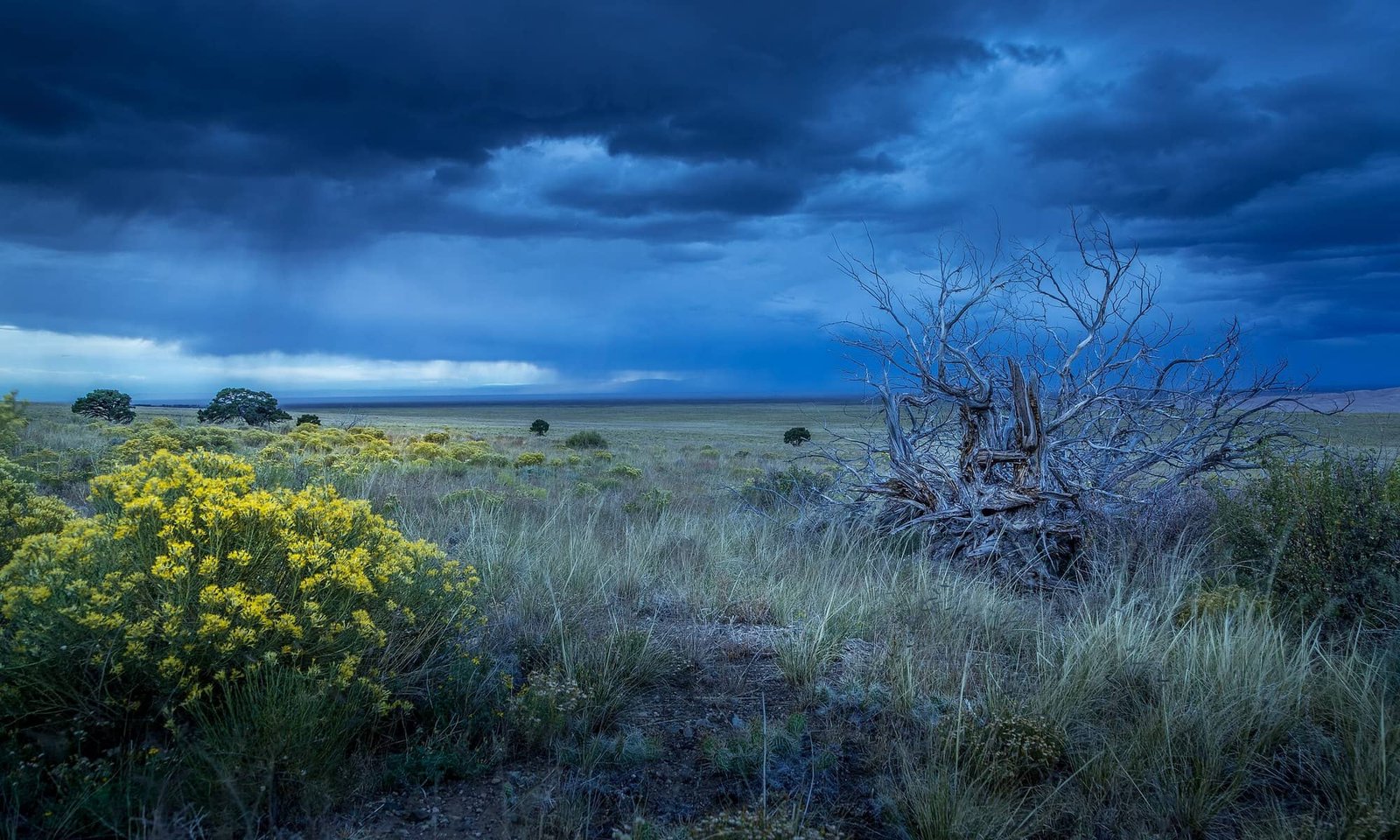
    Glades are unique ecological features found within forested landscapes, characterized by their open areas that are devoid of the dense tree cover typically associated with wooded regions. These sunlight-drenched clearings can vary significantly in size, ranging from small patches to expansive areas that provide a reprieve from the surrounding forest. The formation of glades is a result of various natural processes, including disturbances such as fire, wind, or human activity, which allow sunlight to reach the ground and support diverse plant and animal life.

    Unlike other types of forested areas, which may present dense canopies that limit light penetration, glades foster a unique microclimate, leading to distinct ecological outcomes and fascinating biodiversity. The lack of towering trees facilitates the growth of various herbaceous plants, shrubs, and grasses, which can thrive in the abundant sunlight and often support a rich tapestry of biodiversity. This distinctive setup attracts a variety of species, including crucial pollinators, colorful birds, and resourceful small mammals, which depend on such habitats for nourishment, shelter, and survival.

    In many instances, glades serve as critical transitions between different ecosystems, acting as crucial zones for species movement and interaction. They contribute to the overall health of forest ecosystems by providing spaces for many species to flourish and offering shelter and food resources that may be scarce in denser wooded areas. Understanding glades and their important role within larger ecosystems is vital for conservation efforts, as preserving these open spaces ensures the continuity of diverse biological communities that rely on them. The allure of glades lies not only in their biodiversity but also in their ability to showcase nature’s resilience and beauty amidst the intricacies of forest life.

    The Types of Glades

    Glades are unique ecological zones characterized by open spaces within forests that exhibit distinct types of vegetation and soil conditions. Among these, wet glades, dry glades, and meadow glades are prominent categories, each supporting a diverse array of flora and fauna that have adapted to their specific environments. Understanding these different types can enhance our appreciation for the ecological diversity within glades.

    • Wet glades, as the name implies, are characterized by high moisture levels and often feature a variety of water-loving plants. These regions usually support unique ecosystems, home to species such as sedges, rushes, and various wildflowers that flourish in saturated soil. The increased moisture creates a fertile habitat for many insects and amphibians, forming a critical habitat for numerous organisms. Wet glades play a vital role in water regulation and provide essential resources for wildlife, particularly during dry seasons.
    • In contrast, dry glades exhibit low moisture content and are typically found in well-drained areas. They are characterized by a diverse assortment of drought-tolerant plant species. In these environments, flora such as grasses and wildflowers thrive, alongside smaller shrubs and trees. The soil in dry glades is often sandy or gravelly, which influences the types of organisms that can survive there. Wildlife in these areas may include various insects, lizards, and small mammals that have adapted to the harsher, arid conditions.
    • Meadow glades represent another fascinating type, positioned between wet and dry glades. These open grasslands support a mosaic of wildflowers and grasses, creating vibrant habitats that attract numerous pollinators such as bees and butterflies. The soil is generally well-drained yet retains some moisture, allowing for a rich tapestry of life. Meadow glades often serve as important breeding grounds for various bird species and provide forage for larger mammals.

    The Ecological Importance

    Glades are unique ecosystems that play a crucial role in maintaining the ecological balance of their surroundings. These open areas, often characterized by their sparse tree cover and abundant herbaceous plant life, serve as vital habitats that contribute to biodiversity conservation. The flora and fauna that inhabit glades represent a rich tapestry of species, many of which are rare or endangered. The diverse vegetation found within glades provides essential resources such as food and shelter, creating crucial nesting sites for various wildlife, including birds, insects, and small mammals.

    Beyond their contribution to biodiversity, glades also play an integral role in soil health. The plant species found in these areas help in preventing soil erosion, enhancing soil structure, and improving nutrient cycling. The roots of herbaceous plants penetrate the soil, reducing compaction and increasing the infiltration of water, which prevents runoff and contributes to aquifer recharge. Healthy soil is foundational not only for supporting flora and fauna but also for sustaining agricultural practices surrounding these ecosystems.

    Water regulation is another vital ecological function of glades. The open structure of these areas allows for better water absorption and filtration, mitigating the impacts of flooding and maintaining groundwater levels. Furthermore, glades act as corridors that facilitate wildlife movement and migration, linking fragmented habitats. This connectivity is increasingly important in the context of climate change, as it enables species to adapt to shifting environmental conditions and ensures genetic diversity is maintained across populations.

    Flora and Fauna in Glades

    Glades, often characterized by their open clearings within dense forests, are remarkable ecosystems that host a rich array of biodiversity. The flora in these areas is typically composed of a unique mixture of herbaceous plants, shrubs, and occasionally, scattered trees. Prominent species that thrive in glades include various wildflowers such as the delicate Phlox and the vibrant Coreopsis, which not only adorn these landscapes but also attract a multitude of pollinators.

    Pollination is a crucial process within glades, as it sustains the growth of many flowering plants. Bees, butterflies, and other pollinating insects are drawn to the abundance of nectar and pollen offered by the diverse plant species. This interaction plays a vital role in maintaining the ecological balance, as healthy plant populations contribute to the food web and provide shelter for various wildlife.

    The fauna inhabiting glades is equally diverse, encompassing both common and rare species. Many birds, such as the Northern Bobwhite and the Eastern Towhee, rely on glades for nesting and foraging. Small mammals like the Eastern Cottontail and various species of rodents find refuge and sustenance amid the grasses and shrubs. Notably, glades also serve as habitats for endangered species, providing them with essential resources that may be scarce in more developed areas. Conserving these natural sanctuaries is essential for protecting such vulnerable creatures.

    Ecosystem interactions within glades create a dynamic web of life. Predators and prey coexist, influencing population dynamics and contributing to the overall health of the environment. As these habitats continue to be studied, scientists gain valuable insights into how glades function as vital ecological networks. The preservation of glades is not only imperative for the wildlife that inhabits them but also for maintaining biodiversity within the larger landscape. Through awareness and conservation efforts, we can appreciate and protect these enchanting natural sanctuaries for future generations.

    Glades and Human Interaction

    Meet the Residents of Everglades National Park | National Geographic

    Throughout history, glades have served as pivotal areas for human interaction with nature, providing essential resources and recreational opportunities. These open spaces amidst dense woodlands have not only offered shelter and sustenance but have also become integral in shaping cultural and social practices. The use of glades for agriculture dates back centuries, with communities utilizing their natural beauty and fertile land for farming crops that sustain local populations. The interplay between human agriculture and glades illustrates a longstanding reliance on these ecosystems for food and livelihood.

    In addition to agricultural use, glades have emerged as important recreational sites. Their serene landscapes attract individuals seeking respite from urban environments, allowing for activities such as hiking, birdwatching, and photography. This connection enhances the public’s awareness and appreciation of these natural spaces, fostering a deeper understanding of the ecological significance of glades. As a result, recreational use has prompted conservation initiatives aimed at preserving these precious habitats for future generations.

    However, the relationship between humans and glades is fraught with challenges. Urban development and climate change pose significant threats, leading to habitat fragmentation and loss of biodiversity within these ecosystems. As cities expand and population pressures increase, the preservation of glades becomes increasingly critical. Conservation organizations are actively working to safeguard these areas, implementing strategies that promote sustainable practices while balancing human needs. These efforts can help mitigate the adverse effects of human activities, ensuring that glades continue to thrive as vital parts of our natural heritage.

    Visiting and Experiencing Glades

    Exploring glades offers a unique opportunity to connect with nature’s hidden sanctuaries. These tranquil spaces, often rich in biodiversity, are best experienced during specific seasons when the flora and fauna are at their most vibrant. Spring and fall are ideal times to visit glades, as the weather is generally mild, and the landscapes are alive with colorful blossoms and foliage. During these seasons, wildlife is often more active, providing ample opportunities for observation and photography.

    Several renowned glade locations exist across varying geographical regions, each offering distinct experiences. For instance, the Great Smoky Mountains National Park in the United States features stunning glades surrounded by Appalachian forests. The peacefulness of these areas allows visitors to engage in activities such as hiking, where well-marked trails lead to breathtaking vistas. Another popular destination is the Everglades in Florida, a vast wetland teeming with unique wildlife, providing an exceptional backdrop for bird-watching enthusiasts and photographers alike.

    When visiting glades, engaging in various activities enhances the experience. Bird-watching is particularly rewarding, as glades attract numerous bird species, especially during migration periods. Setting up a camera or binoculars in these serene environments can yield remarkable wildlife sightings. Additionally, photography enthusiasts can capture striking images of glade landscapes, gradually changing with the seasons. Taking leisurely walks or guided tours through these spaces also allows for a deeper appreciation of the rich ecosystems they harbor.

    Travelers are encouraged to respect the natural environment by following Leave No Trace principles, ensuring that these enchanting glades remain pristine for future visitors. Through careful planning and respectful exploration, glades can provide calming retreats, fostering a lasting connection with the beauty of the natural world.

    Challenges Facing Glades

    Everglades Rising | Discover Florida Channel

    Glades, characterized by their unique ecosystems, are increasingly under threat from a range of factors that jeopardize their existence. One of the primary challenges is habitat loss, often resulting from urbanization, agriculture, and industrial development. As humans encroach upon these natural areas, glades face fragmentation and degradation, leading to a decline in biodiversity. According to recent studies, approximately 40% of glade habitats have been permanently altered or destroyed in the past few decades, posing a significant threat to the flora and fauna that depend on these ecosystems.

    In addition to habitat loss, the proliferation of invasive species represents another grave concern. These non-native plants and animals disrupt the balance of local ecosystems, often outcompeting native species for resources and altering ecological dynamics. For instance, the spread of invasive grasses can lead to increased fire risk, further exacerbating the vulnerability of glades. Research indicates that invasive species can account for up to 50% of the biomass in some glade environments, further emphasizing the need for efficient management and restoration strategies.

    Moreover, climate change exacerbates these existing challenges, influencing temperature patterns, precipitation levels, and seasonal cycles in glade regions. Shifts in climate can lead to droughts or excessive rainfall, which may disrupt the delicate balance that sustains glade ecosystems. For example, a study published in a leading environmental journal noted that many glades are experiencing changes in species composition as a direct result of rising temperatures and altered rainfall patterns. This shift not only threatens the survival of native species but also undermines the overall resilience of glade habitats.

    Given these pressing challenges, greater awareness and action are vital. Conservation efforts must be prioritized to protect these fragile ecosystems, ensuring that glades continue to serve as sanctuaries for diverse plant and animal life, while providing valuable ecosystem services. Comprehensive strategies to address habitat loss, control invasive species, and mitigate climate change impacts are essential in safeguarding the enchantment of glades for future generations.

    Conservation Efforts for Glades

    Conservation efforts for glades are vital in safeguarding these unique ecosystems, which serve as critical habitats for a diverse array of flora and fauna. One key strategy employed to protect glades is habitat restoration, a process aimed at reinstating original ecological conditions. This involves the removal of invasive species that threaten native plants and animals, along with the reintroduction of indigenous species, thereby promoting biodiversity.

    Moreover, legal protections play a significant role in glade conservation. Many glades are designated as protected areas under state and federal laws, which helps restrict development and resource extraction activities that could degrade these delicate environments. The establishment of protected areas not only provides a safeguard against external pressures but also fosters research opportunities that further enhance understanding of glade ecosystems.

    Community engagement initiatives are equally crucial. By fostering local stewardship, conservation organizations can raise awareness and encourage public participation in glade preservation efforts. Examples of successful programs include citizen science projects, where community members are trained to monitor wildlife and report changes in biodiversity. This grassroots involvement not only empowers individuals but also cultivates a sense of ownership and responsibility towards these natural sanctuaries.

    Notable organizations dedicated to glade conservation, such as The Nature Conservancy and local land trusts, have spearheaded numerous successful projects. These initiatives demonstrate effective collaboration between stakeholders including scientists, land managers, and residents, ensuring a multi-faceted approach to conservation. By highlighting successful case studies, it becomes evident that concerted efforts in restoration, legal frameworks, and community involvement can significantly enhance the protection of glades, addressing the challenges they face and preserving their enchanting beauty for future generations.

    “In the quiet heart of a glade, nature whispers secrets only the still mind can hear.”

    – Copilot

    What’s More

    The posts in My Blog feature reflective, story-driven pieces rooted in personal and societal insights.

    The topics in My Interests explore abstract, philosophical ideas and their cultural and societal impact.

  • Antelope Canyon Arizona

    The Canyons

    Canyons represent one of nature’s most striking geographical features, carved meticulously over time through processes such as erosion caused by water, wind, and glacial activity. These deep ravines, often flanked by towering cliffs, can be found across various landscapes and are distinguished by their unique formations and ecosystems. Canyons not only embody geological evolution but also serve as vital ecological habitats, supporting diverse flora and fauna. There are several types of canyons, each with distinct characteristics:

    • River canyons, like the Grand Canyon in the United States, are formed primarily by the relentless force of flowing water that gradually carves the rock. These canyons often feature steep walls and breathtaking vistas, attracting millions of visitors annually.
    • Slot canyons, narrower and deeper than traditional canyons, present a dramatic display of vertical rock walls. They are typically formed in porous rock where water flows through narrow crevices, creating stunning patterns and colors.
    • Coastal canyons, on the other hand, are shaped by the action of waves and tides, exhibiting a different set of geological attributes due to their proximity to the ocean.

    The significance of canyons extends beyond their physical form. Geologically, they offer insights into the Earth’s history and the processes that have shaped its surface over millennia. Ecologically, canyons are essential for biodiversity, acting as unique environments that harbor specialized species that may not thrive in nearby habitats. Additionally, the aesthetic appeal of canyons cannot be understated; their dramatic landscapes inspire awe and wonder, making them popular destinations for outdoor enthusiasts, photographers, and nature lovers alike. Overall, canyons serve as profound reminders of nature’s creative forces and the intricate systems that sustain life on Earth.

    The Famous Canyons of the World

    Canyons are one of nature’s most visually striking and geologically significant formations, offering breathtaking views and unique ecosystems. These canyons, alongside many others worldwide, not only exhibit exceptional geological beauty but also embody the history and culture of their respective regions, making them worthwhile destinations for travelers and nature enthusiasts alike.

    • Among the most famous canyons worldwide, the Grand Canyon in the United States holds a prominent position. Located in Arizona, the Grand Canyon stretches approximately 277 miles in length, showcasing a diverse range of geological formations, including rock layers that date back millions of years. This UNESCO World Heritage Site attracts approximately five million visitors annually, drawn by its spectacular vistas and myriad of recreational opportunities.
    • In Namibia, the Fish River Canyon presents an impressive spectacle with its vast scale. Known as one of the largest canyons in the world, it spans around 100 miles in length, up to 27 kilometers wide, and reaches depths of over 550 meters. The stunning contrasts between the jagged cliffs and the verdant river below create a striking landscape. This canyon is not only a key geographical landmark but also a site of cultural significance to the indigenous communities that inhabit the region, offering a window into the ancient narratives woven into the land.
    • Another notable canyon is the Colca Canyon in Peru, renowned for being one of the deepest canyons globally, plunging 3,270 meters (10,745 feet) at its deepest point. Nestled in the Andes mountains, it presents a rich tapestry of agricultural terraces, traditional villages, and diverse fauna, including the majestic Andean condor that soars overhead. The Colca Canyon is also steeped in local folklore and traditions, contributing to its cultural richness.
    The Antelope Canyon

    Antelope Canyon, located in Arizona, is a stunning slot canyon renowned for its wave-like structure and rich colors. Formed by flash floods and erosion, this natural wonder attracts photographers and nature enthusiasts from all over the globe. The canyon is divided into two main sections: Upper Antelope Canyon and Lower Antelope Canyon, each offering unique visual experiences.

    Visiting Antelope Canyon is like stepping into an otherworldly landscape. The swirling patterns in the sandstone create breathtaking visuals, especially when light beams penetrate through the narrow openings above.

    These light beams are most visible during the summer months, making it the ideal time for visitors to take spectacular photographs. Whether you’re gazing up at the smooth, flowing walls or trekking through the narrow passages, the beauty of Antelope Canyon is undeniable. Planning a trip to Antelope Canyon requires some considerations. Guided Tours are essential for accessing this iconic canyon, as it is located on Navajo land. Multiple tour companies offer varied experiences, from photography-focused tours to more relaxed sightseeing trips. Remember to book in advance, especially during peak season, as demand is high. Visitors should also wear comfortable shoes and be prepared for the often changing conditions within the canyon.

    Antelope Canyon, Arizona, USA – by Wildlife 4K Scene

    Adventure Activities: Exploring Nature Up Close

    Canyons represent some of the most breathtaking natural landscapes, offering adventurers various ways to immerse themselves in their beauty. Hiking is one of the most accessible methods, with trails that cater to all skill levels, from easy walks to challenging climbs. Spring and fall are ideal seasons for hiking, as moderate temperatures enhance the experience. For a bigger challenge, rock climbing is a thrilling option, with impressive cliffs like those in Zion Canyon or the Grand Canyon attracting climbers worldwide. Safety is key, and climbers are encouraged to join local communities, use proper gear, and assess their abilities.

    Rafting presents an exciting way to explore canyons from a watery vantage point. Rivers carved through these landscapes offer great rafting experiences, with varying degrees of rapids. The best times for water sports often coincide with the spring melt, ensuring optimal water levels. However, participants should consider their experience with white-water rafting, as certain sections can be demanding. Meanwhile, photography enthusiasts will discover canyons to be visually stunning, especially during sunrise and sunset when the colors of the rock formations come alive. Using the right equipment and understanding natural light will help enhance their shots.

    It is essential to practice responsible tourism to preserve these natural wonders for future generations. Conservation efforts aimed at protecting canyon ecosystems should be supported by all who visit these destinations. Whether hiking, climbing, rafting, or capturing the landscape’s beauty, the diverse activities available in canyons make them remarkable places worth exploring and safeguarding.

    Ecosystems: Biodiversity and Conservation

    Canyons serve as intricate ecosystems that harbor a remarkable diversity of flora and fauna. These natural formations create unique microclimates due to their varied topography, elevation, and orientation. As a result, many plant and animal species have adapted specifically to these environments, making canyons vital biodiversity hotspots. For instance, the steep walls of canyons can host distinct vegetation zones, ranging from riparian habitats lush with moisture-loving plants to dry, rocky areas where hardy species endure harsh conditions. This ecological diversity not only contributes to the aesthetic value of canyons but also plays a crucial role in sustaining the surrounding biosphere.

    The significance of canyon ecosystems extends beyond their biological richness; they are essential for maintaining ecological balance. The diverse species within these regions engage in various ecological roles, such as pollination, seed dispersal, and nutrient cycling, all of which are integral to the health of broader landscapes. However, these delicate ecosystems face significant threats from both climate change and human activities, including development, resource extraction, and recreational pressures. As temperature changes, water availability, and habitat fragmentation intensify, the resilience of canyon biodiversity may be compromised, leading to a decline in species, some of which may be endemic to these ecosystems.

    Conservation efforts are crucial for protecting the unique habitats found within canyons. Several initiatives aim to safeguard these ecosystems through habitat restoration, research, and the establishment of protected areas. Organizations work to monitor biodiversity, engage local communities, and promote sustainable practices that align with conservation goals. By emphasizing the importance of canyon ecosystems and the myriad species they support, advocates hope to foster a greater understanding of the need for urgent action. Preserving these magnificent natural structures not only safeguards their intrinsic value but also contributes to the overall health of our planet’s ecosystems.

    What’s More

    The posts in My Blog feature reflective, story-driven pieces rooted in personal and societal insights.

    The topics in My Interests explore abstract, philosophical ideas and their cultural and societal impact.

  • Holding Hands

    Compassion

    Compassion is a multifaceted concept that extends beyond mere sympathy or empathy. While sympathy involves feeling pity for someone else’s suffering and empathy allows one to understand another’s emotions and experiences, compassion actively drives individuals to alleviate suffering. Thus, it can be considered a deeper emotional response that engages not only one’s feelings but also a desire to take action. Understanding these distinctions is essential for appreciating the true essence of compassion, as it highlights the transformative power of genuine care combined with intentional effort.

    The term “compassion” is derived from the Latin word “compassio,” which translates to “to suffer with.” This etymology underscores its intrinsic connection to the experiences of others, capturing both emotional resonance and a commitment to their welfare. Across different cultures and religions, compassion is often revered as a vital virtue. For instance, in Buddhism, compassion (or “karuna”) is a fundamental tenet, emphasizing the importance of alleviating suffering and promoting well-being. Similarly, various Christian teachings underscore compassion as an expression of love and kindness towards one’s neighbor.

    From a psychological perspective, compassion has been shown to play a critical role in fostering healthy interpersonal relationships and community cohesion. It encourages individuals to connect with one another authentically, promoting trust and understanding. Researchers highlight the positive impact of compassion on personal well-being, noting that cultivating a compassionate attitude can lead to increased happiness and reduced feelings of anxiety. This suggests that not only does compassion benefit those who receive it, but it also enhances the lives of those who practice it, creating a ripple effect within communities.

    Sympathy, Empathy, Compassion
    • Sympathy is a fundamental human response that allows us to express care and concern for others in distress. When we feel sympathy, we recognize someone’s pain and may offer support or comfort. This connection can be demonstrated through kind words, gestures, or simply being present. It’s a reflection of our shared human experience, reminding us that we are not alone in our struggles.
    • Empathy takes a step deeper into understanding the feelings of others. Unlike sympathy, which is more about feeling for someone, empathy involves feeling with them. It is the ability to put ourselves in another person’s shoes and experience their emotions as if they were our own. By fostering empathy, we strengthen our relationships, promote emotional resilience, and create a more compassionate society.
    • Compassion encompasses both sympathy and empathy but adds an essential element: the desire to help. It is a call to action triggered by the suffering of others. Compassion inspires us to reach out to those in need, offering not just understanding but also support and solutions. In a world that sometimes feels disconnected, cultivating compassion can lead to collective healing and a more supportive community.

    “Love and compassion are necessities, not luxuries. Without them humanity cannot survive.”

    – Dalai Lama

    The Benefits of Practicing

    Compassion has emerged as a powerful virtue, offering profound benefits not only to those who practice it but also to those on the receiving end. Numerous scientific studies highlight the positive effects of compassion on mental and physical health. Engaging in compassionate acts has been shown to lead to lower levels of anxiety and depression. A study published in the journal Psychological Science indicates that individuals who regularly engage in compassionate behaviors often report higher levels of happiness and life satisfaction.

    Moreover, compassion can significantly bolster interpersonal connections. It fosters a sense of belonging and solidarity among individuals, directly impacting their social relationships. Research from the University of California, Berkeley, suggests that when individuals exercise compassion, they are more likely to form stronger ties with their peers, enhancing both personal and communal relationships. This interconnectedness is vital for societal cohesion, as it builds trust and understanding within diverse communities.

    Furthermore, practicing compassion plays a crucial role in conflict resolution. In situations of disagreement or tension, a compassionate approach can transform adverse interactions into opportunities for understanding and healing. For instance, during negotiations or disputes, leaders who demonstrate empathy and compassion can often bridge divides, leading to more amicable and sustainable solutions. A prominent example of this can be seen in the peace-building efforts in post-apartheid South Africa, where leaders like Nelson Mandela emphasized compassion to foster reconciliation between conflicting groups.

    In summary, the benefits of practicing compassion are multifaceted, extending across mental health, interpersonal relationships, and societal harmony. By consciously cultivating this virtue, individuals can contribute positively to their own well-being and to the welfare of the communities they inhabit, thereby creating a more empathetic and understanding society.

    In Action: Ways to Cultivate It

    Compassion is not merely a passive feeling; it is an active choice that can be cultivated through various intentional practices. One effective strategy for nurturing compassion in daily life is the incorporation of mindfulness techniques. Mindfulness encourages us to be present in the moment, allowing us to become aware of our own emotions and the emotions of those around us. Practices such as meditation or mindful breathing can enhance our sensitivity to the pain and struggles others experience, fostering a deeper understanding and connection.

    Active listening is another critical component in cultivating compassion. By genuinely hearing and acknowledging others’ perspectives without immediate judgment or interruption, we create an environment where individuals feel valued and understood. An exercise to improve active listening involves repeating back what the other person has said, validating their feelings and thoughts. This practice not only deepens one’s awareness of another’s experience but also reinforces our own empathetic responses.

    Engaging in community service represents a powerful way to manifest compassion in action. Volunteering for local organizations or participating in kindness initiatives can broaden our understanding of diverse experiences, helping to dissolve barriers and promote a sense of community. Consider setting aside time each month for activities that benefit others, whether it’s serving at a food bank, participating in environmental cleanups, or mentoring youth in your area.

    Equally important is the concept of self-compassion, which serves as the foundation for extending compassion toward others. By practicing self-care, forgiving ourselves for past mistakes, and acknowledging our own struggles, we equip ourselves with the emotional resources needed to empathize with others effectively. To integrate self-compassion into your routine, try journaling about your feelings or maintaining a practice of positive affirmations.

    The Dalai Lama Talks About Compassion, Respect – 14th Dalai Lama

    Overcoming Barriers

    Compassion is a fundamental aspect of human interaction, yet various obstacles often hinder individuals from expressing it. One of the primary barriers is fear. People may fear rejection or perceive vulnerability as a weakness. This fear can stem from previous negative experiences or societal conditioning, leading individuals to withdraw rather than engage empathetically. Additionally, judgment can create a thick wall around one’s ability to show compassion. When individuals hold preconceived notions about others, they may fail to recognize the shared humanity that invites compassion. This judgment often arises from cultural stereotypes or lack of understanding about differing life circumstances.

    Psychological barriers, such as trauma and burnout, can significantly impact one’s capacity for compassion. Trauma can desensitize individuals, making them hesitant to connect with others deeply. Conversely, burnout, whether in personal life or professional settings, can drain emotional reserves, leaving little room for the caring responses that characterize compassionate behavior. Addressing these psychological obstacles requires self-awareness and support, as individuals need both to acknowledge their limits and to cultivate their emotional health.

    To foster a culture of compassion, it is imperative that communities and organizations take actionable steps. Education plays a crucial role; integrating compassion-focused programs into curricula can educate individuals from a young age on the importance of empathy and caring. Leadership within organizations is equally vital; leaders should model compassionate behavior, creating an environment where compassion is valued and encouraged. Furthermore, policy initiatives that prioritize mental health support and promote community engagement can also serve as a catalyst for fostering compassionate interactions. By recognizing and addressing the barriers to compassion, we can move towards a more empathetic society where individuals feel empowered to connect with one another sincerely.

    What’s More

    The posts in My Blog feature reflective, story-driven pieces rooted in personal and societal insights.

    The topics in My Interests explore abstract, philosophical ideas and their cultural and societal impact.

  • Plains – National Parks

    The Plains

    Plains are extensive, flat, or gently rolling expanses of land characterized by low relief and relatively uniform elevation. These geographical features are found across the globe and include various types such as coastal plains, flood plains, and grassland plains. Coastal plains develop adjacent to seas or oceans through sediment deposition, while flood plains result from river overflows that enrich soil with nutrients. Grassland plains, also called prairies or steppes, are dominated by grasses and often found in areas with seasonal rainfall. Historically, the flatness of plains has contributed to their significance in human settlement and agriculture.

    Plains are defined by their expansive and fertile landscapes, which are vital for agricultural activities. The rich soil supports crop growth, making these regions highly valuable for food production. Additionally, they often feature natural resources such as minerals and fossil fuels, enhancing their economic importance. Ecologically, plains support biodiversity by providing habitats for numerous species of flora and fauna. These diverse ecosystems play a crucial role in food chains and various ecological processes, establishing plains as vital landscapes for both human activity and natural ecosystems.

    The Major Types of Plains

    Plains are extensive flatlands that occur in various geographic settings. They are broadly classified into several types, each characterized by unique geological processes, formations, and locations. Among these, alluvial plains, sedimentary plains, and volcanic plains are the most prominent.

    • Alluvial plains are formed by the deposition of sediment carried by rivers and streams. These plains are typically flat and fertile, making them highly advantageous for agriculture. A prime example of an alluvial plain is the Indo-Gangetic Plain in South Asia, which stretches across northern India and Pakistan. Here, the annual flooding and subsequent sediment deposition from the Indus and Ganges rivers create a rich agricultural environment. The fertile soil supports diverse crops, making the region one of the most productive in the world.
    • Sedimentary plains, on the other hand, are created through the accumulation of sedimentary rocks, primarily in areas that were once covered by ancient seas or lakes. These plains often display a variety of sediment layers, contributing to a rich fossil record. The Great Plains of North America serve as a prime example of a sedimentary plain, characterized by its vast expanse and gentle rolling topography. This region is significant for both agriculture and biodiversity, supporting a wide range of flora and fauna.
    • Volcanic plains are formed by the eruption of volcanoes, where lava flows spread and solidify over time. The Columbia Basin in the Pacific Northwest of the United States is an excellent illustration of a volcanic plain. Known for its basaltic rock formations, this region has a unique geological history shaped by numerous volcanic activities. The combination of lava and rich soils makes the volcanic plains highly productive, often used for agriculture due to their nutrient-rich composition.

    Understanding the different types of plains helps appreciate the diverse landscapes our planet offers. Each type reflects specific geological processes and supports distinctive ecosystems, illustrating the complexity of Earth’s surface.

    Famous Plains Across the Globe

    The world is home to numerous expansive plains, each with unique geographical significance and cultural importance. Among the most renowned are the Pampas of Argentina, the Great Plains of North America, and the Serengeti Plains in Africa. These plains not only define the landscape but also play a crucial role in the biodiversity and economy of their respective regions.

    • The Pampas, stretching across central Argentina, Uruguay, and parts of Brazil, are characterized by fertile soil that supports extensive agriculture. This region is especially known for its cattle ranching, which has become a cultural staple synonymous with Argentine identity. Rich in biodiversity, the Pampas host various species of flora and fauna adapted to the grassland ecosystem. Its vast, flat expanses are also vital for the country’s economy, contributing to both livestock and crop production, particularly wheat and corn.
    • Across the Atlantic, the Serengeti Plains in Tanzania are famous for their breathtaking wildlife migrations and rich ecosystems. Renowned for the Great Migration, where millions of wildebeest, zebras, and other animals traverse the landscape in search of greener pastures, the Serengeti is vital for conserving diverse species and habitats. This plain attracts tourists worldwide, contributing significantly to Tanzania’s tourism industry while helping raise awareness about conservation efforts in the region.
    • In North America, the Great Plains extend from Canada to Texas, covering parts of several U.S. states. This region plays a significant role in agriculture, often referred to as the “breadbasket of the world” due to its capacity for producing staple crops like corn and soybeans. The Great Plains are also noted for their ecological diversity, featuring grasslands that support numerous species, including bison and prairie dogs. The cultural heritage of the Great Plains is rich, steeped in the histories of Native American tribes and settlers who utilized the land for sustenance and trade.
    Ancient Life on the Great Plains – by Ancient Americas

    Each of these plains reflects the intricate relationship between geography, culture, and economy, highlighting their importance on a global scale.

    The Ecological and Economic Importance

    Plains constitute some of the Earth’s most vital ecosystems, marked by their flatlands and fertile soils, providing a range of ecological and economic benefits. These areas promote biodiversity, hosting a variety of flora and fauna adapted to their specific conditions. Many plains serve as essential habitats for migratory birds, mammals, and numerous plant species, contributing significantly to Earth’s ecological balance.

    The agricultural importance of plains is immense. Favorable climates and nutrient-rich soils make them prime locations for crop production. Major crops like wheat, corn, and rice thrive here, enabling countries to meet food demands. Additionally, vast grasslands on many plains support extensive livestock grazing, bolstering the meat and dairy industries and fostering both local and global economies.

    Plains, however, face environmental challenges that threaten their integrity. Deforestation for agriculture, urbanization, and climate change are rapidly altering these landscapes. Loss of natural vegetation destabilizes ecosystems, leading to soil erosion and reduced fertility. Climate change exacerbates these issues through altered rainfall patterns and extreme weather events.

    To counter these threats, efforts to conserve and restore plains are essential. Sustainable agricultural practices, reforestation, and establishing protected areas are pivotal for their preservation. Public awareness and stakeholder involvement can foster collective responsibility, ensuring plains remain sustainable and productive for future generations. Safeguarding these vital ecosystems benefits the environment and global economic stability.

    Human Interaction

    Plains have played a significant role in human history, serving as a foundation for agriculture and settlement due to their unique geographic features. These extensive flatlands, characterized by fertile soil and a temperate climate, have been integral for agricultural practices. The nutrient-rich earth found in many plains supports a variety of crops, making these areas prime locations for farming. As a result, civilizations have thrived in these regions, leveraging the advantages of easy land tillage and access to water sources.

    Historically, settlements emerged as communities recognized the potential of plains for cultivating crops and rearing livestock. Agriculture’s expansion transformed these landscapes into bustling hubs of economic activity, with flat terrain enabling efficient transportation and trade, boosting local economies.

    Despite their benefits, plains face challenges from human activities. Urban sprawl degrades land, fragments habitats, and threatens ecosystems. Overuse of agricultural land depletes nutrients, reducing soil health and exacerbating erosion. Sustainable farming, land-use planning, and conservation programs are vital for maintaining these essential ecosystems and ensuring their productivity for future generations.

    “I was persuaded now that I was destined to lead a life on the Plains.”

    – Buffalo Bill

    The Future in a Changing World

    As we navigate the complexities of the 21st century, plains face numerous challenges driven by climate change and environmental shifts. These landscapes, which play a critical role in biodiversity, agriculture, and ecosystem services, are increasingly threatened by altered weather patterns, urbanization, and agricultural intensification. Understanding these transformations is vital for ensuring the sustainability and resilience of plains.

    The anticipated shifts in land use present both challenges and opportunities. As regions face heightened temperatures, altered precipitation patterns, and extreme weather events, the ability of plains to support agriculture may diminish. Farmers may need to adapt their practices, including crop selection and irrigation methods, to maintain productivity. Urban sprawl could also encroach upon traditional plains, leading to habitat destruction and fragmentation, jeopardizing wildlife populations.

    Plains, home to numerous species, require urgent attention for biodiversity preservation. As climates shift, some species may need to migrate or face extinction. Preserving these ecosystems is essential not only for flora and fauna but also for the broader ecological networks they support. To ensure environmental resilience, strategies such as sustainable agriculture, conservation initiatives, and community engagement are crucial. Proactive efforts will help protect plains for generations to come.

    What’s More

    The posts in My Blog feature reflective, story-driven pieces rooted in personal and societal insights.

    The topics in My Interests explore abstract, philosophical ideas and their cultural and societal impact.

  • Aerial View of Tree Tops

    The Forests

    Forests are complex ecosystems that are primarily composed of trees, along with a diverse array of plants, animals, fungi, and microorganisms. They cover approximately 31% of the Earth’s land area, serving a multitude of crucial functions that are vital to both the environment and human survival. Forests are generally categorized into three main types: tropical, temperate, and boreal, each with distinct characteristics shaped by their climate and geographic distribution.

    Tropical forests, typically found near the equator, are known for their high levels of precipitation and warm temperatures year-round. These forests exhibit remarkable biodiversity, housing more than half of the world’s plant and animal species despite covering only a small fraction of the Earth’s land surface. Notable examples include the Amazon Rainforest and the Congo Basin, both of which are critical for carbon storage and climate regulation.

    Temperate forests, located in regions with distinct seasonal changes, possess a unique mix of deciduous and evergreen trees. These forests experience a moderate climate, with adequate rainfall throughout the year. They are primarily found in Europe, Asia, and North America. Temperate forests are known for their striking seasonal transformations and are home to a variety of wildlife, contributing significantly to biodiversity.

    Boreal forests, also known as taiga, span across the northern regions of the continents, including Canada, Russia, and Scandinavia. Characterized by long, cold winters and short summers, these forests predominantly consist of coniferous trees such as spruce and pine. Boreal forests play a vital role in carbon sequestration, thus acting as crucial buffers against climate change, while also supporting unique ecosystems.

    In essence, forests are integral to the health of our planet. They regulate climate, enhance air quality, provide habitat for countless species, and are indispensable resources for human livelihoods. Understanding the various types of forests, alongside their ecological value, is essential for promoting conservation and sustainable management practices globally.

    The Role in Climate Regulation

    Forests play a crucial role in regulating the Earth’s climate, acting as vital components of the global ecosystem. One of the primary functions of forests is their ability to sequester carbon dioxide, a major greenhouse gas contributing to climate change. Through the process of photosynthesis, trees absorb atmospheric carbon dioxide and store it as carbon in their biomass. This mechanism not only mitigates climate change by reducing the amount of carbon dioxide in the atmosphere but also contributes to the overall health of the planet.

    The significance of forests as carbon sinks cannot be overstated. They are estimated to absorb roughly 2.6 billion tons of carbon dioxide annually, making them critical allies in combating global warming. Moreover, intact forest ecosystems provide habitats for a myriad of species while helping to maintain biodiversity. When forests are disrupted through activities such as deforestation, they release the stored carbon back into the atmosphere, exacerbating climate change and disrupting these vital ecosystems.

    Deforestation poses a serious threat to climate stability. Each year, millions of acres of forest are lost due to logging, agriculture, and urban expansion. This loss compromises not only carbon sequestration but also the other ecosystem services provided by forests, including water purification and soil erosion control. Various initiatives worldwide aim to protect and restore forests in an effort to combat climate change. Programs such as reforestation, sustainable logging practices, and the establishment of protected areas are critical in enhancing the resilience of forest ecosystems.

    By understanding the essential role forests play in climate regulation, it becomes evident that protecting and restoring these habitats is imperative for a sustainable future. Preserving forests will not only help mitigate climate change but also support the rich biodiversity and ecological balance necessary for life on Earth.

    “Do like trees: change the leaves, but keep the roots. So, change your ideas, but keep your principles.”

    – Victor Hugo

    Biodiversity Hotspots

    Forests play a crucial role as biodiversity hotspots, housing an astonishing variety of flora and fauna essential for ecological balance. These ecosystems offer unique habitats that support thousands of species, many of which are not found anywhere else on the planet. A single hectare of tropical forest can contain more than 1,500 species of trees, along with countless insect, bird, and mammal species, underscoring the richness that forests contribute to global biodiversity.

    The intricate relationships formed within these habitats highlight the importance of biodiversity conservation. Each species plays a defined role in the ecosystem, ranging from pollinators to apex predators, contributing to the health and sustainability of forest environments. Biodiversity not only maintains ecological stability but also enhances ecosystem services that are vital to human survival, such as air and water purification, climate regulation, and soil fertility.

    However, forests are under unprecedented threat due to habitat destruction, predominantly through deforestation for agriculture, urban development, and logging. These actions not only lead to the loss of species but can also result in the extinction of plants and animals that are solely dependent on forest habitats. Invasive species further complicate conservation efforts by outcompeting native species, disrupting food chains, and altering habitat structures. Protecting these forests is imperative, as they are integral to sustaining life on Earth.

    Forests also serve as crucial carbon sinks, absorbing carbon dioxide and mitigating climate change. The preservation of biodiversity is thus interlinked with efforts to reduce greenhouse gas emissions, making forest conservation a global imperative. In maintaining the rich biodiversity of forests, we ensure that these ecosystems continue to flourish, supporting both local communities and the global environment. Protecting our forests and their inhabitants can provide a sustainable future for our planet.

    The Importance of Forests | How to protect Forests – by Ecosia

    Sustainable Practices for Conservation

    Forests play a crucial role in maintaining ecological balance and supporting a diverse range of life. Sustainable practices for forest conservation are essential to ensure the longevity of these vital ecosystems. Sustainable forestry principles emphasize the responsible management of forest resources, aiming to meet the needs of the present without compromising the ability of future generations to meet their own needs. This approach integrates social, economic, and environmental dimensions to promote forest health and biodiversity.

    One of the key aspects of sustainable forestry is the involvement of local communities in conservation efforts. Engaging communities encourages stewardship and creates a sense of ownership among residents, which is essential for successful conservation. Community-driven initiatives often incorporate traditional knowledge alongside scientific practices, leading to better management outcomes. Examples of such initiatives can be found in regions where indigenous tribes actively manage their ancestral lands, fostering both ecological sustainability and socio-economic development.

    Globally, various successful strategies have been implemented to foster sustainable forestry. For instance, agroforestry, which combines agriculture and forestry techniques, promotes biodiversity while improving crop yields and soil quality. In addition, policy measures, such as the establishment of conservation easements and protected areas, safeguard critical habitats from deforestation and exploitation. Eco-tourism has also emerged as a valuable tool for forest conservation. By promoting responsible travel to natural areas, eco-tourism generates revenue that can be reinvested into conservation projects, thereby benefitting both the environment and local economies.

    Individuals can contribute to forest preservation efforts by supporting sustainable products, participating in tree-planting campaigns, or advocating for policies that protect forested areas. Collective responsibility towards forest stewardship is vital for the future health of our planet’s ecosystems. Through thoughtful actions and a commitment to sustainable practices, we can ensure that forests continue to thrive for generations to come.

    What’s More

    The posts in My Blog feature reflective, story-driven pieces rooted in personal and societal insights.

    The topics in My Interests explore abstract, philosophical ideas and their cultural and societal impact.