
Author: Eric Roth

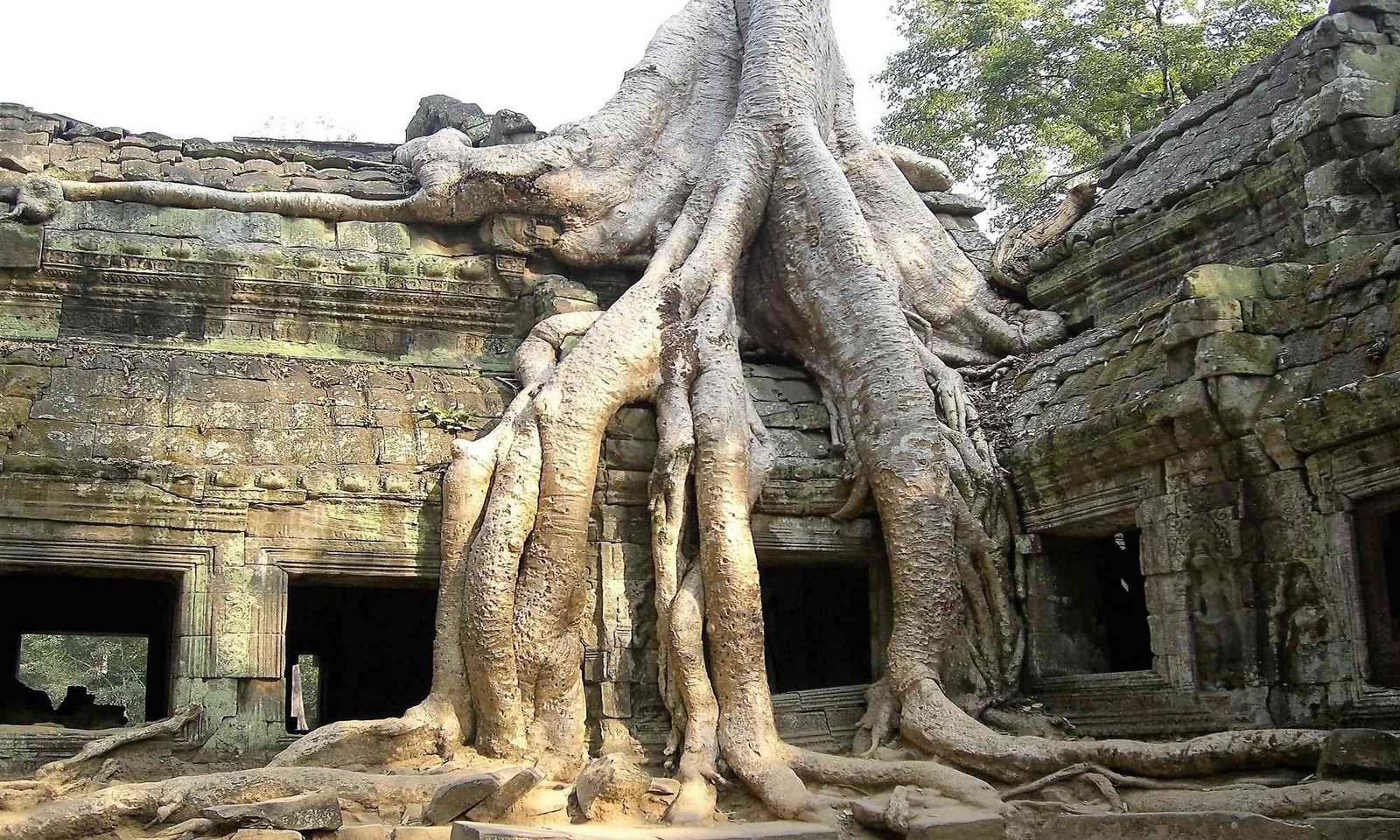
  • Tree Eating Angkor Wat

    Angkor What?

    Angkor Wat, an architectural marvel located in Cambodia, was originally constructed in the early 12th century during the reign of King Suryavarman II. Initially conceived as a Hindu temple dedicated to the god Vishnu, the structure exemplifies classical Khmer architecture and is distinguished by its grandeur and intricate carvings. The layout of Angkor Wat symbolizes an earthly representation of the universe in stone, reflecting the cosmology of Hindu beliefs of the time.

    As Buddhism steadily gained prominence in the region, Angkor Wat transformed into a Buddhist temple, a transition that marked a significant shift not only in its religious practices but also in its cultural significance.

    The temple served as a vital spiritual center for both Hindus and Buddhists throughout its history, further enriching its cultural narrative. This duality is evident in many of the temple’s reliefs, which depict scenes from both Hindu epics and Buddhist teachings, showcasing the interplay of the two religions within the Khmer empire. Over time, Buddhist monks preserved and adapted many of its structures, maintaining its significance as a sacred site. Elements of its Hindu origins, such as carvings and architectural designs, still coexist with Buddhist influences, reflecting centuries of religious transformation.

    During the height of the Khmer Empire, Angkor Wat was both a political and religious epicenter, reflecting the empire’s power and sophistication. However, with the decline of the empire in the 15th century, the temple gradually fell into disrepair, obscured by the encroaching jungle. The rediscovery of Angkor Wat in the 19th century by French explorer Henri Mouhot was a pivotal moment that garnered international attention, leading to extensive restoration efforts. The temple has since become a UNESCO World Heritage site, emphasizing its significance not just as a Cambodian treasure but as a global cultural landmark.

    Today, Angkor Wat stands as a testament to the rich historical legacy of the Khmer Empire, attracting millions of visitors each year who seek to explore its storied past and architectural beauty. Preservation initiatives continue to ensure its integrity, allowing future generations to connect with this iconic monument, which continues to evolve in its meaning and importance within both Cambodian culture and global heritage.

    Introduction to Khmer Culture

    The Khmer culture is a vibrant tapestry woven from centuries of history, tradition, and resilience. Originating from the region that is now known as Cambodia, the Khmer people have a rich cultural heritage that continues to influence Southeast Asia. This blog post aims to illuminate various aspects of Khmer culture, from its historic roots to modern expressions.

    The Khmer Empire, one of the largest empires in Southeast Asian history, flourished from the 9th to the 15th centuries. During this time, the Khmer people constructed monumental temples, the most famous being Angkor Wat, a symbol of Cambodia’s enduring spirit. This architectural marvel not only showcases the ingenuity of the Khmer civilization but also serves as a pilgrimage site, attracting millions of tourists each year.

    Today, Khmer culture encompasses various aspects of art, music, and dance. Traditional forms like Khmer classical dance are recognized for their intricate movements and costumes. Moreover, the culinary arts highlight flavorful dishes such as Amok and Khmer curries, reflecting the diverse influences that have shaped their cuisine. The community continues to celebrate cultural festivals that honor their ancestry and promote unity among the Khmer people.

    In conclusion, the Khmer culture represents a blend of historical richness and modern vibrancy. Understanding this cultural background fosters appreciation for the contributions of the Khmer people to global heritage. Whether through their art, architecture, or culinary offerings, the Khmer culture remains a fascinating area of exploration for anyone interested in the history and traditions of Southeast Asia.

    Architectural Marvels of Angkor Wat

    Angkor Wat stands as a testament to the ingenuity of Khmer architecture, creating a sublime harmony between monumental scale and intricate detail. Constructed in the early 12th century under the reign of King Suryavarman II, this temple complex was initially dedicated to the Hindu god Vishnu. The layout of Angkor Wat is a fortress-like design, symbolizing the mythical Mount Meru, which is believed to be the center of the universe in Hindu cosmology. This representation is noteworthy, as visitors are welcomed through a series of grand entrances leading to the central sanctuary.

    The stunning construction of Angkor Wat, primarily composed of sandstone sourced from a quarry situated over 50 kilometers away, showcases remarkable engineering capabilities of the Khmer civilization. The intricate carvings and bas-reliefs that adorn the temple walls are captivating features that narrate tales from Hindu mythology, particularly the epic Ramayana and the Mahabharata. Each bas-relief is masterfully crafted, with scenes of gods, divine figures, and celestial beings depicted in minute detail, reflecting the religious devotion and artistic excellence of the builders.

    An essential aspect of Angkor Wat’s design is its orientation. The temple is uniquely aligned to the west, a rare attribute among Khmer temples that suggests a deeper spiritual significance, possibly linked to the notion of death and the afterlife. Furthermore, the alignment with astronomical events, such as the solstices, demonstrates the advanced understanding of astronomy by the ancient Khmer civilization. This meticulous planning adds layers of meaning to the temple’s structure, strengthening its status as one of the most remarkable architectural feats in the world. The combination of grand design and intricate imagery reinforces Angkor Wat’s enduring legacy as a masterpiece of art and spirituality.

    Cultural Significance and UNESCO World Heritage Status

    Angkor Wat (Full Episode) | Access 360 World Heritage – by National Geographic

    Angkor Wat, an architectural marvel dating back to the early 12th century, holds immense cultural significance for Cambodia and its people. It serves as a symbol of national pride and is intricately woven into the identity of the Cambodian population. The grandeur of Angkor Wat not only embodies the finesse of Khmer architecture but also reflects the historical and spiritual heritage that has shaped the Cambodian civilization over centuries. The temple complex is seen as a representation of Hindu mythology, a potent reminder of the Khmer Empire’s influence and a testament to the ingenuity of its architects and artisans.

    As a UNESCO World Heritage Site since 1992, Angkor Wat was recognized for its outstanding universal value, meeting several criteria that emphasize its cultural importance. The site was designated based on its representations of artistic and architectural accomplishments that signify a unique feature of a civilization. This recognition has not only elevated the temple’s status internationally but has also increased tourism, making it a key economic driver for the region. The influx of visitors highlights both the allure of this historic site and the accompanying challenges of managing its preservation amidst rising foot traffic.

    Efforts to conserve Angkor Wat are ongoing, focusing on both structural integrity and the surrounding ecosystem. Local and international organizations are invested in the preservation of this national treasure, emphasizing sustainable tourism practices that balance visitor engagement with heritage conservation. The commitment to preserving Angkor Wat reflects its significance as an integral part of Cambodian identity and as a cultural keystone. However, the challenge remains to maintain this remarkable heritage site while adapting to the dynamics of modern tourism and environmental concerns.

    “Angkor Wat, is on its own four times the size of the entire Vatican City. Unlike the brittle polity founded by Charlemagne, and soon lost by his immediate successors, the Khmers of Angkor ruled, for several hundred years, a vast kingdom that by the twelfth century was probably the richest and most powerful state on earth.”

    – William Dalrymple

    Visiting Angkor Wat: Tips and Experiences

    Visiting Angkor Wat is a remarkable experience that offers a glimpse into Cambodia’s rich history and vibrant culture. To make the most of your trip, it is essential to plan effectively. The best time to visit Angkor Wat is during the dry season, which typically runs from November to February. During these months, the weather is cooler, making it more comfortable for exploration. In contrast, the wet season, from May to October, can bring heavy rain, making the pathways muddy and difficult to navigate.

    • Explore the pics taken by me while visiting Angkor Wat

    Upon your arrival, it is advisable to start your exploration early in the morning. The light during sunrise casts a stunning glow on the temple’s silhouette, and the serenity of the surroundings adds to the overall experience. Expect to spend at least a full day exploring the vast complex, which spans over 162 hectares. Wear comfortable shoes, as much of the site involves walking and climbing.

    Cultural etiquette is crucial while visiting Angkor Wat, as it is a place of worship and reverence. Dress modestly by wearing clothing that covers your shoulders and knees. It is also respectful to avoid talking loudly and to maintain a polite demeanor. Make sure to greet the local monks and practice proper behavior while in the sacred spaces.

    While exploring Angkor Wat, consider visiting nearby attractions within the Angkor Archaeological Park, such as the Bayon Temple and Ta Prohm. Each site offers its unique beauty, with intricate carvings and historical significance. Additionally, plan for breaks to savor local cuisine and engage with the friendly Cambodian culture. Overall, a visit to Angkor Wat is not only a journey through history but also an opportunity to appreciate the profound cultural heritage of Cambodia.

    What’s More

    The posts in My Blog feature reflective, story-driven pieces rooted in personal and societal insights.

    The topics in My Interests explore abstract, philosophical ideas and their cultural and societal impact.
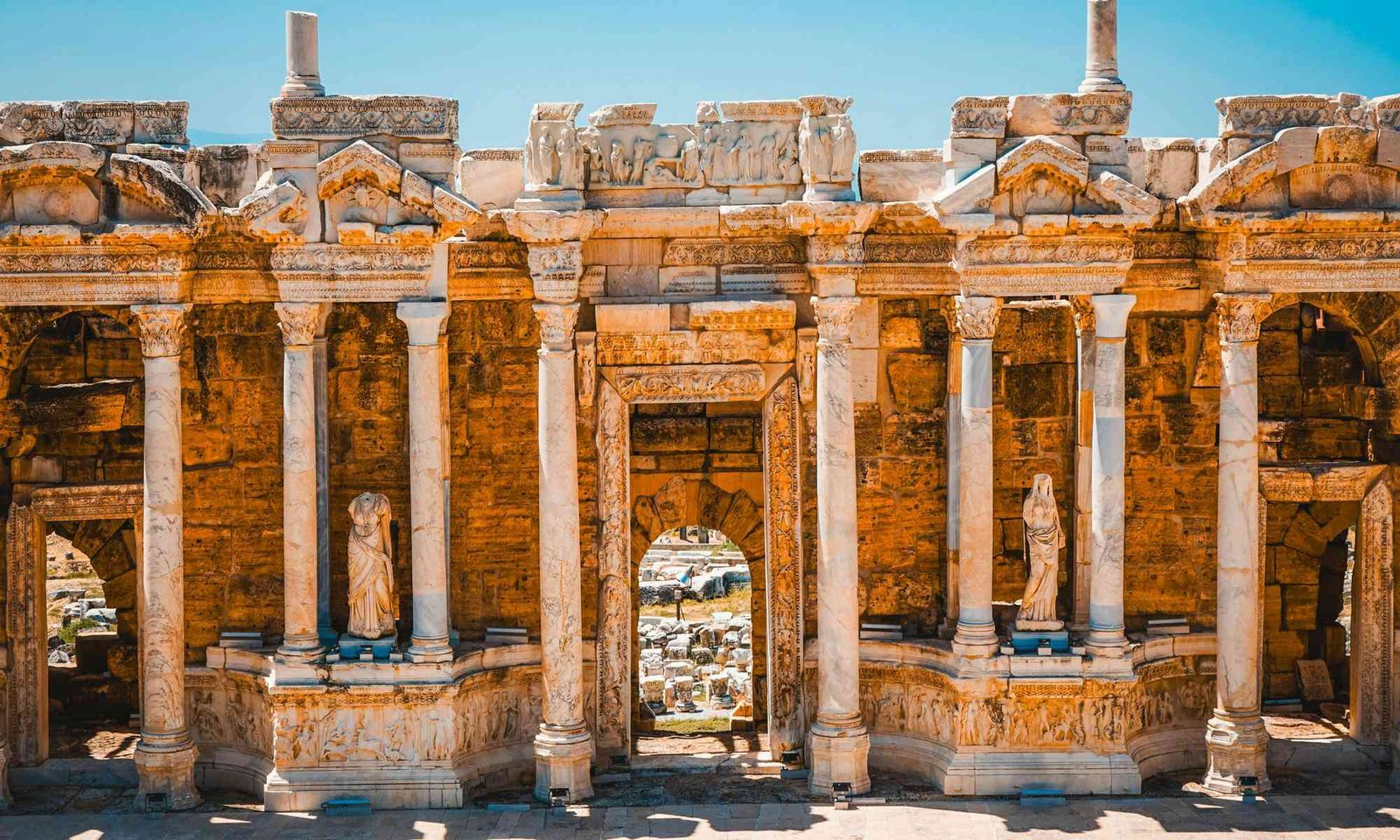
  • Hierapolis, Pamukkale (Turkey)

    Ancient Ruins

    Ancient ruins reveal past civilizations, reflecting their cultures, lifestyles, and architectural ingenuity. From Egypt’s pyramids to Machu Picchu, each site tells a unique story. Temples, fortresses, and cities showcase architectural brilliance, religious beliefs, and governance, captivating visitors. Exploring these ruins deepens our understanding of humanity’s evolution, uncovering details of daily life, trade, and governance that still resonate today.

    Kailasa Temple: A Marvel of Rock-Cut Architecture

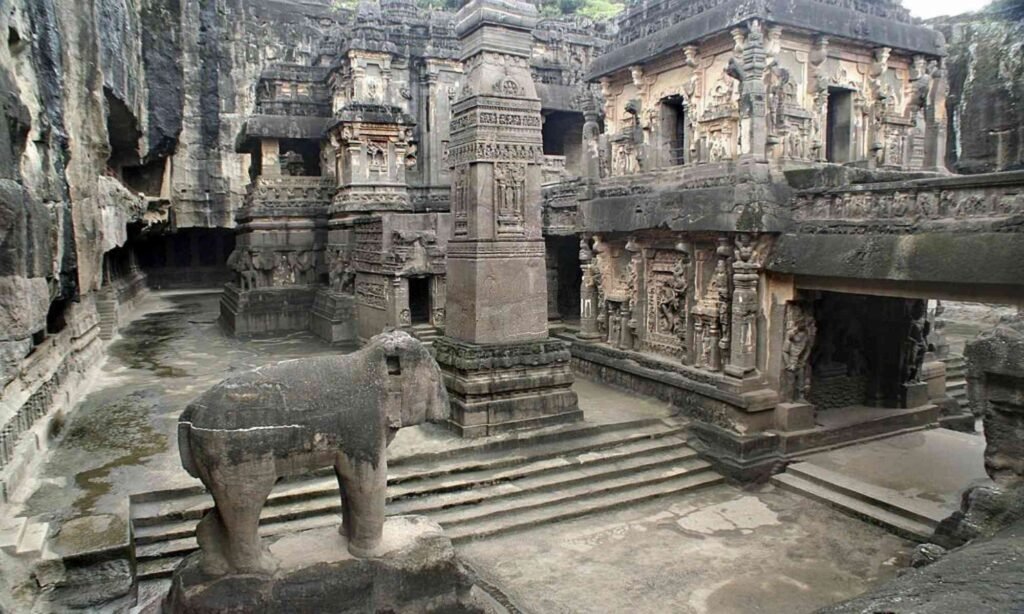
    The Kailasa Temple, also known as the Kailasanatha Temple, is a remarkable specimen of rock-cut architecture located in Ellora, India. Dating back to the 8th century, this architectural wonder was carved during the rule of the Rashtrakuta dynasty. This temple stands as a testament to the sophisticated engineering skills and artistic craftsmanship of its time.

    The sheer scale of the Kailasa Temple is awe-inspiring; it is among the largest monolithic structures, meticulously carved from a single basalt block. The innovative design blends Hindu, Buddhist, and Jain elements, showcasing the era’s religious tolerance.

    The Kailasa Temple is a stunning rock-cut structure, carved from a single basalt block with extraordinary skill. Unlike brick-built temples, it was sculpted by removing 200,000 tons of rock, featuring intricate carvings of Hindu deities and mythological scenes dedicated to Lord Shiva. Recognized as a UNESCO World Heritage Site in 1986, it remains a symbol of India’s rich heritage and architectural brilliance.

    The Pyramids of Giza: Wonders of the Ancient World

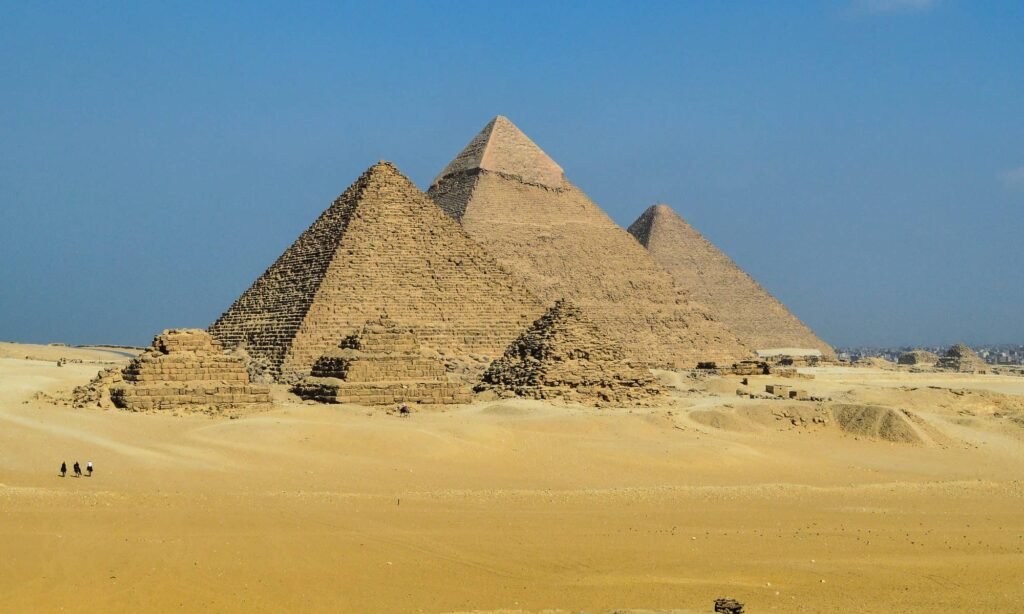
    The Pyramids of Giza, located on the Giza Plateau near Cairo, are among the most remarkable achievements of ancient engineering and remain one of the most significant symbols of ancient Egypt. Constructed during the Fourth Dynasty of the Old Kingdom, these monumental structures include the Great Pyramid of Khufu, the Pyramid of Khafre, and the Pyramid of Menkaure.

    Each pyramid served as a grand tomb for the pharaohs, reflecting their wealth, power, and divine status. This was not merely a final resting place; it was a gateway to the afterlife, where the pharaohs were believed to ascend to the heavens.

    The pyramids have fascinated historians for centuries. Skilled workers used copper chisels and levers to move massive stone blocks with impressive precision, showcasing ancient Egyptian expertise in mathematics and astronomy. Beyond their architectural brilliance, the pyramids served as royal tombs, reinforcing beliefs in the afterlife through their celestial alignment. The Pyramids of Giza remain globally influential, inspiring modern designs and preserving Egypt’s rich legacy.

    Stonehenge and the Great Wall: Symbols of Human Ingenuity

    Stonehenge and The Great Wall of China symbolize human ingenuity and endurance in different historical contexts. Stonehenge evokes prehistoric mystery and spirituality, while The Great Wall reflects strategic and protective needs. Both landmarks inspire awe and respect for our ancestors’ creativity.

    • Stonehenge, dating back to 3000–2000 BC, is a mysterious stone circle on England’s Salisbury Plain. Its purpose remains uncertain, but theories suggest it was an astronomical observatory, a religious site, or a ritual gathering place. Its precise alignment with celestial events highlights the Neolithic peoples’ advanced understanding of astronomy.
    • The Great Wall of China, built from the 7th century BC through the Ming Dynasty, stretches over 13,000 miles as a defense against invasions. Beyond its military role, it symbolizes national unity and showcases ancient China’s engineering ingenuity, built by thousands of laborers across rugged terrain.

    Angkor Wat: A Timeless Wonder of Khmer Architecture

    Angkor Wat, Cambodia’s crown jewel, is one of the most awe-inspiring architectural achievements in history. Built in the early 12th century by King Suryavarman II, it was originally dedicated to Vishnu before becoming a Buddhist site. Enclosed by a massive moat and intricate walls, it features exquisite carvings depicting mythology and royal processions.

    Covering over 400 acres, Angkor Wat is the world’s largest religious monument and a masterpiece of Khmer architecture. Its symmetrical design, towering sanctuary, and vast corridors highlight the engineering skill of its creators. Today, it remains a revered site and a symbol of Cambodia’s heritage, drawing millions of visitors.

    Angkor Wat’s design reflects Mount Meru, with five spires rising above a surrounding moat. Its intricate bas-reliefs depict scenes from Hindu epics, showcasing Khmer artistry. Once abandoned, it was restored with UNESCO’s assistance and remains Cambodia’s national symbol. Whether viewed at sunrise or explored through its vast corridors, Angkor Wat continues to captivate visitors with its grandeur and historical significance.

    Borobudur: A Majestic Legacy of Buddhist Architecture

    Borobudur, Indonesia’s crown jewel, is the world’s largest Buddhist temple and a masterpiece of Javanese architecture. Built in the 8th and 9th centuries under the Sailendra Dynasty, it reflects the region’s deep spiritual traditions. A UNESCO World Heritage Site, it remains one of Southeast Asia’s most visited landmarks.

    Its design mirrors Buddhist cosmology, with three tiers representing the path to enlightenment. The lower levels depict earthly life, while the upper terraces ascend toward spiritual awakening. With over 2,500 bas-reliefs and 72 stupas, Borobudur showcases the artistic brilliance of its creators.

    Abandoned for centuries due to volcanic eruptions and shifting political landscapes, Borobudur was rediscovered in the 19th century and later restored with UNESCO’s assistance. Today, it remains a vital pilgrimage site for Buddhists and a testament to Indonesia’s rich cultural heritage. Whether viewed at sunrise, when its silhouette glows against the misty horizon, or explored through its labyrinthine corridors, Borobudur continues to captivate visitors with its grandeur and historical significance

    A completing List of famous Ancient Ruins

    The world is full of breathtaking ancient ruins that offer a glimpse into past civilizations. Here are some of the most famous ones:

    • Machu Picchu, Peru – The iconic Incan citadel nestled high in the Andes.
    • Chichén Itzá, Mexico – A stunning Mayan city featuring the famous pyramid, El Castillo.
    • The Colosseum, Italy – Rome’s grand amphitheater, once used for gladiator battles.
    • The Acropolis, Greece – Home to the Parthenon and other ancient Greek structures.
    • Petra, Jordan – A city carved into rose-red cliffs, famously known as the “Lost City.”
    • Easter Island, Chile – Famous for its massive stone Moai statues.
    • Pompeii, Italy – A Roman city frozen in time after the eruption of Mount Vesuvius.
    • Sigiriya, Sri Lanka – An ancient fortress built atop a massive rock formation.

    What’s More

    The posts in My Blog feature reflective, story-driven pieces rooted in personal and societal insights.

    The topics in My Interests explore abstract, philosophical ideas and their cultural and societal impact.
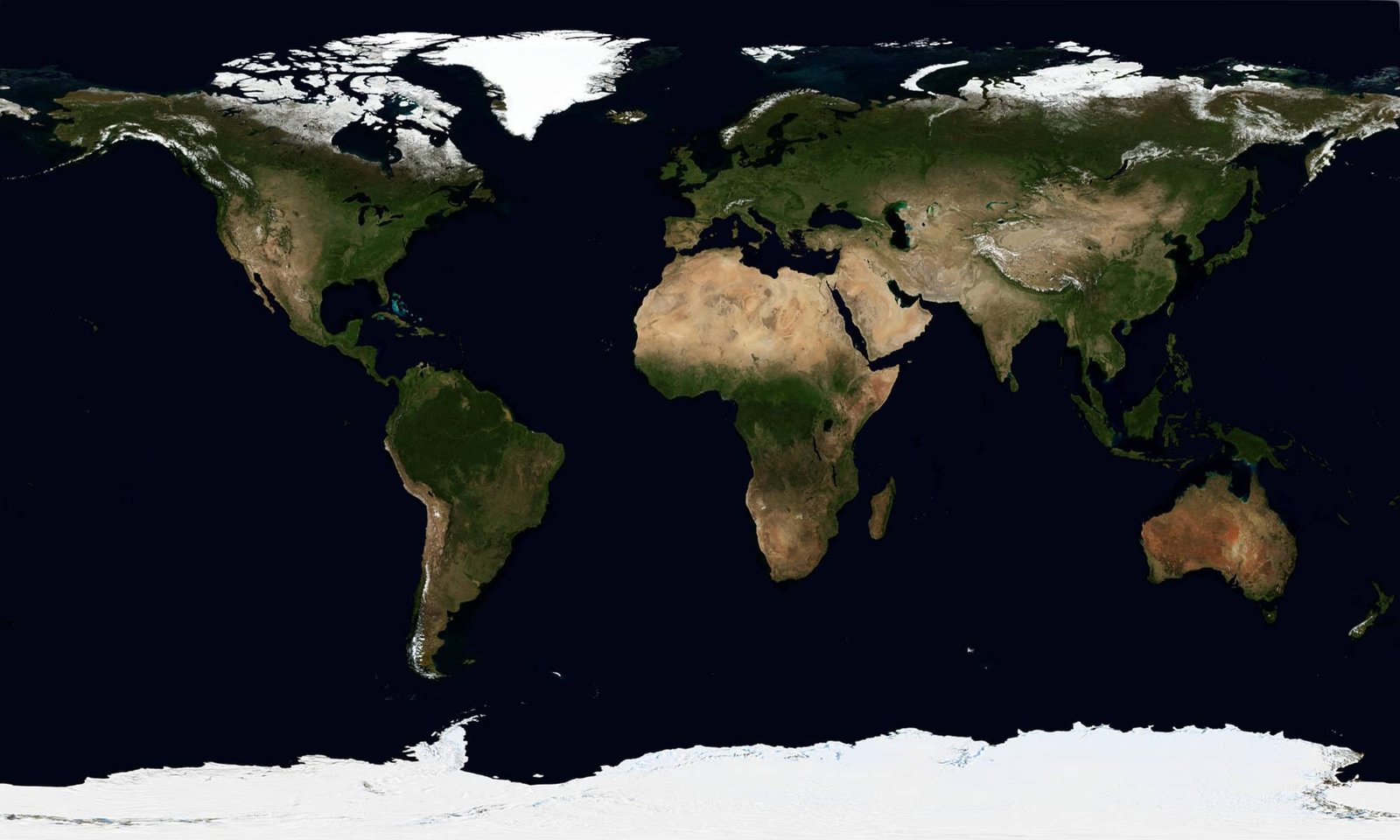
  • World Map NASA

    The Continents

    Continents are large continuous masses of land that are distinguished by their geographic and geological characteristics. Generally, they are recognized as the fundamental landforms on The Earth, encompassing both large and diverse ecosystems and hosting significant human populations.

    • The definition of a continent is often shaped by cultural and scientific interpretations, leading to varying perspectives on what constitutes a continent.

    The formation of continents is primarily attributed to the dynamic geological processes that occur over millions of years. Continental crust, a type of crust that forms the continents, is thicker and less dense than oceanic crust, which forms the ocean floors. This difference in density and composition is crucial in understanding the physical characteristics of our planet.

    How Many Continents Are There?

    How Many Continents Are There In The World? – by Well… Actually

    The most widely accepted model identifies seven continents: Africa, Antarctica, Asia, Australia, Europe, North America, and South America.

    Each of these landmasses is categorized based on criteria such as size, biological diversity, and geopolitical boundaries.

    • For instance, geological studies often emphasize the distinct flora and fauna of each continent, contributing to the classification of continental regions.

    Furthermore, depending on the convention and model, some continents may be consolidated or subdivided.

    • For example, Eurasia is most often subdivided into Asia and Europe, while North America and South America are sometimes recognised as one American continent, The Americas.

    Therefore, in this website, there is yet another convention applied and contents of this site are divided into the regions / continents Asia, Europe, Scandinavia and The Americas. Hope, you don’t mind as it does fit the presentation of all the pics taken by me while traveling the world much better.

    “The world is a book and those who stay home only get to read the first page.”

    – Agustine of Hippo

    The Unique Features of Each Continent

    Earth is divided into into a number of continents, each with unique landscapes, cultures, and climates.

    • Asia, the largest continent in both land area and population, spans over 44 million square kilometers and hosts many diverse climates and terrains. From the frigid Siberian tundra to the tropical jungles of Southeast Asia, it is a region of remarkable contrasts. Home to Mount Everest, the tallest mountain on Earth, Asia also includes influential nations such as China and India, whose cultures, economies, and histories have profoundly shaped the global landscape.
    • Europe is a continent entirely in the Northern Hemisphere, bordered by the Arctic Ocean to the north, the Atlantic Ocean to the west, and the Mediterranean Sea to the south. It is known for its deep historical roots, influential civilizations, and stunning architecture, from medieval castles to modern urban centers. Its many nations each have distinct languages, cultural traditions, and political histories, making Europe a richly interconnected and evolving region.
    • Scandinavia is a subregion of Northern Europe, encompassing Denmark, Norway, and Sweden, known for its rich historical, cultural, and linguistic ties. Characterized by breathtaking fjords, deep forests, and icy landscapes, it is famous for its Viking heritage and progressive societies. The region experiences harsh winters but also enjoys stunning summer landscapes, attracting visitors for outdoor adventures, Nordic cuisine, and its emphasis on sustainable living.
    • The Americas, sometimes collectively called America, encompass both North and South America, making up the majority of Earth’s Western Hemisphere. Together, these continents are home to a vast range of environments, from icy polar regions to lush rainforests. The Americas have been shaped by ancient civilizations, European colonization, and cultural exchanges that influence the world today. As a landmass rich in diversity, they are central to global history, economics, and innovation.
      • North America boasts diverse landscapes, from Arctic tundras to southwestern deserts, with iconic natural features like the Rockies and Grand Canyon. Indigenous cultures, colonial influences, and immigration have shaped its rich identity, while its economic and technological advancements impact the world.
      • South America is home to the Amazon rainforest and Andes mountains, offering extraordinary biodiversity. Cities like Rio de Janeiro and Buenos Aires showcase a blend of colonial history and modern vibrancy, while indigenous traditions remain central to its cultural heritage.
    More Continents
    • Africa is home to the vast Sahara Desert, diverse ecosystems, and an array of rich cultural traditions. It spans multiple climate zones, from tropical rainforests to arid savannas, and serves as a cradle of human civilization. The continent boasts incredible biodiversity, with iconic wildlife like elephants, lions, and gorillas. With a population of 1.3 billion, Africa is a mosaic of languages, histories, and ethnic groups that contribute to its dynamic identity.
    • Antarctica, the coldest and least inhabited continent, plays a crucial role in climate research due to its massive ice sheets and shifting glaciers. Its remote, frozen landscapes contrast sharply with the more populated continents, but it remains home to resilient wildlife, including penguins, seals, and whales. Scientists and researchers study Antarctica’s unique conditions to better understand global environmental changes, while its untouched beauty serves as a stark reminder of Earth’s extremes.
    • Australia, often considered both a continent and a country, is known for its distinctive ecosystems and natural wonders. The Great Barrier Reef, one of the world’s most complex marine habitats, lies off its coast, while vast deserts dominate the interior. Indigenous cultures date back tens of thousands of years, providing a rich tapestry of traditions and deep connections with the land. Modern Australia features vibrant cities, diverse wildlife, and a unique blend of cultural influences.

    Challenges Facing Our Continents Today

    Continents face serious environmental, social, and economic challenges, with climate change intensifying extreme weather, rising sea levels, and agricultural disruptions. Developing nations often struggle with limited resources to adapt, increasing risks for both ecosystems and human populations.

    Deforestation continues at a rapid pace, driven by agriculture, urban expansion, and logging. Forests serve as essential carbon sinks, and their destruction accelerates climate change and threatens biodiversity. Conservation efforts, such as reforestation projects, are crucial in restoring balance and protecting ecosystems.

    Urbanization adds pressure to cities as populations grow, increasing demand for housing, clean water, and transportation. Many cities struggle with overcrowding and sanitation issues, contributing to inequality. However, smart city planning and technological innovations offer potential solutions to improve infrastructure and quality of life.

    Despite these challenges, sustainability efforts provide hope. Reforestation, responsible land use, and eco-friendly farming techniques mitigate environmental damage. International cooperation and local engagement drive solutions, helping nations build a more resilient and equitable future.

    Future Perspectives: What Lies Ahead

    The future of our continents is poised to be shaped by a myriad of factors including climate change, population growth, technological advancements and tectonic shifts.

    • Climate Change: Rising temperatures disrupt ecosystems and communities, with sea levels threatening coasts and shifting weather affecting agriculture. Nations are expected to adopt sustainable practices, and green technology will be crucial in building resilience.
    • Population Growth: Urbanization will continue as millions move to cities, increasing demand for housing, transport, and public services. Smart city initiatives and AI-driven resource management will help address infrastructure challenges.
    • Global Connectivity: Climate change and public health demand global cooperation. Collaborative research, technology sharing, and policy-making will drive solutions, with agreements promoting sustainability and equitable resource use.
    • Tectonic Activity: Earth’s shifting plates shape landscapes, forming mountains, triggering earthquakes, and fueling volcanic activity. Continents may merge again into a supercontinent in about one galactic year (roughly 225 million earth years).
      • Three potential arrangements of this configuration have been dubbed Amasia (+100 million years), Novopangaea (+200 million years) and Pangaea Ultima (+250 million years.)

    As humanity navigates these transformations, proactive efforts in sustainability, innovation, and global collaboration will determine how well future generations adapt to an evolving world.

    What’s More

    The posts in My Blog feature reflective, story-driven pieces rooted in personal and societal insights.

    The topics in My Interests explore abstract, philosophical ideas and their cultural and societal impact.

  • A Skull in Space

    Cosmic Horror

    At its core, cosmic horror embodies a profound sense of existential dread, serving as a thematic framework through which humanity confronts its own insignificance in the enormity of the universe. This philosophical inquiry delves into the unknown, challenging individuals to grapple with concepts that feel both terrifying and liberating.

    The insignificance of humanity is a recurring theme in cosmic horror. Unlike other horror genres that may focus on tangible threats, cosmic horror emphasizes the vastness of existence, suggesting that human concerns are trivial in the grand scheme of the cosmos. This realization can lead to feelings of helplessness or anxiety, as individuals confront the idea that they are mere blips in an unfathomable reality. By highlighting this perspective, cosmic horror encourages an exploration of what it means to be human in a universe teeming with unpredictable forces and incomprehensible truths.

    Moreover, the confrontation with the unknowable is central to the psychological impact of cosmic horror. The genre posits that there are cosmic entities or truths that exist beyond human comprehension. This confrontation often invokes trepidation, as individuals are faced with the limitations of their understanding. The fear of the unknown can provoke intense emotions, leading to a state of existential questioning. Here, cosmic horror acts as a mirror, reflecting back humanity’s fears and uncertainties regarding its place in a vast, indifferent universe.

    In synthesizing these fundamental elements, cosmic horror engages with deep philosophical implications, urging individuals to reassess their views on existence, knowledge, and their role within the larger cosmic order. This examination of significance, or lack thereof, ultimately cultivates a unique blend of fear and fascination, encouraging a profound reflection on both the human condition and the mysteries that lie beyond our comprehension.

    Cosmic Horror and Cosmic Balance

    Cosmic Balance embodies the idea that the universe operates within a framework of order, where opposing forces – creation and destruction, chaos and harmony – interact to sustain equilibrium. Unlike chaos, which dismantles structure, cosmic balance suggests a fundamental interconnectedness, ensuring that existence unfolds within a set of governing principles. Gravity holds celestial bodies in place, ecosystems rely on symbiosis, and even philosophical traditions emphasize harmony in human and cosmic affairs. This balance doesn’t imply perfection but rather a dynamic interplay where each force contributes to the whole.

    So, psychologically, cosmic balance offers reassurance against existential uncertainty. It presents the universe not as a hostile void but as an intricate system, where cycles of life, death, and rebirth reinforce continuity rather than meaninglessness. Spiritual concepts like karma, dharma, and yin-yang reflect this equilibrium, underscoring the idea that actions ripple through existence, maintaining order. Whether viewed scientifically or philosophically, cosmic balance challenges the notion of pure randomness and suggests that even amidst vast unknowns, the universe operates with a profound, if elusive, symmetry.

    The Psychological Impact of the Unknown

    Cosmic horror, a genre that evokes feelings of Trepidation, unsettling dread, and disorientation, significantly influences the psychological landscape of individuals confronted with its themes. Central to this phenomenon is the acute awareness of the limitations of human existence and the vast, indifferent cosmos that surrounds us. The recognition of our insignificant status in the universe can precipitate profound anxiety, as individuals grapple with the uncertainties that lie beyond their knowledge. This existential predicament often leads to a fear of the unknown, manifesting as an underlying tension that permeates daily life.

    Psychologically, these feelings of trepidation and anxiety may arise from the innate human desire for control and understanding. When faced with the incomprehensible, such as the immense complexity of the cosmos or the potential existence of malevolent entities, this need is challenged. Individuals can experience heightened levels of fear and existential crises, questioning the fundamental nature of reality and their own purpose within it. The fear of the unknown becomes a debilitating force, manifesting in various expressions, from avoidance behaviors to obsessive thoughts.

    Moreover, personal experiences and perceptions significantly shape an individual’s relationship with the unknown. For some, exposure to themes of cosmic horror in literature or film offers a cathartic release, allowing them to confront their fears in a safe environment. For others, these themes may exacerbate anxieties, prompting spirals of trepidation and dread that affect mental health. Insights from psychology illustrate how such encounters with the unknown can trigger responses rooted in survival instincts, where the mind interprets uncertainty as a threat. Ultimately, the psychological impact of cosmic horror prompts a complex interplay between fear and curiosity, influencing human behavior and perceptions of reality.

    Personal Experiences and Cosmic Trepidation

    Cosmic horror, while frequently portrayed in the realms of literature and cinema, transcends fiction and finds its manifestation in our daily lives. Individuals may encounter feelings of deep unease when faced with the vastness of nature or the infinite expanse of the universe. These experiences evoke a unique blend of awe and dread, prompting philosophical reflections on our place within the cosmos. For many, standing beneath a starlit sky can evoke an overwhelming sense of insignificance, emphasizing the sheer scale of the universe and our fleeting existence. The realization that we are but a minuscule part of an unfathomable cosmos can trigger existential thoughts, engendering a form of cosmic horror.

    In addition to celestial encounters, natural landscapes can serve as potent reminders of nature’s unfathomable power. For instance, witnessing a towering mountain range or the desolation of an expansive desert can induce feelings of trepidation. These grand images of nature may provoke individuals to confront their vulnerabilities in the face of such overwhelming forces. This confrontation often leads to reflection on the fragility of life and the relentless passage of time – a theme central to the narrative of cosmic horror. Personal anecdotes of such experiences reveal a common thread: the human fascination with the unknown, coupled with a simultaneous fear of it.

    Beyond physical encounters, cosmic horror often creeps into our minds through philosophical inquiry. Contemplating the vastness of time and the potential for otherworldly life forms can stir a profound sense of disquiet. The questions surrounding existence – What are we? Are we alone? – lend themselves to feelings of trepidation rooted in the unknown. Such reflections often encourage individuals to explore their beliefs and values, deepening their understanding of the human condition. This spectrum of experiences highlights that cosmic horror is not just a narrative device, but a profound aspect of human existence that invites reflection and exploration.

    Confronting Cosmic Horror: Acceptance and Understanding

    In the face of cosmic horror, individuals often experience a profound sense of insignificance and anxiety about the unfathomable realities of existence. Confronting these feelings requires a multifaceted approach that fosters acceptance and understanding of the unknown.

    • One effective strategy for managing the trepidation of cosmic horror is mindfulness. By cultivating present-moment awareness, individuals can observe their thoughts and feelings without judgment, reducing anxiety tied to existential concerns. Mindfulness techniques, such as meditation and deep breathing, create mental space where cosmic horror’s weight can be acknowledged without overwhelming consciousness. This practice enhances emotional resilience and fosters appreciation for the fleeting nature of existence. Embracing life’s uncertainties encourages acceptance that, while we may be insignificant in the grand scale of the universe, our experiences and connections hold intrinsic value.
    • Philosophical acceptance further aids in confronting cosmic horror. Engaging with existential philosophy can provide a framework through which individuals can explore their fear of the unknown. By studying the works of philosophers who grapple with themes of existence and absurdity, such as Albert Camus or Jean-Paul Sartre, individuals can gain insights into the human condition and recognize that feelings of dread are a shared experience. This understanding fosters a sense of unity among those who wrestle with similar fears.
    • Community discussions also play a crucial role in alleviating the burdens of cosmic horror. By sharing thoughts and experiences with like-minded individuals, people can mitigate the isolation that often accompanies existential anxiety. Open dialogues create opportunities for collective exploration of the mysteries of life and the universe, enabling participants to support each other in finding meaning amid the chaos. Such communal engagement enriches our perspective on existence, emphasizing the beauty that can flourish even in the face of uncertainty.

    What’s More

    The posts in My Blog feature reflective, story-driven pieces rooted in personal and societal insights.

    The topics in My Interests explore abstract, philosophical ideas and their cultural and societal impact.

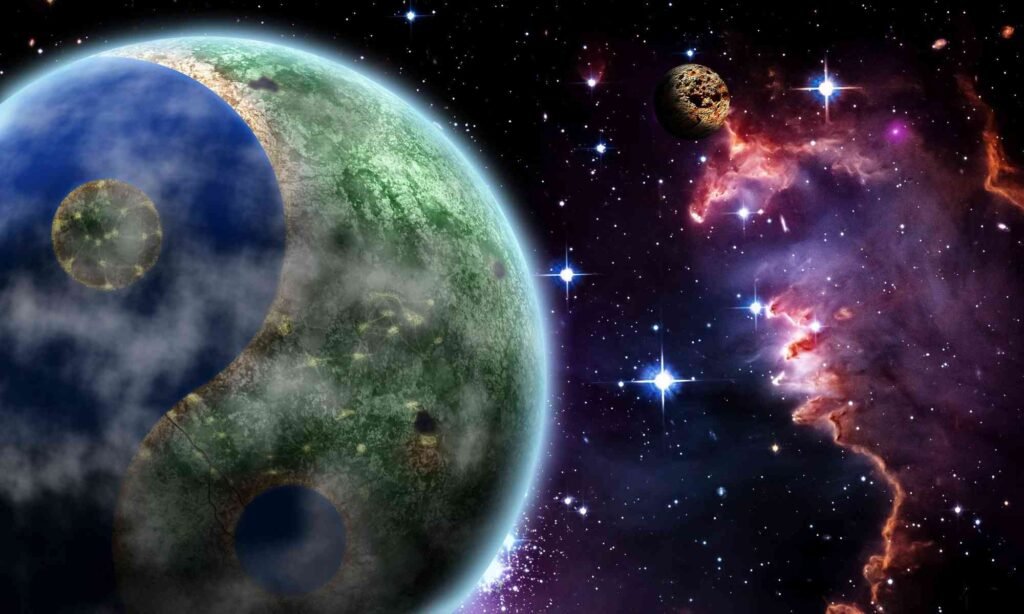
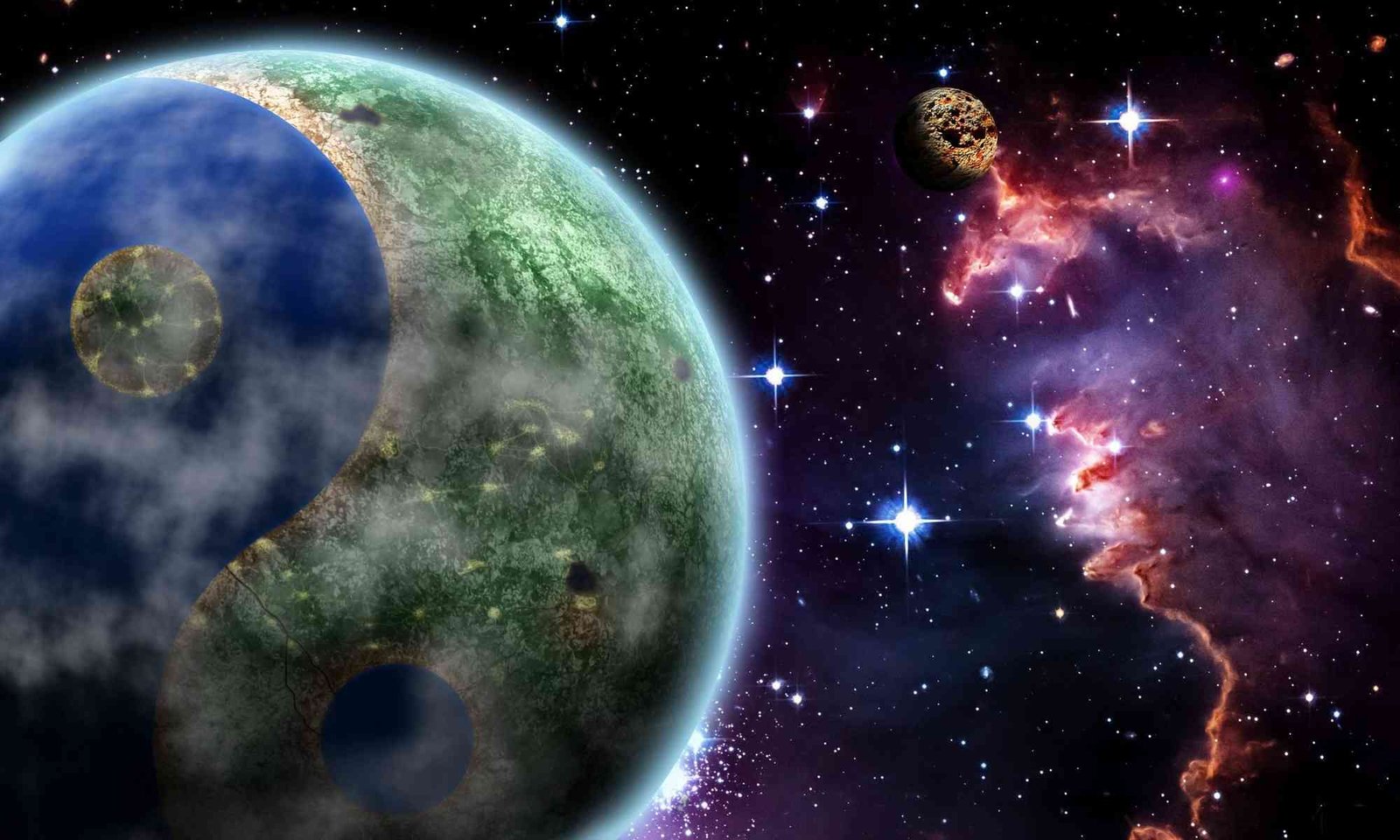
  • Yin Yang Planet in Space

    Cosmic Balance

    The concept of cosmic balance intertwines scientific principles with philosophical reflections on existence. At its core, it refers to the equilibrium sustaining the universe, manifesting through interrelated physical laws and natural phenomena, ensuring stability across vast cosmic scales. In scientific terms, forces like gravity maintain cosmic structure, ensuring celestial bodies remain in stable motion, influencing planetary formations and interactions across galaxies.

    • From a physics perspective, cosmic balance is evident in thermodynamic laws, governing energy conservation and distribution across the universe. As celestial systems evolve, they tend toward equilibrium, shaping galaxies and the lifecycle of stars.
    • Beyond physics, many ancient cultures saw the cosmos as a reflection of balance, emphasizing interconnectedness in life. Eastern philosophies like Taoism present yin and yang as opposing forces creating harmony, while Greek thought viewed ‘cosmos’ as an ordered entirety contrasting with ‘chaos.’

    Across disciplines, cosmic balance continues to offer insight into the structured beauty of existence, revealing an intricate dance of forces and ideas shaping reality, influencing scientific discovery, philosophical thought, and cultural beliefs throughout human history. It serves as a guiding principle in understanding the universe’s mechanics, while also inspiring artistic expression, ethical frameworks, and spiritual traditions that seek harmony within the vast cosmic order.

    The Role of Forces in the Universe

    Outer Space is governed by various fundamental forces that work together to maintain cosmic balance and stability. These forces – gravity, electromagnetism, and nuclear interactions – shape the formation and behavior of celestial bodies across the vast expanse of space.

    • Gravity, the most prominent force, dictates the motion of planets, stars, and galaxies, ensuring they orbit and interact in a predictable manner. Its influence is crucial in maintaining the structural integrity of galaxies, which contain billions of stars held together within vast cosmic webs that stretch across The Universe.
    • Electromagnetism, another fundamental force, regulates the interactions between charged particles. This force is crucial for the formation of atoms, which in turn enables the emergence of matter as we know it. The electromagnetic force is responsible for the boundaries of chemical reactions that contribute to the conditions necessary for life, such as those occurring on Earth. Without the balance maintained by electromagnetism, the very fabric of matter would be disrupted, hindering the universe’s ability to sustain life.
    • Moreover, nuclear interactions, particularly the strong and weak nuclear forces, play significant roles within atomic nuclei. The strong nuclear force binds protons and neutrons together, overcoming their natural repulsion, while the weak nuclear force facilitates certain types of radioactive decay. Together, these forces not only govern the interactions within stars but also ensure the synthesis of heavier elements essential for cosmic phenomena.

    In addition to these four classical forces, concepts such as dark matter and dark energy are integral to understanding cosmic balance on a grand scale. Dark matter, which does not emit light or energy, exerts gravitational effects on visible matter, while dark energy contributes to the accelerated expansion of the universe. This interplay of forces, including the unknown factors associated with dark matter and dark energy, underpins the intricate balance of the cosmos, allowing galaxies and solar systems to exist in harmony within the vast expanse of space.

    Cosmic Balance in Human Life

    Cosmic balance and Karma are deeply interconnected concepts found in various spiritual traditions. Karma, often described as the law of cause and effect, suggests that every action – whether positive or negative – creates consequences that shape future experiences. This principle reinforces the idea that the universe maintains a form of balance, ensuring that actions align with their outcomes over time.

    In Hindu philosophy, karma is tied to dharma, or moral duty, maintaining cosmic order. It influences samsara – the cycle of birth, death, and rebirth – shaping future lives based on past actions. In Buddhism, karma guides spiritual growth, emphasizing mindfulness and ethical behavior to foster positive outcomes.

    Beyond individual actions, karma is often seen as a universal force that governs fairness and justice. It encourages personal responsibility, urging individuals to act with integrity, compassion, and awareness. Some interpretations suggest that by living in alignment with one’s dharma, one can mitigate negative karma and contribute to a more harmonious existence.

    The concept of cosmic balance extends beyond the vast expanses of the universe and infiltrates everyday human existence. Just as celestial bodies maintain their positions and movement through gravitational forces, individuals and societies are also influenced by the principles of balance in various aspects of life.

    • One of the most profound ways this manifests is through mental and emotional well-being. Achieving emotional equilibrium can be likened to the balance found in nature; when individuals cultivate emotional intelligence, they improve not only their own quality of life but also that of those around them. This internal harmony promotes resilience against external chaotic influences, fostering healthier relationships, stronger communities, and a deeper sense of personal fulfillment in everyday life.
    • Community harmony further reflects the principles of cosmic balance. Societies have long sought equilibrium through cooperation, fostering unity and understanding among diverse groups. Social movements that strive for equality and justice exemplify this effort, recognizing that a harmonious community is essential for collective well-being. Just as ecosystems thrive through biodiversity, communities flourish when differences are respected and valued, creating stability in social interactions.
    • Ecological balance is equally vital in maintaining planetary harmony, resonating with cosmic balance. Human activity often disrupts this natural equilibrium, leading to environmental consequences that threaten sustainability. Embracing sustainable practices, such as reducing waste and conserving resources, aligns with cosmic principles and reinforces humanity’s role in preserving the planet’s health.
    Cosmic Balance and Cosmic Horror

    Cosmic Horror thrives on the fear that balance is either an illusion or indifferent to human concerns. The genre explores a vast, cold, incomprehensible universe governed by forces beyond human control. Unlike traditional horror, which presents tangible threats, cosmic horror unsettles by highlighting chaos on an overwhelming scale, rendering human efforts insignificant. This trepidation stems from realizing that humanity’s perceived order is fragile and attempts to impose meaning onto the cosmos may be futile. The universe isn’t necessarily malicious – just indifferent, operating on principles beyond human comprehension.

    So, psychologically, cosmic horror taps into deep-seated fears of the unknown, powerlessness, and existential uncertainty. The dread it evokes is not just about terrifying creatures or supernatural phenomena but about the sheer insignificance of human life in an unfathomable cosmos. This tension between balance and horror forces individuals to confront their place in the universe – whether they find solace in cosmic order or terror in its vast indifference.

    Future Insights and Implications of Cosmic Balance

    The concept of cosmic balance serves as a vital framework as we delve into the future of cosmological studies and our understanding of the universe. Emerging theories in physics and cosmology suggest that the balance of forces across the universe may hold keys to unraveling mysteries yet to be discovered. These theories posit that various fundamental forces – gravitational, electromagnetic, and nuclear – interact and exemplify a grand equilibrium, shaping everything from stellar formations to the behavior of dark matter.

    As we further investigate these relationships, the anticipation of discovering new forces or forms of balance becomes increasingly relevant. The implications of such discoveries stretch beyond theoretical references; they could redefine current paradigms in physics and expand our comprehension of the cosmic tapestry. For instance, the concept of multiverses and varying dimensions introduces exciting possibilities regarding the balance between different universes and their respective physical constants. Such discussions not only challenge conventional wisdom but also open avenues for innovative technologies harnessing these fundamental principles.

    Moreover, the relevance of cosmic balance extends to tackling contemporary global challenges such as climate change and resource distribution. As humanity continues its foray into space exploration, understanding cosmic balance can enhance our approaches to sustainable development. For instance, by grasping how ecosystems and planetary systems maintain equilibrium, we might implement similar strategies on Earth, promoting harmony within our own environments. The insights gleaned from cosmic balance could also frame our ethical considerations regarding space exploration, urging us to protect potential extraterrestrial ecosystems.

    What’s More

    The posts in My Blog feature reflective, story-driven pieces rooted in personal and societal insights.

    The topics in My Interests explore abstract, philosophical ideas and their cultural and societal impact.

  • Classroom Interior Design

    Education

    The Importance of Education in Modern Society

    Education serves as a cornerstone of modern society, functioning as a primary vehicle through which individuals acquire essential skills and knowledge. The process of education empowers individuals, enabling them to become critical thinkers and informed citizens. This empowerment is essential for personal growth and development, as education helps individuals navigate their environments more effectively, make informed choices, and contribute positively to society. By developing skills that encompass both hard and soft elements, education prepares individuals for a dynamic and evolving workforce, fostering competencies such as problem-solving, communication, and collaboration.

    Education drives economic growth by enhancing productivity, innovation, and adaptability in a globalized world. Nations that invest in education strengthen their economies and build resilience for future challenges. Beyond economic benefits, education fosters social cohesion and cultural awareness, helping individuals engage with diverse perspectives, cultivate empathy, and reduce societal divisions. Schools serve as spaces for inclusivity and mutual respect, shaping informed and compassionate citizens. Ultimately, education is essential for both individual empowerment and societal progress. Addressing educational inequity ensures that everyone can contribute meaningfully to a more just, prosperous, and equitable world.

    The Right To Education

    The right to education is reflected in international law in Article 26 of the Universal Declaration of Human Rights:

    1. Everyone has the right to education. Education shall be free, at least in the elementary and fundamental stages. Elementary education shall be compulsory. Technical and professional education shall be made generally available and higher education shall be equally accessible to all on the basis of merit.
    1. Education shall be directed to the full development of the human personality and to the strengthening of respect for human rights and fundamental freedoms. It shall promote understanding, tolerance and friendship among all nations, racial or religious groups, and shall further the activities of the United Nations for the maintenance of peace.
    2. Parents have a prior right to choose the kind of education that shall be given to their children.

    The Benefits of Lifelong Learning

    Why You NEED to be a Lifelong Learner – by The Life Formula

    Lifelong learning refers to the ongoing, voluntary, and self-motivated pursuit of knowledge and skills throughout an individual’s life. In today’s fast-paced and ever-evolving world, the significance of lifelong learning has become increasingly apparent. As technological advancements and globalization reshape job markets and societal expectations, individuals must adapt to new challenges to thrive personally and professionally. Lifelong learning offers a pathway to this adaptability, ensuring that one remains relevant amid constant change.

    One of the primary benefits of lifelong learning is its positive impact on employability. The labor market continuously demands new skills, and those who engage in continuous education – whether through formal programs, online courses, workshops, or self-directed study – are better equipped to meet these evolving demands. Employers often prioritize candidates who demonstrate a commitment to self-improvement and intellectual curiosity. Furthermore, by acquiring new competencies, individuals can explore new career opportunities or pivot into different industries, thus enhancing their career prospects substantially.

    Apart from career advancement, lifelong learning fosters personal satisfaction and enrichment. Engaging in various learning experiences can stimulate one’s intellectual faculties and contribute to a deeper understanding of diverse topics. This pursuit not only bolsters critical thinking skills but also opens doors to new hobbies and interests, ultimately enriching one’s life overall. Numerous communities worldwide have embraced lifelong learning initiatives, ranging from adult education classes to community-based workshops, demonstrating impressive results. These efforts have helped individuals gain new skills, build social networks, and contribute to collective community growth.

    “Knowledge makes a man unfit to be a slave.”

    – Frederick Douglass

    Barriers to Education: A Closer Look

    Breaking Barriers: An Inclusive Education for all | Nethul Virarachchi | TEDx Talks

    Access to quality education remains a pressing issue globally, with numerous barriers hindering individuals from realizing their educational aspirations. One of the most significant obstacles is economic disparity. Families facing financial hardships often struggle to afford basic educational necessities, such as school fees, uniforms, and supplies. This economic constraint can lead to high dropout rates, especially among marginalized communities, thereby perpetuating a cycle of poverty and limiting opportunities for future generations.

    Geographic limitations further exacerbate this issue. In many rural and underserved urban areas, educational institutions may be scarce or of subpar quality. Students who reside in remote locations often travel long distances to attend schools, facing additional challenges such as inadequate transportation and safety concerns. These geographic barriers can discourage attendance and hinder academic performance, ultimately affecting students’ long-term educational outcomes.

    Cultural biases and societal norms also play a critical role in shaping educational access and success. Many communities harbor deep-seated prejudices against specific groups based on gender, ethnicity, or socio-economic status. For instance, girls in certain regions may be discouraged from pursuing education due to traditional gender roles, limiting their potential and reinforcing gender inequality. Similarly, children from marginalized ethnic backgrounds may encounter discrimination within educational settings, leading to lower self-esteem and diminished academic ambition.

    Addressing these systemic barriers requires a multifaceted approach that involves policy reform, community awareness, and targeted support systems. By fostering inclusive educational environments and ensuring equitable access to resources, society can work towards dismantling these obstacles. Ultimately, the importance of education as a fundamental human right underscores the necessity of creating a framework that supports all individuals, regardless of their economic, geographic, or cultural circumstances.

    Educational Divide: Solutions and Innovations

    Addressing Education Divide necessitates innovative solutions and collaborative efforts from various sectors. One effective approach has been the integration of technology in education. By leveraging digital tools, classrooms can transcend geographic and economic barriers, providing students in marginalized communities with access to quality learning resources. Online platforms facilitate personalized learning experiences, enabling educators to tailor curricula to meet the diverse needs of their students. Moreover, these technological resources can boost engagement and motivate learners, fostering a more inclusive educational environment.

    Community-based learning plays a vital role in bridging the education gap by involving local stakeholders – educators, families, and community organizations – to enhance learning experiences. These initiatives emphasize culturally relevant teaching, making education more engaging and accessible for underrepresented students while fostering a sense of ownership within communities. Policy reforms are key to establishing equitable education systems. Governments are prioritizing funding and resources for underfunded schools, ensuring disadvantaged areas receive adequate support. Investing in teacher training and retention further strengthens educational institutions and improves student outcomes. Collaboration among governments, NGOs, and the private sector drives systemic change. By pooling expertise, funding, and resources, stakeholders develop sustainable solutions to reduce disparities, improve accessibility, and affirm education as a universal right for all.

    What’s More

    The posts in My Blog feature reflective, story-driven pieces rooted in personal and societal insights.

    The topics in My Interests explore abstract, philosophical ideas and their cultural and societal impact.

  • Breah Trough A Brick Wall

    Breakthroughs

    Defining Breakthroughs and Their Significance

    Edward Witten – What are Breakthroughs in Science? – by Closer to Truth

    Breakthroughs are pivotal moments characterized by significant advancements that alter existing paradigms across various domains, including science, technology, and personal development. These transformative achievements are often marked by innovative solutions, enabling individuals and industries to overcome longstanding challenges. In this context, a breakthrough can be defined as a notable progress that leads to a substantial shift in understanding or capability, ultimately catalyzing change.

    In the realm of science, breakthroughs have consistently reshaped our comprehension of the natural world. For example, the discovery of penicillin by Alexander Fleming in 1928 revolutionized medicine, significantly reducing mortality rates from bacterial infections. Similarly, the development of the theory of relativity by Albert Einstein in the early 20th century challenged conventional notions of space and time, establishing a foundation for modern physics. These examples underscore how scientific breakthroughs can lead to advancements that influence entire fields and improve society’s overall well-being.

    Technological breakthroughs, on the other hand, manifest in the development of innovative tools and applications that enhance human capabilities. The advent of the internet is a salient example, as it has transformed communication, information dissemination, and commerce on a global scale. Moreover, the proliferation of smartphones has fundamentally changed the way people interact with technology and each other. These innovations demonstrate the importance of technological breakthroughs in creating new industries and reshaping consumer behavior.

    Breakthroughs also extend to personal achievement, marking critical milestones in an individual’s journey toward self-improvement or success. Whether it involves overcoming personal obstacles or achieving long-held ambitions, such moments of clarity and achievement inspire others and foster a culture of aspiration. Historical examples, like Thomas Edison’s relentless pursuit of the electric light bulb, illustrate how individual breakthroughs can lead to societal progress and inspire future innovators. The significance of breakthroughs lies in their power to drive change, inspire innovation, and reshape the fabric of society.

    The Role of Disruptive Innovations

    Disruptive Innovations represent a significant paradigm shift within various industries, fundamentally altering market dynamics and consumer expectations. Unlike incremental innovations, which involve gradual improvements to existing products or services, disruptive innovations introduce groundbreaking changes that redefine the framework within which businesses operate. These innovations often emerge at the fringes of the market, targeting segments overlooked by established players.

    Disruptive innovations create new markets or reshape existing ones, often by introducing lower-performance products or services that meet the needs of underserved consumers. Over time, these innovations improve and surpass traditional offerings, causing established companies to lose market share. Smartphones exemplify this shift – once seen as less capable than traditional mobile devices, they quickly evolved to dominate telecommunications, changing how people communicate, access information, and interact with technology.

    Streaming services offer another case of disruption. Initially alternatives to cable television, they transformed media consumption by providing flexibility and convenience, prompting broadcasters to rethink their content strategies. Their success has led to an industry-wide shift, with traditional media companies launching their own streaming platforms to stay competitive.

    However, disruptive innovations present challenges. Established companies struggle to adapt due to legacy systems, entrenched practices, and resistance to change. Businesses must remain open to transformation and responsive to shifting consumer demands to stay competitive. Understanding these dynamics is crucial for companies navigating an evolving market landscape.

    The Heureka Moment: Inspiration Behind Breakthroughs

    The concept of the Heureka moment denotes a sudden realization or a significant breakthrough in thought, often leading to substantial advancements in various fields. These moments are characterized by clarity and insight, frequently emerging when least expected. They serve as pivotal turning points, catalyzing innovation and shaping the trajectory of numerous disciplines. Understanding the factors that contribute to these insightful instances is crucial in appreciating their role in the innovation process.

    Psychologically, a Heureka moment can arise from a combination of inherent creativity and environmental stimuli. Conditions conducive to idea generation, such as an open mindset, a relaxed environment, or engaging in unrelated activities, can trigger these flashes of inspiration. For instance, numerous inventors and scientists have reported experiencing significant breakthroughs during mundane tasks or while working in nature, suggesting that mental disengagement from the problem at hand can sometimes yield unexpected solutions.

    The interplay between conscious thought and subconscious processing also signifies the complexity of these moments. As individuals ponder challenges, their minds may continue to work on the solutions subconsciously, leading to serendipitous insights. This aspect underscores the significance of nurturing creativity and allowing mental space for ideas to incubate. Historical examples of such moments include Archimedes, who supposedly shouted ‘Heureka!’ upon discovering a method to determine the purity of gold, and Sir Isaac Newton, who conceptualized the law of gravitation after observing an apple fall. Both instances highlight how simple observations can evolve into groundbreaking theories.

    In essence, the Heureka moment embodies the unpredictable nature of inspiration. By fostering creative thinking and creating environments that encourage exploration, individuals and organizations can better harness the potential these transformative insights offer, leading to tangible breakthroughs in innovation.

    Fostering an Environment for Breakthroughs

    Edward Witten – How Do Scientific Breakthroughs Happen? – by Closer to Truth

    Creating an environment that nurtures breakthroughs requires a strategic approach, especially in an era where disruptive innovations reshape industries and society. Organizations must prioritize fostering creative thinking among their teams. One effective way to achieve this is through brainstorming sessions, where diverse perspectives are encouraged. Creating an atmosphere that validates all ideas, regardless of how unconventional they may appear, is vital. This will help individuals feel free to express their thoughts without the fear of judgment, ultimately facilitating more innovative solutions.

    Embracing failure as a valuable learning tool is equally important in cultivating an innovative environment. When organizations normalize discussions around failures and view them as opportunities for growth, they create a supportive culture that promotes risk-taking. Acknowledging that every failed attempt is a step toward a successful breakthrough can significantly boost team morale and encourage individuals to pursue transformative ideas.

    Collaboration is another cornerstone of a breakthrough-oriented culture. By bringing together diverse teams with varying expertise and backgrounds, organizations can harness a wide range of insights and skills. This blend of perspectives often leads to innovative solutions that would not arise within homogeneous groups. Regular interdisciplinary workshops and team-building activities can enhance cohesiveness while driving creative collaborations.

    Investing in research and development (R&D) is essential to sustaining innovation. Allocating resources toward exploring new technologies, methodologies, and ideas ensures that organizations remain at the forefront of their industries. Additionally, establishing a clear innovation framework – outlining processes for idea generation, evaluation, and implementation – further supports the systematic pursuit of breakthroughs.

    Ultimately, organizations should cultivate a culture that celebrates innovation and creativity. Encouraging experimentation, providing resources for professional development, and recognizing individual contributions to innovation can significantly increase engagement. By implementing these strategies comprehensively, both individuals and organizations can position themselves to unlock future breakthroughs and maintain a competitive edge.

    What’s More

    The posts in My Blog feature reflective, story-driven pieces rooted in personal and societal insights.

    The topics in My Interests explore abstract, philosophical ideas and their cultural and societal impact.
  • Support Economic Stability

    Economic Stability

    Defining Economic Stability

    Economic stability is a fundamental cornerstone that helps to maintain the functionality of an economy, ensuring that both individuals and businesses can operate effectively. This concept refers to a condition in which an economy experiences steady growth and low volatility in key economic metrics. Stability is characterized by minimal fluctuations in employment rates, inflation, and gross domestic product (GDP), enabling a predictable environment for both consumers and investors.

    The significance of economic stability cannot be overstated, as it directly influences employment rates. When an economy is stable, businesses are more likely to invest, expand, and hire, contributing to reduced unemployment levels. Conversely, economic turbulence can lead to job losses and decreasing employment opportunities. Moreover, a stable economy typically experiences controlled inflation, where prices rise at a manageable rate, thereby safeguarding purchasing power and financial security for consumers.

    To gauge economic stability, several metrics are frequently employed. GDP growth serves as a primary indicator, reflecting the overall economic performance of a nation. An increase in GDP usually signifies a healthy economy. Additionally, the unemployment rate is a crucial metric, indicating the percentage of the labor force that is jobless but actively seeking employment. A low unemployment rate is often a sign of economic stability, suggesting that jobs are readily available. Another important tool for assessing stability is the Consumer Price Index (CPI), which measures the average change over time in the prices paid by consumers for goods and services. By monitoring these indicators, policymakers and economists can formulate strategies and adjust fiscal policies to foster a stable economic environment.

    Ultimately, understanding economic stability is essential, as it affects the daily lives of individuals, the operational strategies of businesses, and the decisions made by governments, thereby shaping the socio-economic landscape at large.

    Payment Systems and Value Creation

    The relationship between payment systems and value creation is a crucial aspect of economic stability. Efficient and reliable payment mechanisms not only facilitate transactions but also significantly reduce transaction costs. By streamlining the exchange of goods and services, these systems enhance overall economic efficiency and contribute to the creation of value across various sectors. For instance, businesses that adopt digital payment solutions can expedite the payment process, leading to quicker customer purchases and improved cash flow. This acceleration is vital for maintaining competitive advantage, particularly in rapidly evolving markets.

    Modern payment solutions, such as mobile wallets and blockchain technologies, have transformed the traditional payment landscape. Companies like PayPal and Square have demonstrated how leveraging innovative payment systems can drive growth and scale operations effectively. Through these platforms, businesses can reach customers globally while reducing the overhead associated with brick-and-mortar transactions. As a result, they are not only able to innovate their product offerings but also create new revenue streams that were previously unattainable.

    Moreover, policymakers play an essential role in fostering economic stability by enhancing payment infrastructures. Improving the regulatory frameworks surrounding payment systems can encourage innovation and protect both consumers and businesses. Investment in secure, efficient payment technologies is paramount; it allows for a seamless integration of value creation processes. Governments should thus prioritize initiatives that promote financial inclusion and expand access to stable payment solutions, enabling small and medium enterprises (SMEs) to harness the benefits of modern payment systems.

    In conclusion, the interplay between means of payment and value creation underscores the importance of innovative payment systems in achieving economic stability. As businesses and policymakers work together to optimize these systems, the potential for enhanced economic growth and value generation remains substantial.

    Means of Payment: The Backbone of Economic Transactions

    Economic transactions are fundamentally facilitated by various means of payment, which serve as the critical mechanisms for transferring value from one entity to another. The primary forms of payment include cash, credit, digital currencies, and mobile payment systems. Each of these methods plays a unique role in the dynamics of economic stability, influencing both consumer behavior and business operations.

    Cash has traditionally been viewed as the most straightforward Means Of Payment, providing immediate liquidity and a tangible form of transaction.

    However, the growth and accessibility of credit have transformed this landscape, allowing consumers to engage in transactions without immediate funds. Credit systems enable an increase in purchasing power, thereby stimulating consumption and impacting overall economic activity.

    The technological evolution in payment systems has paved the way for digital currencies and mobile payment options, which are rapidly gaining popularity. Digital currencies, like cryptocurrencies, offer decentralized alternatives to traditional currencies, fostering new forms of transactions. These emerging payment methods not only enhance the speed and efficiency of transactions but also influence consumer behavior by enabling easier access to financial services.

    Mobile payment systems represent another significant advancement, making payments more convenient through smartphones. These systems allow consumers to conduct transactions with a simple tap or scan, reflecting a shift toward cashless economies. The adoption of these mobile technologies contributes to the overall efficiency of economic activities, as they streamline payment processes for both consumers and businesses.

    Financial institutions and regulatory bodies play an essential role in maintaining secure payment systems. Their oversight ensures that transactions are conducted safely, protecting consumers and businesses from fraud and enhancing confidence in means of payment. As these payment methods continue to evolve, their implications for economic stability will be increasingly significant, shaping the future of commerce and financial interactions globally.

    Value Creation: The Engine of Economic Growth

    Value Creation stands as a pivotal concept within the framework of economic stability, functioning as the driving force behind sustainable economic growth. Businesses achieve value creation through a variety of mechanisms, which include the innovation of products and services, enhancing productivity, and delivering high-quality offerings to consumers. By prioritizing these elements, organizations can not only satisfy customer needs but also foster a sustainable competitive advantage in their respective markets.

    One of the primary models of value creation hinges on continuous innovation. By introducing innovative solutions, companies can differentiate themselves from competitors and address the changing demands of consumers. This, in turn, leads to increased market share and enhanced profitability. Another significant aspect is productivity improvement. Efficient use of resources ensures that businesses generate greater output at lower costs, ultimately translating into better financial results and, consequently, greater sustainable value creation.

    Additionally, the quality of products and services plays a critical role. Satisfied customers are more likely to become repeat buyers and refer others, creating a positive feedback loop that benefits both the business and the economic landscape. Supply chains also significantly influence value creation. A streamlined supply chain reduces costs while increasing efficiency, thereby enhancing overall business performance.

    Furthermore, the relationship between value creation and sustainable economic practices cannot be overlooked. Aligning profitability with social responsibility demonstrates a commitment to ethical business practices, which can positively impact brand reputation and consumer loyalty. When businesses integrate sustainability into their value creation strategies, they not only contribute to their bottom line but also support long-term economic stability. This alignment of interests between profitability and societal welfare illustrates the profound connection between value creation and enduring economic growth.

    Threats to Economic Stability

    What Are The Biggest Threats To Economic Stability: Jeffrey Sachs – by CNBC

    Economic stability faces several key threats, including inflation, which weakens purchasing power, and trade policy uncertainty, which disrupts global markets. Climate-related disasters pose risks to infrastructure and businesses, while high sovereign debt strains government finances. Geopolitical conflicts can lead to market volatility and resource shortages, while monetary policy shifts affect borrowing costs and investments. These factors, along with technological disruptions and labor market changes, contribute to an unpredictable economic landscape that demands careful management and adaptive strategies. Even minor disruptions can ripple across economies, emphasizing the need for global cooperation.

    What’s More

    The posts in My Blog feature reflective, story-driven pieces rooted in personal and societal insights.

    The topics in My Interests explore abstract, philosophical ideas and their cultural and societal impact.

  • Sarwer Kainat Welfare

    Social Welfare

    The Concept of Social Welfare

    How Can Social Welfare be a Solution to Poverty? – by Plato University

    Social welfare is a broad and multifaceted concept encompassing various policies and programs designed to support individuals and communities in need. It aims to promote the well-being of all members of society, particularly the vulnerable populations, through financial assistance, social services, and advocacy. The significance of social welfare lies in its role as a safety net, providing essential support to those facing economic, social, or health-related challenges. By ensuring access to basic needs such as food, shelter, and healthcare, social welfare helps to reduce poverty and inequality, fostering social cohesion and stability.

    The historical context of social welfare policies is crucial for understanding their current form and function. In the early days of industrialization, many individuals faced severe hardships due to unemployment, low wages, and inadequate living conditions. In response, governments and charitable organizations began to implement various measures aimed at alleviating these struggles. These measures included the establishment of institutions like orphanages, workhouses, and hospitals, which provided necessary care and support for the impoverished and marginalized sectors of society.

    Over time, the approach to social welfare has evolved significantly. The rise of the welfare state in the 20th century saw the introduction of more comprehensive policies aimed at addressing not only economic needs but also social rights. This included the implementation of unemployment benefits, pensions for the elderly, and access to necessary healthcare services. Furthermore, social welfare frameworks have increasingly recognized the importance of addressing the broader determinants of health and well-being, considering factors such as education, housing, and employment opportunities.

    As society continues to face new challenges, such as aging populations, rising unemployment rates, and global economic shifts, the importance of adapting social welfare policies to meet these changing needs remains paramount. Ultimately, an effective social welfare system plays a critical role in fostering an inclusive society that prioritizes human dignity, equity, and social justice for all.

    “Power has only one duty – to secure the social welfare of the People.”

    – Benjamin Disraeli

    Pauperism: Challenges and Solutions

    Pauperism, often characterized by extreme poverty and economic dependency, has deep historical roots that can be traced back to various socio-economic factors. Historically, pauperism emerged as a notable condition during times of economic turmoil, such as during the Industrial Revolution, where rapid urbanization led to disenfranchisement and marginalization of many individuals. These historical events have perpetuated a cycle of poverty, influencing how society perceives impoverished individuals today. The stigma associated with pauperism often encompasses negative stereotypes, portraying those in poverty as lazy or irresponsible.

    Such perceptions not only exacerbate social exclusion but also contribute to a lack of comprehensive welfare policies. Societal attitudes have a significant impact on welfare policies aimed at tackling the challenges of poverty. Stigmatization can lead to underfunded programs and a lack of political will to address the root causes of pauperism. For instance, fear of fraud and misuse of welfare systems can lead to stringent eligibility requirements, ultimately hindering access for those genuinely in need. Additionally, economic factors such as unemployment, inadequate education, and insufficient access to healthcare play crucial roles in perpetuating pauperism.

    However, successful interventions exist that illustrate the potential for change. Government programs, such as social safety nets and direct financial assistance, have been implemented to combat the effects of poverty. Initiatives focusing on job training, education, and health care access have proven effective in reducing the prevalence of pauperism. Moreover, community-based programs emphasizing empowerment and social inclusion have contributed to breaking the stigma surrounding poverty. A multifaceted approach that addresses both immediate needs and long-term solutions is vital for effectively combating pauperism and fostering a supportive environment for individuals who find themselves in these challenging circumstances.

    Old Age Provision: Ensuring Dignity in Retirement

    As the population ages, the importance of effective Old Age Provision has never been more urgent. Adequate support for the elderly contributes not only to individual dignity in retirement but also to the overall well-being of society. A multifaceted approach is essential, incorporating pensions, social security schemes, and community support programs to ensure that older adults can lead fulfilling lives free from financial insecurity.

    Pensions have traditionally served as a cornerstone of old age provision. Governments around the world typically offer state pensions funded through taxation or social insurance contributions. The structure of these pensions often varies by country, with some relying on a pay-as-you-go system, while others adopt a funded model. A reasonable pension should provide sufficient income to maintain a decent standard of living, thus allowing retirees to enjoy their later years with dignity. However, many countries are experiencing challenges such as rising life expectancy and declining birth rates, pressuring pension systems and necessitating reforms.

    Social security systems play a crucial role in the financial stability of older adults. In addition to pension benefits, social security can offer additional resources, such as healthcare coverage, housing assistance, and unemployment benefits for older workers. Countries like Sweden and Germany have implemented comprehensive social security measures that ensure adequate support for aging populations. Such initiatives not only help prevent poverty among the elderly but also promote their inclusion in society by supporting their health and well-being.

    Moreover, community support programs, including senior centers and volunteer networks, contribute significantly to elderly care. These programs foster social engagement, combat loneliness, and provide practical assistance with daily activities. Innovative policies in nations like Japan emphasize community involvement, encouraging citizens to participate actively in the care of their elderly neighbors. By integrating various strategies for old age provision, societies can meet the growing demands for elderly care and preserve both the dignity and quality of life for retirees.

    Unemployment: Causes, Consequences, and Solutions

    Unemployment stands as a pivotal concern in the realm of social welfare, profoundly influencing not only the economy but also the lives of individuals and families. The root causes of unemployment are multifaceted, primarily attributable to economic downturns, technological advancements, and skill mismatches within the workforce. Economic downturns, characterized by recessions, limit job availability as companies reduce their labor force to cope with declining demand for goods and services. This cyclical unemployment escalates during periods of market instability, leading to job losses across various sectors.

    Technological changes also play a significant role in unemployment. Automation and artificial intelligence are revolutionizing industries, resulting in the displacement of manual jobs. Workers lacking the necessary skills to adapt to new technologies are increasingly vulnerable to unemployment. This phenomenon, known as structural unemployment, highlights the urgent need for upskilling and reskilling programs to align workforce competencies with evolving job market demands.

    The social consequences of unemployment are far-reaching, affecting not just the unemployed individuals but also their families and communities. Joblessness can lead to financial instability, decreased household income, and increased reliance on social welfare programs. Moreover, the psychological impact of unemployment, including feelings of shame, anxiety, and depression, can further exacerbate familial and social strains. The long-term duration of unemployment may also erode skills and work habits, diminishing individuals’ prospects for future employment.

    To address the challenges associated with unemployment effectively, government action is crucial. Implementing policies aimed at job creation is essential; such initiatives may include incentives for businesses to hire, investment in infrastructure projects, and support for small enterprises. Workforce development programs that focus on skill enhancement can facilitate re-entry into the labor market for those affected by unemployment. By prioritizing these strategies, policymakers can mitigate the adverse effects of unemployment and foster a more resilient economy, ultimately enhancing social welfare.

    What’s More

    The posts in My Blog feature reflective, story-driven pieces rooted in personal and societal insights.

    The topics in My Interests explore abstract, philosophical ideas and their cultural and societal impact.

  • Rock etched with Gratitude

    Gratitude

    Gratitude is deeply intertwined with Virtue, as it fosters moral integrity and ethical behavior. By recognizing and appreciating the kindness and generosity of others, individuals cultivate humility, compassion, and a sense of responsibility toward their communities. Gratitude encourages altruism, motivating people to act with honesty and fairness, reinforcing principles such as justice and respect. Philosophers and ethical traditions have long regarded gratitude as a cornerstone of virtue, as it nurtures selflessness and strengthens moral character. When gratitude becomes an integral part of one’s mindset, it inspires actions that contribute to the greater good, creating a world where kindness and integrity flourish.

    Gratitude is a multifaceted emotion characterized by recognizing and appreciating the positive aspects of life. Unlike simple appreciation, which may be momentary and situational, gratitude embodies a deeper acknowledgment of the kindness and support received from others or the inherent value found in life’s experiences. It is a prolonged state of thankfulness that influences one’s perspective and emotional well-being.

    Research has shown that engaging in gratitude can significantly enhance mental health. Individuals who practice gratitude often report higher levels of positive emotions, increased life satisfaction, and a reduced prevalence of depressive symptoms. This affirmation creates a circle of wellbeing that fosters resilience during challenging times. Feeling grateful helps individuals focus on what they possess rather than what they lack, thus creating a more optimistic outlook on life.

    In relationships, gratitude plays a pivotal role. Expressing gratitude not only strengthens bonds between individuals but also encourages prosocial behaviors, leading to greater social support and connection. When people feel appreciated, they are more likely to reciprocate kindness, creating a virtuous cycle that elevates mutual respect and understanding. This reciprocity is grounded in various cultural frameworks, emphasizing the universal importance of gratitude across diverse societies. For instance, many cultures celebrate gratitude through rituals and traditions, reinforcing communal bonds that are vital to social cohesion.

    Importantly, gratitude is not merely an individual experience; it is a shared phenomenon that contributes to collective well-being. It nurtures a sense of belonging, encourages empathy, and fortifies communities. Ultimately, understanding gratitude in its broader context underscores its vital role in fostering holistic Happiness and emotional balance, making it a central theme in discussions concerning personal development and mental health.

    The Science Behind Gratitude: Benefits for Mind and Body

    Numerous scientific studies highlight the profound effects of gratitude on both mental and physical health. The practice of recognizing and appreciating life’s positives has been linked to enhanced emotional well-being and resilience. Research published in Psychological Science shows that individuals who regularly engage in gratitude exercises report lower levels of depression and anxiety. By shifting focus from negative thoughts to what one is thankful for, people cultivate a more positive outlook, reducing mental health issues.

    Moreover, gratitude encourages healthier behaviors, including regular exercise and medical care. A University of California study found that those who actively practice gratitude report fewer physical ailments, such as headaches and gastrointestinal issues, leading to overall better well-being. Additionally, gratitude contributes to better sleep quality, as reflecting on positive experiences helps reduce negative ruminations that disrupt sleep. Studies further link gratitude to lower blood pressure and reduced stress-related inflammation, supporting cardiovascular health.

    In essence, gratitude is a powerful tool for improving mental and physical health. Incorporating gratitude into daily routines fosters emotional stability and enhances overall well-being. Over time, this practice can lead to a deeper sense of fulfillment and stronger connections with others. It also cultivates a mindset of abundance, encouraging individuals to recognize the richness present in everyday life. By embracing gratitude, people can nurture a lasting sense of contentment and inner peace. Ultimately, gratitude promotes a positive cycle of generosity and kindness, enriching both personal relationships and communities.

    “Gratitude makes sense of our past, brings peace for today, and creates a vision for tomorrow.”

    – Melody Beattie

    Ways to Cultivate Gratitude: Practical Tips and Strategies

    Gratitude is a powerful tool that can significantly enhance one’s quality of life through intentional practices. To cultivate gratitude effectively, individuals can implement several practical strategies into their daily routines.

    • One of the most impactful methods is maintaining a gratitude journal. This practice involves dedicating a few minutes each day to reflect on and write down moments, experiences, or individuals for whom one feels thankful. By focusing on the positive aspects of life, this exercise encourages a mindset shift towards appreciation and mindfulness.
    • Another effective strategy is to express thanks to others regularly. Whether through personal interactions or written notes, acknowledging the contributions and kindness of others can foster stronger relationships and a sense of community. This expression of gratitude not only uplifts the recipients but also reinforces the giver’s awareness of the positivity surrounding them. Moreover, verbal recognition of gratitude can strengthen interpersonal bonds in both personal and professional settings.
    • Practicing mindfulness can also play a crucial role in cultivating gratitude. Mindfulness encourages individuals to be present in the moment and recognize the beauty in everyday experiences. Incorporating techniques such as deep breathing, meditation, or simply taking a few moments to observe one’s surroundings can enhance awareness of the positive elements in life. By being mindful, individuals can train their minds to acknowledge and appreciate the small joys that often go unnoticed.
    • Finally, setting aside time for community service or acts of kindness can deepen one’s sense of gratitude. Engaging in selfless acts fosters a greater appreciation for one’s own circumstances. When individuals witness different perspectives and challenges, it can motivate them to recognize the blessings in their lives.

    Ultimately, by employing these various strategies – keeping a gratitude journal, expressing thanks, practicing mindfulness, and engaging in acts of kindness – individuals can transform their outlook, enriching their overall sense of gratitude.

    Start By Saying Thank You
    Start by Saying Thank You – by Moojiji

    Mooji, whose real name is Anthony Paul Moo-Young, is a spiritual teacher known for his teachings in Advaita Vedanta, a philosophy of non-duality. Born in Jamaica in 1954, he later moved to London, where he worked as an artist before embarking on a spiritual journey. His teachings focus on self-inquiry and awakening to one’s true nature, often shared through satsangs (spiritual gatherings) and retreats.

    Mooji was a disciple of H.W.L. Poonja (Papaji), a renowned Advaita master. Since 2011, he has lived in Portugal, where he leads a spiritual community.

    Gratitude in Action: Real-Life Stories and Testimonials

    Gratitude has the remarkable potential to profoundly alter our lives, as illustrated by countless real-life accounts from individuals who have embraced thankfulness. For many, the simple act of expressing gratitude has sparked a journey toward greater fulfillment and happiness.

    • One such example is Jane, a 34-year-old teacher, who struggled with anxiety and feelings of inadequacy. After attending a workshop on gratitude, she began to document three things she was thankful for each day. Over months, she noticed that these small reflections shifted her mindset, and she became more appreciative of her job and the support of her colleagues, leading to improved job satisfaction and mental well-being.
    • Similarly, Thom, a retired military veteran, experienced significant challenges readjusting to civilian life. Feeling isolated, he discovered a local veterans’ group that practiced gratitude sharing. Throughout these meetings, each participant exchanged stories about their struggles while expressing appreciation for the support and camaraderie they provided one another. This radical shift towards thankfulness not only strengthened their bonds but transformed Thom’s outlook, allowing him to rebuild his self-esteem and foster new relationships.
    • Another compelling example is from Maria, a single mother of two, who felt overwhelmed by her responsibilities. By consciously focusing on gratitude, she began to appreciate even the smallest moments – a sunny day, her children’s laughter, and the kindness of her neighbors. As she practiced gratitude daily, her stress levels lowered, creating space for joy and resilience in facing life’s challenges. Maria noted that her heightened sense of appreciation trickled down to her children, fostering a more loving and supportive family environment.

    These anecdotes exemplify how the practice of gratitude can lead to meaningful life transformations. By openly sharing their experiences, these individuals offer inspiration to others looking to enhance their happiness and strengthen their relationships through the power of thankfulness.

    What’s More

    The posts in My Blog feature reflective, story-driven pieces rooted in personal and societal insights.

    The topics in My Interests explore abstract, philosophical ideas and their cultural and societal impact.