Author: Eric Roth

  • Shortcutting Prohibited

    Honesty

    Honesty is a fundamental value that significantly shapes personal and professional relationships. At its core, honesty encompasses not only truthfulness but also an overarching commitment to transparency and authenticity. It involves presenting information, feelings, and beliefs in a manner that reflects reality, without distortion or deception. When individuals embody honesty, they create an environment that fosters trust, which is essential for building meaningful connections.

    There are various forms of honesty that individuals can exhibit, each contributing uniquely to one’s integrity. Transparency involves openly sharing information and intentions, ensuring that others can see the motivations behind actions. Truthfulness focuses on the accuracy of what is being communicated, demanding a commitment to conveying facts without misleading anyone. Authenticity, on the other hand, pertains to being genuine and true to oneself, reflecting one’s real thoughts and emotions rather than conforming to societal expectations. Together, these elements of honesty contribute to a robust framework of integrity that can greatly impact how individuals are perceived by others.

    The implications of honesty extend beyond individual character to societal and psychological levels. Consistent honesty enhances one’s reputation, fostering trust and encouraging open communication and collaboration.

    This trust cultivates a culture of integrity, positively influencing behaviors and relationships. Fostering honesty is crucial, as it serves as the foundation for trust and integrity, benefiting both individuals and society as a whole.

    Ultimately, an honest approach leads to stronger, more reliable connections and a more cohesive community.

    The Benefits of Practicing

    Practicing honesty is foundational in cultivating trust and integrity, enhancing personal and professional relationships. When individuals adopt honesty as a core principle, they create an environment where transparency and openness thrive, fostering trust among colleagues, friends, and family. In personal relationships, honesty strengthens bonds and fosters a sense of security, leading to healthier interactions. In professional environments, it encourages teamwork and collaboration, driving productivity and innovation. Moreover, honesty promotes mental well-being by reducing stress and anxiety associated with deceit. It facilitates personal growth, fostering self-awareness and accountability. An honest reputation commands respect and admiration, enhancing social standing within a community. Additionally, honesty is crucial in conflict resolution, allowing for clear communication and amicable dispute resolution. This fortifies relationships and promotes a healthy community where members can trust one another, creating a positive environment for all involved. Embracing honesty serves as a powerful catalyst for individual growth and community unity.

    Challenges and Misconceptions

    Honesty is often regarded as a fundamental virtue, yet individuals frequently encounter significant challenges when attempting to uphold it. One primary obstacle is the fear of judgment. When expressing genuine thoughts or emotions, individuals may worry about how others will perceive them, leading them to withhold their true opinions. This fear can stem from past experiences where openness resulted in negative judgments or social isolation. Consequently, many people may prioritize conformity or appeasement over authenticity, thereby compromising their integrity.

    Another challenge associated with honesty is the potential backlash it can encourage. In certain contexts, disclosing the truth can lead to conflicts, strained relationships, or even professional repercussions. For example, an employee who honestly critiques a project may risk facing backlash from colleagues or supervisors who prefer maintaining a polished image rather than confronting challenging realities. This emphasis on maintaining a facade can contribute to a culture of dishonesty, wherein individuals feel compelled to conceal their true thoughts and feelings.

    Furthermore, misconceptions about honesty often fuel misunderstandings. A common belief is that being honest equates to being blunt or rude, perpetuating the idea that honesty lacks tact. However, honesty can be expressed with sensitivity and thoughtfulness.

    For instance, rather than bluntly pointing out someone’s faults, one may provide constructive feedback framed positively, thus preserving the recipient’s dignity while still communicating the truth. This approach fosters open dialogue and reinforces trust in relationships.

    Ultimately, it is vital to reassess the notion that honesty will invariably lead to negative outcomes. Engaging in an honest dialogue necessitates balancing transparency with consideration for others, which not only enriches relationships but also upholds one’s personal integrity. By addressing these challenges and misconceptions, individuals can better navigate the complexities of honesty while fostering a culture rooted in trust.

    Cultivating a Culture

    Fostering a culture of honesty is vital for building trust and integrity within families, workplaces, and communities. This process begins with encouraging open and effective communication. One practical strategy for nurturing this environment is to practice active listening. When individuals feel heard, they are more likely to express their thoughts and feelings candidly. Active listening involves not only hearing the words but also understanding the underlying emotions and perspectives, which reinforces a sense of trust and respect.

    Creating safe spaces for dialogue is another key element in developing a culture of honesty. These spaces should allow individuals to voice their opinions and concerns without fear of reprisal or judgment. Establishing guidelines for discussions, such as confidentiality and mutual respect, can foster an atmosphere where people are more comfortable sharing their truths. Such environments empower individuals to engage authentically, resulting in stronger relationships built on integrity.

    Leadership plays a crucial role in promoting honesty and transparency. Leaders should lead by example, demonstrating ethical behavior and open communication in their actions. By modeling honesty, they set the tone for the entire organization or community, encouraging others to follow suit. Leaders can also actively solicit feedback, showing that they value input from others and are committed to making improvements based on honest observations.

    The positive outcomes of cultivating a culture of honesty are profound. As trust deepens within families, workplaces, and communities, collaborations become more fruitful, and individuals are more willing to take risks and innovate.

    For instance, a workplace characterized by open communication often sees improved employee morale and retention rates, as team members feel valued and understood. Additionally, transparent interactions can lead to enhanced problem-solving capabilities, as diverse perspectives are shared and considered. Furthermore, this environment encourages collaboration and innovation, as employees feel empowered to voice their ideas and concerns. Ultimately, fostering a culture of honesty reinforces the foundation upon which trust and integrity are built, creating a more cohesive and productive organizational culture.

    7 Revealing Traits of an Honest Person – by Brainy Dose

    What’s More

    The posts in My Blog feature reflective, story-driven pieces rooted in personal and societal insights.

    The topics in My Interests explore abstract, philosophical ideas and their cultural and societal impact.

  • The Honor System

    Trust N’ Integrity

    Trust and integrity are foundational elements that influence our interactions, whether on a personal or professional level. Trust can be understood as the firm belief in the reliability, truth, or ability of someone or something. It acts as a bridge between individuals, allowing them to engage in meaningful relationships based on a sense of safety. Integrity, on the other hand, refers to the quality of being honest and having strong moral principles. This virtue ensures that one’s actions are consistent with their values, further fostering a sense of ethical conduct.

    The psychological foundations of trust are complex, often rooted in past experiences and the perceived credibility of individuals. People tend to extend trust to those who demonstrate honesty, reliability, and competence. For example, in a workplace setting, an employee is more likely to trust a manager who consistently communicates openly and follows through on commitments. This trust serves as a catalyst for effective collaboration and productivity, emphasizing the importance of integrity in building a trusting environment.

    In everyday life, examples of trust and integrity abound. A friend who keeps a secret demonstrates trustworthiness, while a company that prioritizes ethical practices over profit exemplifies integrity. Both concepts are interdependent; lack of integrity can erode trust, while trust can encourage individuals to act with dignity even in challenging situations. In addition, cultivating trust and integrity in interpersonal relationships can lead to greater cooperation and understanding among individuals. As these values permeate various aspects of life, they contribute significantly to social cohesion and foster an environment conducive to mutual respect and collaboration.

    Trust begets integrity and vice versa

    Corruption erodes trust and integrity, leading to widespread negative consequences for society. It creates an environment where deceit is rewarded, and ethical behavior is undermined. This diminishes public confidence in institutions and can lead to social unrest. In essence, when corruption becomes rampant, the very fabric of society begins to unravel, fostering a culture of mistrust.

    To combat corruption effectively, it is essential to nurture a culture of trust and integrity. This includes promoting transparency in governmental processes and corporate practices. By ensuring that decision-making is open to scrutiny, societies can rebuild trust among their citizens. Moreover, educating individuals about the importance of ethical behavior can empower them to resist corrupt influences.

    The Role in Relationships

    Trust and integrity serve as foundational pillars for the establishment and sustenance of healthy relationships across various spheres, including personal, professional, and societal domains. Trust, essentially the firm belief in the reliability and integrity of another, facilitates open communication, fostering an environment where honesty and transparency prevail. In such settings, individuals are more likely to express their thoughts and feelings freely, leading to enhanced understanding and connection.

    Furthermore, trust plays a crucial role in conflict resolution. When parties believe in each other’s ethics and intentions, they are more inclined to engage in constructive dialogue. Thus, the presence of trust leads to a more collaborative approach when addressing disagreements, encouraging compromise and mutual respect. Such a climate not only paves the way for the effective resolution of issues but also strengthens the bond between individuals, fostering a sense of community and unity.

    The significance of integrity cannot be overstated in this context, as it involves adhering to a set of ethical principles that guide behaviors and decisions. When integrity is consistently demonstrated, it serves to reinforce trust; individuals grow to rely on one another, believing that each person will uphold their commitments and values. However, the repercussions of a breached trust can lead to severe consequences. Distrust may result in broken relationships, reduced collaboration, and a toxic atmosphere where individuals become hesitant to engage fully.

    Rebuilding trust after it has been compromised is an arduous process that necessitates time, effort, and a strong commitment to ethical behavior. It requires open and honest communication, sincere apologies, and actions that consistently reflect a dedication to restoring integrity. Ultimately, the roles of trust and integrity are intricately intertwined, playing a vital part in establishing relationships based on mutual respect and understanding.

    At the Workplace

    In today’s organizational environment, the values of trust and integrity play a crucial role in shaping workplace dynamics. Organizations that prioritize these virtues create an atmosphere conducive to collaboration, innovation, and overall employee satisfaction. Trust, often viewed as the bedrock of meaningful relationships, encourages open communication among team members, fostering an environment where individuals feel comfortable expressing their ideas and concerns. When employees trust their leadership, they are more likely to engage proactively, contributing to enhanced organizational performance.

    A workplace grounded in integrity directly correlates with high employee morale. When team members observe that their leaders and peers act ethically and uphold their commitments, a sense of dignity and respect permeates the organizational culture. This environment motivates employees to emulate such behaviors, reinforcing a cycle of integrity that builds trust within teams.

    Organizations like The Container Store exemplify this principle; by prioritizing ethical practices and transparent communication, they have cultivated a robust workplace culture that inspires loyalty and dedication among its workforce.

    Furthermore, companies that demonstrate unwavering commitment to trust and integrity often experience enhanced productivity. Research indicates that teams with high trust levels exhibit greater collaboration and efficiency, translating into improved outcomes. Leaders can foster these qualities by prioritizing ethical decision-making, openly acknowledging mistakes, and demonstrating accountability. Regularly soliciting employee feedback and involving team members in problem-solving discussions also reinforces the importance of trust in achieving shared goals. By implementing these strategies, organizations can develop a culture where trust and ethics thrive, ultimately leading to sustained success.

    In conclusion, trust and integrity are not merely abstract concepts; they are essential pillars in the modern workplace that contribute to a positive culture, increased morale, and heightened productivity. Organizations that embrace these values position themselves for long-term success, both in terms of employee satisfaction and performance outcomes.

    Building a Culture

    Establishing a culture of trust and integrity is vital for both individuals and organizations, serving as a foundation for ethical behavior and strong relationships. To nurture this culture, transparent communication is imperative. By ensuring that all stakeholders have access to relevant information, organizations can mitigate misunderstandings and foster an environment where honesty prevails. Encourage open dialogues that invite feedback and discussion; this approach not only cultivates trust but also demonstrates mutual respect and dignity. When individuals and organizations practice transparent communication, they foster an atmosphere that encourages ethical interactions.

    Moreover, ethical decision-making is paramount in this process. Those in leadership positions must set clear ethical guidelines that serve as a compass for behavior within the organization. Decisions should be evaluated not only for their immediate outcomes but also for their long-term impact on stakeholders.

    By prioritizing ethics over mere profit or convenience, a strong sense of virtue becomes ingrained in the organizational culture. This ethical focus not only promotes integrity but also enhances the organization’s reputation, ultimately leading to greater trust from employees, customers, and the community.

    Accountability is another cornerstone of fostering trust and integrity. Individuals and leaders need to acknowledge their responsibilities and the potential consequences of their actions. When mistakes occur, it is essential to address them openly and without defensiveness. This not only reinforces the value of ethical behavior but also cultivates an atmosphere where others feel empowered to take ownership of their actions. Furthermore, consistent behavior aligns personal and organizational actions with stated values, enhancing the credibility of all members.

    Finally, education and community initiatives play a significant role in promoting these principles at a societal level. Whether through training programs or community outreach, fostering understanding of ethics and integrity equips individuals with the tools necessary to create environments where these values flourish, encouraging proactive and positive changes in the overall culture. By engaging diverse groups and fostering collaboration, these initiatives can build a stronger, more ethical community. Over time, this collective effort can lead to lasting societal improvements, reinforcing a foundation of trust and mutual respect.

    What’s More

    The posts in My Blog feature reflective, story-driven pieces rooted in personal and societal insights.

    The topics in My Interests explore abstract, philosophical ideas and their cultural and societal impact.

  • Statue of Liberty

    Liberty, Freedom

    Liberty and freedom are oftentimes used interchangeably, yet they possess distinct nuances that reveal deeper philosophical and cultural meanings. At its core, liberty refers to the condition of being free from oppressive restrictions imposed by authority on one’s way of life, behavior, or political views. It emphasizes autonomy and the ability to make choices without interference. In contrast, freedom embodies a broader spectrum, encompassing not only the absence of constraints but also the presence of opportunities that enable individuals to fulfill their potential. While liberty is primarily concerned with protection from external control, freedom encompasses a more holistic view of human capability and potential.

    Philosophically, the interpretation of liberty and freedom has varied significantly across different cultures and historical contexts. For instance, in Western philosophical thought, John Stuart Mill’s utilitarianism emphasizes individual liberty as a means to promote overall happiness. Alternatively, thinkers like Jean-Paul Sartre advocate for the idea of existential freedom, where individuals create their essence through choices, thus underscoring personal responsibility. In Eastern perspectives, Confucianism places an emphasis on social harmony and collective responsibility, interpreting freedom through the lens of societal interconnections.

    The themes of liberty and freedom have been pivotal throughout history, particularly during significant movements advocating for human rights. The Enlightenment period brought forth ideas that fueled revolutions and reforms, challenging autocratic rule and promoting individual rights. Events such as the American Revolution and the French Revolution exemplified the struggle for liberty against authoritarianism and the quest for a society rooted in freedom, influencing modern democratic ideals. Understanding these foundational concepts is crucial as they continue to shape contemporary discussions on human rights and social justice. The balance between individual pursuits and communal responsibilities remains a subject of much debate, highlighting the ongoing relevance of liberty and freedom in modern societies.

    To reconcile the ideals of liberty with the harsh realities of inequities, it is crucial to foster inclusive policies and practices. Societal improvements often require a systemic approach that targets the root causes of disparity. By promoting equal access to education, healthcare, and economic opportunities, societies can work towards a more equitable distribution of freedom.

    Ultimately, the discussion of liberty is incomplete without acknowledging the presence of inequities. For the true spirit of freedom to flourish, efforts must be made to ensure that all individuals can enjoy the same rights and opportunities, allowing society to move towards a more just and equitable future.

    The Historical Evolution

    The concepts of liberty and freedom have evolved significantly throughout history, starting from ancient civilizations like Mesopotamia and Egypt, where rulers claimed divine right, limiting individual freedoms. These early structures laid the groundwork for future calls for rights and liberties, indicating a persistent human desire for autonomy.

    • A pivotal moment came in the 13th century with the Magna Carta in 1215, marking the first formal acknowledgment that even the king must adhere to the law. This shift towards accountability and individual rights among the aristocracy planted the seeds for constitutional law and future civil liberties movements.
    • The Enlightenment era further emphasized reason and individualism, with thinkers like John Locke and Jean-Jacques Rousseau advocating liberty as a fundamental human right. Locke’s theories influenced the American Declaration of Independence in 1776, asserting individual freedom against tyranny.
    • In the 20th century, global recognition of human rights evolved, culminating in the Universal Declaration of Human Rights in 1948, which established a framework for fundamental liberties worldwide.

    The journey towards liberty has been marked by struggle and key figures championing freedom, contributing to our understanding of human rights and shaping modern societies. Each significant era has added layers to our understanding of human rights, creating a complex tapestry that continues to evolve. This historical overview illustrates that the quest for liberty and freedom is an ongoing journey that shapes modern societies today.

    The Role in Modern Society

    Liberty and freedom serve as cornerstones of modern society, influencing various aspects such as social justice, political movements, and individual human rights. The essence of these concepts extends beyond mere philosophical discussions; they have tangible implications for how societies operate and how individuals engage with one another. In contemporary discourse, liberty is often viewed as the right to act, believe, or express oneself freely, while freedom is perceived as the absence of constraints that inhibit such actions. Together, they foster an environment conducive to creativity, innovation, and personal growth.

    In the context of social justice, liberty and freedom advance movements that seek to address systemic inequalities. Activists champion the idea that everyone should enjoy the same rights and opportunities, regardless of race, gender, or socioeconomic status. This ongoing struggle demonstrates the dynamic nature of liberty as it evolves to meet the needs of marginalized groups. Political movements also utilize these principles to galvanize support, advocating for reforms that protect individual rights while demanding accountability from those in power.

    However, the interplay between freedom and societal norms presents challenges. Balancing individual liberties against the collective good raises questions about the extent to which society should regulate behavior to protect the wider community. This tension often manifests in debates over issues such as hate speech, privacy rights, and public health measures. Furthermore, the rise of technology introduces new complexities, as digital platforms both expand personal freedoms and pose threats to privacy and security.

    Globally, freedom faces numerous challenges, particularly in regions where authoritarian regimes suppress dissent and violate human rights. As citizens increasingly connect through global networks, the implications of these violations resonate far beyond borders. This interconnectedness necessitates a critical examination of how we can protect liberty while addressing the needs of the community. The dialogue surrounding liberty and freedom continues to evolve, urging individuals and societies to reflect on the delicate balance between personal rights and collective responsibilities.

    The Future

    As we navigate the complexities of the modern world, envisioning the future of liberty and freedom necessitates a critical examination of potential threats and opportunities that may arise from emerging technologies, globalization, and evolving political landscapes. The confluence of these factors may significantly influence individual rights and freedoms, necessitating vigilant engagement from all sectors of society.

    Emerging technologies, particularly in the fields of artificial intelligence and data analytics, present both challenges and opportunities for civil liberties. On one hand, these innovations promise increased efficiency, accessibility, and convenience in everyday life. However, they also pose potential risks, such as enhanced surveillance capabilities and the erosion of privacy. Societies must grapple with the implications of these advancements, ensuring that the safeguards for individual rights and freedoms evolve in tandem with technological progress.

    Globalization has interwoven diverse cultures and economies, presenting a unique platform for the promotion of liberty and freedom across borders. This interconnectedness fosters collaboration among nations in addressing pressing issues such as human rights violations. However, it also raises concerns about diminished sovereignty and the potential imposition of foreign values that may conflict with local norms. As citizens engage with these global dynamics, they must critically assess the balance between international obligations and the preservation of their own community’s values.

    The shifting political landscape underscores the importance of active citizenship. In an era where misinformation can spread rapidly, the role of informed citizens and governments in safeguarding liberty and freedom becomes paramount. Individuals are called to reflect on their responsibilities:

    • Advocating for equitable policies, participating in democratic processes, and supporting initiatives that foster inclusive dialogues.

    A conscious commitment to protecting and promoting freedom requires collective effort, as the future of these essential rights lies in the hands of each generation.

    Ultimately, understanding how emerging technologies, globalization, and political changes affect liberty and freedom will shape our collective journey towards a more equitable society. Engaging with these transformations encourages critical reflection on one’s role in upholding these rights within the community, thereby ensuring that liberty and freedom remain foundational pillars in an increasingly complex world. This ongoing engagement fosters a deeper commitment to safeguarding these values, promoting active participation in democratic processes, and cultivating a society that prioritizes justice and equality.

    What’s More

    The posts in My Blog feature reflective, story-driven pieces rooted in personal and societal insights.

    The topics in My Interests explore abstract, philosophical ideas and their cultural and societal impact.

  • Unemployment

    Unemployment

    Unemployment is a challenging issue that affects individuals and societies worldwide. It refers to the state of being without a paid job, actively seeking employment but unable to find suitable work. There are various factors that contribute to unemployment, such as economic downturns, technological advancements, and structural changes in industries. Unemployment can have significant consequences on individuals and communities. It can lead to financial insecurity, reduced social status, and psychological distress. Moreover, it can negatively impact the overall economic growth and stability of a country.

    To address unemployment, governments often implement policies and programs aimed at promoting job creation, providing unemployment benefits, and offering training opportunities. Additionally, individuals can take proactive steps by enhancing their skills, networking, and actively searching for job opportunities. It is crucial for society to work together to tackle the issue of unemployment effectively and create an environment that fosters economic opportunities for all.

    Unemployment explained by IMF

    Unemployment is a complex issue that requires comprehensive strategies to address. Here are some steps that can be taken to combat unemployment:

    1. Promote job creation: Governments can implement policies and initiatives aimed at encouraging job growth. This includes providing incentives for businesses to expand and invest, supporting entrepreneurship, and attracting foreign investments. Creating a favorable business environment can lead to more job opportunities.
    2. Invest in education and skills development: Ensuring that individuals have the necessary skills and qualifications for available jobs is essential. Governments and organizations can invest in education and vocational training programs to equip individuals with the skills needed in the labor market. This can include providing scholarships, apprenticeships, and vocational training courses.
    3. Support entrepreneurship: Encouraging entrepreneurship can lead to the creation of new businesses and job opportunities. Governments can provide financial support, mentorship programs, and simplified regulations to help entrepreneurs start and grow their ventures.
    4. Strengthen social safety nets: Adequate social support systems, such as unemployment benefits and job placement services, can provide a safety net for individuals during periods of unemployment. These programs can help individuals meet their basic needs while actively searching for new job opportunities.
    5. Enhance labor market flexibility: Creating an environment that promotes flexibility in the labor market can help reduce unemployment. This includes implementing policies that facilitate labor mobility, promoting part-time and flexible work arrangements, and reducing barriers to entry for small businesses.
    6. Invest in infrastructure and public works: Governments can stimulate job creation by investing in infrastructure projects such as transportation, energy, and construction. These projects not only create immediate job opportunities but also lay the foundation for long-term economic growth.
    7. Encourage collaboration between stakeholders: Tackling unemployment requires collaboration between governments, businesses, educational institutions, and community organizations. By working together, stakeholders can identify specific labor market needs, develop tailored training programs, and create initiatives that target specific industries or regions experiencing high unemployment rates.

    By implementing these strategies, societies can work towards reducing unemployment rates and creating a more inclusive and prosperous economy for all.

    The Vessels

    Capitalism

    Capitalism is an economic system based on private ownership of the means of production and the pursuit of profit. It is characterized by free market competition and the allocation of resources based on supply and demand. In a capitalist system, individuals and businesses have the freedom to own property, invest capital, and make economic decisions. This system encourages entrepreneurship, innovation, and efficiency in the production of goods and services. One of the main advantages of capitalism is its potential for economic growth. The profit motive incentivizes individuals and businesses to seek out opportunities and maximize their productivity. This can lead to increased output, job creation, and overall prosperity.

    However, capitalism also has its challenges. Critics argue that it can create income inequality, as wealth tends to concentrate in the hands of a few. It can also lead to market failures, such as monopolies or externalities, which may require government intervention. In practice, most countries have mixed economies that combine elements of both capitalism and government regulation. The balance between free markets and government intervention varies depending on the specific country and its priorities.

    Ultimately, the success of capitalism depends on effective regulation, addressing social concerns, and ensuring that the benefits of economic growth are shared equitably among all members of society.

    Employers

    Employers play a crucial role in the economy and the labor market. Here are some key aspects related to employers:

    1. Job Creation: Employers are responsible for creating job opportunities. They hire individuals to work in their businesses or organizations, contributing to overall employment levels in the economy. Job creation is essential for economic growth and reducing unemployment rates.
    2. Management and Leadership: Employers provide leadership and are responsible for managing their businesses or organizations. They make decisions related to strategy, resource allocation, and organizational structure. Effective management is crucial for the success and sustainability of businesses.
    3. Recruitment and Selection: Employers are responsible for recruiting and selecting potential candidates for job positions. They assess candidates’ qualifications, skills, and experience to find the most suitable individuals for the available roles. Recruitment practices can vary, including methods such as job postings, interviews, and assessments.
    4. Employee Development: Employers have a role in the development of their employees. They can provide training programs, workshops, and mentorship to enhance their skills and capabilities. Employee development contributes to employee satisfaction, motivation, and overall productivity.
    5. Workplace Policies and Conditions: Employers establish workplace policies and conditions that govern the working environment. This includes aspects such as working hours, benefits, safety regulations, and equal employment opportunities. Creating a positive work environment is important for attracting and retaining talented employees.
    6. Performance Evaluation and Rewards: Employers evaluate employee performance and provide recognition and rewards accordingly. These evaluations can help identify areas for improvement and facilitate career growth. Rewards can include bonuses, promotions, or other forms of recognition for outstanding performance.
    7. Compliance with Employment Laws: Employers must comply with employment laws and regulations pertaining to areas such as minimum wage, working conditions, and fair labor practices. Adhering to these laws ensures the protection of employees’ rights and promotes a fair and ethical work environment.
    8. Social Responsibility: Employers have a social responsibility to contribute positively to society and the community. This can involve initiatives such as supporting local causes, implementing sustainable practices, and promoting diversity and inclusion in the workplace.

    Employers play a crucial role in driving the economy, creating jobs, and shaping the work environment. Their actions and decisions have a significant impact on individuals’ lives and the overall well-being of society. By fostering inclusive and supportive workplaces, employers can contribute to a more equitable and thriving community. Moreover, responsible employer practices can enhance employee satisfaction and productivity, leading to sustainable business growth and a positive ripple effect on local economies. This holistic approach ensures long-term benefits for both employees and employers, promoting overall societal well-being.

    What’s More

    The posts in My Blog feature reflective, story-driven pieces rooted in personal and societal insights.

    The topics in My Interests explore abstract, philosophical ideas and their cultural and societal impact.

  • Anxiety

    Anxiety

    Anxiety

    Anxiety is a common and multifaceted condition that affects millions of people worldwide. It’s a natural response to stress, characterized by feelings of fear, apprehension, and heightened alertness. The complexity of anxiety disorders, which can range from generalized anxiety disorder to more specific phobias, requires a nuanced approach to understanding and treatment.

    The Nature of Anxiety

    At its core, anxiety is an evolutionary mechanism that primes individuals for potential threats, enhancing survival. In the modern world, this can manifest as worry about future events, leading to physical symptoms such as increased heart rate and sweating. While occasional anxiety is a normal part of life, persistent and excessive anxiety that interferes with daily functioning may indicate an anxiety disorder.

    Types of Anxiety Disorders

    Anxiety disorders are the most prevalent mental health conditions and include several types, such as:

    • Generalized Anxiety Disorder (GAD): Characterized by chronic, exaggerated worry about everyday routine life events and activities.
    • Panic Disorder: Involves recurrent, unexpected panic attacks and fear of future attacks.
    • Phobias: Intense fear of a specific object, situation, or activity that is disproportionate to the actual threat.
    • Social Anxiety Disorder: Extreme fear of being judged or negatively evaluated in social situations.
    • Obsessive-Compulsive Disorder (OCD): Recurrent, unwanted thoughts (obsessions) and repetitive behaviors (compulsions).
    • Post-Traumatic Stress Disorder (PTSD): Anxiety following a traumatic event.

    Each of these disorders affects individuals differently and can significantly impact quality of life.

    Recognizing Symptoms

    The symptoms of anxiety can be both psychological and physical. Common signs include such as listed. It’s important to recognize these symptoms early to seek appropriate help.

    • Persistent worry or fear
    • Avoidance of certain situations
    • Insomnia
    • Muscle tension
    • Irritability
    • Difficulty concentrating
    Seeking Help and Treatment

    Effective treatment for anxiety disorders often involves a combination of therapy, medication, and self-care strategies. Cognitive-behavioral therapy (CBT) is widely recognized as an effective treatment for many anxiety disorders, helping individuals understand and change their thought patterns and behaviors.

    Medications, such as antidepressants and anxiolytics, can also play a role in managing symptoms. However, it’s crucial to consult with a healthcare professional before starting any medication.

    Self-care strategies, including regular exercise, a balanced diet, and relaxation techniques like yoga, can complement formal treatment and help manage anxiety symptoms.

    The Importance of Support

    Support from family, friends, and support groups can be invaluable for those dealing with anxiety. Understanding and compassion from loved ones can make a significant difference in the management and recovery process. Having a strong support system provides a sense of security and belonging, which can help alleviate feelings of isolation and helplessness.

    Family and friends can offer emotional support, encouragement, and practical assistance, such as helping with daily tasks or accompanying someone to therapy sessions. Support groups, whether in-person or online, provide a safe space for individuals to share their experiences, learn from others, and gain new coping strategies. These connections can foster a sense of community and understanding, making it easier for individuals to navigate their anxiety and work towards recovery.

    Hypochondria

    Hypochondria, now more commonly referred to as Illness Anxiety Disorder, is a condition characterized by an excessive preoccupation with the fear of having or the belief that one has a serious, undiagnosed medical illness. This condition can significantly impact an individual’s life, causing distress and persistent anxiety about health.

    Symptoms and Causes

    The symptoms of Illness Anxiety Disorder often involve a high level of anxiety about health, and a tendency to misinterpret normal bodily sensations or minor symptoms as a sign of a serious illness. Individuals with this disorder may find themselves frequently visiting doctors, researching health information, or avoiding medical care out of fear of discovering a serious illness. The exact causes of hypochondria are not fully understood, but it may involve a combination of genetic, psychological, and environmental factors.

    Diagnosis and Treatment

    Diagnosing Illness Anxiety Disorder typically involves a thorough evaluation by a healthcare professional to rule out any physical health issues. Once other conditions are excluded, treatment can focus on managing the anxiety and distress associated with the disorder. Cognitive-behavioral therapy (CBT) is often effective, helping individuals to challenge and change unhelpful thought patterns and behaviors. In some cases, medication may also be prescribed to help manage symptoms.

    Living with Illness Anxiety Disorder

    Living with hypochondria can be challenging, but with the right support and treatment, individuals can learn to manage their symptoms. It’s important for those affected to seek professional help and to develop coping strategies that can help reduce anxiety. Support groups and education about the disorder can also be beneficial.

    For those who think they might be experiencing symptoms of Illness Anxiety Disorder, it’s crucial to consult with a healthcare provider for an accurate diagnosis and appropriate treatment. Understanding and addressing hypochondria is a step towards regaining a sense of control over one’s health and well-being.

    Hypochondria, Causes, Signs and Symptoms, Diagnosis and Treatment – by Medical Centric

    What’s More

    The posts in My Blog feature reflective, story-driven pieces rooted in personal and societal insights.

    The topics in My Interests explore abstract, philosophical ideas and their cultural and societal impact.

  • The Tank Man – Tiananmen

    Humane Treatment

    Humane treatment refers to the ethical consideration and respectful treatment of both humans and animals. Rooted in the evolution of human rights and ethical discourse, the concept emphasizes the necessity for compassion and respect in interactions across various contexts, including healthcare, social justice, and animal welfare. The foundation lies in the acknowledgment of inherent dignity, which is central to summoning empathy toward both humans and non-human entities.

    Historically, humane treatment emerged as a response to the mistreatment and neglect experienced by marginalized groups and animals. The movement recognizes that dignity and human rights are not merely privileges for some but essential entitlements that must be afforded universally. In medical settings, for example, a focus on humane treatment ensures that patients are approached with kindness, understanding, and respect for their autonomy. The same principles apply within social justice movements, where advocacy for equitable treatment and dignity forms the core of their missions.

    In the realm of animal rights, humane treatment is increasingly recognized as a crucial aspect of ethical interactions. It challenges practices that contribute to suffering and promotes a more profound respect for the dignity of all living beings. Furthermore, the interpretation of humane treatment often varies significantly across cultures, influenced by historical, social, and ethical frameworks. This raises important questions about the universality of ethical principles and whether humane treatment can be uniformly defined in a multicultural context.

    Ultimately, humane treatment is about recognizing and upholding dignity and respecting the rights of others, as well as ensuring that ethical standards guide our actions in all areas of life. It signifies a commitment to fostering compassion, and this commitment can lead to policy changes that reflect our shared values and the dignity we all possess.

    “The greatness of humanity is not in being human, but in being humane.”

    – Mahatma Gandhi

    The Significance in Society

    Humane treatment plays a crucial role in the fabric of society, serving as a reminder of our collective responsibility to uphold dignity and human rights for all individuals. By fostering compassion, empathy, and ethical behavior, humane treatment promotes improved mental and physical health outcomes. Studies have shown that when individuals experience kindness and respect, they are more likely to share these positive interactions, creating a ripple effect that enhances overall community well-being.

    Moreover, humane treatment strengthens community bonds. In various settings, from schools to neighborhoods, the principles of dignity and mutual respect create an inclusive atmosphere where individuals feel valued. For example, educational institutions that focus on humane treatment foster environments where students can thrive academically and socially. Initiatives like restorative justice in schools not only address behavioral issues but also cultivate a sense of belonging and responsibility among students, reinforcing the importance of treating each other with respect.

    In healthcare settings, humane treatment is vital for patient care. Approaches rooted in empathy, such as person-centered care, have been shown to improve patient satisfaction and health outcomes. An example of this is patient advocacy programs that promote the rights of patients and ensure they are treated with dignity, enhancing their confidence in the healthcare system and fostering trust between healthcare providers and patients.

    Furthermore, the significance of humane treatment extends to animal welfare initiatives, where organizations advocate for the ethical treatment of animals. By creating awareness and promoting campaigns that emphasize humane practices, these initiatives contribute to fostering a more compassionate society that prioritizes dignity across species. These examples show that humane treatment benefits individuals and creates inclusive, respectful communities that thrive on shared ethical principles.

    Challenges and Misconceptions

    The concept of humane treatment, deeply intertwined with dignity and human rights, often encounters a myriad of challenges and misconceptions that hinder its universal application. One of the most significant obstacles is cultural bias. Different societies have varied perceptions of what constitutes humane treatment, shaping their norms and practices. In some cultures, practices that may be viewed as humane in one context could be seen as unacceptable in another. This cultural disparity creates a stark divide in the global discourse on ethics, often leading to conflicts over the definition of humane practices.

    Economic constraints also play a pivotal role in undermining the principles of humane treatment. In many regions, limited resources restrict the capability of governments and organizations to adhere to ethical standards. This limitation often manifests in inadequate access to healthcare, education, and social services, which directly impacts individuals’ dignity. The prioritization of economic development over human rights can lead to the marginalization of vulnerable populations, further complicating their access to humane treatment.

    Moreover, there are contrasting views on what humane treatment should entail. Some advocate for a more traditional approach, emphasizing the importance of welfare over rights, while others maintain that human dignity and rights must be at the forefront of all humane practices. Such disagreements can stifle efforts to establish a coherent framework that embraces ethics universally. Addressing these challenges requires robust dialogue that respects cultural differences while advocating for basic human rights.

    To overcome these obstacles, it is essential to promote education and awareness on the significance of humane treatment as a fundamental human right. Building coalitions across cultures, fostering dialogue, and promoting best practices can enhance our collective understanding of ethics related to dignity and humane treatment, paving the way for more inclusive and effective solutions.

    Strategies and Best Practices

    What are the universal human rights? – TED Ed

    Humane treatment is rooted in the recognition and respect for human dignity, emphasizing the need for ethical practices across various sectors. To implement humane treatment effectively, individuals and organizations can adopt several strategies that promote respect, empathy, and a commitment to human rights. These practices can lead to more supportive environments and foster a culture where dignity is upheld and prioritized.

    One effective strategy is to create comprehensive training programs that focus on ethics and humane treatment principles. These programs should educate employees, stakeholders, and community members about the importance of respect for human rights and the impact of their actions on others. Regular workshops, seminars, and discussion groups can help reinforce these values and encourage individuals to reflect on their practices and behaviors.

    Additionally, organizations can develop clear policies that outline expectations for humane treatment. These policies should include guidelines for interactions, conflict resolution, and the handling of sensitive situations, ensuring that the rights and dignity of all parties are maintained. It is essential that these policies are not only established but also consistently enforced to create a culture of accountability and respect.

    Case studies provide valuable insights into successful implementations of humane treatment across various sectors. For instance, a healthcare facility that adopts a patient-centered approach prioritizes patient dignity by encouraging open communication and involving patients in decision-making processes. Similarly, educational institutions that foster inclusive environments demonstrate respect for all students, ensuring that their rights are acknowledged and protected. Businesses that promote ethical practices and employee well-being create a supportive work culture that enhances overall satisfaction and productivity. By learning from these examples, organizations can develop strategies to ensure humane treatment becomes a standard practice in all areas.

    “We must never relinquish the vision of a humane society and a humane world.”

    – Kjell Magne Bondevik

    What’s More

    The posts in My Blog feature reflective, story-driven pieces rooted in personal and societal insights.

    The topics in My Interests explore abstract, philosophical ideas and their cultural and societal impact.
  • Mystical Aurora Borealis

    Aurora Borealis

    The Aurora Borealis, commonly referred to as the Northern Lights, is a captivating natural phenomenon that occurs primarily in high-latitude regions near the Arctic Circle. This mesmerizing light display results from the interaction between charged particles from the sun, known as solar wind, and Earth’s magnetic field and atmosphere. When solar wind reaches Earth, it carries a stream of electrons and protons that can sometimes become trapped by the planet’s magnetic forces.

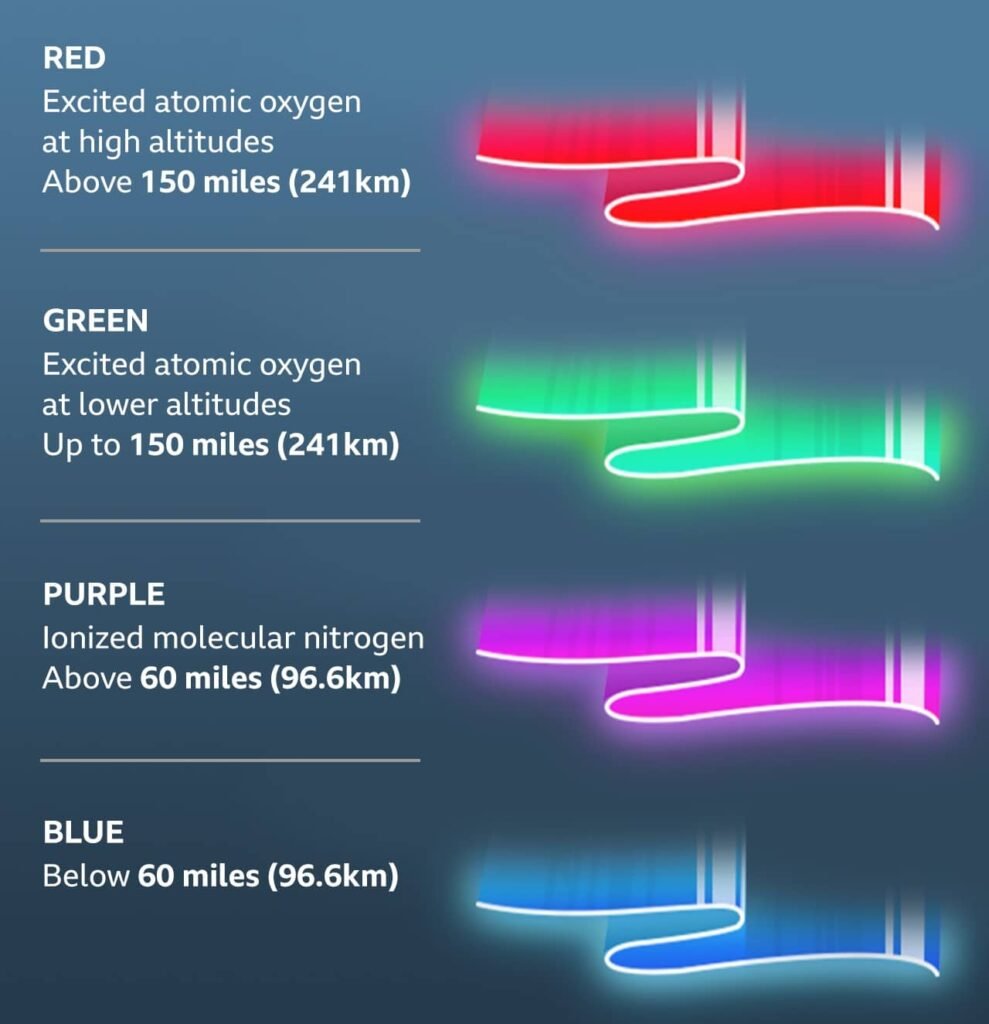
    As these charged particles travel along the magnetic field lines towards the polar regions, they collide with gas atoms in the Earth’s atmosphere, specifically oxygen and nitrogen. This collision releases energy in the form of light, leading to the visible spectral colors that constitute the Aurora Borealis. The varying colors – primarily green, pink, red, yellow, blue, and violet – arise from the types of gas involved in the reactions and their altitude. For instance, oxygen at higher altitudes emits red and purple hues, while lower altitudes generally produce the green light that is most commonly observed.

    Cultural Significance

    The Aurora Borealis, also known as the Northern Lights, has captivated human imagination for centuries and holds a prominent place in the cultural narratives of various indigenous and local communities. Different cultures have interpreted this mesmerizing phenomenon through their unique lenses, often embedding it into their folklore, rituals, and spiritual beliefs. For instance, among the Sámi people of Northern Europe, the lights are considered a manifestation of their ancestors. They believe that the souls of the departed communicate through the aurora, guiding the living with their wisdom.

    In some Native American cultures, the aurora is seen as a bridge between the earthly realm and the spiritual world, often associated with the spirits of the ancestors watching over their descendants. The Inuit people of Canada have various legends surrounding the Northern Lights, perceiving them as the dances of souls or even as a symbol of a great hunt. The vibrant colors and movement of the aurora have not only sparked artistic inspiration but also fostered a sense of unity and continuity in storytelling traditions.

    The artistic influence of the aurora extends globally, inspiring countless forms of visual art, music, and literature. Artists have attempted to capture the fabric of this natural spectacle in their works, portraying the ethereal beauty of the lights. Additionally, rituals centered around the aurora have been practiced in various cultures, often involving storytelling and communal gatherings to celebrate its arrival. These rituals serve to strengthen communal bonds and maintain a connection to ancestral beliefs, highlighting the profound impact of the Northern Lights on cultural identity.

    Best Times and Places to Experience

    Aurora Borealis Timelapse from Space – by Global News

    The Aurora Borealis, commonly known as the Northern Lights, captivates many nature enthusiasts and travelers each year. To fully appreciate this spectacular natural phenomenon, it is crucial to know the optimal times and locations for viewing it. Generally, the best time to experience the Aurora Borealis is during the winter months, specifically from late September to early April. During this period, the nights are longer, providing ample darkness for better visibility. Moreover, the weather tends to be clearer in the winter, minimizing cloud cover that could obstruct the view.

    Geographically, certain regions are renowned for their clear visibility of the Northern Lights. Locations such as Tromsø in Norway, Fairbanks in Alaska, and Yellowknife in Canada are often cited as prime spots. These areas lie under the Auroral Oval, where the likelihood of witnessing the lights increases markedly. In Europe, places like Abisko National Park in Sweden and the Lofoten Islands in Norway also offer excellent viewing opportunities, thanks to favorable weather conditions and accessibility.

    • Tromsø is often referred to as the gateway to the Arctic and is one of the best places to see the Aurora Borealis. Nestled in the heart of the Norwegian fjords, this city boasts a long polar night during winter, providing ample opportunities for aurora sightings. With numerous tour options available, visitors can easily venture into the surrounding wilderness to experience the Northern Lights undisturbed.
    • Fairbanks has gained a reputation for being one of the most reliable locations to view the Aurora Borealis in North America. Its geographical position offers clear skies and minimal light pollution, making it an ideal spot for aurora viewing. The best time to witness this phenomenon is during the winter months, where travelers can also enjoy various local winter activities.
    • Yellowknife, situated in Canada’s Northwest Territories, offers some of the clearest skies for aurora enthusiasts. This destination features a long aurora season, extending from mid-autumn to early spring. With its unique landscape and welcoming community, Yellowknife is an excellent choice for those wishing to explore the beauty of the Northern Lights.

    For photographers and travelers wishing to capture the beauty of the Aurora Borealis, preparation is key. Equipment should include a sturdy tripod, a camera capable of long exposure, and wide-angle lenses to frame the expansive night sky. In addition, selecting accommodations away from city lights can significantly enhance the visibility of the lights. Joining guided tours can also be beneficial, as experienced guides often know the best locations with optimal viewing conditions. Ultimately, planning ahead and being aware of local forecasts will greatly improve the chances of witnessing this stunning natural display.

    Rare Variations

    Notably, rare variations such as red, blue, and purple auroras, bring an extraordinary richness to the night sky. The appearance of these unusual colors is largely due to the altitude at which the auroras occur and the specific types of gases involved. For instance, red auroras can emerge when solar particles collide with oxygen at higher altitudes, leading to intense, vibrant displays. Meanwhile, blue hues are generally seen at lower altitudes, particularly associated with ions in the Earth’s atmosphere.

    In addition to the fascinating colors, optical phenomena associated with auroras further enhance this ethereal experience. Auroral coronas and pillars are distinctive formations that occasionally accompany the more traditional auroral displays. Auroral coronas are characterized by the rays of light converging at a point directly overhead, creating a crown-like appearance. This specific effect can be influenced by the observer’s location and the geometry of the Earth’s magnetic field at that time. Pillars, on the other hand, manifest as column-shaped beams of light extending vertically through the sky. These formations result from the diffusion of solar energy through the atmosphere, leading to their striking visual impact.

    Moreover, the underlying conditions for these rare variations stem from specific interactions within the Earth’s magnetic field and atmospheric composition. The intensity of solar activity directly affects the probability of witnessing these unusual displays. An increased solar wind, which brings forth higher concentrations of charged particles, often correlates with more vivid auroral phenomena, including those rare occurrences. Furthermore, the presence of specific pollutants or volcanic ash can enhance the array of colors, adding to the complexity and beauty of the aurora borealis experience.

    “Then that’s what the Northern Lights are. All the lives that we’re not living.”

    – Adi Alsaid

    Conservation and Climate Change Impact

    The Aurora Borealis, often considered one of nature’s most breathtaking spectacles, is increasingly at risk due to climate change and human activities. The delicate interplay between solar winds and the Earth’s magnetic field generates this stunning light show, but as global temperatures rise, the conditions necessary for seeing these brilliant displays may become less favorable. Climate change is causing shifts in weather patterns, which can directly influence the visibility of the Northern Lights. Specifically, increased cloud cover, altered precipitation patterns, and rising temperatures in polar regions may diminish the clear nights traditionally ideal for aurora viewing.

    Furthermore, human activities contribute to overall climate change impacts. Urbanization, industrial emissions, and land use changes release greenhouse gases into the Atmosphere, exacerbating global warming. Such changes not only threaten the natural habitats of species that reside in areas known for auroral activity but also pose a risk to the indigenous cultures that have long celebrated the phenomenon as part of their heritage. Conservation efforts are essential to mitigate these impacts, emphasizing the need for sustainable practices that preserve both the environment and the cultural significance of the aurora.

    Responsible tourism is another critical factor in the conservation of the Aurora Borealis. Tour operators and travelers alike must prioritize eco-friendly practices to minimize their carbon footprints when visiting popular viewing locations. Educating visitors about the importance of preserving the natural beauty and ecological integrity of these areas is vital. By promoting conservation strategies and raising awareness of how climate change affects the auroras, stakeholders can work together to protect this extraordinary natural wonder for future generations.

    What’s More

    The posts in My Blog feature reflective, story-driven pieces rooted in personal and societal insights.

    The topics in My Interests explore abstract, philosophical ideas and their cultural and societal impact.

  • Atmosphere Diagram

    Atmosphere

    The atmosphere’s unique composition is paramount for various biological and chemical processes necessary for life; for instance, oxygen is vital for respiration, while carbon dioxide is essential for photosynthesis. Beyond its composition, the atmosphere serves multiple functions that are crucial for the stability of environmental conditions on Earth. It acts as a moderating presence, regulating temperature through the greenhouse effect, which ensures that our planet maintains suitable conditions for living organisms. Furthermore, this gaseous envelope enables the dispersal of heat from the sun, thereby influencing weather patterns and climatic conditions across different regions, fostering biodiversity.

    Another critical function of the atmosphere is its role as a protective shield against harmful solar radiation. The ozone layer, situated in the stratosphere, absorbs the sun’s most dangerous ultraviolet (UV) rays, preventing them from reaching the Earth’s surface and causing potential harm to living organisms. Moreover, the atmosphere protects Earth from meteoroids by causing them to burn upon entry, primarily in the mesosphere, thus minimizing potential impacts. As we move higher into the atmospheric layers, including the troposphere, stratosphere, mesosphere, thermosphere, and exosphere, the conditions and compositions continue to evolve. Understanding these varying layers and their respective functions is imperative for comprehending how they collectively support life on Earth and maintain the planet’s ecological balance.

    Composition of the Atmosphere

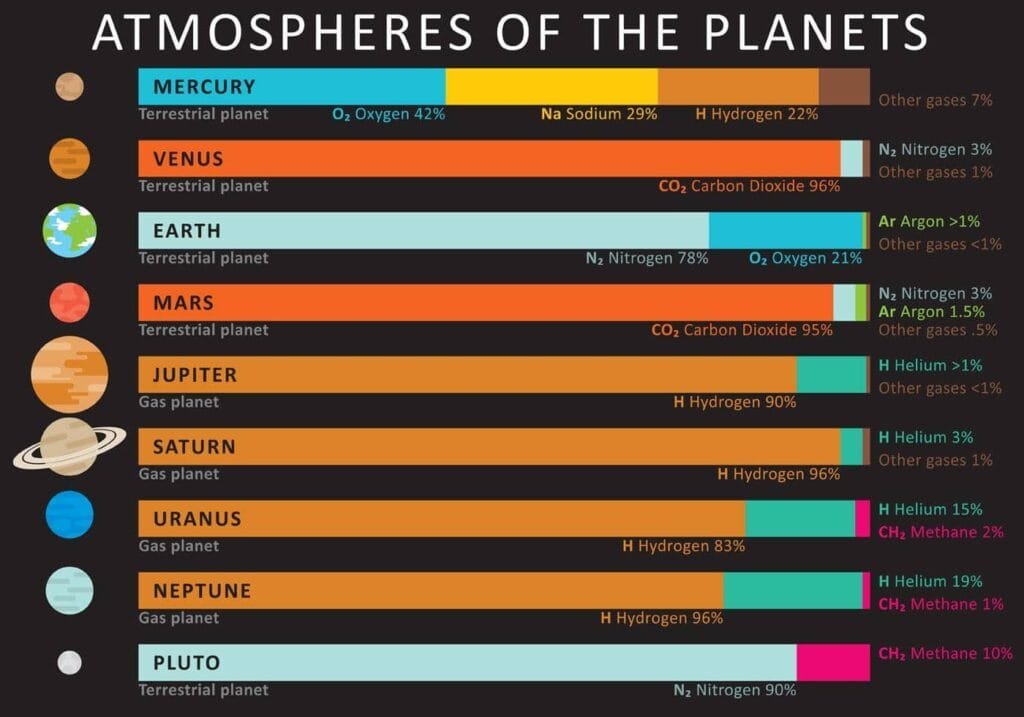
    The atmosphere surrounding our planet is a complex mixture of gases essential for life on Earth. Comprised predominantly of nitrogen and oxygen, these components play crucial roles in maintaining environmental stability. Nitrogen constitutes approximately 78% of the atmosphere, acting as a passive participant in biological processes. While nitrogen does not directly contribute to respiration, it plays a vital role in the nitrogen cycle, an essential process for the growth of plants and, consequently, all life forms.

    Oxygen, making up about 21% of the atmosphere, is indispensable for most living organisms that rely on aerobic respiration.

    During this process, oxygen is utilized to convert food into energy, releasing carbon dioxide as a byproduct. Carbon Dioxide, although only about 0.04% of the atmospheric composition, is significant in regulating the Earth’s temperature through the greenhouse effect. This effect is crucial for maintaining a climate conducive to life; without it, temperatures would plummet, making Earth a far less habitable place.

    Additionally, trace gases such as argon, water vapour, and other greenhouse gases make up a small fraction of the atmosphere but are vital for various atmospheric functions. Argon, for instance, represents about 0.93% of the air we breathe, serving primarily as an inert filler and having minimal biological impact. Water Vapour fluctuates in concentration from 0% to about 4% depending on local conditions, playing a critical role in weather patterns and heat retention.

    Structure of the Atmosphere

    The structure of the atmosphere can be divided into five main layers, each with unique characteristics. These layers include the troposphere, stratosphere, mesosphere, thermosphere, and exosphere. The troposphere is where we experience weather, and as we ascend, the air becomes thinner and temperature variations occur. Each layer of the atmosphere contributes significantly to the Earth’s ecosystem. The stratosphere contains the ozone layer, which protects us from harmful ultraviolet radiation. Meanwhile, the mesosphere is where most meteors burn up upon entering the atmosphere, protecting our planet from potential impacts. In the thermosphere, the phenomenon of auroras occurs, creating beautiful displays in the sky.

    Read More
    • The Troposphere is the lowest layer, extending from the surface up to about 8 to 15 kilometers. This layer contains approximately 80% of the atmosphere’s mass and is primarily where weather phenomena occur. The majority of the air comprises nitrogen and oxygen, with smaller amounts of carbon dioxide, water vapor, and argon. The temperature decreases with altitude in this layer, varying from around 15°C at sea level to approximately -50°C at its boundary with the stratosphere.
    • Above the troposphere lies the Stratosphere, which spans from 15 to about 50 kilometers. This layer is crucial for various atmospheric processes, including the absorption of ultraviolet radiation by the ozone layer. Here, temperatures begin to rise with altitude, reaching around 0°C at the stratopause. The steady air currents in the stratosphere play a significant role in the dispersion of pollutants and other airborne particles.
    • The Mesosphere extends from 50 to about 85 kilometers. In this layer, temperatures again decrease with altitude, dipping to around -90°C. This region is significant for the disintegration of meteoroids, which burn up upon entering Earth’s atmosphere. The unique composition of the mesosphere, primarily nitrogen and oxygen, allows for these brilliant phenomena.
    • Above the mesosphere, the Thermosphere stretches from 85 kilometers to around 600 kilometers. During the day, temperatures can rise significantly due to solar radiation, sometimes exceeding 1,500°C; however, the sparse air, with largely ionized particles, provides minimal heat transfer. This layer, which plays a crucial role in space travel, hosts the auroras and serves as the boundary between Earth’s atmosphere and outer space.
    • Finally, the Exosphere, the outermost layer, extends from approximately 600 kilometers to 10,000 kilometers. Composed mainly of light gases like hydrogen and helium, the air is exceedingly thin. This layer represents the transition to the vacuum of space, where particles can escape into the cosmos. Understanding these layers provides insight into atmospheric dynamics, climate change, and the potential for space exploration.

    The Role of the Atmosphere

    Comprising layers of gases, the atmosphere not only protects Earth from harmful solar radiation but also regulates temperature and weather patterns. Understanding the role of the atmosphere is crucial for recognizing how it supports life and maintains the ecological balance. One of the atmosphere’s primary roles is to guard against the sun’s ultraviolet rays. The ozone layer, located in the stratosphere, absorbs a significant portion of these rays, thereby preventing skin cancer and other health issues. Furthermore, the atmosphere serves as a barrier against meteoroids, incinerating them before they have a chance to impact the Earth’s surface.

    Weather And Climate

    The atmosphere’s gases play crucial roles in determining weather patterns and climate systems. The distribution and behavior of these gases influence temperature variations, air pressure, and humidity levels, all of which are critical factors in the formation of diverse weather phenomena.

    Air pressure, for instance, is the weight of the air above a given area and is a significant determinant of local weather conditions. High-pressure systems are usually associated with calm and clear weather, while low-pressure systems often lead to stormy conditions. The interaction between these pressure systems can create winds and storms, as air moves from areas of high pressure to regions of low pressure in an attempt to equalize the differences. This movement of air also affects temperature, as different layers of the atmosphere, such as the troposphere and stratosphere, have varying densities and thermal properties.

    Humidity, defined as the amount of water vapor present in the air, adds another layer of complexity to weather and climate. High humidity levels can lead to condensation, resulting in clouds and precipitation. Conversely, low humidity often contributes to drier conditions. The presence of water vapor also affects the atmosphere’s capacity to retain heat, influencing local and global temperatures. Understanding humidity’s impact is vital for predicting phenomena such as rain and storms.

    Temperature variations across different layers of the atmosphere, including the thermosphere and mesosphere, further shape the climate. Seasonal changes are also significantly influenced by how energy from the sun heats different regions of the Earth, impacting air circulation patterns. In conclusion, the intricate interplay among nitrogen, oxygen, argon, carbon dioxide, and water vapor in the atmosphere underpins the processes that govern weather and climate, determining not only local conditions but also broader climatic trends across the globe.

    In Protecting Life

    The atmosphere’s elements also play critical roles in safeguarding life on Earth, providing a shield from various destructive elements originating from space. The combination of these gases creates an environment conducive to life, while also serving as a barrier against harmful cosmic rays and ultraviolet (UV) radiation.

    One of the most essential components of the atmosphere is the ozone layer, situated within the stratosphere. This region contains a high concentration of ozone (O3) molecules, which absorb the majority of the sun’s harmful UV radiation. The depletion of the ozone layer can lead to increased exposure to UV radiation, which poses serious health risks to living organisms, including skin cancer in humans and detrimental effects on wildlife. Therefore, maintaining the integrity of the ozone layer is paramount to ensuring the health of ecological systems and human populations alike.

    In addition to protecting against UV rays, the atmosphere also acts as a defense against meteoroids that enter the Earth’s vicinity. When meteoroids collide with the atmosphere, they encounter intense friction and heat, causing them to disintegrate before reaching the surface. This phenomenon not only preserves the Earth’s surface but also protects life by preventing potentially catastrophic impacts. The various layers of the atmosphere, including the troposphere, stratosphere, mesosphere, thermosphere, and exosphere, contribute to this protective feature as they dissipate energy from incoming objects.

    In conclusion, the atmosphere serves as a vital protective barrier for life on Earth, safeguarding it from harmful cosmic forces and ensuring a stable environment for the survival of diverse organisms. It is crucial that we continue to study and protect this intricate system to maintain the health of our planet and all living beings that inhabit it.

    Human Impact on the Atmosphere

    Human activities have significantly altered the composition of this crucial shield for our planet, this vital layer, leading to a variety of environmental concerns. One key area of impact is air pollution, primarily resulting from the burning of fossil fuels, industrial processes, and agricultural practices. These activities release harmful pollutants into the air, deteriorating air quality and adversely affecting public health.

    The emissions of greenhouse gases, particularly carbon dioxide and methane, have seen a dramatic increase due to human industrialization. Greenhouse gases trap heat in the atmosphere, contributing to global warming and climate change. The layers of the atmosphere, including the troposphere, stratosphere, mesosphere, thermosphere, and exosphere, are all affected by these changes. For instance, the rising temperatures linked to climate change can disrupt weather patterns, cause extreme temperatures, and lead to increased instances of drought and flooding.

    Moreover, the rise in air pollutants has serious implications for respiratory health. Particulate matter and other toxic substances can penetrate deep into the lungs, leading to various health problems such as asthma, bronchitis, and other respiratory diseases. Urban areas, where traffic and industrial activities are concentrated, often experience poor air quality, exacerbating these health risks. Addressing the dual crises of air pollution and greenhouse gas emissions is urgent. Effective measures must be taken to promote cleaner technologies and reduce reliance on fossil fuels while encouraging sustainable practices. Collective action is essential to protect our atmosphere and ensure a healthier planet for future generations.

    Atmospheric Phenomena: Wonders of the Sky

    Each of the atmosphere’s elements contributes significantly to various atmospheric phenomena, which showcase the beauty and complexity of the sky. Understanding these phenomena not only enhances our appreciation of the atmospheric intricacies but also highlights the vital importance of preserving the air we breathe. The study of these atmospheric wonders leads to a deeper understanding of the impacts of climate change on our environment and provides insights into the future of our planet.

    • One of the most familiar phenomena is the formation of Clouds. Clouds are essentially collections of water droplets or ice crystals suspended in air, formed when warm, moist air rises and cools. The variations in temperature and humidity result in different types of clouds, which can influence weather patterns and contribute to precipitation.
    • Another captivating phenomenon is the Rainbow, which occurs when sunlight refracts and reflects within water droplets in the atmosphere. This process disperses light into its constituent colors, creating a spectacular arc of colors in the sky. Rainbows showcase the unique interactions between air and water vapor, emphasizing the role of moisture in atmospheric phenomena.
    • The Auroras, known as the Northern and Southern Lights, are a stunning manifestation of solar activity interacting with Earth’s magnetic field. Charged particles from the sun collide with gases in the atmosphere, primarily oxygen and nitrogen, producing ethereal displays of colored light that dance across the polar skies. This interaction occurs high up in the thermosphere and exosphere, revealing the intricate relationships within our atmosphere.
    • Finally, Storm formation is a complex process involving various atmospheric layers, particularly within the troposphere and stratosphere. The interplay of heat, moisture, and wind creates conditions conducive to severe weather events, such as thunderstorms and hurricanes.

    The Future of the Atmosphere

    As the planet continues to face unprecedented challenges, the atmosphere is significantly affected by climate change and pollution. The increasing concentration of greenhouse gases such as carbon dioxide and methane is altering the balance of gases like oxygen and nitrogen that are vital for life. Furthermore, pollutants released into the air not only degrade its quality but also contribute to health problems and environmental damage. The troposphere, the layer closest to the Earth’s surface, is where most of these changes are observable. Rising temperatures and shifts in weather patterns impact ecosystems, agriculture, and human settlement. Regions that historically have predictable climates are experiencing extreme weather events, demonstrating the urgent need for effective solutions and strategies to mitigate these challenges.

    Various initiatives are underway globally to address these pressing issues. Renewable energy technologies, such as solar, wind, and hydroelectric power, are at the forefront of the transition to cleaner energy sources. By reducing reliance on fossil fuels, these technologies aim to lessen the amount of carbon dioxide released into the atmosphere. Additionally, international agreements, like the Paris Agreement, encourage nations to commit to reducing their greenhouse gas emissions and adopting sustainable practices. Moreover, increased awareness and education surrounding the importance of air quality have led to improved monitoring systems to better understand the interaction between different atmospheric layers, including the stratosphere and mesosphere. These efforts are crucial to track changes in the distribution of gases like water vapor and argon, which play significant roles in climate regulation.

    What’s More

    The posts in My Blog feature reflective, story-driven pieces rooted in personal and societal insights.

    The topics in My Interests explore abstract, philosophical ideas and their cultural and societal impact.

  • Boy Holocaust

    Dignity

    Dignity is a multifaceted concept that encompasses the inherent worth and value of every individual. It serves as a foundation for numerous philosophical discussions and human rights frameworks. Historically, dignity has been associated with the idea of being worthy of respect, arising from the Latin term “dignitas,” which signifies worthiness or esteem. Philosophers such as Immanuel Kant have profoundly influenced the contemporary understanding of dignity, positing that every human being possesses intrinsic worth, which must be respected and protected, regardless of their circumstances.

    Throughout the ages, the interpretation of dignity has evolved, mirroring societal changes and cultural perspectives. In various cultures, dignity is not merely an individual attribute but is often linked to social roles, communal values, and ethical responsibilities.

    For instance, in many indigenous societies, dignity is intertwined with community relationships, where the humane treatment of each member is paramount for collective well-being. This cultural lens highlights that dignity is not solely individual; it encompasses how individuals relate to one another, reflecting a society’s values and priorities regarding humane treatment.

    In modern discourse, dignity has gained prominence in human rights legislation, with documents such as the Universal Declaration of Human Rights emphasizing the necessity of upholding the dignity of all people. This recognition of dignity establishes the basis for social justice, calling for the humane treatment of individuals irrespective of their background, beliefs, or status. Key thinkers, including Martha Nussbaum and Judith Butler, have expanded the dialogue around dignity, integrating it into contemporary issues such as gender equality, disability rights, and racial justice. By examining dignity through various historical, philosophical, and cultural contexts, we grasp not only its significance but also its implications for advocating the humane treatment of all individuals in today’s complex society.

    The Importance of Dignity in Personal Relationships

    Respecting dignity in personal relationships is fundamental to establishing trust, fostering empathy, and ensuring healthy communication. When individuals recognize and uphold each other’s inherent worth, it creates an environment where both parties feel valued and understood. For instance, in a friendship, acknowledging one’s feelings during a disagreement can be instrumental in preserving dignity. When both individuals approach conflicts with respect and kindness, it not only helps resolve the issue but also strengthens the bond between them. This practice of humane treatment enhances relational dynamics and contributes to sustained interactions based on mutual respect.

    Conversely, violations of dignity can severely impact personal relationships. Instances of disrespect, such as belittling or dismissive behavior, can lead to resentment and a breakdown of communication. For example, in a romantic relationship, consistently ignoring a partner’s needs or feelings can erode trust and create emotional distance. When dignity is compromised, the emotional fallout can be profound, often resulting in misunderstandings and conflicts that are difficult to navigate. Thus, showing kindness and understanding is not merely a nicety but central to maintaining healthy interactions.

    To maintain dignity in both personal and professional contexts, employing strategies that promote open dialogue and validate feelings is crucial. Practicing active listening, offering constructive feedback, and expressing appreciation can enhance the sense of dignity in interactions. Additionally, recognizing the diverse backgrounds and experiences of others fosters inclusivity, a vital aspect of humane treatment. By consciously choosing to respect the dignity of others, individuals contribute to nurturing a culture of compassion and understanding, which is pivotal for the well-being of any relationship.

    Dignity in Society: A Fundamental Human Right

    Dignity, as a foundational human right, plays a crucial role in shaping the principles of equality, justice, and inclusion within societies. It serves as a guiding framework for numerous social policies and legal systems that aim to protect individuals from violations that undermine their inherent worth.

    The realization of humane treatment is intertwined with the recognition of dignity, emphasizing the need for all members of society to be treated with respect and humanity, regardless of their background, circumstances, or identity.

    In many instances, the plight of marginalized groups – including those experiencing poverty, facing discrimination, or caught in conflict – reflects a breach of their dignity. Such vulnerabilities often lead to a compromised sense of worth and belonging, highlighting the imperative for societies to actively engage in restoring dignity. Discrimination by race, gender, sexual orientation, or socioeconomic status can perpetuate cycles of injustice that strip away the humane treatment that individuals deserve. Addressing these issues requires not only awareness but also actionable policies aimed at promoting equity and justice for all. By fostering inclusive communities and implementing comprehensive support systems, we can ensure that dignity is upheld for everyone.

    Case studies from various communities illustrate the power of collective action in restoring dignity to marginalized individuals. Initiatives focused on social integration and economic empowerment have proven effective in revitalizing communities and fostering respect for human rights. Programs providing education, healthcare, and employment opportunities can significantly enhance individuals’ dignity, enabling them to reclaim their status as valued members of society. Empowerment through advocacy and community solidarity plays a vital role in challenging systemic injustices. Ultimately, a society that prioritizes dignity for all its members reflects a commitment to human rights and cultivates a culture of empathy, respect, and inclusivity, fostering a more harmonious social fabric.

    Practical Steps for Individuals and Communities

    Bob Dylan – Dignity (Official Audio) | Bob Dylan

    Promoting dignity within our communities is essential for fostering humane treatment and creating an environment where everyone feels valued. This requires both individual and collective efforts, as well as a commitment to actively engaging in practices that uphold the respect and dignity of all individuals. One way to begin is through advocacy. Individuals can take a stand on issues that affect the dignity of others by participating in local and national campaigns aimed at promoting justice and equality. This involves raising awareness about the challenges faced by marginalized groups and pushing for policies that protect their rights.

    Community engagement plays a crucial role in promoting dignity. Establishing programs that encourage dialogue and understanding between diverse groups can help break down barriers and foster a sense of belonging. Initiatives such as community forums, workshops, or volunteer activities provide opportunities for individuals to come together, share their experiences, and learn from one another. Such interactions not only promote humane treatment but also cultivate empathy and understanding, which are essential for preserving human dignity.

    Self-reflection is vital for promoting dignity in daily life. By examining personal biases, individuals can become more inclusive and respectful. This self-awareness improves interpersonal relationships, ensuring everyone is treated with dignity. Education also plays a key role in fostering a culture of dignity. Incorporating lessons on humane treatment and respect into school curriculums helps instill these values from a young age. By advocating for justice, engaging with communities, reflecting on behaviors, and fostering educational initiatives, we can promote and protect the dignity of all individuals, contributing to a more humane society overall.

    Hilarious Heartwarming Thai Commercial Promotes Human Dignity | Mitr Phol Group

    What’s More

    The posts in My Blog feature reflective, story-driven pieces rooted in personal and societal insights.

    The topics in My Interests explore abstract, philosophical ideas and their cultural and societal impact.

  • Human Rights

    Human Rights

    Human rights, as defined by the UN – Universal Declaration of Human Rights, are fundamental entitlements inherent to every individual, regardless of nationality, sex, ethnic origin, race, religion, language, or other status. These rights are universally recognized and protected, aiming to ensure that all people can live with dignity, freedom, equality, justice, and peace. They are designed to safeguard everyone’s basic freedoms and ensure fair treatment, creating a just and equitable world.

    Key Aspects of Human Rights
    1. Universality and Inalienability
      • Human rights are universal, applying to everyone without exception, and cannot be taken away.
    2. Indivisibility and Interdependence
      • All human rights are indivisible and interdependent, meaning civil, political, economic, social, and cultural rights are equally important and interrelated.
    3. Equality and Non-Discrimination
      • Every individual is entitled to their rights without discrimination of any kind.
    4. Participation and Inclusion
      • Every person has the right to participate in political, economic, social, and cultural life.
    5. Accountability and Rule of Law
      • States and other duty-bearers are accountable for the observance of human rights, and there must be legal frameworks to enforce these rights.

    Major Categories Of Human Rights

    1. Civil and Political Rights
      • Right to Life and Liberty: Protection against arbitrary deprivation of life and liberty.
      • Freedom of Expression: The right to express opinions without censorship or restraint.
      • Right to a Fair Trial: Access to a fair and public hearing by an impartial tribunal.
      • Freedom from Torture: Protection against torture and cruel, inhuman, or degrading treatment.
      • Right to Privacy: Protection against arbitrary interference with privacy, family, home, or correspondence.
    2. Economic, Social, and Cultural Rights
      • Right to Work: The right to gain a living by work freely chosen or accepted.
      • Right to Education: Access to free and compulsory primary education, and higher education accessible to all.
      • Right to Health: The highest attainable standard of physical and mental health.
      • Right to an Adequate Standard of Living: Access to adequate food, clothing, housing, and continuous improvement of living conditions.
      • Cultural Rights: The right to participate in cultural life, enjoy the benefits of scientific progress, and benefit from the protection of one’s cultural and intellectual property.
    3. Collective Rights
      • Right to Self-Determination: Peoples’ right to determine their political status and pursue their economic, social, and cultural development.
      • Right to Development: The right to participate in, contribute to, and enjoy economic, social, cultural, and political development.
      • Rights of Indigenous Peoples: Special protection for the rights, cultures, and territories of indigenous peoples.
    International Human Rights Framework
    1. Universal Declaration of Human Rights (UDHR) – 1948
      • A foundational document that sets out fundamental human rights to be universally protected.
    2. International Covenants
      • International Covenant on Civil and Political Rights (ICCPR): Protects civil and political rights.
      • International Covenant on Economic, Social, and Cultural Rights (ICESCR): Protects economic, social, and cultural rights.
    3. Regional Human Rights Instruments
      • European Convention on Human Rights (ECHR): Protects human rights in Europe.
      • American Convention on Human Rights: Protects human rights in the Americas.
      • African Charter on Human and Peoples’ Rights: Protects human rights in Africa.
    4. United Nations Human Rights Council
      • An inter-governmental body responsible for strengthening the promotion and protection of human rights globally.
    Challenges and issues in Human Rights
    1. Violations and Abuses
      • Persistent human rights abuses such as genocide, war crimes, torture, and arbitrary detention.
    2. Inequality and Discrimination
      • Ongoing issues of discrimination based on race, gender, sexual orientation, and other statuses.
    3. Access to Justice
      • Barriers to accessing justice for victims of human rights violations.
    4. Economic and Social Inequalities
      • Disparities in economic and social conditions that affect the realization of human rights.
    5. Freedom of Expression and Privacy
      • Threats to freedom of expression and privacy in the digital age, including censorship and surveillance.

    Promoting And Protecting Human Rights

    1. Education and Awareness
      • Raising awareness and educating people about their rights and how to protect them.
    2. Advocacy and Activism
      • Supporting human rights organizations and activists in their efforts to promote and defend human rights.
    3. Policy and Legal Reforms
      • Implementing and enforcing laws and policies that protect human rights.
    4. International Cooperation
      • Engaging in international cooperation and solidarity to address global human rights challenges.
    5. Supporting Vulnerable Groups
      • Providing special protection and support to vulnerable groups, including refugees, minorities, and marginalized communities.

    Human rights are fundamental to the dignity and well-being of every individual and are crucial for the development of free and just societies. Protecting and promoting these rights is a shared responsibility that requires ongoing commitment and action from individuals, communities, governments, and international organizations.

    Diversity

    Diversity refers to the presence of differences within a given setting, encompassing various dimensions such as race, ethnicity, gender, age, socioeconomic status, physical abilities, sexual orientation, religious beliefs, political beliefs, and other attributes. Embracing diversity is essential for fostering inclusive environments, driving innovation, and promoting social justice. Here’s an overview of key aspects related to diversity:

    Key Aspects of Diversity
    Dimensions Of Diversity
    1. Race and Ethnicity
      • Encompasses a variety of cultural backgrounds, languages, and traditions.
      • Recognizing and valuing racial and ethnic diversity can reduce discrimination and promote equity.
    2. Gender
      • Includes understanding and respecting the spectrum of gender identities and expressions.
      • Promoting gender diversity involves addressing gender biases and ensuring equal opportunities.
    3. Age
      • Acknowledges the value of diverse age groups in contributing different perspectives and experiences.
      • Combating ageism and fostering intergenerational collaboration are essential.
    4. Socioeconomic Status
      • Recognizes differences in income, education, occupation, and social class.
      • Promoting socioeconomic diversity can address inequality and create opportunities for all.
    5. Physical and Cognitive Abilities
      • Includes people with disabilities and varying physical and mental health conditions.
      • Ensuring accessibility and accommodations is crucial for full participation.
    6. Sexual Orientation and Gender Identity
      • Embraces the diversity of sexual orientations and gender identities.
      • Creating inclusive environments involves supporting LGBTQ+ rights and addressing discrimination.
    7. Religious and Spiritual Beliefs
      • Encompasses a variety of faiths and spiritual practices.
      • Respecting religious diversity promotes understanding and tolerance.
    8. Cultural Background
      • Includes traditions, customs, and values from different cultures.
      • Valuing cultural diversity enhances global awareness and mutual respect.
    Importance Of Diversity
    1. Innovation and Creativity
      • Diverse teams bring multiple perspectives, leading to more innovative solutions and creative ideas.
    2. Better Decision-Making
      • Diversity encourages a broader range of viewpoints, resulting in more informed and effective decisions.
    3. Enhanced Performance
      • Inclusive organizations often perform better financially and operationally.
    4. Social Cohesion
      • Promoting diversity fosters a more inclusive and harmonious society.
    5. Personal Growth
      • Exposure to diverse perspectives broadens individual horizons and enhances personal development.
    Challenges And Barriers
    1. Implicit Bias
      • Unconscious biases can influence behavior and decision-making, perpetuating inequality.
    2. Discrimination and Prejudice
      • Persistent discrimination and prejudice can marginalize diverse groups and limit opportunities.
    3. Stereotypes
      • Stereotyping individuals based on group membership can lead to misconceptions and unfair treatment.
    4. Lack of Representation
      • Underrepresentation of certain groups in leadership positions and influential roles can perpetuate disparities.
    5. Resistance to Change
      • Organizational and societal resistance to diversity initiatives can hinder progress.
    Strategies For Promoting Diversity
    1. Education and Training
      • Implementing diversity training programs to raise awareness and reduce biases.
    2. Inclusive Policies and Practices
      • Developing policies that promote equity and inclusion, such as diverse hiring practices and equitable pay.
    3. Representation and Leadership
      • Ensuring diverse representation in leadership roles and decision-making processes.
    4. Mentorship and Support
      • Providing mentorship and support networks for underrepresented groups.
    5. Community Engagement
      • Engaging with diverse communities to understand their needs and perspectives.
    Global And Organizational Initiatives
    1. Affirmative Action
      • Policies aimed at increasing the representation of historically marginalized groups.
    2. Diversity, Equity, and Inclusion (DEI) Programs
      • Corporate and institutional programs focused on fostering diverse and inclusive environments.
    3. International Agreements and Policies
      • Various international frameworks and agreements promote diversity and human rights globally.

    Embracing diversity is a multifaceted and ongoing effort that requires commitment, empathy, and proactive measures to create environments where everyone can thrive.

    Diversity in the context of gender equality and sexual orientation refers to recognizing, valuing, and respecting differences in gender identities, expressions, and sexual orientations.

    This includes understanding the unique experiences and challenges faced by individuals across the gender spectrum and those who identify as LGBTQ+ (Lesbian, Gay, Bisexual, Transgender, Queer/Questioning, and others). Promoting gender equality and acceptance of diverse sexual orientations is crucial for fostering inclusive, equitable, and just societies.

    Gender Equality

    Gender equality means ensuring that people of all genders have equal rights, responsibilities, and opportunities. It involves eliminating discrimination and biases based on gender and creating conditions where all individuals can achieve their full potential.

    Key Aspects of Gender Equality
    1. Equal Opportunities
      • Ensuring that people of all genders have access to the same opportunities in education, employment, and political participation.
    2. Pay Equity
      • Addressing the gender pay gap by ensuring equal pay for equal work and valuing work typically performed by women.
    3. Representation
      • Increasing the representation of women and gender-diverse individuals in leadership roles and decision-making positions.
    4. Work-Life Balance
      • Promoting policies that support work-life balance, such as parental leave, flexible working hours, and affordable childcare.
    5. Health and Safety
      • Addressing gender-specific health needs and ensuring protection from gender-based violence and harassment.

    Sexual Orientation

    Sexual orientation refers to an individual’s emotional, romantic, or sexual attraction to others. This includes, but is not limited to, heterosexuality, homosexuality, bisexuality, and asexuality. Acceptance and support of diverse sexual orientations are fundamental to creating inclusive communities where everyone can thrive without fear of discrimination or prejudice.

    Key Aspects of Inclusivity for Sexual Orientation
    1. Legal Protections
      • Enacting and enforcing laws that protect individuals from discrimination based on sexual orientation in employment, housing, healthcare, and public services.
    2. Marriage and Family Rights
      • Ensuring equal rights for same-sex couples, including the right to marry and adopt children.
    3. Representation and Visibility
      • Increasing the visibility and representation of LGBTQ+ individuals in media, politics, and public life.
    4. Supportive Environments
      • Creating safe spaces and support networks for LGBTQ+ individuals in schools, workplaces, and communities.
    5. Healthcare Access
      • Providing inclusive and competent healthcare services that address the specific needs of LGBTQ+ individuals.

    Intersectionality

    Intersectionality is the concept that various forms of social stratification, such as race, gender, sexual orientation, and class, intersect to create unique dynamics and effects. Recognizing intersectionality is crucial for understanding the compounded discrimination faced by individuals who belong to multiple marginalized groups.

    Strategies, Efforts, Progress

    Promoting diversity, gender equality, and acceptance of diverse sexual orientations is an ongoing effort that requires commitment from individuals, organizations, and governments to create a more equitable and inclusive world.

    Promotion strategies
    1. Education and Awareness
      • Implementing education programs that raise awareness about gender diversity, sexual orientation, and the importance of inclusivity.
    2. Policy Development
      • Developing and enforcing policies that promote gender equality and protect against discrimination based on sexual orientation.
    3. Training and Development
      • Providing diversity training for employees, educators, and community leaders to foster inclusive environments.
    4. Advocacy and Activism
      • Supporting advocacy groups and movements that fight for gender equality and LGBTQ+ rights.
    5. Research and Data Collection
      • Conducting research to understand the experiences and challenges faced by diverse gender identities and sexual orientations, informing evidence-based policy decisions.
    Global efforts and progress
    1. United Nations Initiatives
      • The UN’s Sustainable Development Goals (SDGs) include goals for gender equality (Goal 5) and reducing inequalities (Goal 10), which encompass sexual orientation and gender identity.
    2. Legal Reforms
      • Many countries have made significant progress in enacting laws that promote gender equality and protect LGBTQ+ rights, although challenges remain.
    3. Corporate Responsibility
      • Increasingly, corporations are adopting diversity and inclusion policies, recognizing that diverse workforces drive innovation and better business outcomes.

    What’s More

    The posts in My Blog feature reflective, story-driven pieces rooted in personal and societal insights.

    The topics in My Interests explore abstract, philosophical ideas and their cultural and societal impact.