Author: Eric Roth

  • Boguslaw Nowak

    Public Sculptures

    Public sculptures are outdoor artistic creations accessible to everyone, serving as symbols of culture, history, and community identity. Rooted in ancient civilizations, they honored gods, events, or figures. Over time, their role evolved, reflecting societal values and artistic trends. The Renaissance brought individualistic expressions, while modern times introduced new materials and technologies. Public sculptures enhance spaces, encourage social interaction, and foster civic pride, creating a sense of place and belonging. They are essential in shaping the cultural landscape of our everyday environments.

    Public sculptures enhance urban environments by transforming spaces into visually engaging areas, promoting social interaction, and fostering community identity. They serve as communal landmarks, encouraging conversations and connections among diverse groups. In urban regeneration, sculptures revitalize declining areas, attract foot traffic, and stimulate local economies. Effective integration into urban planning requires collaboration among artists, city planners, and community stakeholders, ensuring that the art reflects community values and aspirations. Public sculptures enrich urban life, both aesthetically and socially.

    Types and Their Significance

    Public sculptures come in various forms, each with unique meanings and purposes. Traditional sculptures, often statues made from bronze, stone, or marble, commemorate historical figures or events, linking communities to their past. For example, the statue of General Grant in New York’s Grand Army Plaza honors a key figure in American history.

    Modern installations, like “The Gates” by Christo and Jeanne-Claude, use unconventional materials and techniques to push artistic boundaries and evoke dialogue about contemporary issues. Interactive art pieces, such as Chicago’s “The Bean,” invite viewer participation, promoting inclusivity and community involvement.

    Overall, public sculptures reflect societal values, historical narratives, and cultural diversity, shaping the identity of a place and highlighting the impact of art in everyday spaces.

    Public Sculptures from all over the World

    “What sculpture is to a block of marble, education is to a human soul.”

    – Joseph Addison

    Challenges and Controversies

    Public sculptures are an integral part of urban landscapes, enriching the cultural fabric of communities. However, they are often encumbered by a series of challenges and controversies that must be navigated carefully. One significant issue involves funding. With budget constraints affecting public art projects, artists and local governments often struggle to secure adequate financial resources for creation, installation, and ongoing maintenance. This dilemma can lead to a reliance on private donations or sponsorships, which may inadvertently influence the artistic direction and community representation of the sculptures.

    Maintenance and preservation pose additional challenges. Outdoor sculptures face the inevitable wear and tear from environmental factors such as weather, pollution, and vandalism. Local authorities may lack the funding or expertise needed to maintain these works effectively, risking their deterioration over time. The questions surrounding the longevity and how to care for such art forms highlight the importance of planning for preservation as an integral part of the public art project lifecycle.

    The debates on representation in public art have also intensified, particularly in discussions surrounding inclusivity and historical context. Community sentiment often plays a critical role in determining which figures are commemorated and how they are depicted. Controversies related to historical figures, whose actions may now be viewed negatively, challenge communities to reconsider the appropriateness of certain sculptures. Such discussions have led to the reevaluation or removal of contested artworks, igniting national conversations about historical accountability and the values that public art should embody. Recently, sculptures that once stood proudly have been dismantled or relocated, as communities grapple with the narratives surrounding them and strive to foster inclusivity.

    Through these ongoing dialogues and challenges, communities are learning to navigate the complexities of public sculptures. This dialogue encourages collaboration and can ultimately lead to the creation of public art that resonates with a broader spectrum of society, ensuring that the art reflects shared values and collective history.

    Cloud Gate aka The Bean

    Cloud Gate, commonly known as “The Bean,” is a famous public sculpture in Chicago’s Millennium Park. Designed by British-Indian artist Anish Kapoor, the sculpture was unveiled in 2004 and has since become one of Chicago’s most iconic landmarks.

    Design And Structure
    • Form and Appearance
      • Cloud Gate is a seamless, highly polished stainless steel sculpture that resembles a giant, liquid mercury drop or a bean, hence its nickname “The Bean.”
      • The sculpture measures 33 feet high, 42 feet wide, and 66 feet long, and weighs around 110 tons.
    • Surface and Reflection
      • The reflective surface of Cloud Gate creates a unique visual experience, distorting and reflecting the Chicago skyline, surrounding park, and visitors in fascinating ways.
      • The curvature of the surface provides a variety of perspectives, with the reflections changing as people move around and under the sculpture.
    • Construction
      • The sculpture was constructed using 168 stainless steel plates, which were welded together and then polished to remove any visible seams.
      • The design and construction presented significant engineering challenges, including the need for a seamless surface and the support structure to hold the massive sculpture in place.
    Significance And Impact
    • Artistic Vision
      • Anish Kapoor’s vision for Cloud Gate was to create a “gate” that interacts with the surrounding environment and people, blurring the boundaries between the sculpture and its setting.
      • The reflective surface invites viewers to see the world from a new perspective, fostering interaction and engagement.
    • Cultural Landmark
      • Cloud Gate has become a beloved symbol of Chicago, attracting millions of visitors each year.
      • It serves as a popular site for photographs, social gatherings, and cultural events.
    • Tourist Attraction
      • The sculpture is one of Chicago’s top tourist attractions, drawing visitors from around the world.
      • Its central location in Millennium Park makes it easily accessible and a must-see for those exploring the city.
    Visitor Experience
    • Interactivity
      • Visitors can walk around and under Cloud Gate, experiencing the shifting reflections from different angles.
      • The “omphalos,” a concave chamber beneath the sculpture, creates unique reflections and acoustic effects, adding to the interactive experience.
    • Seasonal Views
      • The appearance of Cloud Gate changes with the seasons, reflecting snowy landscapes in winter, blooming gardens in spring, sunny skies in summer, and vibrant foliage in autumn.
    • Photographic Opportunities
      • The sculpture’s reflective surface makes it a popular subject for photography, offering endless possibilities for creative shots.
      • It has become an iconic backdrop for selfies and group photos.
    Preservation And Maintenance
    • Cleaning
      • Maintaining the pristine surface of Cloud Gate requires regular cleaning. It is cleaned twice daily to remove fingerprints and smudges.
      • Annual maintenance involves a more thorough cleaning and inspection to ensure the sculpture remains in excellent condition.
    • Public Interaction
      • Despite being a public artwork that invites touch and interaction, the sculpture’s maintenance team ensures it remains as seamless and reflective as the day it was unveiled.
    Anish Kapoor

    Anish Kapoor is a renowned British-Indian sculptor celebrated for his innovative and often monumental works that explore themes of perception, space, and the nature of materials. Here’s a detailed look at his life, artistic career, and notable works:

    • Birth: Anish Kapoor was born on March 12, 1954, in Mumbai, India, to a Hindu father and a Jewish mother.
    • Education: Kapoor moved to London in the early 1970s to study art. He attended Hornsey College of Art (1973–1977) and later the Chelsea School of Art and Design (1977–1978).
    • Turner Prize: Kapoor won the prestigious Turner Prize in 1991, a recognition of his contributions to contemporary art.
    • Knighthood: He was knighted in 2013 for his services to visual arts.
    Artist Anish Kapoor on his “Bean” – by Chicago Sun-Times
    • Praemium Imperiale: Awarded by the Japan Art Association in 2011, often considered the Nobel Prize of the art world.
    • Philanthropy: Kapoor is known for his philanthropic efforts, including donations to various cultural and social causes.
    Kapoor’s Work

    Kapoor’s work is characterized by a fascination with space, voids, and the perception of objects. His use of materials ranges from traditional stone and metal to more experimental mediums like pigment and wax.

    • Color and Pigment: Kapoor gained early recognition with his pigment sculptures in the late 1970s and early 1980s. These works featured piles of brightly colored powders applied to simple geometric forms, creating a sense of otherworldly presence.
    • Material Innovations: Kapoor has patented a new form of blackest black pigment called Vantablack, which absorbs 99.965% of visible light. This material has sparked controversy and discussions about the ethics of exclusive artistic rights to certain materials.
    • Void and Reflection: A recurring theme in Kapoor’s work is the void, explored through concave and convex shapes that play with perception and create illusions of depth and space. Reflective surfaces, such as polished stainless steel, are used to engage viewers in the act of seeing and being seen, challenging their perceptions of reality.
    • Monumental Scale: Many of Kapoor’s works are large-scale installations and public sculptures, which often become iconic landmarks in their locations.
    Notable Works
    • Cloud Gate (2004)
      • “The Bean” is one of Kapoor’s most famous works. Its seamless, polished surface reflects the city skyline and park surroundings.
    • Sky Mirror (2001)
      • A series of large, concave mirrors installed in various locations, including New York and Nottingham. These mirrors reflect the sky and the environment, creating dynamic and ever-changing images.
    • Leviathan (2011)
      • A massive, inflatable structure installed at the Grand Palais in Paris for the annual Monumenta exhibition. The work invited viewers to enter and experience its vast interior space, evoking the sense of being inside a living creature.
    • Descent into Limbo (1992)
      • A work featuring a cube-shaped building with a dark void in the floor. The void appears bottomless, challenging viewers’ perceptions of depth and space.
    • Marsyas (2002)
      • Installed in the Turbine Hall of the Tate Modern in London, this colossal sculpture consisted of three steel rings connected by a single span of red PVC, creating a powerful, immersive experience.

    “You have to let the viewers come away with their own conclusions. If you dictate what they should think, you’ve lost it.”

    – Maya Lin

    What’s More

    The posts in My Blog feature reflective, story-driven pieces rooted in personal and societal insights.

    The topics in My Interests explore abstract, philosophical ideas and their cultural and societal impact.

  • Sacsayhuamán Cusco Perú

    Mono- / Megaliths

    Monoliths are large single blocks of stone, like those at Stonehenge, while megaliths consist of several large stones arranged in patterns, such as dolmens or stone circles. Both have fascinated historians and archaeologists for centuries, often associated with ancient ceremonial and burial sites.

    Monoliths and megaliths date back to the Neolithic period, showcasing architectural ingenuity and holding profound religious significance. They served as symbols of authority, memorials, or ritual sites, offering insight into the social and spiritual life of early civilizations.

    Monolithic Cultures

    A monolithic culture refers to a social system that exhibits a relatively uniform set of values, practices, and beliefs. In such cultures, the population often shares a common historical background, language, and customs, resulting in a cohesive identity. This homogeneity can create a strong sense of belonging among members but may also limit diversity and suppress differing viewpoints.

    One key characteristic of monolithic cultures is their emphasis on tradition and continuity. Many of these societies prioritize maintaining historical practices and rituals, embodying a respect for their cultural heritage. Additionally, the social structure in monolithic cultures is often hierarchically organized, with clear roles and functions assigned to individuals based on age, gender, and status.

    While monolithic cultures can foster a strong communal identity, they may also encounter challenges, particularly in an increasingly globalized world. The lack of diversity in perspectives can lead to intolerance towards outsiders and difficulty adapting to change. However, there are also advantages; such cultures can provide individuals with a sense of stability and shared purpose. Understanding the complexities of monolithic cultures is crucial as societies navigate the balance between preserving tradition and embracing inclusivity.

    Megalithic Cultures

    Megalithic cultures refer to ancient societies that constructed large stone structures for various purposes, including burial sites, ceremonial spaces, and astronomical observations. These remarkable achievements often reflect the advanced understanding of architecture and astronomy that these cultures possessed.

    Megalithic structures are typically characterized by the use of massive stones, arranged in intricate patterns. Common types include menhirs (standing stones), dolmens (tombs), and stone circles, often found in places like Stonehenge in England, or Newgrange in Ireland. These structures were not only architectural marvels but also served as communal gathering places, demonstrating the social dynamics of the cultures that created them.

    The cultural significance of megalithic sites cannot be overstated. They often symbolize a connection to the ancestors and carry deep spiritual meanings. These sites have been linked to rituals, ceremonies, and a profound respect for the cycles of nature, showcasing the interrelationship between humanity and the environment. As we explore these ancient cultures, we gain insights into their values, traditions, and innovations.

    These colossal structures, often made from local stone materials like granite, sandstone, or limestone, showcase the engineering skills of ancient peoples. Many megalithic sites align with astronomical events, indicating significant knowledge of celestial movements. This connection highlights their relevance to sociocultural practices and a broader understanding of the cosmos in human history.

    Famous Monoliths Around the World

    The world is home to various monoliths (List of largest Monoliths), each with unique attributes that contribute to their historical and cultural significance.

    • Natural Origins
      • One of the most renowned is Uluru, traditionally known as Ayers Rock, located in the heart of Australia’s Northern Territory. Standing approximately 348 meters tall and with a circumference of 9.4 kilometers, Uluru is known for its incredible color changes, particularly during sunrise and sunset. This sandstone monolith holds immense spiritual significance for the Indigenous Anangu people, who regard it as a sacred site. The surrounding Uluru-Kata Tjuta National Park is a UNESCO World Heritage site, attracting numerous tourists who come to witness its grandeur and engage with the local culture.
      • Another notable monolith is the Tsingy de Bemaraha in Madagascar. This unique limestone formation consists of sharp pinnacles and labyrinthine gaps, making it a striking geological feature. The site spans approximately 666 square kilometers and is renowned for its biodiversity, hosting numerous endemic species. Designated as a UNESCO World Heritage site, Tsingy de Bemaraha draws visitors interested in adventure and unique ecosystems. The traditional Betioky people deeply revere this natural fortress for its role in local legends and its resources.
    • Human-Made
      • Easter Island, or Rapa Nui, is renowned for its Moai statues, some weighing over 14 tons. These monoliths, representing ancestors and deities, highlight the islanders’ cultural heritage. Positioned on stone platforms called Ahu, the statues face inland, symbolizing protection and ancestral connection. The transportation of these statues from the quarry at Rano Raraku remains a mystery, with theories suggesting they were moved upright using ropes and teamwork. The Moai continue to captivate visitors and historians, reflecting the island’s rich history and enduring legacy.
      • In late November 2020, the Utah Monolith was discovered in Utah’s remote desert, sparking global intrigue. Resembling the monolith from “2001: A Space Odyssey,” it stood 10-12 feet high. Social media buzzed with theories about its origins – art installation, marketing stunt, or something else. Crowds flocked to see it, raising questions about art in untouched landscapes. Shortly after, the monolith disappeared, fueling further speculation. Despite its brief existence, it united people in wonder and curiosity, highlighting the allure of the unknown.

    Megalithic Structures and Their Mysteries

    Megalithic structures have long fascinated historians, archaeologists, and curious minds alike, serving as a testament to the architectural ingenuity of ancient civilizations. Among the most notable examples are Stonehenge in England, the Great Pyramids of Giza in Egypt, and the Carnac Stones in France. Each of these monumental sites carries with it a wealth of mystery, intriguing researchers about their construction methods and original purposes.

    • Stonehenge, with its iconic sarsen stones and bluestones, presents numerous theories regarding its purpose. Some scholars suggest it functioned as a ceremonial site, aligning with celestial events such as the summer and winter solstices. Furthermore, ongoing archaeological studies have uncovered human remains and artifacts in the vicinity, hinting at its use as a burial ground. The collective effort and organization required to transport these massive stones from distant quarries reflect the advanced engineering skills possessed by the ancient societies.
    • The Great Pyramids of Giza, particularly the Pyramid of Khufu, are another remarkable example of megalithic architecture. Constructed over approximately 20 years, the pyramids remain a feat of engineering prowess, demonstrating an understanding of mathematics and labor organization that was ahead of its time. Various theories suggest they served as tombs and represented a tangible connection to the divine, showcasing the society’s religious beliefs and the pharaoh’s authority.
    • Similarly, the Carnac Stones, comprising over 3,000 standing stones, raise questions about ancient rituals and social organization. This site has prompted numerous theories about its function, including astronomical alignment and ritualistic gatherings. The sheer volume of stones, along with their alignment, points to a coordinated effort that likely required significant communal cooperation and expertise in logistics and engineering.
    • Baalbek, in modern-day Lebanon, is renowned for its Roman temples and mysterious megaliths, known as the Trilithon, which weigh up to 800 tons. These ancient Baalbek Stone Blocks raise questions about the builders’ techniques. Theories range from advanced engineering to extraterrestrial influence. The megaliths, dating back to the Roman period or earlier, highlight Baalbek’s historical significance as a sacred site. Visitors can explore these colossal structures and imagine ancient rituals, reflecting the architectural prowess and enduring human spirit of the time.

    In conclusion, the study of megalithic structures not only underscores the engineering capabilities of ancient civilizations but also invites contemplation of their cultural practices and societal structures. The mysteries surrounding these sites add layers of intrigue, inviting continual exploration and debate among researchers and enthusiasts alike.

    The Legacy in Modern Culture

    The fascination with monoliths and megaliths continues to permeate various aspects of contemporary culture, manifesting in art, literature, and popular media. These ancient structures, imbued with mystery and grandeur, have inspired countless works that draw on their historical significance and symbolic power. In literature, authors often evoke monoliths as metaphors for the unknown, representing both humanity’s aspirations and its limitations. Meanwhile, visual artists frequently incorporate megalithic imagery into their work, using it to explore themes of permanence and transience.

    Additionally, modern architecture has been influenced by the monumental forms of ancient monoliths. Architects today often draw inspiration from the simplicity and strength of these structures, incorporating similar elements into contemporary designs. This homage to the past not only fosters a connection between ancient and modern societies but also invites discussions about the role of heritage in today’s architectural practice. The dialogue around preservation recognizes these giants of architecture as not merely relics of antiquity but as vital elements of our cultural identity.

    Tourism associated with megaliths raises significant concerns regarding preservation strategies and sustainable practices. Many historical sites face threats from environmental degradation and the impacts of mass tourism. Balancing the desire to experience these awe-inspiring landmarks with the need for conservation is a contemporary challenge that must be addressed with care. Engaging local communities in conservation efforts and promoting responsible tourism can ensure these beloved structures continue to inspire future generations.

    In exploring the symbolic meanings attributed to monoliths and megaliths today, they often represent resilience and continuity in a rapidly changing world. Their enduring presence invites reflections on cultural roots, reminding us of the profound connections that bind past and present. As society evolves, the legacy of these ancient giants remains significant, serving as a touchstone for discussions about identity, heritage, and human aspiration.

    Meanwhile Once Upon A Time

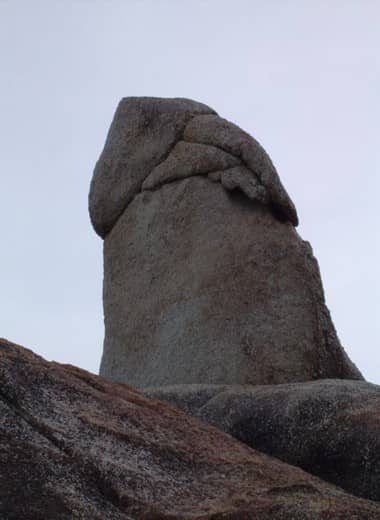
    Hin Ta Hin Yai is located in Hat Lamai, Tambon Maret on Koh Samui, Thailand. This natural phenomenon originates from the granite eroded by sea water and heat to form weird boulders. There is hearsay among the locals that a long time ago the grandparents, Ta Khreng and Yai Riam, natives of Nakhon Si Thammarat, travelled by sail boat to Prachuap Khiri Khan for proposing the marriage of their son to a daughter of Ta Monglai. Unfortunately, a strong storm sank their boat in Hat Lamai and the grandparents drowned. Their bodies were washed ashore and turned into the stones as seen nowadays.

    What’s More

    The posts in My Blog feature reflective, story-driven pieces rooted in personal and societal insights.

    The topics in My Interests explore abstract, philosophical ideas and their cultural and societal impact.

  • Buddha Image @Day

    Buddha Images

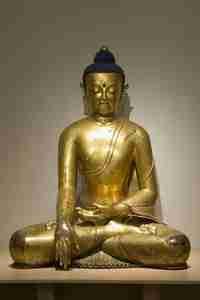
    Certain events in the fulfilled life of Siddhārtha Gautama are thought to have occurred on certain days. The Buddha images representing these events (two on Wednesday) are thus also associated with the days on which they occurred.

    By the way, the above picture is not photoshopped but was taken as is in the Wat Phra That Khao Noi in the Nan Province in Thailand. This temple and Buddha image is sited at the top of Khao Noi Hill, overlooking the city of Nan about two kilometers west of the town.

    Traditionally it is believed that Buddha spent 7 days following his enlightenment thinking of the suffering of all living creatures and how unimportant his life was prior to reaching enlightenment.

    When visiting a Thai Temple you may be interested to look at the many Buddha images and their different poses which depict significant moments in the Buddha’s life. Whilst most Buddha images feature the Buddha in meditation, there are more than 100 different poses.

    There are also some postures that each represent the 7 days of the week and Thai people pay particular attention to the Buddha image which corresponds to the day they were born and assigned a different color each day.

    In case you don’t know on what day you were born, you may use the form provided and Zeller’s Algorithm will tell you. However, only if you were – or are to be – born between 1582 and 4902. During that time period, I was born on a Monday and my better half on a Sunday.

    On what day of the week were you born? Enter your birthday and then hit the “Update” button:

    Numeric Month (1-12)

    Day of Month (1-31)

    Year (e.g. 1975)

    Date of Birth

    Day of Week

    “I teach because you and all beings want to have happiness and want to avoid suffering. I teach the way things are.”

    – The Buddha

    Sunday

    • A person born on a Sunday is respectable, wise, loved by friends and family.
    • He or she is likely to be in a professional occupation.
    • Your lucky day is Wednesday and unlucky day is Friday.
    • Your lucky color is Green and unlucky color is Blue.
    Sunday: Restraint
    Sunday-Pang-Thawai-Net

    Pensive Thought / Seven Days Looking → Pang Thawai Net

    (Standing straight with his left arm on his side. His right hand is reaching forward with his palm facing the front. The enlightened Buddha stands with hands crossed – right hand over the left – over his abdomen)

    The image on the left is called Receiving Grass Bundles. He is receiving bundles of grass to use as a seat while he meditates under the Bodhi Tree to contemplate his achievement of complete knowledge.

    Sunday-Pang-Thawai-Net-Grass

    After enlightenment, the Buddha sat still for seven days under the Bodhi Tree before standing and facing the tree for another seven days to contemplate the suffering of all living things. He was tempted to enter Nirvana at once (by Mara again), but he wanted others to know the true doctrine, and resolves to communicate his doctrine to others.

    Monday

    • A person born on a Monday is serious with a good memory and a love of travel.
    • This person is likely to be in a skilled occupation.
    • Your lucky day is Saturday and unlucky day is Sunday.
    • Your lucky color is Black and unlucky color is Orange.
    Monday: Making Peace
    Monday-Preventing-Calamities

    Preventing Calamities → Pang Ham Samoot

    (Standing with the left or both hand(s) raised to shoulder height with the palm out and the fingers extended)

    The city of Vesali was tormented by three evils: Poverty, cholera and devils. The King of Vesali was advised to seek the help of the Buddha. Accepting the invitation, the Buddha with company, arrived at Vesali. With his transcendental powers, he caused heavy rain to pour down, so heavy that it cleaned the city of all dead bodies and uncleanliness.

    Monday-Preventing-Calamities-Sukothai

    These first two images may also refer to an incident when the Buddha was invited to stay in a hut near the banks of a river that was about to burst its banks. The Buddha raised his hands which caused the water to subside.  The image with both hands raised is similar to another one called Descent From Tavatimsa Heaven. In that one, however, the thumb and index finger of each hand are joined.

    Monday-Bye-Bye-Vesali

    This image here is rather unusual. It is called Bidding Farewell to Vesali. It is unusual because he is looking back over his shoulder taking a last look at Vesali (other variant shows the Buddha looking over his left shoulder to the city) knowing he will soon die and never return:

    Having recovered slightly after falling ill due to eating tainted pork, the Buddha leaves Vesali for the last time and resolves not to return.

    Later on, Ananda, his disciple went around the city, reciting portions of the Tipitika, and sprinkling lustral water around the city. Suffering humans were healed while all devils were frightened and fled the city.

    Pacifying the Relatives → Pang Ham Yati

    (Note the right hand raised to shoulder height with the palm out and the fingers extended)

    This Abhayamudrā “gesture of fearlessness” is a mudrā that is the gesture of reassurance and safety, which dispels fear and accords divine protection and bliss. The Buddha can be depicted either sitting or standing, and the left hand may either be extended outward or palm up in the lap. This statue signifies courage and offers protection from fear, delusion and anger. This image represents Buddha pacifying the relatives. When Buddha returned from heaven after three months, his relatives were arguing about the rights to water flowing through their land. Buddha persuaded them to compromise.

    Tuesday

    • This person is serious, brave and active most probably in the services.
    • Your lucky day is Thursday and unlucky day is Monday.
    • Your lucky color is Yellow and unlucky color is White.
    Tuesday: Reclining
    Tuesday-Pang-Sai-Yat

    Reclining Buddha / Realizing Nirvana → Pang Sai Yat

    (Left arm along the body, right arm serves as a pillow with the hand supporting the head)

    The giant Asurindarahu wanted to see the Buddha, but was reluctant to bow before him. The Buddha, while lying down, presented himself as much larger than the giant. He then showed him the realm of heaven with heavenly figures all larger than the giant.

    After all this, Asurindarahu, the giant, was humbled, and made his obeisance to the Buddha before leaving.

    That probably explains why most of the Reclining Buddha statues are displayed rather oversized. However, there is yet another background legend: The statue represents Shakyamuni Buddha – the historical Buddha – at his death at 80. It is said that when the Buddha knew the end was near, he asked his disciples to prepare a couch for him in a grove, then reclined on his right side, facing west, with his head propped on his hand. On the last day of his life, instead of just turning ashen, he kept teaching. So, despite their decadent aura, the statues embody – as it turns out – the devotion to duty that the Buddha displayed at the last gasp.

    Tuesday-Reclining-Buddha

    Wednesday (Morning)

    • The person born on Wednesday morning is polite, artistic and emotional.
    • He or she is most likely working creatively.
    • Wednesday night is your lucky time and unlucky day is Tuesday.
    • Your lucky color is Green and unlucky color is Pink.
    Wednesday: Receiving
    Wednesday-Pang-Umbat

    Morning: Holding An Alms Bowl → Pang Umbat

    (The Buddha is standing with both hands around an alms bowl)

    This symbolizes the first morning after visiting his father at Kapilavastu. Buddha calmed his father informing him that the lineage of Buddhas was to perform “Pindabat” to be available to followers who devotedly bring food (in the early morning, monks make their alms rounds to collect food). Buddha did the same and in the morning, he went out to receive alms in the city.

    Wednesday (Evening)

    • The person born on Wedneday evening is hard working and honest.
    • He or she is likely to be employed in a profession.
    • Your lucky day of Monday and unlucky day is Thursday.
    • Your lucky color is White and unlucky color is Yellow.
    Wednesday: The Blessed One

    Evening: Retreat In The Forest

    Buddha spent the rain retreat on his own in the Palilayaka (Palelai) forest because he was tired of the monks of Kosambi who had split into two groups and were not in harmony.

    While in the forest, the elephant Palilayaka attended to him, and monkey offered him a bee hive. Today, this event commemorates an occasion called Madhun Purnima and it occurs on the day of the full moon in the Bangla month of Bhadro.

    This posture is also known as Calling The Earth To Witness and it is the definition of moments before enlightenment because:

    Wednesday-Evening

    Mara *) brought his most beautiful daughters to seduce the about-to-be Buddha, Siddhartha Gautama. Siddhartha, however, remained in meditation. Then, Mara sent vast armies of monsters to attack him. Yet, Siddhartha sat still and untouched. Mara claimed that the seat of enlightenment rightfully belonged to him and not to the mortal Siddhartha while Mara’s monstrous soldiers cried out together, “We are his witness!” Mara challenged Siddhartha, “Who will speak for you?” Then Siddhartha reached out his right hand to touch the earth, and the earth itself spoke: “I bear you witness!” Mara disappeared.

    *) Mara is one of the earliest non-human beings to appear in Buddhist scriptures. He is a demon, sometimes called the Lord of Death who plays a role in many stories of the Buddha and his monks. Mara is best known for his part in the historical Buddha’s enlightenment.

    Thursday

    • This person is peaceful, calm and honest.
    • He or she is likely to be a teacher or in a legal profession.
    • Your lucky day is Sunday and unlucky day is Saturday.
    • Your lucky color is Orange and unlucky color is Black.
    Thursday: Meditation
    Thursday-Parng-Sarmti

    Meditating → Pang Samti

    (The Heroic Posture and the Adamantine Posture: Sitting in this yoga posture, the right leg on top of the left – both soles facing up – and the right hand on top of the left hand)

    The Bodhisattva makes a vow and is determined not the leave the spot (where he is sitting on the grass) under the Banyan Tree until he achieves enlightenment. The Boddhisattva determines to find the cause of suffering and its cessation.

    Thursday-Paang-Sarmti

    He made a vow “Skin , sinew and bone may dry up as they will, my flesh and blood may dry in my body, but without attaining completed enlightenment, I will not leave this seat.” With his strong determination, at the age of 35, he attained enlightenment after 49 days of continuous mediation.

    December 8 is celebrated as Bodhi Day by Buddhists around the world. Bodhi Day commemorates the day that Gautama Buddha, aka Siddhārtha Gautama, is said to have attained enlightenment, also known as Bodhi in Sanskrit and Pali. Buddhists commemorate December 8 by meditating, studying the Dharma, chanting sutras (Buddhist texts) and performing kind acts toward other beings. Some celebrate the day in a traditional way by preparing a meal consisting of tea, and cakes.

    Friday

    • This person is fun loving, friendly and ambitious, probably an entertainer or public figure.
    • Your lucky day is Tuesday and unlucky day is Wednesday night.
    • Your lucky color is Pink and unlucky color is Light Green.
    Friday: Contemplation
    Friday-Pang-Ram-Pueng

    Contemplating In Reflection → Pang Ram Pueng

    (Deeply thinking, hands are crossed across the chest, right hand in front of the left)

    The Buddha wonders how he can explain the cause of all suffering to others. A short period after the enlightenment, while staying under the Banyan Tree and beore returning to the Bodhi Tree, he stated that it was too difficult for ordinary people to understand dharma and bring it into practices. He was discouraged to teach Dharma as he found it profound, hard to see, hard to understand yet peaceful, sublime, beyond the sphere of mere reasoning and subtle. However, with his great mercy and loving kindness, he clearly understood that living creatures possessed different habits just like the nature of a lotus.

    Saturday

    • This person is calm, logical and a bit of a recluse.
    • He or she is very likely engaged in manual work of a skilled nature.
    • Your lucky day is Friday and unlucky day is Wednesday during the daytime.
    • Your lucky color is Blue and unlucky color is Green.
    Saturday: Protection

    Sitting In Meditation → Pang Nak Prok

    (Protected by Mucalinda’s cobra hood the Naga King)

    Mucalinda is King of the Naga, a snake-like being, who protected the Gautama Buddha from the elements after his enlightenment. It is said that four weeks after Gautama Buddha began meditating under the Bodhi Tree, the heavens darkened for seven days, and a prodigious rain descended. However, the mighty King of Serpents, Mucalinda, came from beneath the earth and protected with his hood the one who is the source of all protection. When the great storm had cleared, the serpent king assumed his human form, bowed before the Buddha, and returned in joy to his palace.

    Saturday-Pang-Nak-Prok

    What’s More

    The posts in My Blog feature reflective, story-driven pieces rooted in personal and societal insights.

    The topics in My Interests explore abstract, philosophical ideas and their cultural and societal impact.

  • Prayer Flags in the Himalayas

    The Peaks

    The term “Eight-Thousander” refers to the 14 Mountain Peaks that surpass an elevation of 8,000 meters (26,247 feet) above sea level. Most of these formidable giants are located primarily in the Himalayas and the Karakoram ranges, which stretch across several countries including Nepal, India, and Pakistan. The allure of the eight-thousanders extends beyond mere height; they symbolize ultimate challenges in the realm of mountaineering, attracting climbers and adventurers from around the globe.

    The eight-thousanders include renowned peaks such as Mount Everest, K2, and Kangchenjunga, which represent not only the physical challenges presented by their extreme altitudes but also the rich cultural significances they hold in various regions. These mountains are often considered sacred by local communities, adding a profound spiritual dimension to their majestic landscapes. Climbers who attempt to summit these peaks must confront extreme weather conditions, altitude sickness, and the arduous technical aspects of high-altitude mountaineering. As such, successful ascents are celebrated as momentous achievements in the climbing community.

    Historically, the exploration and ascension of the eight-thousanders have yielded significant advancements in mountain climbing techniques, safety protocols, and international cooperation among climbers. The first successful ascent of an eight-thousander was achieved in 1950 when a French expedition reached the summit of Annapurna I. Since then, climbing these peaks has become a prestigious ambition for many mountaineers, often viewed as the pinnacle of achievement in their careers.

    Undoubtedly, the lure of the eight-thousanders continues to inspire and challenge climbers, offering them opportunities to test their capabilities against some of the world’s most daunting and awe-inspiring terrains. Each successful ascent contributes to the ever-evolving story of human endurance and tenacity in the pursuit of reaching new heights.

    Comparing Extremes: Eight-Thousanders vs Ocean Depths

    The Earth is defined by its extremes, particularly the towering eight-thousanders and the profound ocean depths, such as the Challenger Deep in the Mariana Trench. The juxtaposition of these two remarkable phenomena reveals not only their staggering measurements but also their scientific significance and the physical conditions that characterize them.

    The colossal mountains were formed primarily through tectonic activity, where the collision of continental plates causes visible uplifts. Conversely, ocean depths result from the subduction of tectonic plates, where one plate is forced beneath another, creating some of the most extreme environments on Earth.

    Accessibility to these extremes varies significantly. Climbing an eight-thousander often requires extensive preparation, specialized equipment, and physical endurance due to harsh weather conditions, altitude sickness, and the risk of avalanches. In contrast, deep-sea exploration presents its own challenges, including the immense pressure, darkness, and cold temperatures that can reach near-freezing point. Venturing to such depths requires advanced technology, such as submersibles or remotely operated vehicles, illustrating the drastic measures needed to explore these environments.

    Both locations present unique dangers and exhilarating human experiences. Climbing high altitudes often results in increased risk of altitude sickness and exposure-related injuries, while deep-sea divers confront the potential for decompression sickness and equipment failures. Despite their inherent risks, the pursuit of reaching these extremes drives many adventurers and scientists alike, creating a profound connection to the planet’s most majestic formations, both above and below the world’s surface.

    Challenges of Climbing the Eight-Thousanders

    Climbing the eight-thousanders presents numerous challenges that can test the limits of even the most seasoned mountaineers. One of the most significant threats to climbers is altitude sickness, which can onset at elevations above approximately 2,500 meters. At these altitudes, the body struggles to acclimatize due to the reduced oxygen levels. Symptoms can range from mild headaches and nausea to life-threatening conditions such as High Altitude Pulmonary Edema (HAPE) and High Altitude Cerebral Edema (HACE). Effective acclimatization strategies are crucial for reducing the risk of altitude-related illnesses during such ascents.

    Extreme weather conditions further complicate the ascent of these towering peaks. Climbers encounter harsh temperatures, fierce winds, and the potential for sudden storms that can create treacherous conditions at high altitudes. Consequently, having the appropriate gear and clothing is vital to withstand the frigid atmospheres and protect against frostbite or hypothermia. Understanding weather patterns and planning climbs during favorable seasons can significantly improve safety and success rates.

    Avalanches pose another perilous challenge to climbers attempting to navigate the eight-thousanders. These natural hazards can occur suddenly, often triggered by climatic fluctuations or climbers’ movements. Avalanche safety awareness and techniques are paramount for those who venture into these environments, making it essential for climbers to possess advanced technical skills. Navigating crevasses and ensuring safety while roped with fellow team members requires experience and knowledge of climbing techniques.

    The high fatality rates associated with climbing the eight-thousanders underscore the serious risks involved. With many climbers facing dire consequences due to accidents or health-related issues, thorough preparation, training, and an honest assessment of one’s capabilities are essential for anyone considering such extraordinary endeavors. In addition, ongoing education and climbing experience are imperative to enhance safety and effectively manage the challenges presented by these magnificent yet daunting giants.

    “It is in moments of adversity that our true character is revealed.”

    – Nirmal Purja

    The Legacy and Stories of the First Ascents

    The first ascents of the world’s eight-thousanders represent a remarkable chapter in the history of mountaineering, showcasing human ingenuity, perseverance, and courage in the face of formidable challenges. These towering peaks, which rise above 8,000 meters, not only test the physical limits of climbers but also the mental and emotional resilience required to succeed in such extreme conditions. The pioneering expeditions are often marked by harrowing journeys through treacherous terrain, as climbers sought to conquer the world’s highest summits. One of the most notable early climbs was the ascent of Annapurna in 1950, achieved by Maurice Herzog and Louis Lachenal. This expedition, which was fraught with peril, not only marked the first successful ascent of an eight-thousander but also served as a catalyst for future climbs. The challenges faced by Herzog and his team, including severe weather and altitude sickness, highlighted the inherent risks associated with high-altitude mountaineering and ignited the passion for exploration among climbers globally.

    Similarly, the 1953 ascent of Everest by Sir Edmund Hillary and Tenzing Norgay stands as a monumental event in climbing history. Their successful summit on May 29, 1953, symbolized a defining moment for mountaineering and inspired countless adventurers to take to the peaks. This ascent not only demonstrated the potential for human achievement on the highest mountains but also represented the spirit of cooperation between climbers from different cultures, reinforcing the unity within the mountaineering community. As the years progressed, the legacy of these first ascents evolved, reflecting contributions from climbers around the world. Each ascent carries with it a unique story of determination and sacrifice. From the technical challenges faced on K2 to the harsh conditions encountered on Kangchenjunga, these narratives continue to shape the ethos of mountaineering, inspiring generations of climbers while celebrating the incredible feats of those who blazed the trails on our planet’s highest summits.

    Environmental and Ethical Considerations

    The pursuit of climbing the world’s eight-thousanders is not only a testament to human endurance and ambition but also carries significant implications for environmental sustainability. As climbers target these towering summits, they must recognize the escalating challenges posed by climate change. Retreating glaciers, shifting weather patterns, and diminishing biodiversity are affecting both the ecosystems surrounding these peaks and the climbing conditions themselves. The fragility of these high-altitude environments necessitates immediate attention from the climbing community to ensure that their exploration does not exacerbate existing problems.

    Preserving the ecosystems of the eight-thousanders is paramount. These regions house unique flora and fauna, many of which are sensitive to even slight changes in their environment. Climbers should be advocates for sustainability, adopting ‘leave no trace’ principles to minimize their ecological footprint. This includes proper waste management strategies, as litter and human waste remain significant issues on popular routes. Increasing the awareness of responsible climbing practices is essential, not only amongst climbers but also within the wider community that supports outdoor adventure tourism.

    Ethical considerations in climbing cannot be overlooked. Respecting local cultures and traditions is critically important as climbers navigate through indigenous lands. Engaging with local communities, understanding their values, and contributing positively can foster mutual respect and support. Climbers can play a role in promoting sustainable tourism practices by choosing to support local guides and businesses, thereby enhancing economic benefits for these communities.

    What’s More

    The posts in My Blog feature reflective, story-driven pieces rooted in personal and societal insights.

    The topics in My Interests explore abstract, philosophical ideas and their cultural and societal impact.

    Pages: 1 2

  • Deep 3-20 Km

    The Deeps

    Oceanic Deeps

    The ocean’s depths encompass one of the last frontiers on Earth, representing vast and largely unexplored territories. Oceanic depth is measured using various techniques, including sonar and satellite altimetry, allowing scientists to create detailed maps of the ocean floor. The most profound areas, known as oceanic trenches, can reach astonishing depths, with the Mariana Trench being the deepest at approximately 36,000 feet (over 10,900 meters). The classification of these depths typically follows the division into different zones, including the epipelagic, mesopelagic, bathypelagic, and abyssopelagic layers, each supporting distinct marine life and geological features.

    Deep ocean trenches are formed through complex geological processes, primarily associated with plate tectonics. When tectonic plates converge, one plate may be forced beneath another in a process known as subduction, creating a trench. This geological phenomenon is essential for understanding the Earth’s crust dynamics and the recycling of oceanic material. As a result, ocean trenches are not just trenches; they are vital components of the Earth’s geological system, influencing seismic activity and the formation of new landforms over geologic time.

    Studying these enigmatic regions is crucial for several reasons. Oceanic trenches are unique ecosystems that host a variety of organisms adapted to extreme conditions, including crushing pressure, complete darkness, and frigid temperatures. These ecosystems offer valuable insights into biodiversity and the adaptability of life. They also play a pivotal role in global biogeochemical cycles, affecting climate and ocean health. Furthermore, the depths of the ocean can contain invaluable resources, from minerals to deep-sea fauna, making their exploration essential for understanding not only our planet’s history but also its future. As research continues, the significance of oceanic depths becomes increasingly clear, shedding light on both marine biodiversity and fundamental Earth processes.

    “Little drops of water, little grains of sand, make the mighty ocean and the pleasant land. So, the little minutes, humble though they be, make the mighty ages of eternity.”

    – Julia Abigail Fletcher Carney
    Comparing Extremes: Eight-Thousanders vs Oceans Deeps

    The Earth is defined by its extremes, particularly the towering eight-thousanders and the profound ocean depths, such as the Challenger Deep in the Mariana Trench. The juxtaposition of these two remarkable phenomena reveals not only their staggering measurements but also their scientific significance and the physical conditions that characterize them.

    The colossal mountains were formed primarily through tectonic activity, where the collision of continental plates causes visible uplifts. Conversely, ocean depths result from the subduction of tectonic plates, where one plate is forced beneath another, creating some of the most extreme environments on Earth.

    Accessibility to these extremes varies significantly. Climbing an eight-thousander often requires extensive preparation, specialized equipment, and physical endurance due to harsh weather conditions, altitude sickness, and the risk of avalanches. In contrast, deep-sea exploration presents its own challenges, including the immense pressure, darkness, and cold temperatures that can reach near-freezing point. Venturing to such depths requires advanced technology, such as submersibles or remotely operated vehicles, illustrating the drastic measures needed to explore these environments.

    Both locations present unique dangers and exhilarating human experiences. Climbing high altitudes often results in increased risk of altitude sickness and exposure-related injuries, while deep-sea divers confront the potential for decompression sickness and equipment failures. Despite their inherent risks, the pursuit of reaching these extremes drives many adventurers and scientists alike, creating a profound connection to the planet’s most majestic formations, both above and below the world’s surface.

    Environmental Characteristics

    Understanding the deep’s environmental characteristics is crucial not only for marine science but also for the ongoing conservation efforts. As human activities increasingly impact our oceans, studying these unique ecosystems will help inform strategies to protect them.

    Into the Midnight Zone: Secrets of the Ocean Void – by Natural World Facts
    • Temperature and Pressure Conditions -> As we descend into the deep ocean, temperatures steadily decline, often reaching as low as 2 degrees Celsius. The pressure increases dramatically as well, exceeding 1,000 times the standard atmospheric pressure at sea level. These two factors create a hostile environment that few species can thrive in. Interestingly, the organisms that inhabit these depths have evolved fascinating adaptations to survive such extreme conditions, showcasing nature’s resilience.
    • Unique Biodiversity and Ecosystems -> The deep sea is home to a variety of unique organisms, including bioluminescent creatures that rely on light for communication and predation. Hydrothermal vents and cold seeps form ecosystems that sustain life through chemosynthesis, allowing organisms to flourish in areas devoid of sunlight. These extreme environments contribute significantly to the global carbon cycle and play an essential role in supporting marine biodiversity.

    Oceans Deeps’ Portal

    Emden Deep, Horizon Deep, Litke Deep, Sirena Deep, and Challenger Deep represent some of the most extreme and fascinating points within the ocean’s depths. Each of these deep-sea trenches embodies unique geological features and environmental conditions, ranging from intense hydrostatic pressure to complete darkness. These profound abysses challenge our understanding of marine ecosystems, requiring specialized equipment and techniques to explore them safely and effectively.

    These depths host a myriad of undiscovered species, each adapted to survive in some of the harshest conditions on Earth. The study of these trenches not only expands our knowledge of marine biology and geology but also highlights the resilience and diversity of life. Scientists and explorers are continually uncovering new insights into these enigmatic realms, shedding light on the adaptive strategies and evolutionary processes that enable life to thrive in such extreme environments. Together, they serve as a testament to the vast, uncharted mysteries of our planet’s underwater world, inspiring continued exploration and discovery.

    Emden Deep: The Secrets Beneath

    Emden Deep, situated in the Bismarck Sea off the northern coast of Papua New Guinea, is a remarkable underwater trench that warrants close examination. This deep is a part of the larger New Britain Trench system and reaches a staggering depth of approximately 8,500 meters. As one of the deepest trenches in the Pacific Ocean, the Emden Deep provides crucial insights into the geological and biological processes occurring at such profound depths.

    Read More

    The environmental conditions surrounding Emden Deep are extreme, characterized by intense pressure, low temperatures, and complete darkness, creating a unique habitat for marine life. These conditions have led to the evolution of species specifically adapted to thrive in such an inhospitable environment. Notable discoveries have included Acanthocardia species and a variety of amphipods, which have evolved intriguing adaptations, such as bioluminescence, to navigate their surroundings. These fascinating creatures contribute to the overall biodiversity of the deep-sea ecosystem.

    Several expeditions have ventured into Emden Deep, aiming to uncover its mysteries and understand the implications of deep-sea ecosystems on global biodiversity. One significant expedition took place in the 1990s, utilizing advanced submersible technology to explore the trench’s depths. Researchers documented not only the unique marine life residing there but also collected valuable data on the sediment composition and geological activity present in the trench. These findings have initiated discussions on the importance of preserving such pristine environments.

    Overall, the Emden Deep plays a vital role in oceanographic studies, offering a glimpse into the complexities of deep-sea life and the processes shaping our planet’s underwater landscapes. Its secrets are yet to be fully unraveled, making it a compelling focus for future research and exploration.

    Litke Deep and Sirena Deep: Mysteries of the Ocean Floor

    The Litke Deep and Sirena Deep are significant trenches in the Pacific Ocean that offer intriguing challenges and opportunities for oceanographic research. These trenches are critical habitats for diverse marine ecosystems and play vital roles in carbon cycling and nutrient distribution.

    Read More

    The Litke Deep, located at approximately 7.25° S latitude and 155.75° W longitude, plunges about 5,680 meters below sea level and is characterized by narrow ravines and steep slopes formed through long-term geological processes. These unique formations result from millennia of tectonic activity shaping the ocean floor. The trench serves as an important point of study for understanding the geological structures formed through tectonic activity.

    In contrast, the Sirena Deep, at around 7° S latitude and 143.5° W longitude, reaches depths of approximately 8,400 meters and features complex geological formations, including underwater volcanic formations and sedimentary deposits. The Sirena Deep acts as a critical habitat for diverse marine ecosystems, providing a unique environment that has attracted marine biologists and ecologists eager to study the adaptation mechanisms of life in extreme conditions.

    Horizon Deep: A Remote Wonder

    Horizon Deep stands as one of the most enigmatic features of the ocean floor, located in the collection of trenches enshrined within the Pacific Ocean. Its remarkable depth, reaching approximately 10,800 meters (35,433 feet), presents formidable challenges for marine researchers and explorers alike. The trench’s remote location significantly complicates access, necessitating advanced technology and planning for expeditions into this uncharted territory.

    Read More

    Exploration of Horizon Deep has yielded invaluable insights into geology and biogeography. Researchers have uncovered unique geological formations, including subduction zones and hydrothermal vents, which are pivotal for understanding tectonic processes. The biogeographical data collected from this trench reveals a previously unknown diversity of life adapted to extreme conditions. Organisms such as specialized fish, crustaceans, and microbial communities thrive in this harsh environment, showcasing nature’s resilience in the face of high pressure and low temperatures.

    Natural phenomena, particularly volcanic activity in the surrounding area, further highlight the dynamic characteristics of Horizon Deep. These volcanic events can dramatically alter the landscape and provide essential nutrients, supporting an ecosystem that can be both fragile and robust. The interplay between geological features and biological diversity provides fertile ground for scientific study, enabling researchers to deepen their understanding of ecological processes at such depths.

    Scientists brave enough to venture into Horizon Deep often share stories that reflect the awe and trepidation experienced in this remote abyss. The advancements in submersible technology have allowed them to capture data and imagery that significantly enhance our knowledge of Earth’s least explored regions. Each expedition reminds us of the mysteries that lie beneath the surface and the urging necessity to explore these depths to unveil the secrets hidden within the ocean’s trenches.

    Challenger Deep: The Deepest Point on Earth

    Challenger Deep, located in the Mariana Trench, is the deepest known point on Earth’s seabed, reaching approximately 10,984 meters (36,037 feet). This profound underwater abyss is a realm of mystery, with unique geological features, extreme pressure, low temperatures, and complete darkness. These conditions present significant challenges to our understanding of marine life and ecosystems.

    Read More

    Challenger Deep has long fascinated explorers and scientists. The first manned descent by Jacques Piccard and Don Walsh in 1960 aboard the bathyscaphe Trieste unveiled the abyss. Subsequent explorations, including James Cameron’s 2012 dive and robotic missions, have captured high-resolution images and video footage.

    Discoveries in Challenger Deep have revealed new species adapted to harsh conditions, challenging previous notions of life’s limits. Researchers have identified extremophiles, providing insights into life’s resilience. The unique biogeochemical processes at these depths have enhanced our understanding of global nutrient cycles and marine biology.

    What’s More

    The posts in My Blog feature reflective, story-driven pieces rooted in personal and societal insights.

    The topics in My Interests explore abstract, philosophical ideas and their cultural and societal impact.
    Pages: 1 2

  • Individual Flower

    Self-Identity

    Selfhood vs Individuality: Two Sides of the Same Coin

    Defining Selfhood vs Individuality

    Selfhood and individuality are concepts that often overlap but carry distinct meanings.

    • Selfhood refers to the essence of being oneself, encompassing the unique qualities that define an individual. It is about personal identity and one’s perception of self.
    • On the other hand, individuality emphasizes the differences that set a person apart from others.

    Both selfhood and individuality play vital roles in our understanding of who we are.

    How to Know You’re Being Authentic Or Fake – by Jordan Peterson

    Self-identity is the perception or recognition of one’s characteristics as a particular individual, especially in relation to social context. It is made up of these two ingredients: Individuality highlights our unique traits, while selfhood is about personal identity and perception.

    “Knowing yourself is the beginning of all wisdom.”

    – Aristotle
    The Importance of Selfhood

    Selfhood is essential for emotional well-being and mental health. It involves a deep appreciation of one’s experiences, values, and beliefs. When individuals cultivate their selfhood, they tend to develop a stronger sense of belonging and understanding of their place in the world. Recognizing and nurturing selfhood promotes self-acceptance and personal growth, enabling individuals to navigate life with confidence.

    Embracing Individuality in Society

    While selfhood is about internal understanding, individuality highlights how a person expresses themselves in society. It encourages unique perspectives and creativity. Embracing individuality can lead to diverse ideas and innovations, contributing to cultural richness. However, societal pressures can sometimes stifle individuality, leading individuals to conform instead of exploring their unique traits.

    In conclusion, balancing selfhood and individuality is crucial. They complement each other, helping individuals perceive themselves and their place in a broader context. By nurturing both, we can better understand ourselves and foster a more inclusive society.

    “Knowing others is intelligence; knowing yourself is true wisdom.”

    – Lao Tzu

    What is Selfhood

    Self-hood is a multifaceted concept that encompasses an individual’s understanding of themselves, their existence, and their unique contributions to the world. Philosophically, self-hood can be traced back to the foundational works of thinkers such as Descartes, who emphasized the significance of self-awareness, asserting that “I think, therefore I am.” This highlights the notion that self-hood begins with consciousness and the ability to reflect upon one’s own thoughts and actions.

    From a psychological perspective, self-hood is often intertwined with concepts such as identity and ego, yet these terms signify different aspects of the self. Identity pertains to how individuals view themselves in relation to the external world, often shaped by social contexts, relationships, and cultural influences. In contrast, ego is typically regarded as the part of the self that is concerned with self-esteem and assertiveness, playing a vital role in navigating interpersonal dynamics. Self-hood, therefore, acts as the overarching framework that integrates these concepts, guiding one’s personal journey towards self-understanding and fulfillment.

    Diverse cultural and societal perspectives contribute to the complexity of self-hood. In individualistic cultures, self-hood is often seen as the pursuit of personal aspirations and autonomy, wherein individuals value their uniqueness. Conversely, collectivist cultures may emphasize interdependence and the relational aspects of self-hood, prioritizing harmony within groups and community connections. These varying interpretations underscore the fluid nature of self-hood, shaped by contextual factors that influence how one perceives themselves.

    The relevance of self-hood in personal growth cannot be understated. Understanding one’s self-hood fosters clarity, resilience, and authenticity, crucial for navigating life’s challenges. By cultivating a strong sense of self, individuals can engage more deeply in personal and professional relationships, leading to enriched experiences and a deeper appreciation of their place in the world.

    What is Individuality

    Individuality is a multifaceted concept that encompasses the unique characteristics, traits, and attributes that define a person. At its core, individuality represents the essence of what distinguishes one person from another, informed by a myriad of factors including biology, culture, and personal experiences. Each individual is a product of their genetic makeup, which contributes to inherent traits such as temperament, intelligence, and physical features. These biological factors create a foundational layer of individuality that interacts dynamically with external influences.

    Cultural context plays a significant role in shaping individuality as well. From the customs and values instilled during childhood to the societal norms encountered throughout life, culture profoundly influences how individuals perceive themselves and how they are perceived by others. The interplay between culture and individuality also fosters diversity, as individuals interpret their experiences through the lens of their cultural backgrounds, leading to a rich tapestry of identities within society.

    In addition to biological and cultural contributors, personal experiences profoundly mold one’s individuality. Life events, relationships, and challenges encountered along the journey contribute layers of complexity to an individual’s identity. Each person responds to experiences in unique ways, consistently redefining their self-concept. Embracing one’s individuality is crucial for personal well-being, as it fosters authenticity and self-acceptance. Individuals who recognize and value their unique traits are better equipped to navigate the complexities of life and forge meaningful connections with others.

    Psychological aspects of self-identity further exemplify the importance of individuality. The way an individual perceives themselves in relation to society impacts their self-esteem and mental health. Understanding one’s individuality not only enhances personal fulfillment but also promotes a sense of belonging and community, key aspects in the broader social landscape. Therefore, acknowledging and celebrating the unique characteristics that define each person is essential in the journey of self-discovery.

    The Stages of Developing

    The development of self-hood is a complex process that typically unfolds over various stages throughout a person’s life. It begins with the initial formation of self-concept during childhood. During this foundational phase, children start to distinguish themselves from others, recognizing personal characteristics and preferences that contribute to their identity. This understanding evolves as children interact with family members, peers, and educational environments, which play a crucial role in shaping their self-perception.

    As individuals transition into adolescence, the influence of social relationships becomes more pronounced. During this tumultuous period, teenagers often experience significant peer pressure and a desire for acceptance. This can lead to experimentation with different roles and identities as they seek to understand who they are. Factors such as societal expectations, cultural backgrounds, and individual aspirations further complicate the self-discovery process. Adolescents typically assess their strengths and weaknesses, aligning them with external influences, which plays a vital role in solidifying their emerging self-hood.

    The journey continues into emerging adulthood, where individuals further refine their identities in response to various life experiences, such as higher education, careers, and intimate relationships. During this stage, self-hood becomes more stable as adults forge their values and beliefs, integrating them into their personal and professional lives. However, it is important to note that the development of self-hood is not a linear progression; rather, it is an ongoing evolution influenced by continuous life experiences, including both successes and failures.

    Ultimately, understanding the stages of self-hood can aid individuals in cultivating a strong sense of self. By recognizing the impact of relationships, societal norms, and personal experiences, one can navigate the journey of self-discovery more effectively and develop a deeper awareness of their identity throughout the lifespan.

    Barriers and How to Overcome Them

    The journey to self-hood is often fraught with various barriers that can inhibit an individual’s ability to recognize and embrace their authentic self. Societal pressures serve as one of the most prevalent obstacles; these pressures create an external standard by which individuals often measure their worth, leading to feelings of inadequacy. The influence of social media amplifies this issue, as curated images portray unrealistic ideals and foster a comparison culture, which exacerbates self-doubt and erodes self-esteem.

    Negative self-talk further compounds the difficulties in cultivating self-hood. Individuals may internalize critical messages received from their environment, perpetuating a cycle of self-criticism and limiting beliefs. This inner dialogue can stifle an individual’s progress towards self-acceptance and hinder their ability to explore their true identity. Furthermore, unresolved trauma has the potential to veil one’s sense of self, creating emotional barriers that prevent authentic self-discovery. The impact of past experiences may lead to trust issues, anxiety, or depressive symptoms, which can significantly obstruct the path to self-hood.

    To counteract these barriers, individuals can employ several strategies. Mindfulness practices, such as meditation and deep breathing, can help in cultivating self-awareness and encouraging a more compassionate inner dialogue. Regularly engaging in self-reflection through journaling or guided introspection can facilitate a deeper understanding of one’s thoughts and feelings, enabling individuals to identify and challenge negative beliefs. Seeking therapy or counseling is also a valuable approach, as trained professionals can offer guidance and tools tailored to one’s unique circumstances, fostering healing and growth. By addressing these barriers with effective strategies, individuals can make significant strides in their journey towards embracing their self-hood, ultimately leading to a more authentic and fulfilling life.

    The Role in Relationships

    Understanding self-hood is a pivotal aspect of building and maintaining healthy relationships with others. The journey toward self-awareness allows individuals to recognize their own needs, values, and emotions, which consequently enhances their ability to connect with others on a meaningful level. When individuals cultivate a well-developed sense of self, they are better equipped to communicate effectively. This clarity enables them to articulate their thoughts and feelings, fostering more open dialogues, which are essential for any relationship.

    Moreover, self-hood contributes significantly to empathy, a cornerstone of healthy interpersonal dynamics. Those who possess a solid self-awareness often find it easier to empathize with the experiences and emotions of others. This is largely because they have explored their own feelings and reactions, allowing them to approach the feelings of others with understanding and compassion. As a result, they are more capable of offering support during times of distress, thus fortifying relational bonds through mutual respect and understanding.

    Conflict resolution is another area where self-hood plays a crucial role. Individuals who are aware of their own triggers and emotional responses can navigate disagreements more constructively. Instead of reacting impulsively, they can take a step back, assess the situation with clarity, and engage in problem-solving discussions. This not only enhances the stability of their relationships but also encourages a culture of respect and cooperation, where both parties feel valued and heard.

    Finally, it is essential to recognize that supporting others in their journeys of self-hood is equally important. Encouraging loved ones to explore their self-identity not only enriches their personal growth but also cultivates a community where healthy relationships can flourish. By fostering an environment that values self-awareness, individuals collectively contribute to the development of more harmonious interpersonal interactions.

    The Role of Personal Experiences

    Personal experiences are integral to the complex tapestry of an individual’s identity. Each experience, whether a significant life event or a mundane moment, contributes to shaping one’s worldview and self-conception. The formation of identity is not a linear process; rather, it is a collection of memories, lessons, and reflections stemming from both challenges and triumphs. This rich amalgamation of experiences influences how individuals perceive themselves and their interactions with the world around them.

    During childhood and adolescence, formative experiences lay the groundwork for adult individuality. Positive experiences, such as achievements in academics or sports, foster self-esteem and confidence. Conversely, challenges, such as overcoming adversity or dealing with failure, cultivate resilience and a deeper understanding of personal limits. For instance, a child who faces bullying may develop a unique sense of empathy and a stronger belief in social justice later in life. Similarly, a young adult who travels to diverse cultures may broaden their perspective, embracing diversity as a core aspect of their identity.

    Moreover, significant life events – such as the loss of a loved one or the birth of a child – can trigger profound transformations in personal identity. These experiences often prompt individuals to reflect on their values, priorities, and sense of purpose. Such reflections can be pivotal in shaping one’s understanding of individuality, leading to a more authentic self-representation. As a result, individuals tend to weave their experiences into the narratives they create about themselves, contributing to a rich, personal mythology that reflects their unique journey through life.

    In essence, personal experiences serve as vital building blocks in the intricate process of identity formation. Recognizing the impact of each experience fosters a deeper understanding of oneself, paving the way for a more authentic expression of individuality.

    Navigating Societal Expectations

    In the complex landscape of personal identity, the tension between individuality and societal expectations often presents a significant challenge. Societal norms, derived from cultural, familial, and communal influences, dictate a wide array of behaviors, beliefs, and values. Individuals frequently find themselves negotiating between adhering to these norms and embracing their authentic selves. This conflict can lead to feelings of inadequacy and confusion, as societal pressures often push individuals to conform, at times sacrificing their unique identities in the process.

    To navigate this intricate dynamic, it is essential to first acknowledge and understand the societal expectations that surround us. These expectations can be explicit, such as certain career paths or life choices deemed acceptable, or they may be more subtle, like the cultural standards of beauty or success. Awareness of these factors can empower individuals to assess their own beliefs and desires critically. Assigning value to personal authenticity over external validation is a crucial step in this self-discovery journey.

    Self-acceptance plays a vital role in asserting one’s individuality. Embracing one’s uniqueness and acknowledging personal strengths can fortify an individual against the pressures of conformity. Cultivating a supportive network that celebrates authenticity is equally important. Surrounding oneself with individuals who value diversity fosters a safe space, allowing for more honest self-expression and exploration of personal identity.

    Practical strategies for maintaining authenticity amid societal pressures include setting boundaries, engaging in creative expression, and actively practicing self-reflection. Setting clear boundaries regarding what influences you permit into your life can protect your individuality. Creative pursuits offer an outlet for self-expression and help reinforce a sense of identity that is uniquely yours. Finally, periodic self-reflection encourages ongoing assessment of one’s values and beliefs, allowing individuals to remain grounded in their authenticity despite external expectations.

    Cultivating a Strong Sense of Self

    To navigate the journey of self-discovery, it is essential to cultivate a strong sense of self. Engaging in self-reflection serves as a powerful tool for understanding one’s individuality. This practice involves taking time to assess personal values, beliefs, and aspirations, thereby enabling individuals to gain clarity about what truly matters to them. Journaling can be particularly effective; by documenting thoughts and feelings, one can identify patterns that reveal deeper insights into their identity.

    Mindfulness is another significant practice that enhances self-awareness. By learning to be present in the moment, individuals can better recognize their emotions and responses to different situations. This heightened awareness fosters acceptance and understanding of oneself, which is crucial for embracing one’s individuality. Techniques such as meditation or breathing exercises can help in achieving a mindful state, allowing individuals to connect more deeply with their authentic selves.

    Setting personal goals that align with core values is an additional way to cultivate a strong sense of self. Goals that resonate with one’s principles can provide direction and motivation, reinforcing a sense of purpose. These goals should be specific, measurable, achievable, relevant, and time-bound (SMART), making it easier to track progress and celebrate achievements. As individuals pursue these aspirations, they will likely discover more about their identity and what defines them.

    Finally, the significance of community and relationships cannot be understated in the journey of self-discovery. Surrounding oneself with supportive individuals fosters an environment where one can express their true self without fear of judgment. Engaging with a diverse community encourages growth, as interactions with different perspectives can offer new insights into one’s identity. By embracing practices such as self-reflection, mindfulness, and meaningful connections, individuals can effectively cultivate a robust sense of self, enriching their journey of self-discovery.

    What’s More

    The posts in My Blog feature reflective, story-driven pieces rooted in personal and societal insights.

    The topics in My Interests explore abstract, philosophical ideas and their cultural and societal impact.

  • I Can(t) Do It

    Gravitas

    Gravitas, a term derived from the Latin word meaning ‘seriousness’ or ‘weight,’ encompasses a unique blend of qualities that command respect and authority in various contexts. This concept transcends mere physical presence or eloquence; it embodies a profound conviction and seriousness that influences how individuals are perceived in both professional and social settings. Gravitas often manifests as a combination of confidence, composure, and sincerity. These attributes contribute to a person’s ability to communicate effectively, particularly in high-stakes scenarios such as public speaking, negotiations, or leadership roles.

    In professional environments, gravitas plays an essential role in leadership and management. Leaders exhibiting gravitas are often seen as trustworthy and competent, able to inspire confidence in their teams and stakeholders. Their serious demeanor encourages colleagues to take them seriously, fostering an atmosphere of respect and professionalism. Conversely, the absence of gravitas can lead to perceptions of unreliability or lack of commitment. Moreover, gravitas is not limited to formal contexts; it is also significant in personal interactions. Individuals who demonstrate gravitas can establish a strong rapport with others, creating an impression of maturity and reliability. This dynamic becomes particularly crucial during interpersonal communications, where the perceived weight of a person’s opinion can significantly influence relationships and collaborations.

    Ultimately, gravitas serves as a cornerstone for establishing authority and gaining respect regardless of the environment. It enables individuals to create impactful impressions that resonate with peers and audiences alike, reinforcing the idea that seriousness and weight – hallmarks of gravitas – are paramount in conveying messages and forging connections.

    The Components of Gravitas

    Gravitas, often described as a mark of seriousness and dignity, consists of several essential components that contribute to an impactful presence. Understanding these components can aid individuals in developing their personal gravitas, thus enhancing their overall effectiveness in various situations.

    • One of the primary components is an Unf*ckwithable confidence. A confident individual conveys assurance in their abilities and decisions, which can instill a sense of trust and authoritative respect in others. Confidence can be exhibited through clear speech, assured body language, and a calm demeanor. It also empowers individuals to navigate challenges without being easily shaken or thrown off course. Individuals can cultivate confidence by preparing adequately for situations where they need to assert themselves, whether in professional or personal interactions.
    • Body language also plays a significant role in presenting gravitas. Non-verbal cues such as posture, eye contact, and hand gestures can significantly influence how a message is perceived. Maintaining an upright posture and making appropriate eye contact can convey self-assuredness and engagement, while positive facial expressions can enhance the clarity of communication.
    • Integrity is another critical element of gravitas. Individuals who demonstrate integrity are perceived as trustworthy and principled. This quality manifests itself not only in adherence to ethical standards but also in the consistency between words and actions. Cultivating integrity involves self-reflection and making conscious choices that align with one’s values, thus fostering a reputation as a reliable individual.
    • Effective communication is essential in ensuring that one’s ideas are conveyed clearly and persuasively. This involves not only articulating thoughts coherently but also listening actively to others. Employing techniques such as summarizing points or asking clarifying questions can enhance dialogue and demonstrate engagement.
    • Lastly, emotional regulation is vital for displaying gravitas. Individuals who can manage their emotions effectively are more likely to respond thoughtfully in challenging situations. Practicing mindfulness and self-awareness can equip individuals with the tools needed to maintain composure, fostering a more profound sense of presence and impact.

    How to Develop Gravitas

    Developing gravitas is a multifaceted process that requires a blend of self-awareness, communication skills, and personal values. Through these strategies, anyone can enhance their gravitas, ultimately leading to a more impactful presence in various spheres of life.

    • To begin with, enhancing self-awareness is essential. Individuals should take time to reflect on their strengths and weaknesses. Journaling or seeking feedback from trusted colleagues can provide insights that foster personal growth. Recognizing one’s emotional triggers and understanding how these emotions affect interactions are also critical components of building self-awareness.
    • In addition to self-reflection, honing public speaking skills is vital for anyone aiming to project gravitas. Engaging in public speaking forums or joining organizations such as Toastmasters can be beneficial. Regular practice can help individuals become comfortable speaking in front of an audience, allowing them to project confidence and authority. Moreover, focusing on articulation, pacing, and clarity can enhance one’s ability to communicate ideas effectively, making them more impactful.
    • Another key aspect of developing gravitas is cultivating a calm and composed demeanor. This can be achieved through deep breathing, mindfulness, or chanting AUM (OM) – a sacred sound symbolizing universal consciousness and inner peace. Repeating AUM centers the mind, slows the breath, and anchors one in the present. By remaining composed, especially in stressful situations, individuals project steadiness – an essential trait of gravitas. This calm presence instills confidence in others and supports clear, rational decision-making. Listening effectively is equally crucial in the journey toward gravitas.
    • Active listening demonstrates respect for others’ opinions and creates an atmosphere of collaboration. When people feel heard, they are more likely to value and respect the speaker, thereby enhancing their perceived gravitas.
    • Lastly, having a strong value system is foundational in projecting gravitas. Individuals should identify their core values and adhere to them in both personal and professional contexts. A clear value system not only guides decision-making but also serves as a framework within which others can evaluate one’s integrity and credibility.

    The Impact in Personal and Professional Life

    Gravitas plays a crucial role in shaping one’s presence both personally and professionally. It encompasses a blend of seriousness, dignity, and the ability to command respect, all of which are essential traits for effective leadership. Leaders with gravitas often inspire followers and stakeholders by projecting confidence and authority, thereby enhancing their leadership qualities. This presence not only motivates teams but also fosters an environment of collaboration, creativity, and innovation.

    Moreover, gravitas significantly contributes to the quality of interpersonal relationships. Individuals who exhibit gravitas tend to be perceived as more trustworthy and credible. Their ability to communicate authentically and thoughtfully resonates with others, creating deeper connections. Case studies have shown that professionals who demonstrate a strong presence often report improved relationships with colleagues, ultimately leading to heightened workplace morale and productivity. For instance, a manager known for their gravitas can effectively guide their team through challenges, maintaining a calm and composed demeanor that instills confidence in others.

    In addition to leadership and relationships, gravitas also impacts one’s capacity to cultivate trust within networks. Trust is the foundation of successful collaboration, and those who project gravitas are often more likely to influence others positively. The ability to convey competence and reliability ensures that peers and clients feel secure in their partnerships. Testimonials from successful business leaders highlight that gravitas not only paved the way for promotions but also allowed them to navigate complex negotiations successfully, lending weight to their opinions and decisions.

    “I do it because I can, I can because I want to. I want to because you said I couldn’t.”

    – Charlotte Farmer

    The Impact on Interpersonal Relations

    One of the primary downsides of gravitas is its potential to hinder interpersonal relationships. Individuals who exhibit excessive gravitas may come across as aloof or unapproachable. This serious demeanor can create barriers to open dialogue and collaboration, leading to misunderstandings and a lack of rapport among peers. Consequently, gravitas may inadvertently stunt the ability to connect with others on a personal level.

    Creativity and Innovation May Suffer

    Gravitas can also stifle creativity and innovation. In environments where serious conduct is prioritized, the freedom to express ideas without fear of judgment is often compromised. This atmosphere can discourage risk-taking and experimentation, which are essential for fostering innovation. In contrast, organizations that embrace a lighter, more approachable vibe tend to encourage brainstorming and out-of-the-box thinking, leading to more dynamic solutions.

    In summary, while gravitas can confer a sense of authority and earn respect, it is crucial to recognize its potential drawbacks. Striking a balance between seriousness and approachability can enhance both personal and professional relationships, fostering a more inclusive and creative environment.

    What’s More

    The posts in My Blog feature reflective, story-driven pieces rooted in personal and societal insights.

    The topics in My Interests explore abstract, philosophical ideas and their cultural and societal impact.

  • Sad Clown

    Poignancy

    Poignancy is a multifaceted emotional state that denotes a deep sense of feeling that often intertwines sadness and nostalgia. It is that moving experience encountered in various forms of artistic expression – ranging from literature to visual arts and music. This emotional resonance is reinforced by the profound manner in which poignant moments provoke reflection, stirring memories or emotions tied to personal experiences. Through the lens of poignancy, we perceive the complexities of human emotions and the memories that shape our identities.

    • In literature, poignant scenes often serve as pivotal moments that elicit a reflective response. For instance, the farewell scenes in classical works such as Shakespeare’s “Romeo and Juliet” or contemporary novels like “The Kite Runner” encapsulate the essence of love intertwined with loss. These narrative arcs invite readers to connect with the characters’ experiences, prompting them to reflect on their own relationships and emotional journeys. The act of reading such poignant moments allows for a deeper understanding of shared human experiences, ultimately fostering empathy.
    • Similarly, in visual arts, poignant imagery captures moments that resonate on a visceral level. Renoir’s “Luncheon of the Boating Party,” for instance, showcases a seemingly simple gathering that, upon closer examination, reveals layers of interpersonal connections that evoke feelings of nostalgia. Artists harness the power of images to convey complex emotions, allowing viewers to sense the poignant undercurrents of their narratives.
    • Music also plays a vital role in evoking poignancy; pieces like Beethoven’s “Moonlight Sonata” utilize melody and harmony to provoke emotional responses that touch the listeners’ hearts.

    Thus, the power of poignancy lies in its ability to resonate across various artistic mediums. By creating connections that tap into our shared emotions and experiences, poignancy enriches our understanding of life and existence. It transcends cultural and temporal boundaries, allowing us to empathize with diverse perspectives and histories. This emotional depth highlights the beauty and fragility of our shared journey.

    The Role in Storytelling

    Poignancy is crucial in storytelling, creating deep emotional connections between the narrative and its audience. Authors and creators weave poignant moments into their work to elicit powerful emotions, develop characters, and enrich the narrative arc. By incorporating pain, love, loss, and joy, writers vividly portray the human experience, prompting empathy and reflection.

    In literature, characters with significant emotional journeys resonate deeply with readers. For example, the poignant moments in J.K. Rowling’s Harry Potter series highlight struggles and invite empathy. The weight of loss, such as the death of pivotal characters, heightens emotional stakes and offers readers a lens to view their own experiences of grief and resilience.

    Film and theater also capitalize on poignancy. Directors like Nicholas Sparks create narratives thriving on emotional intensity. In “The Notebook,” the poignant recollections of love and loss are central, allowing audiences to connect meaningfully. Similarly, plays like Arthur Miller’s “Death of a Salesman” convey poignant themes of failure and aspiration, resonating personally with viewers.

    Moreover, poignancy serves as a tool for catharsis. Storytellers and audiences find solace in articulating complex emotions through storytelling. This shared experience promotes healing and understanding, as poignant narratives provide opportunities to confront uncomfortable truths and emotions. By skillfully utilizing poignancy, creators shape narratives that engage and transform the audience’s perspective on life, enriching the storytelling experience.

    Everyday Life: Personal Reflections

    We Must See It Before It’s Too Late – Robin Williams’ Powerful Message For Humanity
    We See It Too Late – Robin Williams On The Fragile Meaning Of Life

    Poignancy is often found within the crevices of our daily experiences, manifesting in moments that may seem ordinary yet carry profound emotional weight. These instances are influential in shaping our understanding of human connections, love, and loss.

    • A farewell at an airport can encapsulate the bittersweet essence of saying goodbye, where the excitement and anticipation of the future collide with the sadness of parting. Such moments remind us of the fragility of relationships, reinforcing the importance of cherishing our time with loved ones.
    • Equally, reunions can provoke a poignant reflection on the passage of time. When friends who once shared daily laughter come together after years apart, emotions are often intensified. The joy of seeing familiar faces is accompanied by a deep sense of nostalgia, as memories of shared experiences flood back. This juxtaposition of joy and sorrow helps us appreciate the depth of our relationships, as we recognize how much we have grown and, at times, lost along the way.
    • Significant milestones, such as a wedding or the graduation of a child, also evoke powerful feelings of poignancy. While these events are typically celebrated, they simultaneously mark transitions in life, carrying the poignant reminder that nothing is permanent. Changes in our family structure or the end of one chapter and the beginning of another compel us to reflect on the memories that have shaped our identities. In such instances, we often find ourselves in a state of introspection, contemplating both our achievements and our losses.

    By embracing these poignant moments in our lives, we cultivate a deeper understanding of our emotional landscapes. It is through recognizing these experiences that we can foster connections with others and develop empathy for their emotional journeys. Ultimately, life is a tapestry woven with threads of joy and sorrow, each experience enriching our understanding of the human condition.

    Finding Beauty in Emotions

    Embracing the depth of emotion in both art and life often requires intentional practices that foster a genuine connection with our feelings. Cultivating poignancy involves exploring the spectrum of human emotions – recognizing that both joy and sadness play vital roles.

    • Mindfulness is an excellent first step; it invites individuals to engage with their present experiences, creating a space where emotions can be acknowledged without judgment. During mindfulness exercises, one can practice observing thoughts and feelings, allowing them to exist naturally, which can deepen the understanding of how these emotions influence daily life.
    • Journaling is another powerful tool for cultivating poignancy. By dedicating time to reflect on emotional experiences, individuals can capture fleeting moments of beauty and sadness. Writing down thoughts and feelings can help clarify complex emotions, serving as a therapeutic outlet. This practice encourages vulnerability, which is essential for artistic expression. Through journaling, one can not only document their feelings but also inspire creativity. Artists often find that their most profound works emerge from genuine emotional exploration.
    • Creative expression also plays a critical role in connecting with emotions. Whether through painting, music, or dance, allowing oneself to create from an emotional place enhances the poignancy of the art produced. It is important to accept that both joyous and painful experiences contribute to an artist’s narrative.

    By embracing the full range of human feelings, individuals can transform personal experiences into compelling artistic messages. Incorporating small moments of reflection into everyday life, such as appreciating nature or engaging in conversations about emotions, can also cultivate an ongoing sense of poignancy. Ultimately, these practices foster personal growth, enhance creative endeavors, and encourage a profound connection to the beauty of life’s emotional landscape.

    How to Avoid Poignancy

    One of the most effective ways to avoid poignancy is through mindfulness. Being present at the moment can help individuals appreciate their surroundings and detach from past memories that evoke sadness. Mindfulness techniques, such as meditation or deep breathing exercises, can ground you, allowing for a lighter emotional experience.

    Another strategy to prevent poignancy is to fill your time with uplifting activities. Engaging in hobbies, socializing with friends, or volunteering in your community can redirect your focus toward positive experiences. By creating joyful moments, you can lessen the impact of any underlying sadness or nostalgia.

    Furthermore, it’s advisable to curate your environment. Surrounding yourself with positive influences, whether through books, music, or inspirational people, can shield you from feelings of poignancy. Thus, by incorporating these strategies into daily life, you can work towards a more cheerful outlook, minimizing the grip of poignant emotions.

    What’s More

    The posts in My Blog feature reflective, story-driven pieces rooted in personal and societal insights.

    The topics in My Interests explore abstract, philosophical ideas and their cultural and societal impact.

  • The Great Wall of China

    The Great Wall

    A Historical Overview

    The Great Wall of China, an iconic symbol of national pride, boasts a rich history that spans over two millennia. Its origins can be traced back to the 7th century BCE during the Warring States period when various states constructed walls to defend their territories against invasions from nomadic tribes. This early version of the Great Wall was not a singular structure but rather a series of fortifications built independently by different feudal states.

    The most significant expansions of the Great Wall occurred under the Qin Dynasty (221-206 BCE), when Emperor Qin Shi Huang unified the various walls, integrating them into a cohesive defense system. This monumental project utilized thousands of laborers, including soldiers and peasants, and it faced daunting challenges, such as harsh weather conditions, difficult terrain, and political unrest. Despite these obstacles, the wall was instrumental in safeguarding against invasions from northern tribes, thus cementing its role in the social and political landscape of ancient China.

    Throughout its history, the Great Wall has served not only as a military defense mechanism but also as a means of regulating trade along the Silk Road, contributing to the cultural and economic exchanges that defined Chinese civilization. The historical significance of the Great Wall is not only in its physical presence but also in its symbolic representation of the resilience and ingenuity of the Chinese people in the face of adversity.

    Cultural Significance and Myths

    The Great Wall of China is not merely a formidable structure but a symbol of cultural significance deeply rooted in Chinese society. This iconic monument embodies the themes of unity, strength, and fortitude, reflecting the historical struggles and triumphs of the Chinese people throughout the centuries. As the Wall stretches across diverse landscapes, it serves as a testimony to the collective resilience of a nation that has faced numerous challenges over its extensive history.

    Throughout the ages, the Great Wall has inspired various myths and legends that convey moral values and cultural narratives. One popular legend tells of a woman named Meng Jiangnu, who wept over her husband, who was conscripted to build the Wall and subsequently died during its construction. Her sorrow was said to be so profound that it caused a portion of the Wall to collapse, allowing her to retrieve his remains. Such stories underscore the emotional and social dimensions associated with the Wall, emphasizing themes of love and sacrifice that resonate with many generations.

    Furthermore, the Great Wall has been a prominent motif in Chinese art and literature, symbolizing not only historical facts but also the spirit of the Chinese identity. Artists have depicted the Wall in numerous paintings, while poets have extolled its grandeur in classic verses, cementing its status as a national icon. In contemporary times, it continues to inspire modern literature and represents the enduring quest for peace and stability in an ever-changing world.

    Thus, the Great Wall exemplifies a cultural landmark that transcends its physical presence. It stands as a beacon of national pride and identity, carving an indelible mark on the collective consciousness of the Chinese people and influencing perceptions of unity and heritage worldwide. Its enduring presence symbolizes resilience and strength, serving as a testament to the ingenuity and perseverance of ancient civilizations. The Wall continues to inspire awe and admiration, fostering a deep sense of connection to history and cultural heritage.

    Ley lines are hypothetical alignments of ancient sites and monuments, suggesting a network that ancient civilizations may have intentionally created. Proponents believe these lines may hold spiritual significance, possibly connecting sites of historical importance like the Pyramids of Giza, Stonehenge, and others across the globe.

    Some researchers and enthusiasts propose that the Great Wall of China is not just a defensive structure but also a part of a greater network influenced by ley lines. They suggest that its construction may have been strategically aligned along these lines, enhancing a spiritual or energetic connection with the surrounding landscape.

    While these theories are often speculative, they invite a deeper contemplation of how ancient civilizations may have perceived their environment. In conclusion, the Great Wall of China not only stands as a historical monument but also connects intriguingly with the concepts of ley lines. Whether as part of a broader energetic network or simply as an object of wonder, the Great Wall continues to captivate and inspire curiosity.

    Visiting the Great Wall Today

    The Great Wall of China, a UNESCO World Heritage site, attracts millions of visitors each year, eager to experience its magnificent splendor. Among the most popular sections for tourists are Badaling and Mutianyu, both of which offer a blend of accessibility, breathtaking views, and nurturing facilities for travelers. Badaling, the nearest section to Beijing, has been thoroughly restored, making it a convenient choice for families and tourists who prefer a more straightforward visit. Its extensive visitor infrastructure includes cable cars, amenities, and well-maintained pathways, promoting a comfortable journey along this historic site.

    Mutianyu, on the other hand, while still preserving its historic integrity, is often considered a less crowded alternative that showcases the beauty of the surrounding landscape. Here, visitors can enjoy a unique ascent via a gondola, or choose to hike up the Wall for a more immersive experience. This section is particularly recognized for its stunning scenery, with lush greenery enveloping the area during summer and vibrant colors during autumn. Additionally, both sites offer guided tours tailored to educate and enhance understanding of the Great Wall’s cultural significance.

    For those planning a visit, spring and autumn are deemed the best times to explore the Great Wall. The weather is typically mild, allowing for enjoyable walks and the opportunity to appreciate the Wall’s architectural marvel in comfortable conditions. Adventurous travelers may also consider exploring less-frequented parts of the Wall, such as Jinshanling or Simatai, which offer more rugged terrain and a true sense of the Wall’s historical isolation. These areas not only promise spectacular views but also the chance to encounter sections that are steeped in history and fewer tourists.

    Ultimately, the Great Wall of China provides a captivating experience for all who traverse its storied expanse. Be it through guided tours, scenic hikes, or family visits, each individual’s journey along this iconic structure will reveal layers of history, culture, and breathtaking views. The sense of awe and wonder inspired by the Wall’s grandeur and historical significance is truly unparalleled. Visitors often leave with a deeper appreciation for the ingenuity and perseverance of ancient civilizations.

    See China’s Iconic Great Wall From Above | National Geographic

    Preservation Efforts and Challenges

    The Great Wall of China stands as a remarkable feat of ancient engineering and a significant cultural symbol. However, preserving this iconic structure presents numerous challenges. Natural erosion from wind, rain, and seismic activity can gradually wear down the stone and brickwork, with many sections susceptible to collapse. Various preservation initiatives have been implemented, involving restoration techniques that respect historical accuracy while ensuring structural integrity.

    Human activities also contribute significantly to the deterioration of the Great Wall. Vandalism, in the form of graffiti and other damage, poses a serious risk to its integrity. Urban development encroaching on the wall’s vicinity threatens its preservation, as increased traffic, pollution, and accidental damage catalyze more rapid decay. To address these issues, local and international organizations promote conservation efforts through awareness campaigns and policy advocacy aimed at safeguarding this UNESCO World Heritage site.

    Community involvement is paramount in the fight for the Wall’s preservation. Educational programs tailored to local communities emphasize the cultural significance of the Great Wall and encourage responsible tourism practices. By fostering a sense of pride and ownership among residents, these programs aim to empower them to protect and promote the Wall actively. Sustainable tourism practices balance economic benefits with environmental and cultural preservation. Through these cooperative efforts and focused strategies, safeguarding the Great Wall remains a key objective for future generations, ensuring that this monumental heritage continues to inspire awe and appreciation.

    What’s More

    The posts in My Blog feature reflective, story-driven pieces rooted in personal and societal insights.

    The topics in My Interests explore abstract, philosophical ideas and their cultural and societal impact.

  • Stonehenge, Wiltshire

    Stonehenge

    The History and Construction

    Stonehenge, one of the most renowned prehistoric monuments, is located on the Salisbury Plain in Wiltshire, England. Its construction began around 3100 BC during the Neolithic period, a time of significant advancement in agriculture and settlement patterns in Britain. The monument evolved over roughly 1,500 years, culminating around 1600 BC.

    The initial phase saw the creation of a circular earthwork enclosure, which may have served both ceremonial and practical purposes. It is hypothesized that the site was of great importance to the people of that era, possibly as an astronomical observatory or a burial site. Various cultures, including the Beaker culture, contributed to its construction, bringing changes to its design and significance. Archaeological findings throughout the area evidence these unique modifications.

    Read More

    One of the most intriguing aspects of Stonehenge is the use of distinct materials in its construction. The larger sarsen stones, which weigh up to 30 tons, were transported from the Marlborough Downs, located about 20 miles away. In contrast, the smaller bluestones, renowned for their unique internal structure, originated from the Preseli Hills of Wales, approximately 200 miles away. This deliberate selection of materials suggests a profound understanding of geology and craftsmanship among the builders.

    Archaeological evidence, including burial sites and tools, indicates that these prehistoric people had a complex society with religious practices that possibly revolved around the site. The purpose of Stonehenge, much debated among historians and archaeologists, may have included functions as a ceremonial site, a astronomical calender, or a pilgrimage destination. Ultimately, while its exact purpose remains elusive, the construction and history of Stonehenge reflect the ingenuity and social organization of early human civilizations.

    Uncovering the Ancient History of Stonehenge | National Geographic

    Cultural and Spiritual Significance

    Stonehenge stands as an iconic testament to prehistoric cultures, providing invaluable insight into the societal and spiritual fabric of ancient Britain. Dating back to around 3000 BC, the structure is believed to have served multifaceted roles, deeply intertwined with the religious beliefs and rituals of its creators. The alignment of the stones is particularly significant as it corresponds with solar and lunar events, suggesting that Stonehenge functioned as an astronomical observatory that played a vital role in the ceremonies tied to the changing seasons.

    Theories abound regarding Stonehenge’s purpose, with one prominent idea asserting that it acted as a burial site. Excavation evidence reveals that human remains were once interred in the vicinity, pointing to the possibility that Stonehenge was a necropolis, where the act of burial was intertwined with the veneration of ancestors. This potential connection between mortality and spirituality indicates a significant reverence for life and the afterlife within the community. As such, Stonehenge may have also served as a focal point for annual rituals dedicated to honoring the dead.

    Another aspect of Stonehenge’s cultural significance lies in its potential use as an agricultural calendar. The precise alignment of the stones with solstices and equinoxes suggests a sophisticated understanding of celestial events, which would have been crucial for early agricultural societies. This intricate relationship with the cosmos would have fostered a sense of connection among the community, reinforcing the significance of agricultural rites and seasonal transitions in their spiritual lives.

    Beyond these theories, the possibility of Stonehenge as a pilgrimage site cannot be overlooked. The journey to such a monumental structure likely held profound meaning for those who sought spiritual enlightenment or sought to participate in communal rituals. Therefore, Stonehenge was not merely a physical structure but a cornerstone of cultural identity and spiritual practices that helped shape the worldview of ancient peoples.

    Ley lines are hypothetical alignments of ancient sites and monuments, suggesting a network that ancient civilizations may have intentionally created. Proponents believe these lines may hold spiritual significance, possibly connecting sites of historical importance like the Pyramids of Giza, Stonehenge, and others across the globe.

    Many visitors and researchers are fascinated by the idea that Stonehenge is intricately linked to ley lines. Some claim that certain alignments of the monument correspond with other ancient sites, suggesting a broader network of energy across the ancient British Isles.

    While scientific evidence supporting ley lines remains limited, the notion intrigues both tourists and scholars alike, sparking debates about the significance of these alignments. The mystery surrounding ley lines encourages exploration and discourse, as enthusiasts and researchers delve into their potential historical and cultural implications. Ultimately, whether or not ley lines exist, the connection continues to inspire curiosity and a sense of wonder about the ancients’ understanding of their world, enriching our appreciation of the mysteries that have shaped human history.

    Modern Exploration and Preservation Efforts

    Stonehenge, an iconic prehistoric monument in Wiltshire, England, has become the focus of extensive modern exploration and preservation initiatives. Archaeological research has advanced significantly, primarily due to technological innovations like ground-penetrating radar (GPR). This non-invasive technique allows researchers to uncover hidden features within the landscape, providing deeper insights into the construction and purpose of Stonehenge and its surroundings. Such advancements lead to fascinating new theories about its significance as a ceremonial site for ancient communities.

    However, preserving Stonehenge is fraught with challenges. As a UNESCO World Heritage site, it faces threats from environmental factors like erosion and climate change, as well as human interference from the increasing number of tourists. These visitors contribute to both the site’s allure and its strain, necessitating a delicate balance between accessibility and conservation. Conservationists employ various strategies, including limiting foot traffic and implementing protective measures to preserve the integrity of the stone structures and their surroundings.

    Tourism plays a dual role in the preservation efforts of Stonehenge. While it generates crucial funding for maintenance and research, it can also lead to wear and tear on the site. Ongoing initiatives strive to educate visitors about the historical and cultural significance of the monument while promoting sustainable practices. Collaborative efforts among archaeologists, preservationists, and local communities are essential in ensuring that Stonehenge remains a preserved treasure for future generations. The combination of cutting-edge technology and public engagement is integral to maintaining the monument’s authenticity and relevance in today’s world.

    Legends and Theories Surrounding Stonehenge

    Stonehenge, one of the most iconic ancient monuments in the world, has long been a source of intrigue and speculation. Several legends and theories have emerged over the centuries regarding its origins and purpose, reflecting humanity’s perennial curiosity about ancient structures. One of the most fascinating legends involves the figure of Merlin, the legendary wizard of Arthurian lore. According to some tales, Merlin orchestrated the construction of Stonehenge using magical powers, claiming that the stones were brought from Ireland by giants. This connection suggests an innate desire to associate monumental structures with mythological figures, imbuing them with grandeur and mystery.

    In addition to Arthurian connections, numerous theories propose that Stonehenge was constructed by extraterrestrial beings. Proponents of these ideas often cite the precise alignment of the stones with celestial bodies, suggesting that the site may have served as an astronomical observatory or a landing area for alien spacecraft. Such theories highlight the extremes of human imagination, as they seek to explain the monument’s advanced features through extraordinary means. Nonetheless, many scholars argue that these interpretations overlook the sophisticated understanding of astronomy possessed by ancient civilizations.

    Through the lens of history, Stonehenge has been perceived differently by various cultures. Medieval antiquarians viewed it as a druidic temple, while modern archaeologists have contemplated its role as a ceremonial site for the dead. The multitude of theories surrounding its purpose underscores the wider human instinct to search for meaning in ancient ruins. Whether seen through the prism of mythology, extraterrestrial intervention, or archaeological investigation, the legends of Stonehenge continue to reflect a deep-seated fascination with the unknown, inviting ongoing exploration and debate about this remarkable structure.

    What’s More

    The posts in My Blog feature reflective, story-driven pieces rooted in personal and societal insights.

    The topics in My Interests explore abstract, philosophical ideas and their cultural and societal impact.