Author: Eric Roth

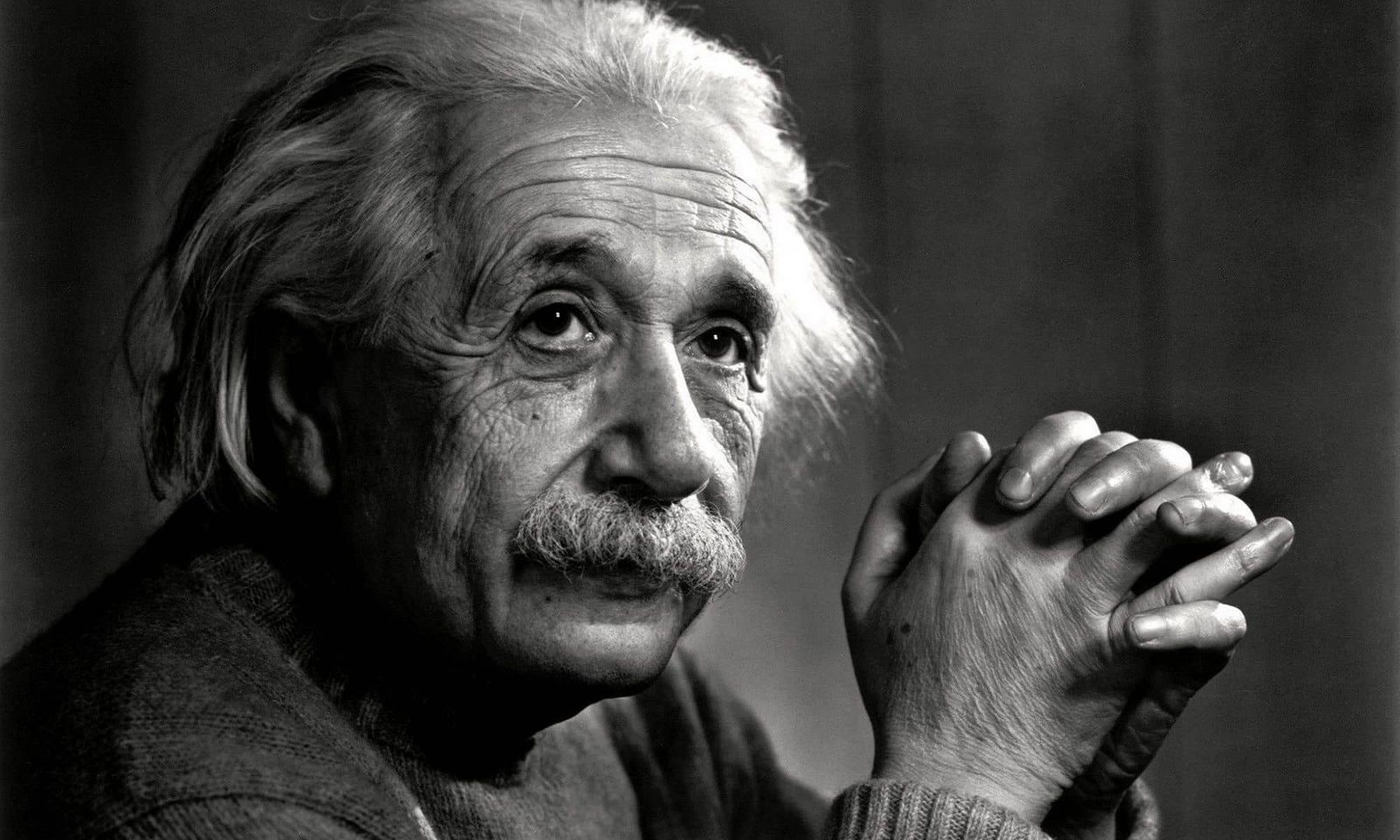
  • Albert Einstein

    Eccentric Geniuses

    The term “eccentric genius” embodies a distinct category of individuals whose thought processes and behaviors set them apart from conventional norms. Eccentric geniuses are characterized by an innovative blend of creativity, intelligence, and often peculiar behavioral traits. These individuals possess an extraordinary capacity for original thinking, allowing them to explore ideas and concepts that others may overlook. Their unconventional approach often leads to groundbreaking innovations and significant contributions in various domains, such as science, art, and literature.

    One defining characteristic of eccentric geniuses is their inherent curiosity coupled with a deep intellectual engagement. This curiosity drives them to question established paradigms and challenge societal expectations, which can manifest as unconventional habits or unique methods of working. For example, Albert Einstein, known for his revolutionary contributions to physics, also exhibited behaviors that many considered eccentric, such as his disregard for societal conventions in dress and lifestyle. These traits not only highlight his individuality but also underscore the link between his unique demeanor and his scientific breakthroughs.

    In the realm of arts, figures like Vincent van Gogh illustrate the connection between eccentricity and creativity. Van Gogh’s unconventional artistry, coupled with his emotional struggles, informed his expressionist style, ultimately redefining artistic norms of his time. Similarly, in literature, authors like James Joyce demonstrated unconventional narrative techniques and styles that continue to influence contemporary literature. These examples serve to exemplify how eccentric geniuses utilize their abnormal thought processes and behaviors to craft revolutionary ideas that challenge and reshape existing frameworks.

    In understanding eccentric genius, it becomes clear that their distinct attributes often serve more than an artistic or intellectual purpose; they pave the way for transformative ideas that can alter societal landscapes. Ultimately, the blend of creativity, intelligence, and eccentric behavior contributes immensely to the tapestry of human innovation.

    “Eccentricity has always abounded when and where strength of character has abounded; and the amount of eccentricity in a society has generally been proportional to the amount of genius, mental vigor, and moral courage which it contained. That so few now dare to be eccentric, marks the chief danger of the time.”

    – John Stuart Mill

    Famous Eccentric Geniuses Throughout History

    Throughout history, numerous individuals have exemplified the intersection of genius and eccentricity, profoundly impacting various fields.

    • Among them is Albert Einstein, renowned not just for his groundbreaking theories in physics, particularly the theory of relativity, but also for his unconventional lifestyle. Einstein’s distinctive dress sense, often adorned with mismatched clothing and unkempt hair, symbolized his disregard for societal norms. His eccentricity allowed his mind the freedom to explore abstract concepts, leading to revolutionary ideas that reshaped our understanding of light and gravity.
    • Nikola Tesla, another titan of innovation, is celebrated for his contributions to electrical engineering and energy. Tesla’s life was marked by daily rituals and habits that many considered odd; he often worked alone in dimly lit rooms, communicating with his inventions rather than people. His eccentric behavior, including an obsession with the number three and other idiosyncrasies, fueled his visionary ideas, such as alternating current and wireless communication, which paved the way for modern technology. Despite his brilliance, Tesla faced skepticism and financial struggles, illustrating the societal challenges that eccentric geniuses often encounter.
    • Furthermore, Virginia Woolf, a pioneering figure in modernist literature, showcased her eccentricity through her avant-garde narrative techniques and personal life. Woolf challenged literary conventions, producing seminal works that explored the complexities of human consciousness. Her unique perspective, often seen as unconventional, allowed her to express her insights on gender and society, yet she battled mental health issues that were exacerbated by the rigid societal expectations of her time. Woolf’s struggles and triumphs reflect the dual nature of eccentricity, serving as both a catalyst for creativity and a barrier to acceptance.
    • Salvador Dalí, the surrealist master, embodied eccentricity both in his art and his life. Known for his flamboyant mustache, pet ocelot, and theatrical public appearances, Dalí blurred the line between performance and personality. His “paranoiac-critical method” allowed him to tap into the subconscious, producing dreamlike paintings filled with melting clocks, distorted figures, and symbolic landscapes. Dalí’s eccentricity was not merely a quirk – it was a deliberate artistic strategy that challenged conventional perceptions of reality and redefined the boundaries of imagination.
    • Michelangelo, the Renaissance polymath, was equally known for his brilliance and his reclusive, often difficult temperament. Despite being celebrated as “Il Divino” (the Divine One) in his lifetime, Michelangelo lived a life of intense solitude and self-discipline. He wore old, tattered clothes, rarely bathed, and often slept in his studio beside his unfinished sculptures. His obsessive dedication to his craft and his disdain for social niceties set him apart from his peers. Michelangelo’s eccentricity was rooted in his relentless pursuit of artistic perfection, which produced masterpieces like the Sistine Chapel ceiling and the statue of David – works that continue to inspire awe centuries later.
    • Leonardo da Vinci, often hailed as the quintessential Renaissance genius, was as enigmatic in personality as he was brilliant in intellect. His notebooks – filled with mirror writing, anatomical sketches, and fantastical inventions – reveal a mind that never rested. Leonardo was known for his unconventional habits: he was a vegetarian in a meat-eating society, wore rose-colored tunics, and was described as both charming and aloof. He frequently abandoned commissions mid-project, distracted by his insatiable curiosity about everything from hydraulics to human anatomy. His eccentricity was not a hindrance but a reflection of his boundless imagination and refusal to conform. His genius lay in his ability to merge art and science, intuition and observation, producing works like The Last Supper and Mona Lisa that continue to captivate the world centuries later.

    These famous eccentric geniuses, through their distinctive approaches, demonstrate how unconventional methods can lead to significant contributions, reinforcing the idea that genius often exists outside the constraints of societal norms. Their legacies continue to inspire future generations to embrace their uniqueness while navigating the possible repercussions of their unconventional behaviors.

    The Relationship Between Eccentricity and Genius

    The connection between eccentricity and genius has intrigued philosophers, scientists, and cultural observers for centuries. From Aristotle’s famous assertion that “there is no great genius without some touch of madness” to modern psychological studies, the idea that extraordinary intellect often walks hand in hand with unconventional behavior remains a compelling narrative.

    Eccentric individuals frequently display behaviors that defy social norms, yet these deviations may reflect a deeper cognitive divergence. Rather than being mere quirks, such behaviors often signal a mind operating on a different wavelength – one that questions assumptions, explores abstract concepts, and perceives patterns invisible to others. This divergence can be a hallmark of genius, enabling breakthroughs in science, art, and philosophy.

    Historical accounts abound with examples of brilliant minds whose eccentricities were inseparable from their intellectual achievements. Leonardo da Vinci’s cryptic notebooks, Nikola Tesla’s obsessive rituals, and Emily Dickinson’s reclusive lifestyle all suggest that their genius was not in spite of their eccentricity, but perhaps because of it. These individuals embraced solitude, ritual, or odd habits not as affectations, but as necessary conditions for their mental clarity and creative insight.

    Psychological research supports this nuanced view. While early theories often linked genius with mental illness, more recent studies suggest that eccentricity and high intelligence may share cognitive traits such as divergent thinking, cognitive disinhibition, and openness to experience. These traits allow geniuses to process information differently, often noticing connections and possibilities that others overlook.

    However, society’s relationship with eccentric geniuses is ambivalent. While we celebrate historical figures for their brilliance, we often marginalize contemporary eccentrics, mistaking their nonconformity for instability. This tension reveals a broader discomfort with difference, even when that difference fuels innovation and progress. Ultimately, the relationship between eccentricity and genius is not one of causation but of correlation. Eccentricity may not guarantee genius, but it often accompanies it – serving as both a symptom and a catalyst of minds that dare to think beyond the ordinary.

    Embracing Eccentricity in Modern Society

    In contemporary society, eccentricity among individuals is often seen through a critical lens, leading to attempts to promote conformity. However, embracing this form of unconventionality is essential for fostering innovation and creativity, particularly in workplaces and educational environments. By encouraging diverse ways of thinking, organizations and institutions can cultivate a culture that values originality and enhances problem-solving capabilities.

    Firstly, it is crucial to recognize that eccentric thinkers present unique solutions to complex challenges, drawing from unconventional perspectives. These individuals are often unbound by traditional norms, allowing them to explore innovative avenues that others may overlook. By providing platforms for such thinkers, organizations can engage in brainstorming sessions that prioritize free thinking and outside-the-box concepts. This not only enhances creativity but also promotes a dynamic work environment where all contributions are valued.

    Moreover, fostering an inclusive atmosphere that welcomes different modes of ideas can significantly benefit educational settings. Schools and universities equipped to support eccentricity encourage students to express their identities, leading to a more involved and engaged learning community. By implementing project-based learning and interdisciplinary approaches, educators have the opportunity to cater to varying cognitive styles and inspire collaborative initiatives that highlight unique viewpoints.

    Organizations can further promote eccentricity through policies that focus on flexibility and autonomy. Implementing open-door policies, flexible work hours, and creative workshops allows employees to express their individuality freely. Additionally, training sessions aimed at enhancing emotional intelligence can facilitate better understanding and acceptance of differing thought processes. This cultivation of eccentricity results in enriched collaboration, where diverse ideas converge, leading to groundbreaking solutions.

    In conclusion, as modern society progresses, embracing eccentricity should be viewed as an asset rather than an anomaly. By fostering environments that support unconventional thinking, individuals and organizations can unlock a wealth of potential for innovative solutions and inclusive practices.

    What’s More

    The posts in My Blog feature reflective, story-driven pieces rooted in personal and societal insights.

    The topics in My Interests explore abstract, philosophical ideas and their cultural and societal impact.

  • Let’s Start Over

    Social Upheaval

    Social upheaval refers to a profound and often rapid change in the social structure or order of a society. This variety of change can be instigated by numerous factors, with the most notable being economic, political, or cultural forces. Such upheaval can manifest in various forms, including protests, revolutions, or significant shifts in social norms, leading to considerable transformations within the community and its governing frameworks.

    Social upheaval arises when deep-seated grievances – whether economic inequality, political repression, or social injustice – reach a breaking point. These moments of collective unrest are not merely chaotic interruptions, but catalysts for meaningful change. They force societies to confront systemic flaws and rethink the distribution of power and opportunity.

    While the outcomes may vary, the underlying impulse remains the same: A drive to reshape society in the image of fairness, dignity, and shared agency. The Historical Examples of Social Upheaval further down below offer compelling evidence of how these forces have shaped pivotal chapters in history and continue to inspire movements around the world. By studying them, we gain crucial insight into how societies evolve – and how change is often forged through disruption.

    These instances of social upheaval underscore the potential for change within societies, emphasizing how economic disparities or political oppression can catalyze collective action. As such transformations unfold, they can result in both progressive advancements and heightened challenges, illustrating the complex nature of societal evolution and the ongoing struggle for equity and justice. Understanding this concept is vital for analyzing current social dynamics and predicting future trends in society.

    Historical Examples of Social Upheaval

    Social upheaval has been a recurring theme in human history, often resulting in significant political, social, and cultural transformations. One of the most notable instances of social upheaval is the French Revolution, which began in 1789. This period was characterized by widespread discontent with monarchical rule, economic strife, and social inequality. The mounting frustration over excessive taxation, food scarcity, and the privileges of the aristocracy led to a fervent demand for change. The revolution catalyzed the rise of radical political ideologies and ultimately resulted in the establishment of a republic, profoundly altering the course of French society and influencing revolutions worldwide.

    Another seminal example of social upheaval is the Civil Rights Movement in the United States during the 1950s and 1960s. This movement sought to dismantle systemic racial segregation and discrimination against African Americans. Triggered by events such as the Montgomery Bus Boycott and the assassination of civil rights leader Martin Luther King Jr., the movement utilized nonviolent protests, legal challenges, and grassroots organizing to advocate for equal rights. The successful passage of landmark legislation, such as the Civil Rights Act of 1964, transformed American society by promoting racial equality and civil liberties, leaving an enduring legacy.

    In recent years, global protests have sparked discussions about social justice, equality, and governance. Movements such as Black Lives Matter, which emerged in response to police violence against Black individuals, have gained traction across various nations. These protests serve as a response to deeply entrenched societal issues, including systemic racism and economic inequality. They highlight the power of collective action in seeking accountability and reform. Notably, the COVID-19 pandemic has further intensified existing grievances, forcing societies to confront their systemic inequities. Such instances of social upheaval demonstrate the ongoing struggle for justice and equality, shaping contemporary discourse around human rights and governance.

    The Dark Side of Social Upheaval

    Social upheaval, while often driven by a desire for progress and justice, can lead to a multitude of negative outcomes that can have far-reaching consequences. One of the most alarming aspects of such movements is the potential for violence. Protests that begin as peaceful demonstrations can quickly escalate into riots, resulting in injuries, loss of life, and significant property damage. The anger and frustration of marginalized groups can spur some individuals to resort to violence, undermining the legitimacy of their grievances and shifting public perception against their causes.

    Beyond the immediate physical consequences, social upheaval can also precipitate economic instability. Widespread unrest can disrupt local businesses, discourage investment, and lead to fluctuating markets. The uncertainty that accompanies periods of unrest often results in reduced consumer spending and a withdrawal of capital from affected areas. This, in turn, can exacerbate pre-existing disparities in wealth and opportunity, leaving the very communities that seek change facing further hardship.

    Another concerning outcome of social upheaval is the breakdown of social norms. As communities grapple with conflict, established systems of behavior and governance can erode. Trust in institutions, including law enforcement and governmental bodies, may diminish, leading to a culture of fear and suspicion. This disorder can pave the way for an increase in criminal activities, as individuals feel compelled to take matters into their own hands due to a perceived lack of protection or support from authorities. While the initial spark of social upheaval may aim to correct injustices, the chaos that follows can create a cycle of violence and instability that affects millions, often far beyond the intended scope of the movement.

    Factors Contributing to Social Upheaval

    Zinn: A reinvigorated Labor Movement needed for Social Upheaval – by The Real News Network

    Social upheaval often emerges from a confluence of systemic issues, which serve as catalysts for widespread unrest. Inequality is one of the most significant factors that contribute to social disruption. Economic disparities create divides within society; when individuals perceive that they are marginalized and deprived of opportunities, frustration and resentment can build, frequently leading to protests and civil unrest.

    Such perceptions may be intensified by stark contrasts in wealth and quality of life among different demographic groups, fostering sentiments of injustice and creating an environment conducive to upheaval.

    Corruption is another notable factor that can provoke social upheaval. When individuals in power engage in corrupt practices, it undermines public trust in institutions and governing bodies. The erosion of trust amplifies feelings of disenfranchisement among the populace, particularly when citizens are aware of resources being misappropriated. When individuals feel that their concerns and grievances are ignored due to corrupt systems, they are more likely to take to the streets in demand of accountability and reform.

    Censorship plays a crucial role in fueling social unrest as well. In societies where free speech and the press are restricted, discontent can fester underground, with individuals becoming increasingly frustrated by their inability to express dissent or challenge authority. The suppression of information limits the public’s understanding of issues which, when revealed, can lead to sudden and intense reactions. Moreover, a lack of political representation exacerbates feelings of alienation; when certain groups are systematically excluded from the political process, their grievances may escalate. Addressing these multifaceted root causes – inequality, corruption, censorship, and lack of political representation – is essential for mitigating the risk of social upheaval and fostering a more equitable and stable society.

    The Role of Technology in Social Upheaval

    Technology plays a pivotal role in shaping social upheaval, influencing both the dynamics of protest movements and the dissemination of information. In recent years, social media platforms have emerged as powerful tools for individuals seeking to organize protests and raise awareness about pressing social issues. Activists can communicate instantly, mobilizing supporters and coordinating efforts across vast geographic areas. This interconnectedness has enabled marginalized voices to gain visibility, challenging entrenched power structures and creating a more inclusive dialogue around societal grievances.

    Furthermore, technology facilitates the rapid dissemination of information, empowering citizens to stay informed about current events and social issues. This enhanced access to information allows individuals to fact-check claims and share multiple perspectives, fostering a more informed public. For example, live streaming capabilities have allowed grassroots movements to broadcast their actions in real-time, attracting global attention and support. Such visibility can apply pressure on authorities to respond to the demands of the protesters, significantly impacting the progression of social change.

    In conclusion, while technology acts as a catalyst for social upheaval by enabling organization and communication, it also presents significant challenges that require careful consideration. Understanding the dual nature of technology’s influence is crucial for maximizing its positive aspects while mitigating its risks in the pursuit of social change.

    Managing Social Upheaval: Strategies and Solutions

    Effective management of social upheaval requires comprehensive strategies that prioritize conflict resolution and community engagement. Governments and societies can adopt a multifaceted approach that addresses underlying grievances while fostering a sense of inclusivity. One key strategy involves initiating dialogue initiatives aimed at bridging divides among different social groups. These conversations can create a space for marginalized voices to be heard and can help build trust between citizens and authorities.

    Additionally, implementing structured conflict resolution processes is crucial. This approach involves identifying root causes of discontent, facilitating negotiations, and reaching consensus among conflicting parties. By using neutral mediators, societies can work toward understanding diverse perspectives that fuel social tensions, reducing the potential for violence or unrest. Community engagement plays a critical role in managing social upheaval. By actively involving citizens in decision-making processes, governments can ensure that policies are reflective of the needs and aspirations of the populace. Public forums, town hall meetings, and participatory budgeting are effective tools for enhancing engagement and transparency. Such initiatives enable individuals to articulate their concerns, thereby mitigating feelings of disenfranchisement.

    Moreover, the implementation of inclusive policies is paramount. These policies should seek to address the root causes of inequality and discontent among various social groups. By prioritizing education, economic opportunities, and access to essential services, governments can work toward a more equitable society, ultimately reducing the likelihood of social unrest. In summary, managing social upheaval hinges on strategies that foster dialogue, engagement, and inclusiveness. By adopting conflict resolution frameworks and ensuring that all community members have a voice in governance, societies can build resilience against future challenges and promote stability. Such comprehensive approaches reflect a commitment to addressing grievances and nurturing social cohesion.

    Lessons Learned from Past Upheavals

    Social upheavals have been a persistent part of human history, offering valuable lessons that can guide contemporary society in addressing its own challenges. A pivotal lesson from historical events is the significance of context in shaping social movements. Understanding the socio-political environment that gives rise to dissatisfaction can help current leaders and citizens anticipate unrest and diffuse tension in its early stages. For example, examining the socio-economic factors that led to major upheavals, such as the French Revolution or the Civil Rights Movement, reveals the interplay between economic disenfranchisement and the demand for social justice.

    Moreover, a recurrent theme in these historical events is the role of communication and information dissemination. The effectiveness of social movements often hinges on the ability of activists to mobilize support and share their grievances. As seen in pivotal moments such as the Arab Spring, social media can play a double-edged role, amplifying voices while also enabling misinformation. Therefore, fostering critical media literacy among the populace becomes essential to mitigate potential escalations spurred by misunderstandings or miscommunication.

    Furthermore, the lessons from past upheavals highlight the importance of inclusive dialogue between stakeholders. Creating spaces for open discussion allows diverse perspectives to contribute to solutions, ultimately fostering resilience against potential conflicts. Historical cases demonstrate that regimes resistant to dialogue are often blindsided by sudden escalations in unrest. Hence, proactive engagement with citizens through participatory governance can strengthen societal fabric and build trust.

    In essence, by reflecting on historical social upheavals and understanding the multifaceted drivers behind them, current societies can cultivate proactive strategies. These strategies should prioritize context awareness, effective communication, and inclusive dialogue to better navigate today’s socio-political landscape and mitigate future upheaval risks.

    Long-term Effects of Social Upheaval

    Social upheaval often manifests through protests, revolutions, or significant public dissent, leading to profound changes in the fabric of Our Society. One notable long-term effect is the shift in governance structures. Many governments, under pressure from social movements, find themselves compelled to adopt reforms that are more aligned with the citizens’ demands. This can result in the inception of democratic governance in previously authoritarian regimes or a strengthening of democratic institutions. However, such changes can also polarize the political environment, leading to instability and ongoing conflicts as different factions vie for power.

    Another significant consequence of social upheaval is the alteration of societal norms and values. Protests often challenge existing ideologies and call for the reevaluation of social justice, equality, and human rights. As people rally around common goals, there’s a potential for a cultural shift that embraces diversity and inclusion. This transformation can lead to the normalization of previously marginalized identities and values, thereby enriching the cultural landscape. However, this process is not linear; resistance from established power structures may foster backlash, further complicating societal interactions.

    Furthermore, the economic landscape is frequently reshaped post-upheaval. Economic structures may need to adapt to new realities, prioritizing social welfare or sustainable practices over traditional profit-driven models. In some cases, social upheaval can displace traditional industries or force governments to intervene in the capitalist market to support disadvantaged populations. This can engender a rethinking of economic priorities, promoting more equitable distribution of resources. Nevertheless, the transition can also cause economic instability, as societies grapple with both immediate and long-term repercussions of their past conflicts.

    What’s More

    The posts in My Blog feature reflective, story-driven pieces rooted in personal and societal insights.

    The topics in My Interests explore abstract, philosophical ideas and their cultural and societal impact.

  • Paramount Justice

    Justice

    Justice is a multifaceted concept that encompasses legal, social, and ethical dimensions. At its core, it refers to the fair and impartial treatment of individuals, ensuring rights are upheld and wrongs addressed through consistent, transparent, and culturally informed processes. It serves as a foundational pillar for society, guiding human interaction, shaping governance, influencing laws, and reinforcing collective responsibility. Beyond legal enforcement, justice also reflects enduring moral principles that govern behavior within diverse, evolving, and interconnected communities.

    Within a legal context, justice involves the application of laws through courts and institutions, emphasizing due process, fair trials, and equal protection. Social justice, by contrast, is concerned with the equitable distribution of resources and opportunities, aiming to redress systemic inequalities. Ethical justice, meanwhile, relates to personal integrity and the moral reasoning behind actions, promoting fairness and accountability in decision-making. Together, these aspects highlight justice as a legal necessity and a moral and social imperative.

    A just and transparent legal system not only upholds the rule of law but also fosters long-term security, social equity, cooperative behavior, and civic engagement across diverse communities. When people consistently view their institutions as fair, responsive, and accountable, they are far more likely to trust them, resolve disputes peacefully, and actively contribute to lasting social cohesion. Conversely, perceived injustice – especially when rooted in systemic discrimination – can swiftly erode public trust, amplify social divisions, and fuel widespread, sustained unrest and institutional disillusionment.

    Policies that promote equity and provide access to legal recourse help address grievances and empower marginalized groups. In this sense, social stability requires more than the absence of conflict – it demands the presence of justice. A society rooted in fairness is more resilient and better equipped to navigate challenges, making justice an indispensable condition for lasting peace and unity.

    The Philosophical Foundations of Justice

    Justice has been a topic of profound philosophical inquiry for centuries, with thinkers from different eras offering insights that shape our understanding of moral principles and societal structures. Among the earliest proponents of justice is Plato, whose dialogues, particularly “The Republic,” lay the groundwork for a comprehensive theory of justice. For Plato, justice is an intrinsic virtue, a state of harmony where each individual fulfills their role within the society for overall good. He argues that this harmony reflects the ideal structure of the soul, where rationality governs desires, paralleling the organized governance of a well-functioning society.

    Aristotle, a student of Plato, further developed the notion of justice in his work “Nicomachean Ethics.” He introduces the concept of distributive and corrective justice, emphasizing fairness in both distribution of resources and rectification of wrongs. Aristotle posits that justice is not merely a legalistic framework but rather a virtue that ensures the common good and promotes social cohesion. His approach illuminates how justice serves as a foundational concept for ethics, operating as a principle that directs human behavior towards the common welfare.

    In modern discussions, John Rawls revitalizes the discourse surrounding justice with his seminal work, “A Theory of Justice.” Rawls articulates a framework known as “justice as fairness,” introducing the “original position” and the “veil of ignorance” as tools to conceive a just society. By positioning individuals behind a veil that obscures personal circumstances, Rawls argues that fair principles of justice can be established without bias. His theories highlight the interconnectedness of justice, morality, and social well-being, asserting that the structure of society must work to benefit the least advantaged individuals.

    This rich historical tapestry of thought illustrates that justice is not a static concept but rather a dynamic interplay of ethical considerations that continue to evolve. As we delve deeper into the complexities of justice, it becomes evident that its philosophical foundations are critical for understanding both individual moral responsibilities and broader societal obligations.

    Justice and Economic Equality

    The relationship between justice and economic equality is a critical aspect that underpins social cohesion and equitable development. Economic inequality often emerges as a significant barrier to justice, manifesting in various forms such as disparities in wealth distribution, access to resources, and opportunities for upward mobility. High levels of economic inequality can lead to social unrest, decreased trust in institutions, and a fragmented society, creating an environment where injustices thrive. It is essential to recognize that a fair economic system is not only a matter of fiscal policy but also a fundamental component of social justice.

    When economic disparities widen, the effects ripple through communities, leading to disenfranchisement and a sense of alienation among those who feel deprived of their rights. Individuals from marginalized socio-economic backgrounds often struggle to access quality education, healthcare, and employment opportunities, perpetuating a cycle of poverty that further entrenches inequality. Moreover, the lack of financial resources can inhibit political participation, limiting the voice of those affected by economic injustices. Thus, a just society must strive for economic equality, ensuring that every individual has equitable access to opportunities that foster personal and communal growth.

    This interconnectedness suggests that addressing economic inequality is fundamental for promoting justice. Policies aimed at redistributing wealth, such as progressive taxation, social welfare programs, and affordable education initiatives, serve as essential tools for enhancing economic equity. By investing in these areas, societies can empower individuals, broaden access to opportunities, and promote social mobility. Furthermore, fostering an inclusive economy also contributes to sustainable development, as equitable wealth distribution ensures that resources are utilized efficiently for the benefit of all. In this regard, economic equality emerges as a cornerstone of a just society, vital for achieving comprehensive social justice.

    The Role of Justice in Human Rights

    Justice serves as a foundational pillar in the realm of human rights, acting as the means through which fundamental freedoms and entitlements are upheld. The continuous pursuit of justice is crucial for maintaining human dignity, particularly for marginalized and vulnerable communities across the globe. Various international human rights frameworks, such as the Universal Declaration of Human Rights (UDHR) and the International Covenant on Civil and Political Rights (ICCPR), underscore this necessity. These instruments establish a global standard for the treatment of individuals, asserting that justice must be accessible and impartial, fostering an environment where everyone can enjoy their rights fully.

    The significance of justice extends beyond mere legalistic interpretations; it encompasses the ethical obligation of states to protect individuals from abuse and discrimination. When justice systems fail, historical grievances are exacerbated, and the repercussions are particularly felt by those already facing oppression. The lack of accountability for human rights violations can result in enduring cycles of violence, social unrest, and a general sense of disenfranchisement among affected communities. For instance, marginalized groups – including ethnic minorities, refugees, and those identifying as LGBTQ+ – often face systemic injustices that compromise their rights and lead to further marginalization.

    The integration of justice as a core principle within human rights advocacy fosters not only legal redress but also a nurturing societal framework that promotes equality. Furthermore, restorative justice approaches have emerged as essential in addressing past wrongs while aiming to rebuild trust within communities. By assuring that justice is not merely punitive but also restorative, societies can begin to reconcile with their histories and foster an inclusive atmosphere. Ultimately, the interdependence of justice and human rights signifies that without justice, the promise of universal human rights remains unfulfilled, necessitating persistent efforts towards its promotion and protection.

    Justice and Governance

    The relationship between justice and governance is profound and multifaceted. Effective governance serves as a framework that upholds the rule of law, ensuring that justice is not merely an abstract concept but a practical reality for citizens. The principle of the rule of law is foundational; it stipulates that laws apply equally to everyone, thereby preventing arbitrary governance. When laws are applied justly, individuals are more likely to trust public institutions and participate actively in democratic processes. Without this trust, governance becomes undermined, leading to instability and social unrest.

    Accountability is another crucial aspect that connects justice with governance. A just government is one that holds its officials accountable for their actions, thus fostering an environment where citizens can express grievances without fear of retaliation. This accountability can take various forms, including transparent decision-making processes and mechanisms for addressing corruption. When citizens perceive their government as accountable, they are more inclined to engage in civic activities, which strengthens the democratic fabric of society.

    Conversely, unjust governance has severe implications for public trust and participation. When a government fails to deliver justice, it breeds cynicism among the populace, significantly decreasing their willingness to participate in elections, community activities, or even basic civic duties. In such scenarios, the absence of justice can lead to a disengagement from democratic processes, which ultimately diminishes the effectiveness of governance and stifles social progress. Therefore, the interplay between justice and governance is essential for creating a society where individuals feel empowered to contribute meaningfully and where the principles of democracy flourish.

    “Injustice anywhere is a threat to justice everywhere.”

    – Martin Luther King Jr.

    Challenges to Achieving Justice

    The pursuit of justice is fraught with multiple challenges that pose significant barriers to its realization. One of the foremost obstacles is systemic inequality, which manifests in various forms, including economic disparities, racial discrimination, and social exclusion. These inequalities often lead to unequal treatment under the law, with marginalized groups frequently facing unjust hurdles in accessing legal protections and remedies. This unequal landscape can foster a widespread perception of injustice, leading to public disillusionment with the legal system.

    Another notable challenge in achieving justice is corruption within institutions tasked with upholding the rule of law. Instances of bribery, nepotism, and abuse of power can severely undermine the integrity of judicial systems and law enforcement agencies. Corruption erodes public trust and creates a culture of impunity, making it difficult for victims of injustice to seek redress. The presence of corrupt practices can not only derail individual cases but also contribute to a broader environment where justice becomes increasingly elusive.

    Cultural biases further complicate the landscape of justice. Societal norms and traditions can influence the perception of justice, often perpetuating discrimination against certain groups. These biases may affect the way laws are enacted, interpreted, and enforced, leading to outcomes that reflect underlying prejudices rather than equitable standards of justice. The persistence of stereotypes can contribute to victim-blaming, thereby inhibiting the acknowledgment of injustices faced by marginalized populations.

    The convergence of systemic inequality, corruption, and cultural biases demonstrates that the challenges to achieving justice are deeply intertwined and multifaceted. Addressing these obstacles requires comprehensive reforms and a commitment to fostering a culture of accountability, equity, and respect for human rights. A concerted effort is essential for societies striving towards a fair and just legal system that guarantees the rights and dignity of all individuals.

    What’s More

    The posts in My Blog feature reflective, story-driven pieces rooted in personal and societal insights.

    The topics in My Interests explore abstract, philosophical ideas and their cultural and societal impact.

  • Manga & Anime – Yellow Slayer

    Manga & Anime

    Defining Manga: The Art of Japanese Comics

    Manga, a distinctly Japanese form of comic art, has origins that date back to the early 12th century, although its modern incarnation began to flourish during the late 19th century. The term “manga” combines the characters “man” (meaning whimsical or free-flowing) and “ga” (meaning pictures), illustrating the playful and artistic nature of this medium. Characterized by its unique visual style, manga encompasses a wide range of genres and themes, appealing to diverse audiences. From action-adventure to romance and horror, its thematic versatility allows it to resonate with readers of all ages.

    The traditional format of manga is distinct, particularly in its reading direction, which flows from right to left. This format harkens back to its historical roots and aligns with the traditional Japanese writing system. Artists employ a variety of stylistic elements, including exaggerated facial expressions and dynamic panel layouts, which enhance storytelling and allow for a rich visual experience. Additionally, manga often utilizes techniques such as “screentone” for shading, further distinguishing its artistic presentation.

    Culturally, manga plays a significant role in Japan, penetrating various aspects of daily life and serving as a means of social commentary. It is not merely entertainment; it reflects societal issues, historical narratives, and cultural nuances. In recent decades, manga’s influence transcended borders, gaining international acclaim and fostering a growing global community of enthusiasts. The advent of the internet has further facilitated the accessibility of manga, allowing creators to reach diverse audiences. This rich tapestry of artistic expression continues to evolve, making manga a vibrant component of both Japanese and global pop culture.

    The World of Anime: Japanese Animation Unveiled

    Anime, a style of animation that originated in Japan, encompasses a wide range of genres and appeals to audiences of all ages. Unlike traditional Western animation, which has often been perceived as primarily for children, anime offers a diverse palette that includes themes of romance, horror, science fiction, and fantasy, ensuring that there is something for everyone. The rich narrative depth found in many anime series sets it apart as a unique form of storytelling, allowing for character development and complex plots that are often explored over extended episode runs.

    The historical background of anime can be traced back to the early 20th century, but it significantly gained global popularity in the 1980s and 1990s. Iconic works such as “Akira” and “Dragon Ball Z” played pivotal roles in shaping the cultural landscape of animation, contributing to the growth of a sizeable fanbase outside Japan. Over the decades, anime has evolved, reflecting changes in societal attitudes and technological advancements. The distinct art style often characterized by vibrant colors, exaggerated facial expressions, and detail-oriented backgrounds enhances the emotional impact of the stories being told.

    In terms of production, anime employs unique techniques involving both hand-drawn and computer-generated elements, which together create visually stunning sequences. The voice acting (known as seiyuu in Japanese) plays a crucial role in how characters are perceived, significantly contributing to the viewer’s connection to the narrative. Additionally, music and sound design are essential components that further elevate the emotional experience, with opening and closing themes often becoming instant classics. As the global audience for anime continues to grow, its cultural significance and artistry remain a subject of fascination and analysis.

    Manga vs. Anime: The Key Differences and Similarities

    Manga and anime, while closely related, represent two distinct forms of storytelling that differ in various aspects, including narrative structure, visual style, and pacing. Manga, typically published in black and white, relies heavily on detailed illustrations and the reader’s imagination to convey emotions and plot developments. The static nature of manga allows for an in-depth exploration of character thoughts and backgrounds, providing a more nuanced understanding of the storyline. In contrast, anime brings these narratives to life through motion, voice acting, and sound, which can enhance emotional moments but may also alter or simplify complex plotlines from their source material.

    One significant difference between the two mediums is pacing. Manga usually has a slower narrative flow, as readers can linger on panels, allowing for reflection and deeper engagement with the material. Anime, constrained by episode duration, often condenses or modifies story arcs to fit the runtime, which can lead to the omission of secondary characters or scenes that were pivotal in the manga. This can sometimes change character development or alter thematic elements, depending on the direction taken by the animators or scriptwriters. For instance, adaptations like “Death Note” and “Attack on Titan” illustrate both the fidelity and divergence common in adaptations, as they strive to deliver captivating stories while dealing with the limitations inherent in the animation format.

    Furthermore, while both formats are rooted in Japanese culture, the audience for each may vary. Manga often attracts dedicated readers who appreciate the artistic intent and intricate details of storytelling. Anime appeals to a broader demographic, including those who may not engage with printed materials regularly. Despite these differences, the two mediums can complement each other, creating a rich cultural tapestry that continues to engage fans worldwide. Both forms have their unique strengths, making them invaluable in the realm of storytelling.

    What is Anime and Manga? – by Wondered?

    Animanga – A unique Blend of Anime and Manga

    This term is used when fans are discussing both anime and manga simultaneously, especially when they are closely related, like when an anime is based on a manga or vice versa. So, Animanga represents a unique blend of anime and manga, two distinct forms of Japanese entertainment. While anime refers to animated works, manga is the printed or illustrated counterpart. The convergence of these two mediums has given rise to a vibrant culture that resonates with fans across the globe.

    The popularity of animanga can be attributed to its diverse storytelling and captivating visuals. Fans are drawn to the narratives that explore various themes, from adventure and fantasy to romance and horror. The combination of colorful animation and detailed illustrations allows for a richer storytelling experience, making it an appealing choice for many.

    Engaging with the animanga community can enhance the experience for fans. Online forums, social media groups, and conventions provide platforms for fans to connect, share their passion, and discuss their favorite series. Whether you are an avid follower or a newcomer, joining these communities can lead to discovering new series and meeting like-minded individuals who share your interests.

    Cultural Impact and Global Influence

    Manga and anime have made significant strides beyond their origins in Japan, increasingly shaping global pop culture across various media. Their influence can be traced through an array of entertainment trends, including television, film, and video games. As a compelling storytelling medium, manga often serves as the source material for popular anime adaptations, capturing audiences worldwide. The storylines, themes, and art styles present in manga appeal to diverse demographic groups, making them not only a source of entertainment but also a catalyst for new creative endeavors.

    The crossover of manga and anime into international markets has fostered a unique community of fans, sparking interest in Japanese culture and art forms. Conventions celebrating these art forms attract thousands of attendees, showcasing everything from newly released titles to innovative fan art. These gatherings allow enthusiasts to share their passions, participate in panels, and engage in cosplay, where attendees dress as their favorite characters from various series. Such events highlight the vibrant nature of the manga and anime fandom, wherein fans actively contribute to the growth and appreciation of these art forms.

    Moreover, the influence of manga and anime extends to supporting artists and creators around the globe, inspiring them to explore new themes and styles. Elements from these narratives can be seen in Western animation and comics, which often adopt the distinctive visual aesthetics and storytelling techniques popularized by manga. Video game developers, too, frequently incorporate anime-style graphics and narrative depth, appealing to the vast audience familiar with this vibrant art form. Thus, it is evident that manga and anime not only impact domestic entertainment but also significantly contribute to a global cultural exchange, fostering understanding and admiration between diverse communities.

    In 2021, the Association of Japanese Animations valued the country’s anime market at $19.2 billion. Precedence Research, a research company for market insights, projects that the anime market will increase from $24.5 billion to $47.14 billion by 2028.

    What’s More

    The posts in My Blog feature reflective, story-driven pieces rooted in personal and societal insights.

    The topics in My Interests explore abstract, philosophical ideas and their cultural and societal impact.

  • The Hell Of The Boiling Cauldron

    Karmic Debt

    Karmic debt is a concept that originates from the spiritual principles found predominantly in Hinduism and Buddhism. It refers to the idea that our actions – both good and bad – carry consequences that can extend beyond our current lifetime. The foundational principle behind karmic debt lies in the law of karma, which asserts that every action generates a corresponding response, shaping the soul’s journey over multiple lifetimes. This cycle of cause and effect creates a balance that affects our current conditions and relationships.

    The term traces back to ancient texts, such as the Vedas and Buddhist teachings, where unresolved actions and moral imbalances create a spiritual burden. Rather than a financial obligation, karmic debt represents emotional and ethical lessons that must be addressed for personal growth and enlightenment. Karmic debt often appears through recurring life patterns – strained relationships, personal hardships, or cycles of betrayal. Recognizing these signals helps individuals make conscious choices, break negative cycles, and cultivate virtue in their actions. By acknowledging karmic debt, one can embrace introspection and transformation, striving for ethical living, balance, and wisdom. Addressing these debts can lead to profound personal growth and a more harmonious existence.

    Signs You May Be Experiencing Karmic Debt

    Karmic debt manifests in various ways, often presenting as emotional patterns or challenges that appear repeatedly throughout an individual’s life. Understanding these signs can provide clarity on unresolved karmic issues.

    • One common indicator is the presence of persistent emotional distress or patterns of negative behaviors that seem to be unshakeable. For instance, if one frequently finds themselves in tumultuous relationships or struggles with feelings of guilt and shame, it may be a signal that karmic debts are in play.
    • Another sign of experiencing karmic debt is the occurrence of repeating life lessons. These are lessons that individuals find themselves revisiting, often without realizing why they are doing so. Perhaps someone continually faces similar obstacles in their career, despite their efforts to change directions – these repeated challenges suggest underlying karma that has yet to be resolved. The need to learn certain life lessons can be what drives individuals to encounter the same experiences time and again, hinting at deeper karmic issues that require attention.
    • Additionally, if one faces challenges that arise without a clear rationale or explanation, this too may indicate karmic debt. These obstacles may seem unreasonable or disproportionate to the effort made to overcome them, leading to a sense of frustration and helplessness. Such challenges can include financial difficulties, chronic health problems, or emotionally charged conflicts with others. When individuals notice these unexplained difficulties, it becomes essential to explore the possible karmic roots behind them.

    How to Clear Karmic Debt

    Clearing karmic debt is a vital process for achieving spiritual balance and fostering personal growth.

    Several actionable steps can be taken to address this debt, thereby promoting positive transformation in one’s life.

    • A primary method for clearing karmic debt is the practice of forgiveness. This involves not only forgiving others for past grievances but also extending that forgiveness to oneself. By releasing resentment and anger, individuals can lift heavy burdens from their spirits. Engaging in forgiveness helps to restore harmony and mend spiritual connections, which is essential in clearing karmic energy.
    • Mindfulness is another powerful tool in this journey. Practicing mindfulness encourages individuals to remain present and aware of their thoughts, emotions, and actions. This awareness enables one to identify patterns that may contribute to karmic debt. Techniques such as meditation and journaling can enhance self-reflection, allowing individuals to evaluate their past decisions critically. When individuals recognize the sources of their karmic imbalances, they are better equipped to take corrective action.
    • Acts of service are an effective way to create positive karma, which counteracts any negative forces stemming from past actions. Volunteering one’s time or resources can generate goodwill, contributing to a cycle of positivity and upliftment in their community. Such altruistic behavior not only benefits others but also fosters a sense of purpose and fulfillment in the individual. Introducing these practices into daily life, whether through small acts of kindness or major volunteer efforts, significantly contributes to the cultivation of favorable karma.

    Ultimately, making amends is crucial in this process. Whether through direct communication or more symbolic gestures, acknowledging past mistakes creates a pathway for healing and the rebalancing of energies. By integrating forgiveness, mindfulness, self-reflection, and acts of service, individuals can progressively work towards clearing their karmic debt, leading to a more harmonious and fulfilling existence.

    The Role in Personal Development

    Karmic debt is often perceived as a negative aspect of one’s life, a concept deeply rooted in the principles of karma that suggests previous actions contribute to current life circumstances. However, understanding and addressing karmic debt can serve as a pivotal catalyst for personal development. Rather than viewing it solely as a burden, individuals can learn to consider karmic debt as an integral part of their spiritual voyage, providing opportunities for profound self-discovery and emotional healing.

    When individuals actively engage with their karmic debt, they cultivate a heightened sense of self-awareness. This introspection involves examining past actions and their repercussions, ultimately allowing one to identify recurring patterns in behavior that may hinder personal growth. By recognizing these patterns, individuals gain the ability to make conscious choices that foster positive change, rather than remaining trapped in cycles of negative behavior.

    Emotional healing is another critical aspect linked to the journey of addressing karmic debt. The acknowledgment of past wrongdoings – whether towards oneself or others – can be a transformative process. Individuals often find that confronting unresolved emotions allows for catharsis, leading to a reduction in internal conflict. This healing facilitates a more compassionate outlook towards oneself and others, paving the way for stronger relationships and a more positive engagement with the world.

    Moreover, the exploration of karmic debt can be instrumental in promoting spiritual growth. By actively working through past experiences and their implications on one’s current life, individuals often experience enlightenment that is deeply rooted in empathy and understanding. This path encourages individuals to embrace life’s challenges, viewing them as essential lessons rather than mere hurdles. Thus, transforming karmic debt into a source of wisdom can ultimately lead to a more balanced, fulfilling life.

    Implications of Karmic Debt in Different Cultures

    Each culture offers a unique lens on karmic debt, but the common thread is the belief in moral cause and effect – whether through reincarnation, spiritual purification, or divine justice.

    • Hinduism and Buddhism: In Hinduism and Buddhism, karmic debt is deeply tied to the law of karma – the idea that actions in past lives influence one’s current circumstances. It is believed that unresolved karma must be balanced through good deeds, spiritual practices, or even reincarnation cycles to achieve enlightenment.
    • Jainism: Jainism takes a unique approach, viewing karma as a physical substance that attaches to the soul. Karmic debt must be purified through strict ethical living, non-violence, and ascetic practices to attain liberation (moksha).
    • Western Spirituality: In modern Western spirituality, karmic debt is often interpreted as emotional or psychological baggage carried from past experiences. Many believe that patterns of hardship or repeated life challenges stem from unresolved karmic lessons, which can be cleared through self-awareness, forgiveness, and personal transformation.
    • Christianity and Islam: While Christianity and Islam do not explicitly reference karmic debt, they emphasize moral accountability and divine justice. Actions in life are believed to have consequences, either in the form of divine reward or punishment, shaping one’s fate in the afterlife.
    • Ancient Egyptian Beliefs: Egyptians believed in Ma’at, the principle of truth, balance, and order. In the afterlife, one’s heart was weighed against Ma’at’s feather – if it was heavy with wrongdoing, consequences followed. This moral cause-and-effect system closely resembles karmic debt in other traditions.
    • Indigenous Traditions: Many indigenous cultures embrace the idea of spiritual balance, where actions affect not only the individual but also the community and environment. Some traditions believe in ancestral karma, where the deeds of past generations influence the present.

    What’s More

    The posts in My Blog feature reflective, story-driven pieces rooted in personal and societal insights.

    The topics in My Interests explore abstract, philosophical ideas and their cultural and societal impact.

  • The Great Wheel of Rebirth

    Shaping Your Path

    Understanding Destiny and Fate

    Destiny and fate are often used interchangeably, but they offer distinct perspectives on life’s path. Destiny refers to a predetermined course, sometimes seen as influenced by choices. Fate, on the other hand, implies inevitable events shaping an individual’s journey. Cultural interpretations of destiny and fate vary widely. Eastern philosophies like Hinduism and Buddhism link destiny with karma, suggesting that one’s actions influence their future. Western narratives often frame fate as a force to be challenged or accepted, shaping the way individuals understand their experiences.

    • Destiny: A predetermined path or course of events, sometimes seen as a specific type of fate. It can be viewed as something that is already set in stone, or a more malleable process shaped by our choices. 
    • Fate: A predetermined or unavoidable course of events, often seen as something external that influences our lives. 
    • Karma: The belief that actions, whether good or bad, have consequences that influence future experiences. This can be seen as a force that helps shape our destiny or fate. 
    • Free Will: The capacity to make choices and take actions independently, influencing one’s own destiny. 
    • Luck: A variable factor of chance or fortune, sometimes seen as a more subjective aspect of destiny. 

    The Role of Free Will

    Free will plays a critical role in shaping our experiences and defining our personal journeys through life. It represents the capacity of individuals to make choices independently, steering them toward paths that may be predetermined by destiny or fate. The debate surrounding free will extends to philosophical, psychological, and even theological discussions, with arguments both supporting and opposing its existence. On one hand, proponents of free will assert that individuals possess the autonomy needed to act independent of external influences. This belief empowers individuals to take responsibility for their choices and shapes their own realities.

    Conversely, critics argue that free will is an illusion, asserting that our decisions are influenced by biological predispositions, societal pressures, and various other factors that limit genuine autonomy. This perspective suggests that while individuals may feel they are making choices, these are often constrained by circumstances beyond their control. The interaction between free will, destiny, and fate becomes a focal point in understanding our life trajectories. Some individuals believe that their life’s path is preordained, while others contend that they can alter their course through conscious decision-making.

    Real-life examples illustrate how individuals exercise their free will to carve out unique paths. For instance, an individual from a challenging background may choose to pursue higher education, thereby reshaping their life narrative despite prior limitations. Additionally, research indicates that the psychological impact of believing in free will can significantly enhance one’s sense of empowerment and control over their destiny, leading to greater satisfaction and well-being. Ultimately, the acknowledgment of free will not only informs our understanding of personal agency but also fosters resilience in the face of life’s uncertainties.

    The Interplay of Luck and Karma

    The concepts of luck and karma have long been subjects of contemplation in philosophical and spiritual discussions. Luck, often seen as the influence of chance events in our lives, dictates that sometimes, circumstances beyond our control can lead to outcomes we never anticipated. This randomness suggests that, despite our best efforts, the trajectory of our lives can change dramatically due to unforeseen factors. For instance, a sudden job offer or winning the lottery can transform an individual’s financial and social standing overnight, demonstrating how mere chance can redirect life paths significantly.

    Conversely, karma introduces an element of moral accountability into our life choices. Rooted in the belief that every action has consequences, karma suggests that the decisions we make and the deeds we perform will ultimately shape our future experiences. Thus, while luck may present an opportunity, it is our karma – the cumulative effect of our actions – that determines how we navigate these opportunities. For example, a person who consistently engages in altruistic behavior may find significant help from unexpected quarters when in need, illustrating how their positive actions create a cycle of beneficial karma.

    The relationship between luck and karma can be viewed as complementary. An individual may experience a stroke of luck, such as an unexpected promotion or chance meeting with a mentor, but it is often their prior actions or good karma that prepare them to capitalize on these fortunate breaks. Real-life scenarios abound to highlight this interplay; a struggling artist may fortuitously discover an influential patron, but their dedication and hard work undoubtedly lay the groundwork for such an encounter. Thus, while luck can indeed alter the course of our lives, it is karma that ensures we are equipped to harness these moments. Understanding the delicate balance between luck and karma offers profound insights into how life’s journey unfolds.

    Shaping One’s Path: Finding Balance

    In the exploration of life’s complexities, individuals often grapple with the interplay between destiny, free will, luck, and karma. Each of these elements contributes to the unique narrative of an individual’s life, presenting both challenges and opportunities for personal development. To successfully navigate life’s journey, it is essential to strike a balance among these forces.

    Understanding fate – often perceived as a predetermined script – can evoke feelings of resignation. However, it is crucial to recognize that free will allows for conscious decision-making, fundamentally altering one’s trajectory. By exercising free will, individuals can make choices that align with their values and aspirations, thereby actively participating in shaping their destiny. This active participation fosters a sense of agency, empowering individuals to cultivate the life they envision.

    Luck, with its unpredictable nature, can significantly influence life events. While one cannot control when or how luck may strike, cultivating a mindset conducive to recognizing and seizing such moments can enhance opportunities for growth and success. Equally, the principle of karma emphasizes the impact of one’s actions on future circumstances. Practicing mindfulness and ethical decision-making fosters positive karma, creating a ripple effect of beneficial outcomes. Engaging in self-reflection serves as a tool for assessing one’s actions and intentions, promoting personal accountability and growth.

    To find balance, individuals may consider several practical strategies. Establishing clear goals allows for focused efforts while remaining open to the unpredictable elements of life. Developing resilience becomes crucial in adapting to unforeseen challenges. Furthermore, fostering a supportive network can provide encouragement and alternative perspectives, enriching one’s journey. Embracing the inherent uncertainties of life while maintaining an active role in shaping one’s path leads to a fulfilling and balanced existence.

    Embracing Uncertainty: The Role of Adaptability

    In navigating the intricate web of destiny, fate, free will, luck, and karma, one overlooked yet crucial element is adaptability. Life rarely unfolds in a straight path, and its unexpected twists not only shape our circumstances but also reshape our identity. Who we are is not fixed – it is continuously molded by experiences, choices, and challenges. Whether one believes in a predetermined fate or the autonomy of free will, adaptability is the bridge between what happens to us and how we define ourselves in response.

    More than just a survival mechanism, adaptability reinforces personal growth and self-awareness leading to Self-Identitiy. It allows individuals to see obstacles not as roadblocks but as defining moments that refine their sense of self. Some of history’s most influential figures succeeded not merely because of talent or luck but because of their ability to pivot and embrace change. While karma may influence the consequences of past actions and luck may present opportunities, adaptability ensures that we are mentally and emotionally prepared to navigate both, continuously evolving in the process.

    Ultimately, embracing change is not just about shaping one’s path but shaping one’s identity. Every transformation – whether initiated by choice or circumstance – offers a chance for self-reinvention, growth, and resilience. Recognizing this empowers individuals to approach uncertainty with confidence, knowing that adaptability is not merely about responding to life but about defining who we become through it. Embracing change fosters new perspectives, deeper understanding, and a willingness to step outside comfort zones, opening doors to opportunities that shape not only our future but our sense of self.

    What’s More

    The posts in My Blog feature reflective, story-driven pieces rooted in personal and societal insights.

    The topics in My Interests explore abstract, philosophical ideas and their cultural and societal impact.

  • Yellow Umbrella

    Anomalies

    Anomalies can be defined as deviations from the norm or expected patterns within a given context. They are often considered significant because they challenge established frameworks and assumptions, prompting deeper investigation and analysis. Anomalies are identifiable across various disciplines, including science, sociology, and philosophy, each field interpreting these deviations according to its own principles and methodologies.

    • In the realm of science, anomalies are commonly recognized as phenomena that do not fit within established scientific theories or models. For instance, the discovery of the planet Uranus revealed irregularities in its orbit, which eventually led to the discovery of Neptune. Such natural anomalies stimulate scientific inquiry, guiding researchers to refine existing theories or to consider new ones.
    • Statistical anomalies, on the other hand, refer to outliers in data sets that may indicate errors or unique occurrences. For example, in a study of human heights, a person towering significantly taller than the average height could be considered a statistical anomaly.
    • Sociological anomalies pertain to behaviors or beliefs that diverge from societal norms. An illustrative example is the phenomenon of deviance, where certain actions or lifestyles do not conform to the prevailing social expectations. Such anomalies can provoke discussions about cultural values, societal structure, and the dynamics of change.
    • Similarly, existential anomalies challenge traditional philosophical views on existence itself. For instance, the concept of consciousness raises questions about the nature of reality and individual experience, leading to extensive philosophical debates regarding the essence of existence.

    In summary, anomalies are essential for advancing knowledge across various fields. They highlight gaps in existing frameworks and encourage critical thinking beyond conventional boundaries. By challenging assumptions and sparking curiosity, anomalies drive innovation, inspire new theories, and lead to groundbreaking discoveries. Their presence not only reshapes disciplines but also broadens our understanding of the complexities of the universe and human experience.

    The Anomaly of Existence: A Philosophical Inquiry

    The anomaly of existence is a timeless philosophical question: why is there something rather than nothing? This inquiry spans existentialism and metaphysics, offering diverse perspectives on the nature and meaning of existence.

    Existentialists like Jean-Paul Sartre and Martin Heidegger argue that humans are born without inherent purpose, tasked with defining their essence through choices. Meanwhile, metaphysical thinkers such as René Descartes and Gottfried Wilhelm Leibniz explore the origins of reality. Leibniz’s famous question, “Why is there something rather than nothing?” sparks interpretations ranging from divine creation to Quantum Physics, where theories like quantum fluctuations suggest that reality may emerge spontaneously from the void.

    This philosophical exploration has profound implications, leading individuals to confront existential dread and the search for meaning. It shapes cultural and spiritual practices while prompting reflection on mortality, identity, and the essence of existence in an ever-evolving universe.

    Anomalies in Nature: Challenging Scientific Paradigms

    Throughout history, anomalies in nature have challenged scientific paradigms, exposing gaps in our understanding and driving discoveries across physics, geology, and biology. Whether in deep-space phenomena, biological mutations, or geological shifts, these irregularities defy conventional wisdom, often leading to groundbreaking scientific advancements.

    Anomalies in the Universe. Immersion in Deep Space – by Kosmo
    • In physics, quantum entanglement defied classical theories, revealing an interconnectedness between particles that Einstein called “spooky action at a distance.” This discovery has advanced quantum mechanics, computing, and secure communication.
    • Geological anomalies like the Great Unconformity reveal unexplained gaps in Earth’s rock record, prompting reassessments of crust history and environmental shifts.
    • Biology presents similar anomalies, such as Extremophiles *) – organisms thriving in deep-sea vents and other harsh environments. Their adaptability redefined life’s parameters, suggesting extraterrestrial possibilities.

    *) = While nature generally follows predictable evolutionary paths, some species defy expectations entirely. Take the Axolotl, a salamander that retains its juvenile features throughout adulthood – an anomaly known as neoteny. Similarly, the Tardigrade, a microscopic organism, can survive extreme radiation, deep-space exposure, and temperatures near absolute zero. These biological anomalies challenge traditional understandings of adaptation, raising questions about genetic mutations, environmental pressures, and the boundaries of life itself.

    Rather than dismissing anomalies, scientists recognize their role in challenging models and inspiring groundbreaking research, expanding our collective understanding of the universe. These unexpected discoveries often pave the way for new theories, transforming how we perceive reality and its underlying principles.

    Anomalies in Perception: The Mind’s Hidden Patterns

    Perception is often taken for granted as a reliable means of experiencing reality, yet anomalies in perception remind us that our senses can deceive, distort, and mislead in unexpected ways. These peculiar deviations challenge conventional understanding and offer insight into the complexities of human cognition and consciousness.

    • Time Perception Anomalies
      • Our perception of time is not absolute – it can expand, contract, and warp depending on circumstances. Psychological studies show that time slows down during moments of crisis, accelerates during enjoyable activities, and can even seem to stop entirely in meditative states. Such anomalies provoke philosophical debates on the nature of time itself.
    • Optical and Auditory Illusions
      • One of the most common forms of perceptual anomalies is optical Illusions of Reality – visual phenomena where the brain interprets images in ways that contradict reality. These illusions highlight the brain’s tendency to fill gaps, impose patterns, or misjudge depth and motion. Similarly, auditory illusions reveal how sound can be perceived incorrectly, such as in the case of the McGurk Effect, where what we hear is influenced by what we see.
    • Synesthesia: The Blending of Senses
      • Synesthesia is a rare neurological anomaly where individuals experience a cross-wiring of sensory perception. A person with synesthesia might “see” sounds as colors, “taste” words, or “feel” music as physical sensations. This phenomenon disrupts conventional sensory boundaries, illustrating the brain’s remarkable capacity for unconventional processing.
    • Reality Distortions: Hallucinations & Dreams
      • Hallucinations, whether induced by neurological conditions, psychedelics, or extreme deprivation, represent significant deviations in perception. Similarly, dreams immerse us in vivid, surreal experiences that sometimes feel indistinguishable from waking reality. These anomalies raise deeper questions about the mind’s ability to construct alternate realities.
    • AI & Perceptual Anomalies
      • With advancements in Artificial Intelligence, machines are beginning to exhibit perception – like anomalies – misinterpreting images, generating unexpected patterns, or producing surreal outputs that resemble human illusions. These digital distortions further blur the boundary between organic and artificial cognition.

    Cultural Anomalies: Society and the Unexpected

    Cultural anomalies reflect the complexities of human societies, challenging norms and reshaping cultural landscapes. Manifesting in art, fashion, language, and social movements, these unexpected shifts highlight the fluid nature of identity and provide valuable insights into the human experience.

    One way cultural anomalies influence society is by exposing contradictions within norms. Subcultures emerge in response to mainstream pressures, embracing values and aesthetics that defy tradition. Movements like punk exemplify how deviation from standards can drive cultural change, sparking discussions about wealth, power, and privilege.

    Beyond cultural shifts, anomalies can serve as catalysts for social change, fueling advocacy for equality, justice, and personal freedoms. Trends like body positivity and gender diversity challenge conventional perceptions, prompting society to rethink and reshape its values. By exploring cultural anomalies, we gain a deeper understanding of evolving human behavior and its broader societal impact.

    What’s More

    The posts in My Blog feature reflective, story-driven pieces rooted in personal and societal insights.

    The topics in My Interests explore abstract, philosophical ideas and their cultural and societal impact.

  • Chasy Chelovek Syurrealizm

    Surrealism

    Surrealism emerged in the early 20th century as a cultural movement focused on the unconscious mind, dreamlike scenarios, and alternate realities. As an artistic and literary philosophy, it challenged rationalism and traditional norms, promoting a new way of thinking. The movement is largely credited to André Breton, whose Surrealist Manifesto (1924) established its core principles.

    Born from the disillusionment following World War I, surrealism evolved from the Dada movement *), which rejected logic and embraced chaos. Unlike Dada, surrealism sought a more constructive approach, using dreams and imagination to create new forms of expression. Influences from Sigmund Freud’s theories of the unconscious shaped surrealist thought, encouraging deeper exploration into human experience.

    *) = Dada was an art movement formed during the First World War in Zurich, Switzerland in negative reaction to the horrors and folly of the war. This avant-garde movement is characterized by its playful, often nonsensical approach, questioning the very essence of what art could be. Dadaists embraced spontaneity, chance, and irrationality in their work. They rejected traditional aesthetic values and introduced innovative forms of expression, including collage, photomontage, and readymades.

    The impact of the Dada movement is profound, influencing subsequent art movements such as Surrealism and Pop Art. It paved the way for contemporary artistic practices, encouraging freedom of expression and the exploration of unconventional materials. Dada challenged artists to think critically about the meaning and purpose of art, inspiring generations to break away from tradition and embrace innovation.

    Key figures like Salvador Dalí, Max Ernst, and René Magritte expanded surrealism beyond visual arts into literature, film, and theater. Their work, featuring bizarre imagery and striking juxtapositions, provoked thought and emotional reactions. Over time, surrealism has influenced broader cultural movements, continuing to shape discussions around identity, reality, and human perception.

    The Surrealism Timeline

    Surrealism has undergone a fascinating transformation from its rebellious beginnings to its lasting impact on contemporary art and culture, continually evolving to challenge perceptions and inspire new forms of creative expression:

    • 1916-1924: Dada’s Influence
      • The Dada movement, with artists like Marcel Duchamp, challenges traditional artistic norms.
      • André Breton publishes the Surrealist Manifesto in 1924, marking the official birth of surrealism.
    • 1925-1939: Surrealism’s Expansion
      • Salvador Dalí, René Magritte, and Max Ernst revolutionize surrealist imagery.
      • Surrealism moves beyond painting into literature, film, and philosophy.
      • The movement spreads across Europe and beyond, influencing writers like Paul Éluard.
    • 1940s: Surrealism in a Post-War World
      • WWII forces surrealist artists into exile, spreading surrealism to America.
      • Surrealist ideas infiltrate Hollywood, inspiring films with dreamlike sequences.
      • The movement evolves in response to existentialist thought and psychological studies.
    • 1950s-1970s: Pop Culture & Counterculture
      • Surrealist themes emerge in psychedelic art, music, and underground cinema.
      • Filmmakers like Luis Buñuel push surrealism into provocative new territory.
      • Surrealism continues to influence advertising, fashion, and graphic design.
    • 1980s-Present: Digital & AI-Driven Surrealism
      • Surrealism finds a new life in digital art, CGI, and virtual reality.
      • AI-generated surrealist imagery challenges traditional artistic boundaries.
      • Contemporary artists blend surrealist ideas with modern storytelling, keeping the movement alive.

    In Literature and Philosophy

    Surrealism has profoundly shaped literature, infusing texts with emotional depth and unconventional creativity. Emerging in the early 20th century, it explores dreams, the unconscious, and the irrational, with key figures like André Breton, Paul Éluard, and Robert Desnos leading the movement. Breton’s Manifesto of Surrealism championed spontaneous thought, rejecting constraints of logic and convention.

    Surrealist literature is defined by its dreamlike narratives, non-linear storytelling, and embrace of absurdity. It challenges traditional notions of reality by delving into the human psyche, intertwining with philosophical themes like dream analysis and existential inquiry. Writers use surreal imagery and fragmented plots to examine identity and perception, with Kafka’s works reflecting surrealist ideas of isolation and absurdity.

    Beyond literary aesthetics, surrealism has sparked deeper discussions on consciousness and cultural narratives, continuing to inspire contemporary literature and philosophy. Its influence persists, shaping artistic expression and encouraging exploration of the unknown. By challenging conventional storytelling, surrealism remains a vital force in modern literature, evoking emotion, questioning reality, and inspiring new generations of writers and thinkers.

    “The imaginary is what tends to become real.”

    – André Breton

    Surrealism has had a lasting impact on popular culture, shaping film, music, fashion, and advertising. Since its emergence in the early 20th century, the movement’s exploration of the unconscious mind and dreamlike aesthetics has inspired creators to push boundaries and challenge perceptions of reality.

    In cinema, directors like David Lynch and Federico Fellini weave surreal narratives that defy conventional storytelling, immersing audiences in strange and thought-provoking worlds. Musicians such as Pink Floyd and Björk blend immersive visuals with abstract themes to evoke deeper emotional responses. Fashion designers like Alexander McQueen embrace surrealism by crafting garments that fuse fantasy with provocation, exploring identity and transformation.

    Advertising also leverages surreal aesthetics to captivate audiences, using dreamlike imagery and unexpected scenarios to break through consumer apathy. These surreal elements not only grab attention but also challenge societal norms, encouraging viewers to rethink familiar concepts. By blending the bizarre with the ordinary, surreal advertising creates a sense of intrigue, prompting deeper engagement with cultural narratives and fostering memorable brand experiences.

    “Surrealism is destructive, but it destroys only what it considers to be shackles limiting our vision.”

    – Salvador Dalí

    The Legacy in Contemporary Society

    Surrealism, a twentieth-century artistic and literary movement, continues to influence contemporary society beyond traditional art. Its core principles – challenging conventional thought and exploring the unconscious – remain relevant in an era of rapid change, inspiring innovation in political activism and social commentary.

    Today, surrealism thrives in digital art, where abstraction and unconventional aesthetics evoke emotion and provoke thought. Artists use digital platforms to create immersive experiences that blur the line between dreams and reality, highlighting surrealism’s adaptability in a technologically evolving world.

    Bridging Surrealism and AI

    The fusion of surrealism and AI chatbots unlocks new creative possibilities. Chatbots can generate surreal narratives and imaginative dialogues, reflecting the unpredictability of surrealist art. This blend highlights AI’s versatility while engaging audiences in fresh interpretations of art and technology.

    Surreal AI Animated Video – by Kelly Boesch AI Art
    A Surreal AI Trip – by Kelly Boesch AI Art

    Surrealism has become a powerful tool in activism, challenging societal norms and exposing absurdities in political and social structures. Activists use surrealist techniques to critique power, injustice, and existential dilemmas, fostering deeper engagement with urgent issues. By reframing narratives through a surrealist lens, they provoke critical thought and inspire transformation.

    Looking ahead, surrealism’s legacy remains strong, shaping future narratives with its creativity and philosophical inquiry. As culture evolves, it continues to challenge perceptions and inspire unconventional thought, extending beyond art and literature into activism and technology. By pushing boundaries, surrealism remains a catalyst for creativity and critical reflection in an ever-changing world.

    What’s More

    The posts in My Blog feature reflective, story-driven pieces rooted in personal and societal insights.

    The topics in My Interests explore abstract, philosophical ideas and their cultural and societal impact.

  • Sleep & Co.

    Sleep Tight

    Sleep plays a vital role in good health and well-being throughout your life. Getting enough quality sleep (see table) at the right times can help protect your mental health, physical health, quality of life, and safety.

    The way you feel while you’re awake depends in part on what happens while you’re sleeping. During sleep, your body is working to support healthy brain function and maintain your physical health. In children and teens, sleep also helps support growth and development.

    The damage from sleep deficiency can occur in an instant (such as an accident → Wake-up call on the road: The realities of driving while fatigued), or it can harm you over time by raising your risk for some chronic health problems or by affecting how well you think, react, work, learn, and get along with others.

    Get More Sleep!

    How to succeed? Get more sleep! – by Arianna Huffington

    In this short talk, Arianna Huffington shares a small idea that can awaken much bigger ones: the power of a good night’s sleep. Instead of bragging about our sleep deficits, she urges us to shut our eyes and see the big picture: We can sleep our way to increased productivity and happiness – and smarter decision-making.

    “And we women are going to lead the way in this new revolution, this new feminist issue. We are literally going to sleep our way to the top, literally.”

    The Stages Of Sleep

    Quiet (non-REM) sleep
    • In making the transition from wakefulness into light sleep, you spend about five minutes in stage N1 sleep. On the EEG, the predominant brain waves slow to four to seven cycles per second, a pattern called theta waves (see Figure 1). Body temperature begins to drop, muscles relax, and eyes often move slowly from side to side. People in stage N1 sleep lose awareness of their surroundings, but they are easily jarred awake. However, not everyone experiences stage N1 sleep in the same way: if awakened, one person might recall being drowsy, while another might describe having been asleep.
    Read More
    • This first stage of true sleep lasts 10 to 25 minutes. Your eyes are still, and your heart rate and breathing are slower than when awake. Your brain’s electrical activity is irregular. Large, slow waves intermingle with brief bursts of activity called sleep spindles, when brain waves speed up for roughly half a second or longer. Scientists believe that when spindles occur, the brain disconnects from outside sensory input and begins the process of memory consolidation (which involves organizing memories for long-term storage). The EEG tracings also show a pattern called a K-complex, which scientists think represents a sort of built-in vigilance system that keeps you poised to awaken if necessary. K-complexes can also be provoked by certain sounds or other external or internal stimuli. Whisper someone’s name during stage N2 sleep, and a K-complex will appear on the EEG. You spend about half the night in stage N2 sleep.
    • Eventually, large, slow brain waves called delta waves become a major feature on the EEG, and you enter deep sleep. Breathing becomes more regular. Blood pressure falls, and the pulse slows to about 20% to 30% below the waking rate. The brain is less responsive to external stimuli, making it difficult to wake the sleeper.
    Dreaming (REM) sleep

    Dreaming occurs during REM (rapid eye movement) sleep, which has been described as an “active brain in a paralyzed body.” Your brain races, thinking and dreaming, as your eyes dart back and forth rapidly behind closed lids. Your body temperature rises. Your blood pressure increases, and your heart rate and breathing speed up to daytime levels. The sympathetic nervous system, which creates the fight-or-flight response, is twice as active as when you’re awake. Despite all this activity, your body hardly moves, except for intermittent twitches; muscles not needed for breathing or eye movement are quiet.

    Read More

    The role of REM sleep

    Just as deep sleep restores your body, scientists believe that REM or dreaming sleep restores your mind, perhaps in part by helping clear out irrelevant information. Studies of students’ ability to solve a complex puzzle involving abstract shapes suggest the brain processes information overnight; students who got a good night’s sleep after seeing the puzzle fared much better than those asked to solve the puzzle immediately.

    Earlier studies found that REM sleep facilitates learning and memory. People tested to measure how well they had learned a new task improved their scores after a night’s sleep. If they were subjected to periodic awakenings that prevented them from having REM sleep, the improvements were lost. By contrast, if they were awakened an equal number of times from deep sleep, the improvements in the scores were unaffected. These findings may help explain why students who stay up all night cramming for an examination generally retain less information than classmates who get some sleep.

    About 3-5 times a night, or about every 90 minutes, you enter REM sleep

    The first such episode usually lasts for only a few minutes, but REM time increases progressively over the course of the night. The final period of REM sleep may last a half-hour. If you’re deprived of REM sleep and then allowed a subsequent night of undisturbed sleep, you will enter this stage earlier and spend a higher proportion of sleep time in it—a phenomenon called REM rebound.

    Sleep Architecture

    During the night, a normal sleeper moves between different sleep stages in a fairly predictable pattern, alternating between REM and non-REM sleep. When these stages are charted on a diagram, called a hypnogram *), the different levels resemble a drawing of a city skyline. Sleep experts call this pattern sleep architecture.

    In a young adult, normal sleep architecture usually consists of four or five alternating non-REM and REM periods. Most deep sleep occurs in the first half of the night. As the night progresses, periods of REM sleep get longer and alternate with stage N2 sleep. Later in life, the sleep skyline will change, with less stage N3 sleep, more stage N1 sleep, and more awakenings. Control of many of the features of sleep architecture resides in the brainstem, the area that also controls breathing, blood pressure, and heartbeat. Fluctuating activity in the nerve cells and the chemical messengers they produce seem to coordinate the timing of wakefulness, arousal, and the 90-minute changeover that occurs between REM and non-REM sleep.

    A Good Night’s Sleep

    One more reason to get a good night’s sleep – by Dr. Jeffrey Iliff

    The brain uses a quarter of the body’s entire energy supply, yet only accounts for about two percent of the body’s mass. So how does this unique organ receive and, perhaps more importantly, rid itself of vital nutrients?

    New research by Dr. Jeffrey Iliff suggests it has to do with sleep. He focuses on neurodegeneration and traumatic brain injury research. The mission of the Iliff Lab is to fundamentally change the way that traumatic brain injury and neurodegenerative conditions are prevented and treated in the next 10 years.

    Dream:ON – The App by Prof. Richard Wiseman

    Professor Richard Wiseman launched the Dream:ON App at the Edinburgh International Science Festival 2012. It is developed and maintained by YUZA, a mobile experience team based in London.

    The app is powered by an engine which constantly monitors and adjusts the behaviour of Dream:ON and thereby optimising the experience for the user. When the user enters the rapid eye movement (REM) stage of sleep where dreaming is most common, the app delivers unique audio soundscapes which the subconscious is shown to respond to.

    The App is also a social experiment: in the morning it presents you with a graph of your movement during the night, allows you to tag any of your friends who appeared in your dreams via Facebook and invites you to post a short description of your dream to their experimental ‘Dream Bank’. Creating the world’s largest dream experiment.

    Sleep Deprivation and Economic Consequences

    Sleep deprivation has emerged as a significant public health issue, exerting considerable economic influence that extends beyond individual well-being. Numerous studies have established a direct correlation between insufficient sleep and decreased productivity. According to the Centers for Disease Control and Prevention (CDC), insufficient sleep is linked to an estimated loss of more than $400 billion annually in the United States alone. This loss predominantly manifests in reduced workplace efficiency, with employees operating at diminished capacity when they have not had adequate rest.

    Read More

    Productivity is not the only economic factor affected by sleep deprivation; absenteeism also plays a vital role. The American Psychological Association reports that sleep-deprived individuals are more likely to call in sick due to health issues stemming from fatigue, leading to significant losses for employers. Occupations that demand high levels of concentration and alertness, such as those in healthcare, transportation, and emergency services, are particularly impacted. When employees in these sectors do not sleep tight, the potential for costly errors increases, potentially resulting in adverse outcomes for both individuals and the organizations they serve.

    Moreover, sleep deprivation can contribute to elevated healthcare costs due to its direct association with chronic conditions such as obesity, diabetes, and cardiovascular diseases. A lack of sleep prompts unhealthy lifestyle choices, ultimately straining healthcare systems. The National Sleep Foundation indicates that inadequate sleep can increase the risk for mental health disorders, compounding the economic burden through increased healthcare treatment demands.

    Industries like manufacturing and hospitality also report vulnerabilities related to sleep-related issues. In these environments, decreased alertness can lead to accidents, injuries, and reduced overall productivity, costing businesses significantly. Ultimately, addressing sleep deprivation comprehensively could lead to marked improvements in economic performance across various sectors, ensuring a healthier, more productive workforce.

    Sleep Quality and Workforce Efficiency

    Quality sleep is a vital component of employee well-being and directly impacts workforce efficiency. Research indicates that adequate rest not only enhances individual performance but also contributes to enhanced team productivity and organizational success. Companies that recognize this connection have begun investing in employee wellness programs, particularly those targeting sleep health. For instance, a well-known tech firm recently implemented a comprehensive initiative aimed at promoting better sleep among its employees. The program included educational workshops on sleep hygiene, flexible work hours to accommodate individualized sleep needs, and even the provision of quiet spaces for short rests during the day. The resulting outcome was a marked improvement in productivity levels and employee morale.

    Read More

    Furthermore, a notable study by the University of California demonstrated that companies with sleep-promoting interventions saw a significant reduction in errors and accidents in the workplace. Employees reported feeling more focused and engaged, which translated into better customer service and higher quality outputs. By enabling their workforce to achieve restorative sleep, these employers ensured not only personal benefits for their staff but also a pivotal boost to their overall economic performance.

    On a broader scale, when a substantial portion of the workforce is well-rested, the ripple effects can lead to remarkable economic growth. Healthy sleep patterns have been linked to improved health outcomes, reducing the burden on healthcare systems and lowering absenteeism rates. This ultimately translates into cost savings and a more resilient economy. Employers seeking competitive advantages today must pay attention to the fundamental aspects of their employees’ health, highlighting sleep quality as a critical area for investment. As more organizations begin to adopt similar strategies, the connection between sleep quality and workforce efficiency will only grow stronger, reinforcing the necessity for sleep-centric workplace policies.

    Strategies for Improving Sleep and Boosting the Economy

    Enhancing the quality of sleep among individuals can have profound implications for overall economic growth. Various stakeholders, including individuals, employers, and policymakers, can implement specific strategies to promote better sleep hygiene and ultimately contribute to a more productive society.

    For individuals, prioritizing sleep hygiene is key. This involves establishing a consistent sleep schedule, creating a restful sleep environment, and understanding the importance of wind-down periods before bedtime. Furthermore, the use of relaxation techniques, such as mindfulness or light stretching, can ease the path to restful slumber. By investing time in these practices, individuals can improve their mental acuity, emotional stability, and overall well-being, leading to enhanced productivity at work and in everyday activities.

    Employers

    Employers also play a crucial role in enhancing workforce health by introducing workplace initiatives aimed at promoting quality sleep. Companies can develop policies that encourage flexible work hours or the possibility of remote work, enabling employees to manage their work-life balance more effectively. Additionally, providing access to wellness programs that focus on stress management and sleep education can help employees recognize the importance of sleep health and its relationship to workplace performance. By investing in the well-being of employees, companies can improve morale, reduce absenteeism, and ultimately boost productivity.

    Policymakers

    Policymakers have a responsibility to champion public health campaigns focused on sleep education. Initiatives that raise awareness about the significance of sleep quality can help demystify common misconceptions and foster a culture that values rest. Integrating sleep health into community health programs and educational systems can result in a well-informed public, capable of making better lifestyle choices. The long-term economic benefits derived from a healthier population, characterized by improved cognitive function and productivity, underscore the vital importance of prioritizing sleep health in our daily lives.

    Don’t we forget to keep in mind: Quality sleep boosts productivity and strengthens the economy too.

    What’s More

    The posts in My Blog feature reflective, story-driven pieces rooted in personal and societal insights.

    The topics in My Interests explore abstract, philosophical ideas and their cultural and societal impact.

  • Borobudur Panorama View

    Borobudur

    Borobudur is a monumental testament to Indonesia’s rich cultural and historical legacy. Constructed in the 9th century during the reign of the Syailendra Dynasty, this renowned Buddhist temple is characterized by its intricate design and profound spiritual significance. Built as a Mahayana Buddhist shrine, Borobudur exemplifies the architectural prowess of ancient Javanese civilization and serves as a pivotal site for the dissemination of Buddhist teachings throughout the region.

    The temple is a remarkable structure, embodying a distinctive blend of indigenous and Indian influences in its design. Composed of over two million volcanic stone blocks, Borobudur stands eight stories high, culminating in a central dome surrounded by 72 Buddha statues seated within perforated stupas. The layout of the temple represents a cosmic mandala, guiding pilgrims on a spiritual journey through its various levels, symbolizing the path to enlightenment.

    Borobudur played a significant role in the spread of Buddhism in Southeast Asia, influencing the development of religious and cultural practices across the region. Its significance was further underscored by the historical context of its construction, which coincided with a flourishing era of trade and cultural exchange along the maritime Silk Road. However, by the 14th century, as Islam began to gain prominence in the archipelago, Borobudur fell into a state of neglect, leading to its gradual obscurity until its rediscovery in the 19th century.

    The temple’s rediscovery by British lieutenant governor Sir Thomas Stamford Raffles prompted significant restoration efforts, which have continued into modern times. Today, Borobudur is recognized as a UNESCO World Heritage site, celebrated not only for its architectural grandeur but also for its profound cultural importance as a symbol of Indonesia’s diverse heritage and its role within the broader historical narrative of Southeast Asia. As visitors flock to this remarkable site, they engage with the echoes of a bygone era, creating a lasting connection to the past.

    UNESCO World Heritage refers to sites recognized for their outstanding cultural or natural significance to humanity. These locations are protected under the World Heritage Convention, adopted by UNESCO in 1972, to ensure their preservation for future generations. There are over 1,200 World Heritage Sites across 168 countries, including famous landmarks like The Great Wall of China, Machu Picchu, Angkor Wat, and the Grand Canyon.

    These sites are categorized as cultural, natural, or mixed heritage, reflecting their historical, architectural, or environmental significance. UNESCO’s mission is to safeguard them from threats like climate change, urbanization, and mass tourism while promoting sustainable conservation.

    Architectural Marvel: The Design and Structure of Borobudur

    Borobudur, one of the largest Buddhist temples in the world, is an architectural masterpiece that has captivated visitors for centuries. The temple’s design is intricately structured with nine stacked platforms, each symbolizing a step in the spiritual journey towards enlightenment. The base consists of a square shape, while the upper layers transition into circular platforms, representing the transition from the earthly realm to the spiritual. This thoughtful design reflects Buddhist cosmology, illustrating the path from the material to the divine.

    The construction of Borobudur employed volcanic stones that are abundant in the region, showcasing the ingenuity of ancient builders. These sturdy yet malleable materials have enabled the temple to endure the wear of time, weathering natural elements, and human intervention. The temple’s walls are adorned with over 2,600 intricate relief carvings that depict various narratives from the Jataka tales, illustrating ethical lessons and the life of the Buddha. Each carving conveys profound philosophical meanings, reinforcing Buddhist teachings about compassion, virtue, and the cycle of life.

    Engineering techniques utilized during the construction of Borobudur remain a remarkable aspect of the temple’s architecture. The builders demonstrated advanced knowledge in stone quarrying, precision placement, and structural integrity, allowing the temple to stand strong for over a millennium. The intricate drainage system incorporated into the design reflects an understanding of landscape harmony and functionality, ensuring the longevity of the structure even in the face of the tropical climate. This careful consideration of both aesthetic and practical elements in Borobudur’s architecture solidifies its status as a symbol of cultural and historical significance, demonstrating the intersection of artistry and spirituality within the Buddhist tradition.

    Spiritual Significance: Borobudur as a Buddhist Pilgrimage Site

    Borobudur stands as a monumental testament to the spiritual heritage of Buddhism, attracting pilgrims and tourists alike. As one of the largest Buddhist temples in the world, it serves as a revered pilgrimage site for many Buddhists globally, who visit not only to admire its architectural grandeur but also to partake in significant spiritual practices. The journey to Borobudur is often seen as an expression of devotion and a step towards enlightenment.

    The rituals associated with visiting Borobudur are deeply rooted in Buddhist traditions. Pilgrims often engage in the sacred practice of walking the temple’s levels in a clockwise manner, symbolizing the process of spiritual ascent from the earthly realm to enlightenment. This journey is not merely a physical act; it is a meditative experience that encourages contemplation and reflection on one’s spiritual path. Each of the temple’s six square platforms is adorned with stunning relief panels depicting the life of the Buddha, serving as visual narratives that guide pilgrims through essential teachings.

    One of the most significant events associated with Borobudur is the Vesak celebration, which marks the birth, enlightenment, and death of the Buddha. During this period, thousands of pilgrims gather to participate in rituals that include prayers, the lighting of lanterns, and the release of floating candles, symbolizing the light of Buddhist teachings. Such events transform the temple into a vibrant hub of devotion, bringing together individuals from diverse backgrounds united in their spiritual quest.

    Testimonials from pilgrims illuminate the profound impact of visiting Borobudur. Many report feelings of deep connection and serenity, often describing their experience as transformative. For numerous individuals, standing in the shadow of the ancient stupa, surrounded by serene landscapes, becomes a catalyst for spiritual awakening. Borobudur’s design, embodying Buddhist cosmology, serves not only as a physical journey but also as a metaphorical passage towards spiritual enlightenment. The temple remains a cherished destination for those seeking to deepen their understanding of Buddhism and reinforce their faith.

    Visitor Experience: Tips for Exploring Borobudur

    When planning a visit to Borobudur, it is essential to consider the timing of your trip. The ideal periods to explore this magnificent temple are during the dry season, which runs from April to October. These months offer the best weather conditions for sightseeing. Early mornings are also highly recommended for visits, as you can experience a peaceful atmosphere with fewer crowds and cooler temperatures. Arriving at dawn allows visitors to witness the breathtaking sunrise illuminating the stupas and carvings, enhancing the overall experience.

    • Explore the pics taken by me while visiting Borobudur

    Understanding crowd dynamics is crucial for a pleasant exploration. Borobudur, being one of Indonesia’s most famous sites, attracts a significant number of visitors, especially during weekends and public holidays. To avoid large crowds, it is advisable to visit on weekdays. Consider purchasing entry tickets online in advance, which can save time and reduce stress upon arrival. Navigating the site can be easier with a guide or through guided tours. They provide valuable insights into the historical and cultural significance of the temple while enhancing your overall understanding of this UNESCO World Heritage site.

    Your visit to Borobudur can be complemented by nearby attractions, such as the Mendut Temple and Pawon Temple, which are located just a short distance away. These sites offer additional insight into the rich cultural tapestry of the area. Accommodation options range from budget hostels to luxury resorts, catering to various preferences and budgets. Dining options are numerous, featuring traditional Indonesian cuisine that allows visitors to immerse themselves in local flavors while enjoying the unique ambience of the region.

    Lastly, it is vital to adopt responsible tourism practices while exploring Borobudur. Preserving this cultural monument and its surroundings for future generations should be a priority for every visitor. Adhere to the site rules, refrain from littering, and be mindful of your surroundings. By taking these simple yet impactful steps, tourists can contribute to the ongoing preservation of Borobudur, allowing others to appreciate its wonders for years to come.

    Borobudur, Indonesia – by WorldSiteGuides

    What’s More

    The posts in My Blog feature reflective, story-driven pieces rooted in personal and societal insights.

    The topics in My Interests explore abstract, philosophical ideas and their cultural and societal impact.