Author: Eric Roth

  • Allegory of the Cave

    Allegory Of The Cave

    The Allegory of the Cave is a philosophical metaphor presented by the Greek philosopher Plato in his work “The Republic” (Book VII). It is one of the most well-known and insightful allegories in Western philosophy, illustrating Plato’s views on human perception, knowledge, and the nature of reality. In the allegory, Plato describes a group of prisoners who have been chained inside a dark cave since birth, unable to see anything but the shadows cast on the wall in front of them. These shadows, created by objects passing in front of a fire behind them, represent the prisoners’ perception of reality.

    One prisoner is eventually freed and exposed to the outside world, where he discovers the true source of the shadows and gains a deeper understanding of reality. This journey symbolizes the philosopher’s path from ignorance to enlightenment, highlighting the transformative power of education and the pursuit of knowledge. The allegory emphasizes the importance of questioning our perceptions and seeking a higher truth beyond the superficial appearances of the world around us.

    Allegory Of The Cave

    1. The Cave
      • Prisoners: Imagine a group of prisoners who have been chained inside a dark cave since birth. They are shackled in such a way that they can only see the wall in front of them and cannot turn their heads.
      • Shadows: Behind the prisoners, there is a fire, and between the fire and the prisoners, there is a raised walkway. People outside the cave walk along this walkway, carrying objects that cast shadows on the wall the prisoners are facing. The prisoners see these shadows and hear echoes of sounds, believing these shadows and echoes constitute reality.
    2. Escape and Enlightenment
      • Liberation: One prisoner is freed and forced to turn around and look at the fire. The light from the fire is painful and blinding, and he initially resists the reality of the objects casting the shadows.
      • Journey Out of the Cave: Gradually, the freed prisoner becomes accustomed to the light and begins to see the objects outside the cave, understanding that these are more real than the shadows. Eventually, he is dragged out of the cave into the sunlight, representing the painful but enlightening process of gaining true knowledge.
      • Understanding the Sun: Outside the cave, the prisoner sees the sun, which illuminates everything and symbolizes the ultimate source of truth and knowledge.
    3. Return to the Cave
      • Returning to Darkness: The enlightened prisoner, now aware of the deeper truths, returns to the cave to free the others. However, upon re-entering the darkness, his eyes are blinded by the lack of light, and the prisoners still in chains do not believe his accounts of the outside world. They remain convinced that the shadows on the wall are the only reality.
    Philosophical Themes
    1. Perception vs. Reality: The shadows on the wall represent the superficial and distorted perceptions of reality that most people have. The journey out of the cave symbolizes the philosopher’s path from ignorance to knowledge and enlightenment.
    2. Education and Enlightenment: The allegory emphasizes the transformative power of education. It suggests that true knowledge is not just about acquiring information but involves a profound change in one’s understanding and perception of the world.
    3. The Role of the Philosopher: The freed prisoner represents the philosopher, who seeks the truth and gains enlightenment. The philosopher’s duty is to return to the cave (the realm of ignorance) and help others achieve enlightenment, despite resistance and misunderstanding.
    4. The Sun: The sun symbolizes the ultimate truth and the Form of the Good in Plato’s philosophy. It is the source of all reality and knowledge, much like the sun in the physical world enables sight and life.
    Contemporary Relevance

    The Allegory of the Cave continues to be relevant in modern discussions about reality, perception, and education. It can be applied to various contexts, such as:

    • Media and Information: The allegory can be used to critique how media shapes our perceptions of reality, often providing only a shadow of the truth.
    • Scientific Progress: The journey out of the cave can symbolize the pursuit of scientific knowledge and the challenges of overcoming entrenched beliefs and paradigms.
    • Personal Growth: On a personal level, the allegory can represent the struggle to overcome ignorance and achieve self-awareness and enlightenment.

    Overall, the Allegory of the Cave remains a powerful metaphor for the human condition, encouraging a deeper exploration of reality and the pursuit of true knowledge.

    The Republic (Book VII)

    Book VII of Plato’s “The Republic” is most famous for presenting the Allegory of the Cave, but it also delves into broader themes about education, the nature of knowledge, and the ideal society. Here’s a detailed look at the content and themes of Book VII:

    Structure And Content
    1. The Allegory of the Cave
      • As previously summarized, Plato uses this allegory to illustrate the philosopher’s journey from ignorance to enlightenment and the nature of human perception versus reality.
    2. The Divided Line
      • Following the allegory, Plato presents the analogy of the divided line, a further elaboration on the levels of knowledge and reality. The line is divided into four sections, each representing a different state of mind and corresponding objects:
        • Imagination (Eikasia): The lowest level, associated with shadows and reflections, representing illusion and false beliefs.
        • Belief (Pistis): Pertains to the physical world and tangible objects, representing empirical knowledge or belief in physical reality.
        • Thought (Dianoia): The third level involves abstract thinking and reasoning about mathematical and scientific concepts, representing rational thought.
        • Understanding (Noesis): The highest level, involving direct insight into the Forms, especially the Form of the Good, representing true knowledge and philosophical understanding.
    3. The Philosopher-King
      • Plato argues that those who have achieved the highest level of understanding (Noesis) are best suited to govern society. These philosopher-kings possess the wisdom and insight necessary to rule justly.
      • He outlines the rigorous education process necessary to develop such rulers, emphasizing the importance of a well-rounded education in various disciplines, including mathematics, dialectics, and physical training.
    4. Education and the Ideal State
      • Plato outlines an educational curriculum designed to develop philosopher-kings:
        • Early Education: Involves music and poetry to shape character and physical training to build strength and discipline.
        • Mathematics and Abstract Thought: From around age 20, students should study arithmetic, geometry, astronomy, and harmonics to train their minds in abstract thinking.
        • Dialectics: Around age 30, the best students are introduced to dialectics, the method of questioning and reasoning to uncover the truth about the Forms.
        • Practical Experience: After rigorous theoretical training, potential rulers should gain practical experience in governance before fully assuming leadership roles.
    5. The Sun and the Good
      • Plato uses the metaphor of the sun to explain the Form of the Good, which is the highest form of reality and knowledge. Just as the sun illuminates the visible world and enables sight, the Form of the Good illuminates the intelligible world and enables understanding.
      • The Form of the Good is the ultimate source of truth and knowledge, and understanding it is the philosopher’s ultimate goal.
    Themes
    1. Education and Knowledge
      • Plato emphasizes the transformative power of education in achieving enlightenment and true understanding. He argues that only through a structured and comprehensive educational system can individuals reach their full potential and become fit to rule.
    2. The Nature of Reality
      • The allegory and the divided line both illustrate Plato’s theory of the Forms, suggesting that the physical world is only a shadow of the true reality, which consists of unchanging and perfect Forms.
    3. Philosophical Rulership
      • The concept of the philosopher-king underscores Plato’s belief that those who understand the Forms, particularly the Form of the Good, are best equipped to govern a just society.
    4. Moral and Intellectual Development
      • Plato links moral and intellectual development, suggesting that true knowledge leads to a better and more just character. The philosopher’s journey is not just an intellectual one but also a moral ascent.
    Contemporary Relevance
    • Educational Philosophy: Plato’s ideas on education continue to influence modern educational theories, particularly the emphasis on critical thinking, moral education, and the development of well-rounded individuals.
    • Political Theory: The notion of the philosopher-king raises questions about the qualifications of leaders and the role of wisdom and knowledge in governance.
    • Epistemology and Metaphysics: Plato’s distinction between the physical world and the world of Forms continues to be a foundational concept in discussions about the nature of reality and knowledge.

    What’s More

    The posts in My Blog feature reflective, story-driven pieces rooted in personal and societal insights.

    The topics in My Interests explore abstract, philosophical ideas and their cultural and societal impact.

  • Hermann Hesse

    Hermann Hesse

    Hermann Hesse (1877–1962) was a German-Swiss poet, novelist, and painter, known for his profound works exploring themes of self-discovery, spirituality, and the human condition. His writing is characterized by a deep introspection and a search for authenticity, often reflecting his own life experiences and philosophical inquiries. Hesse’s literary contributions have left a lasting impact on readers worldwide, with his novels such as “Siddhartha,” “Steppenwolf,” and “The Glass Bead Game” being celebrated for their exploration of the human psyche and the quest for meaning. His works continue to inspire and resonate with those seeking deeper understanding and personal growth.

    • Born: July 2, 1877, in Calw, Germany.
    • Family: His parents were Christian missionaries, which influenced his early exposure to religious and philosophical ideas.
    • Education: Hesse attended several schools but struggled with the rigid educational system. He eventually dropped out and worked in various jobs, including as a bookseller, which fueled his love for literature.
    Life’s meaning is found in nature – Hermann Hesse’s Genius Philosophy – by Fiction Beast

    Early Works

    • “Peter Camenzind” (1904): A novel that follows the journey of a young man seeking fulfillment and meaning in life, ultimately retreating from society to find solace in nature.
    • “Beneath the Wheel” (1906): A novel that critiques the oppressive educational system and its impact on a sensitive young student, Hans Giebenrath, who struggles to balance his academic pressures with his personal well-being.
    • “Gertrude” (1910): A novel that explores themes of love, art, and the complexities of human relationships through the story of a composer and his muse.
    • “Rosshalde” (1914): A novel that explores the life of a successful artist, Johann Veraguth, who is estranged from his wife and struggles with his family dynamics while living on his estate, Rosshalde.
    • “Knulp” (1915): A novel that follows the life of a wandering vagabond named Knulp, who reflects on his experiences and relationships as he journeys through life, embodying themes of freedom, individuality, and the search for meaning.

    Mature Works

    Demian (1919)

    “Demian” is a novel by Hermann Hesse, first published in 1919. It is subtitled “The Story of Emil Sinclair’s Youth” and explores themes of self-discovery, duality, and the journey towards individuality. The novel is deeply influenced by Hesse’s interest in psychoanalysis and existential philosophy, reflecting his own personal and spiritual crises during the period of its writing.

    Read More

    “Demian” is a profound exploration of the journey towards self-discovery and the integration of dualities within the human psyche. Hermann Hesse’s use of symbolic imagery, mythological references, and psychological depth makes it a timeless piece of literature. The novel encourages readers to seek their own paths, embrace their inner complexities, and achieve a holistic understanding of themselves.

    Plot Summary
    • Emil Sinclair’s Childhood
      • Emil Sinclair is a young boy from a respectable, middle-class family. He lives in a dualistic world, divided between the safe, orderly world of his parents (“the world of light”) and the dark, chaotic world of forbidden experiences (“the world of darkness”).
    • Influence of Franz Kromer
      • Sinclair falls under the influence of Franz Kromer, a bully who coerces him into lying and petty theft. This encounter exposes Sinclair to the darker side of life and initiates his inner conflict.
    • Meeting Max Demian
      • Max Demian is a mysterious and charismatic older boy who befriends Sinclair. Demian recognizes Sinclair’s inner turmoil and begins to guide him towards self-awareness and independence.
      • Demian introduces Sinclair to alternative ways of thinking, including the idea that good and evil are interconnected and necessary for personal growth.
    • Exploration of Self and Spirituality
      • Under Demian’s influence, Sinclair starts to question societal norms and religious teachings, seeking his own path. He becomes fascinated by symbols and myths, particularly the story of Abraxas, a deity representing the unity of godly and satanic elements.
      • Sinclair’s journey is marked by introspection and a series of spiritual and existential awakenings.
    • Art and Romantic Encounters
      • Sinclair discovers his passion for art, using it as a means to explore and express his inner self. He becomes infatuated with Beatrice, a figure of idealized beauty, who represents his aspirations and inner growth.
      • He also encounters Pistorius, an organist and mystic, who deepens his understanding of spirituality and the significance of inner symbols.
    • Climax and Transformation
      • The novel reaches its climax during World War I, reflecting the broader social upheaval and the internal struggles of its characters. Sinclair and Demian’s relationship evolves, culminating in Sinclair’s realization of his own identity and his acceptance of the unity of opposites within himself.
    • Conclusion
      • The story ends on an ambiguous note, with Sinclair achieving a sense of self-realization and inner peace. Demian’s influence has been crucial in Sinclair’s journey, but it is ultimately Sinclair who must walk his path alone.
    Themes
    1. Self-Discovery and Individuality
      • The novel is fundamentally about Sinclair’s journey towards self-discovery and the development of his unique identity. It emphasizes the importance of breaking free from societal expectations to find one’s true self.
    2. Duality and Integration
      • A central theme is the duality of human nature, represented by the worlds of light and darkness. The novel suggests that true self-understanding comes from integrating these opposing forces.
    3. Spiritual Awakening
      • Sinclair’s journey is also a spiritual one, exploring various religious and mystical ideas. The concept of Abraxas, a god embodying both good and evil, symbolizes the novel’s exploration of spiritual duality.
    4. Influence and Mentorship
      • The relationship between Sinclair and Demian highlights the role of mentorship in personal growth. Demian serves as a catalyst for Sinclair’s self-discovery, guiding him but not providing all the answers.
    5. Symbols and Myth
      • The novel is rich with symbolic imagery and references to mythological and religious stories. These symbols serve as tools for Sinclair’s introspection and understanding of his inner world.
    Characters
    • Emil Sinclair: The protagonist, whose journey from innocence to self-awareness forms the core of the novel. He evolves from a naive boy into a self-aware individual.
    • Max Demian: A mentor figure who guides Sinclair towards self-discovery. Demian embodies wisdom and the integration of light and dark elements.
    • Franz Kromer: A bully whose coercion propels Sinclair into a deeper awareness of the world’s darker aspects.
    • Beatrice: An idealized figure representing beauty and aspiration, inspiring Sinclair’s artistic and spiritual growth.
    • Pistorius: An organist and mystic who further influences Sinclair’s understanding of spirituality and inner symbols.
    Siddharta (1922)

    “Siddhartha” is a novel by Hermann Hesse, first published in 1922. The book is set in ancient India and follows the spiritual journey of a man named Siddhartha during the time of the Buddha. The novel explores themes of self-discovery, enlightenment, and the integration of wisdom and experience.

    Read More

    “Siddhartha” is a profound exploration of spiritual awakening and the quest for inner peace. Hermann Hesse’s novel emphasizes the importance of individual experience and the integration of life’s diverse elements in the pursuit of enlightenment. Through Siddhartha’s journey, the novel presents a timeless message about the nature of true wisdom and the path to self-realization.

    Plot Summary
    • Siddhartha’s Early Life
      • Siddhartha is the son of a Brahmin and is expected to follow in his father’s footsteps. Despite his father’s teachings, Siddhartha feels unfulfilled and restless.
      • Along with his close friend Govinda, Siddhartha leaves his home to join a group of ascetics called the Samanas, who practice severe self-discipline and asceticism in the pursuit of spiritual enlightenment.
    • Encounter with the Buddha
      • After years with the Samanas, Siddhartha and Govinda hear about Gautama, the Buddha, and decide to visit him.
      • Govinda becomes a disciple of the Buddha, but Siddhartha believes that enlightenment cannot be taught and must be experienced personally. He leaves Govinda and continues his own journey.
    • Worldly Life and Sensual Experiences
      • Siddhartha meets Kamala, a beautiful courtesan, and becomes her lover. He learns the art of love from her.
      • He also becomes a successful merchant under the guidance of Kamaswami. Despite his material success, Siddhartha grows increasingly disillusioned with his life of indulgence.
    • Return to the River
      • Realizing the futility of his pursuits, Siddhartha leaves the city and contemplates suicide. However, he finds solace by a river and decides to live by it.
      • He meets the ferryman Vasudeva, who becomes his spiritual guide. Siddhartha learns to listen to the river and finds wisdom in its timeless flow.
    • Enlightenment
      • Over time, Siddhartha achieves a deep sense of peace and understanding. He realizes that enlightenment comes from embracing life’s experiences and finding unity in the contradictions of existence.
      • In his old age, Siddhartha is visited by Govinda, who is still seeking enlightenment. Siddhartha shares his insights with him, emphasizing the importance of experiential wisdom over doctrinal teachings.
    Themes
    1. The Search for Self -> The central theme of “Siddhartha” is the protagonist’s journey to find his true self. Siddhartha’s quest for spiritual fulfillment represents the universal search for identity and purpose.
    2. Wisdom vs. Knowledge -> The novel distinguishes between intellectual knowledge and experiential wisdom. Siddhartha learns that true understanding comes from personal experience rather than second-hand teachings.
    3. The Unity of Opposites -> Siddhartha’s enlightenment involves recognizing the unity of all things, understanding that opposites like joy and sorrow, life and death, are interconnected parts of a greater whole.
    4. The Role of Nature -> The river serves as a powerful symbol in the novel, representing the flow of life, constant change, and the unity of existence. Siddhartha’s enlightenment is closely tied to his communion with the river.
    Characters
    • Siddhartha: The protagonist, whose quest for enlightenment drives the narrative. He evolves from a curious youth to a wise, enlightened man.
    • Govinda: Siddhartha’s childhood friend who becomes a follower of the Buddha. His path contrasts with Siddhartha’s, emphasizing different approaches to spiritual fulfillment.
    • Kamala: A courtesan who teaches Siddhartha about love and desire. Her relationship with him represents the importance of sensual and emotional experiences in his journey.
    • Vasudeva: The humble ferryman who becomes Siddhartha’s mentor. His deep connection with the river symbolizes the wisdom Siddhartha seeks.
    Steppenwolf (1927)

    “Steppenwolf” is a novel by Hermann Hesse, first published in 1927. The book is a complex, introspective narrative that explores themes of duality, self-identity, and the struggle between the individual’s instinctual desires and societal expectations. It is often considered one of Hesse’s most influential works, delving deeply into the psychological and existential crises of its protagonist.

    Read More

    “Steppenwolf” is a rich, multi-layered novel that delves into the complexities of the human psyche and the quest for self-understanding. Hermann Hesse’s exploration of duality, alienation, and personal transformation makes it a profound work that continues to resonate with readers. Through Harry Haller’s journey, Hesse offers insights into the nature of identity, the importance of embracing all aspects of oneself, and the potential for achieving inner harmony amidst the chaos of modern life.

    Plot Summary
    • Harry Haller -> The protagonist, Harry Haller, is a middle-aged intellectual living in Germany. He refers to himself as the “Steppenwolf,” symbolizing his divided nature—half man, half wolf. This duality represents his struggle between his cultured, human side and his wild, instinctual side.
    • Life in Isolation -> Harry is deeply alienated from society, finding little solace in the conventional pursuits of his contemporaries. He lives a reclusive life, plagued by depression and suicidal thoughts. He despises the bourgeois values around him and struggles with a profound sense of meaninglessness.
    • The Treatise on the Steppenwolf -> Harry finds a pamphlet titled “Treatise on the Steppenwolf,” which appears to be a profound analysis of his own personality and internal struggles. The treatise explains the dual nature of the Steppenwolf, outlining Harry’s inner conflicts and his potential for achieving a higher state of consciousness.
    • Hermine -> Harry’s life begins to change when he meets a mysterious woman named Hermine. She becomes a guide for him, introducing him to new experiences and encouraging him to embrace both sides of his nature. Hermine represents a bridge between Harry’s divided self, helping him explore parts of his personality he has long suppressed.
    • The Magic Theater -> Hermine introduces Harry to a world of sensual pleasures, including dance, music, and love. Eventually, she leads him to the “Magic Theater,” a surreal, dreamlike place that serves as the climax of Harry’s journey. Here, Harry confronts various aspects of his personality and experiences profound transformations.
    • Confrontation and Resolution -> In the Magic Theater, Harry encounters symbolic figures and scenarios that force him to confront his inner turmoil. Through these experiences, he gains insight into his own nature and the possibility of integrating the conflicting parts of his personality. The novel ends on a note of ambiguous hope, suggesting that Harry may be on the path to self-acceptance and inner harmony.
    Themes
    1. Duality and Integration -> The central theme of “Steppenwolf” is the exploration of duality within the human psyche. Harry Haller’s struggle between his human and wolf-like tendencies reflects the broader conflict between civilization and primal instinct.
    2. Alienation and Isolation -> Harry’s sense of alienation from society is a key theme. His intellectual and emotional detachment highlight the existential crisis of modern man, struggling to find meaning and connection in a seemingly indifferent world.
    3. The Search for Self -> The novel is a journey of self-discovery. Harry’s experiences, guided by Hermine, lead him to confront and understand the multifaceted nature of his identity.
    4. Transformation and Enlightenment -> “Steppenwolf” suggests that personal growth and enlightenment come from embracing and integrating all aspects of oneself. The Magic Theater symbolizes this transformative journey, where Harry learns to transcend his inner conflicts.
    5. Art and Sensuality -> The novel emphasizes the importance of art, music, and sensual experiences as pathways to understanding and reconciling the complexities of the human soul. Hermine’s influence on Harry highlights this theme.
    Characters
    • Harry Haller (Steppenwolf) -> The protagonist, whose inner turmoil and existential angst drive the narrative. His divided nature symbolizes the conflict between societal norms and individual desires.
    • Hermine -> A charismatic and enigmatic figure who guides Harry on his journey of self-discovery. She helps him explore his repressed desires and facilitates his transformation.
    • Pablo -> A saxophonist and friend of Hermine, representing the world of sensuality and pleasure. He introduces Harry to the liberating power of music and dance.
    • Maria -> A lover who further helps Harry explore his sensual side. Her relationship with him is part of his journey towards understanding and integrating his desires.
    Narcissus and Goldmund (1930)

    “Narcissus and Goldmund” is a novel by the German-Swiss author Hermann Hesse, first published in 1930. The novel explores the contrasting paths of two central characters, Narcissus and Goldmund, against the backdrop of medieval Germany. The story delves into themes of spirituality, individuality, and the reconciliation of opposing elements within the human psyche.

    Read More

    “Narcissus and Goldmund” ultimately presents a harmonious vision of human existence, where the intellectual and the sensual are seen not as opposing forces but as complementary parts of a whole. Hesse’s novel is a profound meditation on the nature of human experience, the quest for meaning, and the integration of different facets of the self.

    Plot Summary
    • Narcissus -> Narcissus is a young, ascetic monk at the Mariabronn cloister. He is deeply intellectual, disciplined, and devoted to the pursuit of spiritual and philosophical knowledge. His life is characterized by order, self-control, and a commitment to the monastic ideals.
    • Goldmund -> In contrast, Goldmund is a passionate and impulsive young man who comes to the cloister as a student. Under Narcissus’ guidance, Goldmund initially tries to adapt to the monastic life. However, he soon realizes that his true nature yearns for artistic and sensual experiences.
    Themes
    1. Duality and Completeness -> The novel highlights the duality between the intellectual (Narcissus) and the sensual (Goldmund). While Narcissus represents the mind and spirit, Goldmund embodies the body and emotions. The story suggests that true fulfillment comes from integrating both aspects.
    2. The Search for Self -> Both characters are on a journey of self-discovery. Narcissus’ path is through introspection and asceticism, while Goldmund’s is through experiencing the world and expressing himself artistically.
    3. Art and Spirituality -> Goldmund’s journey underscores the idea that art is a form of spiritual expression. His artistic endeavors are depicted as attempts to capture the beauty and suffering of life, thus achieving a form of immortality.
    4. Mortality and Impermanence -> The novel reflects on the transient nature of life and the human desire to find meaning and permanence amidst impermanence. Goldmund’s artworks serve as a testament to this struggle.
    Characters
    • Narcissus: Represents reason, intellect, and the spiritual quest. He is steadfast in his monastic duties but also deeply empathetic towards Goldmund’s struggles.
    • Goldmund: Embodies the artistic and sensual aspects of life. His journey is one of exploration, marked by love affairs, artistic creation, and existential questioning.
    The Glass Bead Game (1943)

    “The Glass Bead Game” (also known as “Magister Ludi”) is Hermann Hesse’s final novel, published in 1943. It is often considered his magnum opus, combining his lifelong interests in spirituality, intellectualism, and the quest for self-realization. The novel earned Hesse the Nobel Prize in Literature in 1946.

    Read More

    “The Glass Bead Game” is a rich, multi-layered novel that delves into the intricacies of intellectual life and the pursuit of personal and spiritual growth. Hermann Hesse uses the fictional world of Castalia and the metaphor of the Game to explore broader philosophical questions about the nature of knowledge, the purpose of education, and the quest for meaning. Knecht’s journey serves as a profound meditation on the need to balance intellectual pursuits with real-world experiences, ultimately advocating for a holistic approach to life.

    Plot Summary
    • Setting -> The novel is set in the distant future in a utopian society called Castalia, devoted to intellectual pursuits and the cultivation of knowledge. The central activity in this society is the Glass Bead Game, a highly sophisticated and symbolic game that synthesizes elements of various academic disciplines, including mathematics, music, logic, and philosophy.
    • Protagonist -> Josef Knecht is the central character, whose life story the novel follows from his youth to his tenure as the Magister Ludi (Master of the Game). His journey is one of intellectual and spiritual development.
    • The Glass Bead Game -> The Game is a form of intellectual synthesis, aiming to connect various fields of human knowledge into a harmonious whole. Mastery of the Game requires profound erudition and philosophical insight.
    • Education and Rise -> Knecht is identified early on for his exceptional talents and is educated in the elite schools of Castalia. His dedication and intellectual prowess eventually lead him to become the Magister Ludi.
    • Philosophical Journey -> Despite his success, Knecht begins to question the purpose and impact of the Game and the insularity of Castalian society. He seeks a deeper understanding of life beyond intellectual exercises.
    • Departure from Castalia -> Knecht’s growing disenchantment with the limitations of the Game and the isolation of Castalia leads him to leave his position and the province. He wishes to engage more directly with the real world and its complexities.
    • Final Chapter -> Knecht’s life outside Castalia is brief, and the novel ends with his sudden death while swimming. However, his journey symbolizes a broader quest for a balanced life that integrates intellectual pursuits with practical experience.
    Themes
    1. Intellectualism vs. Practical Life -> The novel explores the tension between intellectual endeavors and practical engagement with the world. Castalia represents intellectual purity, while Knecht’s departure signifies the need to balance thought with action.
    2. The Search for Meaning -> Knecht’s journey is a quest for deeper meaning and fulfillment, beyond the confines of the Game and academic life. This reflects Hesse’s broader exploration of self-realization and spiritual awakening.
    3. The Role of Education -> The novel examines the purpose and limitations of education. Castalia’s rigorous intellectual training contrasts with the experiential learning Knecht seeks later in life.
    4. Unity and Synthesis -> The Glass Bead Game itself symbolizes the human desire to find unity and coherence in the diversity of knowledge and experience. The Game’s synthesis of disciplines represents an ideal of harmonious integration.
    5. Individual vs. Society -> Knecht’s individual quest for truth and authenticity often conflicts with the expectations and norms of Castalian society. This highlights the challenges of maintaining personal integrity within a structured community.
    Characters
    • Josef Knecht: The protagonist, whose intellectual and spiritual development is the focus of the novel. His journey from a dedicated student to the questioning Magister Ludi embodies the central themes of the book.
    • The Magister Musicae: Knecht’s mentor, who represents the ideal of intellectual mastery and artistic integration.
    • Tegularius: A brilliant but neurotic scholar in Castalia, contrasting with Knecht’s more balanced approach to life.
    • Designori: A friend of Knecht from outside Castalia, representing the practical world and its challenges, influencing Knecht’s decision to leave the order.

    Themes and Influence

    1. Search for Self-Discovery: Many of Hesse’s protagonists embark on journeys of self-discovery, reflecting his own lifelong quest for identity and meaning.
    2. Spirituality and Religion: Hesse’s works often explore spiritual themes, influenced by his upbringing and interest in Eastern religions.
    3. Duality and Integration: His novels frequently deal with the duality of human nature, emphasizing the need to integrate opposing elements within oneself.
    4. Alienation and Society: Hesse addresses the alienation of the individual in modern society, highlighting the tension between personal authenticity and social conformity.
    5. Art and Intellectual Pursuits: His novels celebrate the importance of art, music, and intellectual endeavors as means of personal and spiritual growth.

    Personal Life and Legacy

    • Marriages: Hesse was married three times, each marriage reflecting different phases of his life and emotional states.
    • Mental Health: He experienced several periods of depression and underwent psychoanalysis with J.B. Lang, a student of Carl Jung. This influenced his writing, particularly the exploration of the unconscious mind.
    • Later Years: Hesse spent much of his later life in Montagnola, Switzerland, where he continued to write and paint.

    Awards and Recognition

    • Nobel Prize in Literature: Awarded in 1946 for his inspired writings which, while growing in boldness and penetration, exemplify the classical humanitarian ideals and high qualities of style.
    • Goethe Prize: Received in 1946, acknowledging his literary achievements.

    Hermann Hesse’s works gained renewed popularity during the 1960s counterculture movement, resonating with readers seeking spiritual and existential insights. His literary legacy is marked by his profound exploration of the human soul and the perennial quest for meaning. His works continue to inspire readers with their deep psychological insights, spiritual depth, and eloquent expression of the complexities of human experience. Moreover, Hesse’s writings have become timeless treasures, offering solace and enlightenment to those who ponder the intricacies of existence and the journey of self-discovery.

    What’s More

    The posts in My Blog feature reflective, story-driven pieces rooted in personal and societal insights.

    The topics in My Interests explore abstract, philosophical ideas and their cultural and societal impact.

  • Dante’s Inferno

    Dante’s Inferno

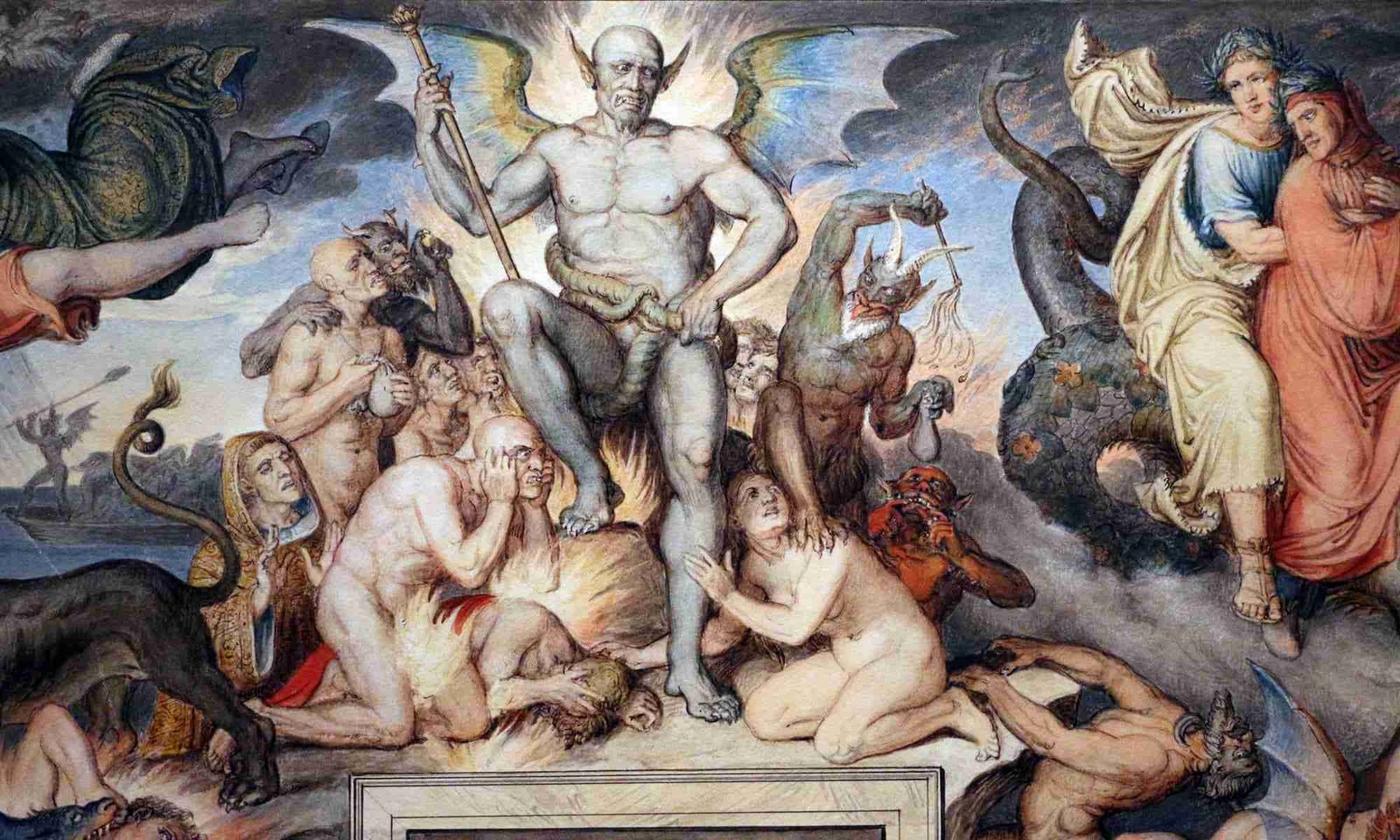
    Inferno is the first part of Italian writer Dante Alighieri’s 14th-century epic poem Divine Comedy. It is followed by Purgatorio and Paradiso. The Inferno describes Dante’s journey through Hell, guided by the ancient Roman poet Virgil. In this journey, Dante descends through the Nine Circles of Hell, each representing different sins and their corresponding punishments. The vivid and often gruesome depictions of Hell serve as a powerful allegory for the consequences of human actions and the moral lessons to be learned. The Divine Comedy as a whole is considered one of the greatest works of world literature, offering profound insights into human nature, morality, and the quest for redemption.

    Divine Comedy

    Dante Alighieri holds a copy of the Divine Comedy next to the entrance to Hell, the seven terraces of Mount Purgatory and the city of Florence, with the spheres of Heaven above. This fresco painting is by Domenico di Michelino (1465).

    The Divine Comedy is an Italian narrative poem by Dante Alighieri, begun c. 1308 and completed around 1321, shortly before the author’s death. It is widely considered the pre-eminent work in Italian literature and one of the greatest works of world literature. The purpose of Dante’s Divine Comedy was to show people the horrors their souls would go through if they did not obey God’s laws and did not live righteously. There is a lot of symbolism in connection with numbers throughout the novel.

    The Divine Comedy is a fulcrum in Western history. It brings together literary and theological expression, pagan and Christian, that came before it while also containing the DNA of the modern world to come. It may not hold the meaning of life, but it is Western literature’s very own theory of everything.

    Dante chose to call his poem a comedy (commedia in Italian) because it ends happily. The poem follows a pilgrim who journeys through the afterlife to salvation and a vision of God under the guidance of the souls of the Roman poet Virgil, Dante’s literary model, and his beloved Beatrice. Each canticle (part) consists of 33 cantos (chapter), except the first which has 34, thus the entire poem is made up of 100 cantos.

    A Complete Summary of The Divine Comedy – by Mythology & Fiction Explained

    Part I: Inferno

    The Inferno is about the poet’s journey into Hell. Guided by the poet Virgil, Dante descends through the Nine Circles * of Hell, eventually arriving at the center where Satan himself resides. After escaping Hell, Dante and Virgil will go on to Purgatory and then Dante will go on to Heaven.

    * = Each circle represents its own sin: Limbo, lust, gluttony, greed, anger, heresy, violence, fraud and treachery whilst Virgil distinguishes between three types of sins: Incontinence, violence and fraud.

    Nine Circles Of Hell
    Here are the circles of hell in order of entrance and severity:
    1. Limbo: Where those who never knew Christ exist. Dante encounters ​Ovid, Homer, Socrates, Aristotle, Julius Caesar, and more here.
    2. Lust: Self-explanatory. Dante encounters Achilles, Paris, Tristan, Cleopatra, and Dido, among others.
    3. Gluttony: Where those who overindulge exist. Dante encounters ordinary people here, not characters from epic poems or gods from mythology. The author Boccaccio took one of these characters, Ciacco, and incorporated him into his 14th-century collection of tales called “The Decameron.”
    4. Greed: Self-explanatory. Dante encounters more ordinary people but also the guardian of the circle, Pluto, the mythological king of the Underworld. This circle is reserved for people who hoarded or squandered their money, but Dante and Virgil do not directly interact with any of its inhabitants. This is the first time they pass through a circle without speaking to anyone, a commentary on Dante’s opinion of greed as a higher sin.
    5. Anger: Dante and Virgil are threatened by the Furies when they try to enter through the walls of Dis (Satan). This is a further progression in Dante’s evaluation of the nature of sin; he also begins to question himself and his own life, realizing his actions and nature could lead him to this permanent torture.
    6. Heresy: Rejection of religious and/or political “norms.” Dante encounters Farinata degli Uberti, a military leader and aristocrat who tried to win the Italian throne and was convicted posthumously of heresy in 1283. Dante also meets Epicurus, Pope Anastasius II, and Emperor Frederick II.
    7. Violence: This is the first circle to be further segmented into sub-circles or rings. There are three of them – the Outer, Middle, and Inner rings – housing different types of violent criminals. The first are those who were violent against people and property, such as Attila the Hun. Centaurs guard this Outer Ring and shoot its inhabitants with arrows. The Middle Ring consists of those who commit violence against themselves (suicide). These sinners are perpetually eaten by Harpies. The Inner Ring is made up of the blasphemers, or those who are violent against God and nature. One of these sinners is Brunetto Latini, a sodomite, who was Dante’s own mentor. (Dante speaks kindly to him.) The usurers are also here, as are those who blasphemed not just against God but also the gods, such as Capaneus, who blasphemed against Zeus.
    8. Fraud: This circle is distinguished from its predecessors by being made up of those who consciously and willingly commit fraud. Within the eighth circle is another called the Malebolge (“Evil Pockets”), which houses 10 separate bolgias (“ditches”). In these exist types of those who commit fraud: panderers/seducers; flatterers; simoniacs (those who sell ecclesiastical preferment); sorcerers/astrologers/false prophets; barrators (corrupt politicians); hypocrites; thieves; false counselors/advisers; schismatics (those who separate religions to form new ones); and alchemists/counterfeiters, perjurers, impersonators, etc. Each bolgia is guarded by different demons, and the inhabitants suffer different punishments, such as the simoniacs, who stand head-first in stone bowls and endure flames upon their feet.
    9. Treachery: The deepest circle of Hell, where Satan resides. As with the last two circles, this one is further divided, into four rounds. The first is Caina, named after the biblical Cain, who murdered his brother. This round is for traitors to family. The second, Antenora – from Antenor of Troy, who betrayed the Greeks – is reserved for political/national traitors. The third is Ptolomaea for Ptolemy, son of Abubus, who is known for inviting Simon Maccabaeus and his sons to dinner and then murdering them. This round is for hosts who betray their guests; they are punished more harshly because of the belief that having guests means entering into a voluntary relationship, and betraying a relationship willingly entered is more despicable than betraying a relationship born into. The fourth round is Judecca, after Judas Iscariot, who betrayed Christ. This round is reserved for traitors to their lords / benefactors / masters. As in the previous circle, the subdivisions each have their own demons and punishments.
    Center Of Hell

    After making their way through all nine circles of Hell, Dante and Virgil reach the center of Hell. Here they meet Satan, who is described as a three-headed beast. Each mouth is busy eating a specific person: the left mouth is eating Brutus, the right is eating Cassius, and the center mouth is eating Judas Iscariot. Brutus and Cassius betrayed and caused the murder of Julius Caesar, while Judas did the same to Christ. These are the ultimate sinners, in Dante’s opinion, as they consciously committed acts of treachery against their lords, who were appointed by God.

    Dante’s Inferno: (The 9 Circles of Hell) – The Divine Comedy – by See U in History

    Part II: Purgatorio

    For Dante, Purgatory is not only a place where you pay the debts you incurred when you sinned: It is in fact the place where you reflect on those sins, and where you change the psychological tendencies which led you to sin. This leads to extraordinary richness in the depiction of character.

    The seven terraces of Purgatory are: First terrace (Pride) • Second terrace (Envy) • Third terrace (Wrath) • Fourth terrace (Sloth) • Fifth terrace (Greed) • Sixth terrace (Gluttony) • Seventh terrace (Lust)

    Part III: Paradiso

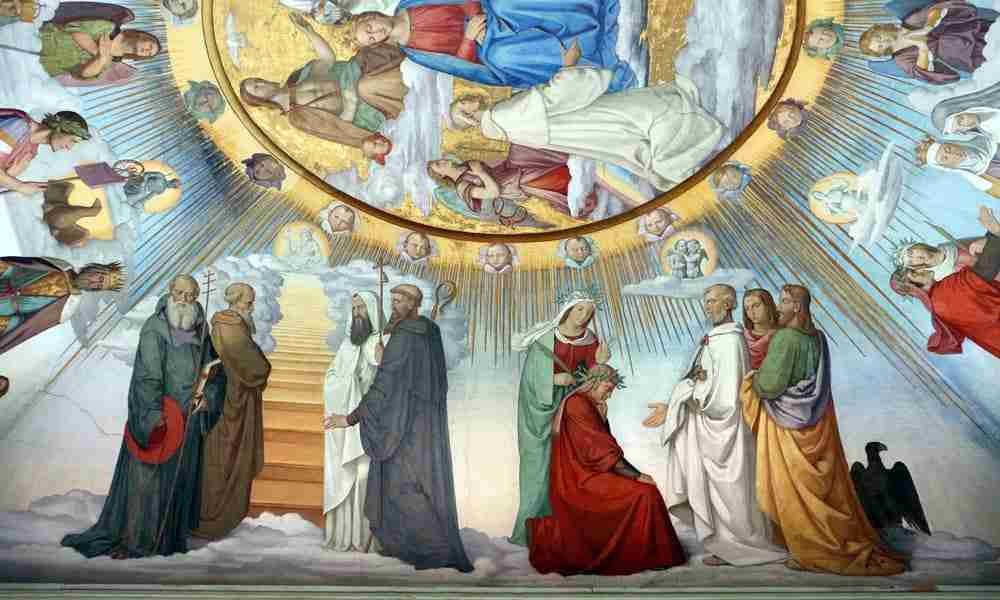
    In Paradiso, Dante is primarily concerned with justice. Many of the figures he meets during his tour of Heaven are concerned about injustices that prevail on Earth, especially corrupt rulers whose actions harm everyday people.

    Dante and Beatrice move on to the Sixth Heaven, sphere of Jupiter. The souls spell out the message Diligite iustitiam, qui iudicatis terram (“Love justice, you who judge the earth”), and then form the Eagle. The Eagle explains Divine Justice and the inscrutability of God’s Mind.

    What’s More

    The posts in My Blog feature reflective, story-driven pieces rooted in personal and societal insights.

    The topics in My Interests explore abstract, philosophical ideas and their cultural and societal impact.

  • Atlantis

    Plato’s Atlantis

    Plato‘s Atlantis is one of the most enduring and fascinating myths in Western culture. It first appears in his dialogues, “Timaeus” and “Critias,” written around 360 BCE. Plato’s Atlantis has captivated the imagination of scholars and enthusiasts alike since its introduction in his dialogues, Timaios and Critias.

    Atlantis is depicted as a powerful and advanced civilization that existed around 9,000 years before Plato’s time. The story of this lost city serves not only as a tale of caution but also as a reflection of Plato’s philosophical ideas regarding society, governance, and morality.

    Plato

    The Story Of Atlantis

    Location And Description

    Plato describes Atlantis as a powerful and advanced civilization that existed about 9,000 years before his own time. The island was located “beyond the Pillars of Heracles,” which is commonly identified with the Strait of Gibraltar, and was larger than Libya and Asia combined. Atlantis was a lush and fertile land, rich in natural resources, and boasted sophisticated architecture, advanced technology, and a powerful navy.

    The exact location of Atlantis remains one of history’s great mysteries, and numerous theories have been proposed over the centuries. Here’s an overview of some of the most popular hypotheses:

    Mediterranean Theories

    Santorini (Thera) -> Some researchers believe that the island of Santorini, which experienced a massive volcanic eruption around 1600 BCE, could be the basis for the Atlantis story. The eruption caused a significant portion of the island to sink, which might parallel Plato’s description of Atlantis sinking into the sea.

    Crete and the Minoan Civilization ->The advanced Minoan civilization on Crete is another candidate. It was a powerful maritime culture that suddenly collapsed around the same time as the Thera eruption. The theory suggests that the destruction of the Minoan civilization might have inspired the Atlantis legend.

    Sardinia -> Some scholars propose that Atlantis could be linked to ancient Sardinia, based on archaeological finds and similarities in the descriptions of the landscape and societal structures.

    Other Locations

    Antarctica -> A less conventional theory posits that Atlantis could be beneath the ice of Antarctica. This idea suggests that the continent was once ice-free and home to an advanced civilization before shifting to its current location due to plate tectonics.

    Caribbean -> Some researchers suggest the Caribbean region, particularly around the Bahamas, due to underwater structures like the Bimini Road, which some believe are remnants of a lost civilization.

    Current Scholarly Consensus

    The majority of historians and archaeologists consider Atlantis to be a myth or allegory rather than a real historical location. Despite numerous expeditions and research efforts, no conclusive evidence has been found to support the existence of Atlantis in any of the proposed locations.

    Atlantic Ocean Theories

    The Azores -> The Azores islands, located in the mid-Atlantic, are sometimes suggested as remnants of Atlantis. Proponents argue that the underwater topography indicates that these islands could be the peaks of a submerged landmass.

    Near the Straits of Gibraltar -> Some theories place Atlantis just outside the Straits of Gibraltar, as Plato mentioned that Atlantis was beyond the “Pillars of Hercules.” This could correspond to areas like the submerged Spartel Bank.

    Myth Interpretations

    Allegory -> Many scholars argue that Atlantis was never meant to be a real place. Instead, it was a fictional allegory created by Plato to convey his philosophical ideas about the ideal society, the hubris of powerful nations, and the moral and political lessons he wanted to impart.

    Misinterpretation of Existing Cultures -> Some theories suggest that Atlantis could be a composite of various ancient cultures and natural disasters known to the ancient Greeks, amalgamated into a single, compelling narrative by Plato.

    Summary

    While the mystery of Atlantis continues to fascinate, the exact location, if it ever existed, remains unknown. The legend serves more as a profound narrative on human nature, power, and morality than as a geographical puzzle to be solved.

    Society And Government

    Atlantis was ruled by a confederation of kings, with each ruling a different region of the island. The society was highly structured and hierarchical, with a strong emphasis on military power and conquest. The capital city featured concentric rings of water and land, with a grand palace in the center. The Atlanteans were initially virtuous and just, but over time they became corrupt and greedy, which led to their downfall.

    Destruction Of Atlantis

    According to the myth, the gods, particularly Poseidon, became displeased with the Atlanteans’ moral decay and hubris. As a result, a series of cataclysmic events—earthquakes and floods—led to the sudden sinking of Atlantis into the ocean, erasing it from history.

    Plato Describes Atlantis | First Mention of the Island | 360 BC ‘Critias’ – by Voices Of The Past

    Interpretations And Theories

    Symbolic Interpretation

    Many scholars believe that Plato’s story of Atlantis is purely allegorical, serving as a cautionary tale about the dangers of hubris, imperialism, and moral decay. In this view, Atlantis represents an idealized society that fell from grace due to its moral failings, reflecting Plato’s philosophical views on the ideal state and human nature.

    Historical And Geographical Theories

    Some researchers and enthusiasts have proposed various locations around the world as the possible site of Atlantis, including the Mediterranean, the Caribbean, and even Antarctica. These theories are often based on speculative interpretations of ancient texts, geological evidence, and underwater archaeology.

    Criticism And Skepticism

    Many historians and archaeologists remain skeptical about the existence of Atlantis, viewing it as a fictional creation of Plato. They argue that there is no concrete evidence to support the existence of such a civilization, and that the story aligns more with mythological and literary traditions rather than historical fact.

    Ancient Apocalypse: Is the Lost City of Helike the Real Atlantis? – by Get.factual

    Influence And Legacy

    The legacy of Atlantis extends beyond its philosophical roots, inspiring countless works of literature, film, and art over the centuries. From Jules Verne’s adventures to modern cinema, the allure of a mythical utopia has led to numerous interpretations, often focusing on themes of loss and hubris. Moreover, Atlantis symbolizes ongoing debates about humanity’s relationship with the environment, serving as a cautionary tale about the consequences of negligence and excess.

    Discussions about Atlantis’s existence thrive in popular culture and scholarly circles. Archaeologists, historians, and theorists propose various locations and interpretations, from historical reality to allegory. As interest in sustainability and environmentalism grows, Atlantis serves as a metaphorical warning about the fragility of civilizations and the importance of ethical stewardship.

    While the existence of Atlantis remains debated, its role as a powerful myth in Western culture is undeniable. Plato’s tale of a lost civilization serves as both a philosophical allegory and a source of endless fascination for explorers, scholars, and dreamers alike. The enduring allure of Atlantis continues to inspire new generations to ponder the mysteries of our past and the potential lessons for our future.

    What’s More

    The posts in My Blog feature reflective, story-driven pieces rooted in personal and societal insights.

    The topics in My Interests explore abstract, philosophical ideas and their cultural and societal impact.

  • White Temple – Chiang Rai

    White Temple

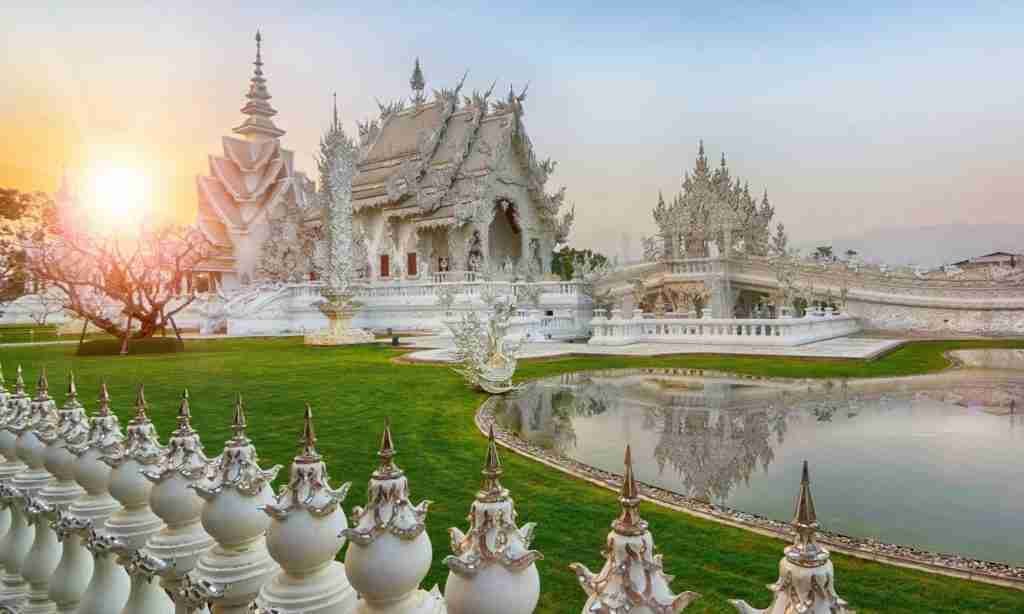
    The White Temple, or Wat Rong Khun, in Chiang Rai, Thailand, is a contemporary Buddhist temple designed by Thai artist Chalermchai Kositpipat. It stands out for its unique design and symbolism.

    History And Construction

    • Design and Construction: Chalermchai Kositpipat began the construction of the White Temple in 1997. He financed the project himself, aiming to create a center of learning and meditation and a piece of architectural art dedicated to Lord Buddha.
    • Ongoing Project: The temple is still a work in progress, with Chalermchai intending to continue expanding and refining it. The entire complex is expected to be completed around 2070.

    Architecture And Design

    • All-White Exterior: The temple is predominantly white, symbolizing the purity of the Buddha. Unlike traditional Thai temples adorned with gold, the White Temple’s white color emphasizes spiritual purity.
    • Glass and Mirrors: The temple is embedded with small pieces of glass and mirrors that sparkle in the sunlight, representing Buddha’s wisdom shining throughout the universe.
    • Bridge of the Cycle of Rebirth: Visitors enter the temple via a bridge crossing over a small lake. The bridge symbolizes the journey from the cycle of rebirth (samsara) to the state of nirvana. Below the bridge, outstretched hands symbolize desire and human suffering.
    • Gate of Heaven: After crossing the bridge, visitors pass through the “Gate of Heaven,” guarded by two creatures representing Death and Rahu, who decide the fate of the dead.

    Symbolism And Artwork

    • Interior Murals: The temple’s interior walls feature elaborate murals that mix traditional Buddhist imagery with modern elements, including depictions of superheroes, movie characters, and even scenes from contemporary events. These murals symbolize the struggle between good and evil.
    • Ubosot (Main Hall): The main hall contains a golden Buddha statue and is intricately decorated with mythical creatures, celestial beings, and intricate patterns.
    • Golden Building: In contrast to the white temple, a golden building on the grounds serves as the restrooms. This building represents worldly desires and materialism, in stark contrast to the purity and spiritual focus of the white temple.

    Visiting The White Temple

    • Location: Wat Rong Khun is located about 13 kilometers south of Chiang Rai city center, making it easily accessible for tourists.
    • Opening Hours and Fees: The temple is open daily to visitors, typically from 8:00 AM to 5:00 PM. There is usually a small entrance fee to help fund the ongoing construction and maintenance of the temple.
    • Etiquette: Visitors are expected to dress modestly and behave respectfully, as the White Temple is a place of worship. Photography is generally allowed outside but may be restricted inside the main hall.

    Cultural And Artistic Impact

    • Tourist Attraction: The White Temple is a major tourist attraction in northern Thailand, drawing visitors from around the world due to its unique architecture and artistic significance.
    • Artistic Vision: Chalermchai Kositpipat’s vision for the White Temple is to create a space where art, religion, and culture intertwine, providing a thought-provoking experience that encourages reflection on life and spirituality.

    Conclusion

    The White Temple in Chiang Rai is a breathtaking blend of art, spirituality, and cultural symbolism. Its distinctive all-white design, combined with intricate details and modern artistic elements, makes it a unique destination that captivates visitors and offers profound insights into Buddhist teachings and the creative vision of Chalermchai Kositpipat.

    What’s More

    The posts in My Blog feature reflective, story-driven pieces rooted in personal and societal insights.

    The topics in My Interests explore abstract, philosophical ideas and their cultural and societal impact.
  • Newton Cradle

    Newton’s Cradle

    Newton’s Cradle, while often seen as a desk toy, has a rich history rooted in the principles of physics. It was named after Sir Isaac Newton, who formulated the laws of motion and universal gravitation. The cradle beautifully demonstrates the conservation of momentum and energy, providing a visual representation of these scientific concepts. This simple yet effective device serves as a tangible example of Newton’s theories in action. Beyond its educational value, Newton’s Cradle has secured its place in popular culture. The legacy of Newton’s Cradle extends beyond the realm of science, embodying a timeless fascination with the laws that govern our universe.

    Collisions Demo: Newton’s Cradle – by Physics Demos

    Newton’s Cradle is a device that demonstrates the principles of conservation of momentum and energy. It typically consists of a series of identically-sized balls suspended in a straight line by strings of equal length.

    When one ball on the end is lifted and released, it strikes the next ball, transmitting a force through the series of balls to push the last ball upward. This motion continues back and forth for a period of time.

    Key Principles:

    • Conservation of Momentum: The total momentum before and after the collision remains the same.
    • Conservation of Energy: The total kinetic energy before and after the collision is conserved, assuming no energy is lost to friction or other forces.

    Newton’s Cradle and Karma

    The Newton’s Cradle and the concept of karma are two distinct ideas, but they both deal with the theme of cause and effect, albeit in different contexts. Karma is a concept from various Eastern religions, including Hinduism, Buddhism, and Jainism, which posits that a person’s actions determine their future experiences. Good actions lead to positive outcomes, while bad actions lead to negative outcomes. It’s a moral cause-and-effect system that operates over an individual’s lifetime or across multiple lifetimes.

    The Principle of Action and Reaction in Life: A Professional Insight. In the realm of physics, Sir Isaac Newton’s third law states that for every action, there is an equal and opposite reaction. This fundamental principle, often referred to as the action-reaction law, has profound implications beyond the physical world and can be applied metaphorically to our daily lives and personal interactions.

    Key Principles
    • Cause and Effect: Actions (cause) lead to consequences (effect).
    • Moral Framework: Good deeds result in positive outcomes, and bad deeds result in negative outcomes.
    • Cycle of Rebirth: In many traditions, karma affects future lives, influencing the cycle of birth, death, and rebirth (samsara).

    Comparison and Contrast

    Similarities

    • Both involve the principle of cause and effect.
    • Both can be seen as systems where initial actions lead to predictable outcomes.

    Differences

    • Context: Newton’s Cradle is a physical demonstration rooted in physics, while karma is a philosophical and spiritual concept.
    • Mechanism: Newton’s Cradle operates through physical interactions (momentum and energy transfer), whereas karma operates through moral and ethical laws.
    • Scope: Newton’s Cradle illustrates immediate and observable effects, while karma’s effects may span over long periods, including multiple lifetimes in some beliefs.

    Metaphorical Connection

    As introduced above, one might use Newton’s Cradle as a metaphor for karma to illustrate the idea that actions have reactions. Just as the motion of one ball in Newton’s Cradle causes a predictable motion in another, an individual’s actions (good or bad) are believed to cause predictable consequences in the future according to the law of karma.

    Cause and Effect

    Newton’s Cradle

    • When you lift and release one ball, it causes a chain reaction where the force is transferred through the balls, ultimately moving the ball on the opposite end.
    • This physical action represents a clear and direct cause (lifting and releasing the ball) that results in an effect (the movement of the last ball).

    Karma

    • In the realm of karma, actions performed by an individual (cause) lead to consequences (effect) that can manifest immediately or over time.
    • Good actions are believed to result in positive outcomes, while bad actions lead to negative outcomes.
    Metaphorical Connection
    • Just as the force in Newton’s Cradle travels through the balls and leads to an observable effect, actions in life set off a chain reaction of consequences.
    • Every action, like every ball in Newton’s Cradle, plays a part in the ultimate outcome.
    Conservation Principles

    Newton’s Cradle

    • The device demonstrates the conservation of momentum and energy, where the total momentum and energy in the system remain constant, though they transfer from one ball to another.

    Karma

    • Karma operates under a moral conservation principle, where the energy of one’s actions persists and transforms into outcomes that maintain the moral balance.
    • Positive and negative actions contribute to one’s karmic “account,” impacting future experiences.
    Metaphorical Connection
    • Just as Newton’s Cradle conserves energy and momentum, karma conserves moral energy. The “energy” of actions doesn’t disappear; it transforms and influences future events.
    Immediate and Delayed Effects

    Newton’s Cradle

    • The reaction in Newton’s Cradle is immediate. When one ball hits the next, the effect on the last ball is instantaneous and observable.

    Karma

    • The effects of karma might not be immediate. They can unfold over time, sometimes not manifesting until much later in life or in future lives according to some beliefs.
    Metaphorical Connection
    • While Newton’s Cradle shows immediate effects, it symbolizes how actions inevitably lead to consequences, much like karma, which operates on a broader timescale. Every action initiates a process that leads to a definite outcome, whether seen immediately or in the future.
    Moral and Physical Domains

    Newton’s Cradle

    • The interactions are purely physical and governed by the laws of physics without any moral implications.

    Karma

    • Karma is deeply rooted in moral and ethical considerations, where the nature of the action (good or bad) determines the nature of the outcome.
    Metaphorical Connection
    • Although Newton’s Cradle is a physical device, its operation can be used to understand the moral framework of karma. The predictable, inevitable transfer of energy and motion can serve as a visual metaphor for the inevitable consequences of one’s actions in life.
    Visualization and Understanding

    Newton’s Cradle

    • The device visually demonstrates complex physical principles in a simple and understandable way, making abstract concepts tangible.

    Karma

    • Karma, often abstract and spiritual, can be challenging to grasp fully. Using Newton’s Cradle as a metaphor can help visualize how actions and their consequences are connected.
    Metaphorical Connection
    • Just as watching Newton’s Cradle can help one understand the principles of momentum and energy transfer, thinking of karma in terms of Newton’s Cradle can make the abstract idea of moral cause and effect more comprehensible. Every action, like every ball in the cradle, has a ripple effect, influencing outcomes beyond the immediate moment.

    Just as Newton’s cradle illustrates the direct transfer of energy and momentum through action and reaction, karma reflects the moral cause-and-effect relationship where one’s deeds inevitably influence their own future.

    What’s More

    The posts in My Blog feature reflective, story-driven pieces rooted in personal and societal insights.

    The topics in My Interests explore abstract, philosophical ideas and their cultural and societal impact.

  • Fortune Cookie

    Fortune Cookie

    Introduction

    A cultural symbol and its impact -> The fortune cookie, a crisp and sugary cookie containing a piece of paper with a “fortune,” is a familiar feature in Chinese restaurants across the United States. Despite its strong association with Chinese cuisine, the fortune cookie’s origins are more complex and fascinating than one might expect. This essay explores the history, cultural significance, and impact of the fortune cookie, demonstrating how this small dessert became an iconic symbol with a far-reaching influence.

    Historical Origins

    Contrary to popular belief, the fortune cookie is not a traditional Chinese invention. Its roots can be traced back to Japan in the late 19th century. Japanese immigrants brought the cookie, known as “tsujiura senbei,” to the United States. These Japanese cookies were slightly larger, made of darker dough, and contained fortunes tucked into the bend of the cookie rather than inside a hollow center. They were typically sold in Japanese tea gardens in San Francisco and Los Angeles.

    The transition of the fortune cookie from a Japanese to a Chinese cultural item occurred during World War II. With the internment of Japanese Americans, Chinese restaurateurs began serving the cookies to their patrons. Over time, the fortune cookie became entrenched in Chinese-American dining culture, eventually being perceived as an authentic Chinese tradition by the general public.

    Fortune Cookies Aren’t From China – Origins Of Food

    Cultural Significance

    The fortune cookie serves multiple roles in contemporary society. Firstly, it acts as a cultural bridge. For many Americans, the fortune cookie is their first and sometimes only exposure to “Chinese” culture, albeit an Americanized version. This misconception does not diminish the cookie’s role in fostering curiosity and interest in Chinese cuisine and traditions. Secondly, the fortune cookie provides a sense of novelty and entertainment. The anticipation of cracking open the cookie to reveal a fortune is a playful ritual enjoyed by diners of all ages. The fortunes, often generic yet thought-provoking, offer a moment of reflection or amusement, creating a memorable end to the dining experience. Moreover, the fortunes themselves sometimes contain aphorisms, bits of wisdom, or even lottery numbers, reflecting broader human desires for guidance, luck, and prosperity. The fortune cookie taps into these universal themes, contributing to its enduring popularity.

    “Apparently, finding an empty fortune cookie isn’t a bad thing at all. In some cultures, receiving a cookie without a fortune is considered a sign of good luck. It’s seen as an invitation from the universe to write your own destiny, a symbol of limitless potential and boundless possibilities.”

    – Eddie Q.

    Impact / Modern Adaptations

    The fortune cookie has evolved significantly since its introduction. Modern iterations can be found in various forms, including chocolate-dipped versions, personalized fortune cookies for special occasions, and even electronic versions in the digital age. The adaptability of the fortune cookie underscores its resilience as a cultural artifact. In addition to its culinary presence, the fortune cookie has permeated popular culture. It has appeared in movies, television shows, and literature, often symbolizing unexpected wisdom or the unpredictability of life.

    This cultural penetration reinforces the cookie’s status as more than just a dessert but as a symbol of hope and curiosity. Furthermore, the fortune cookie industry has grown into a significant commercial enterprise. Companies specialize in producing customized fortunes for corporate events, weddings, and promotional campaigns. This commercial aspect highlights the cookie’s versatility and its ability to transcend its original purpose, serving as a tool for communication and marketing.

    Faith And Fortune Cookies

    Faith
    • Belief Systems: Some people might see the messages in fortune cookies through the lens of their belief systems, interpreting them as signs or guidance. However, it’s important to note that these messages are typically randomly generated and not meant to hold any real predictive power.
    • Cultural Influence: In some cultures, interpreting everyday events and objects as signs from a higher power is common. In this context, a fortune cookie might be viewed with more significance than it was intended to have.
    Fortune Cookies
    • Origin: Fortune cookies as we know them today were likely invented in California in the early 20th century, with both Japanese and Chinese immigrant communities playing a role in their creation.
    • Production: Modern fortune cookies are mass-produced, with the fortunes inserted by machines. The messages are often designed to be broadly applicable and inoffensive.
    • Cultural Impact: Despite their inauthentic origins, fortune cookies have become a staple in Chinese-American restaurants and a symbol of fun and curiosity.
    Intersection of Faith + Fortune Cookies
    • Personal Meaning: For some individuals, the fortune within a cookie might resonate on a personal level, providing comfort or encouragement. This is similar to how people might find personal significance in horoscopes or other forms of casual divination.
    • Entertainment vs. Belief: While most people view fortune cookies as a lighthearted novelty, others might imbue them with more meaning based on their personal or cultural beliefs.
    • Faith Practices: In certain faith practices, the act of seeking signs or omens is common. While not typically included in formal religious practices, fortune cookies might be incorporated into an individual’s personal rituals or superstitions.

    Conclusion

    Overall, while fortune cookies are primarily intended as a fun, whimsical part of dining out, their messages can intersect with personal beliefs and faith in unique ways for different individuals. The fortune cookie’s journey from its Japanese origins to its current status as an emblem of Chinese-American culture is a testament to the dynamic nature of cultural exchange and adaptation.

    Its enduring appeal lies in its simplicity and the universal human attraction to mystery, fortune, and wisdom. As a small, crunchy symbol of cross-cultural interaction, the fortune cookie continues to captivate and entertain, proving that sometimes, the smallest things can have the greatest impact.

    Its presence in Chinese-American restaurants across the United States serves as a reminder of the rich tapestry of cultural influences that shape our world, and the delightful surprises that can come from blending traditions, creating a unique and cherished experience for all who encounter it, whether they are enjoying a meal with family or friends, or simply savoring a moment of reflection. The fortune cookie, with its enigmatic messages, adds a touch of intrigue and joy to the dining experience, making it a beloved tradition that transcends cultural boundaries. Its ability to bring a smile to people’s faces and spark conversations about the future is a testament to its enduring charm and significance in our multicultural society.

    “Fortune Cookies No Longer What They Are Cracked Up to Be.”

    – David J. Bauman

    What’s More

    The posts in My Blog feature reflective, story-driven pieces rooted in personal and societal insights.

    The topics in My Interests explore abstract, philosophical ideas and their cultural and societal impact.
  • To blog or not to blog

    To Blog Or Not To Blog?

    Blog OR Social Media OR Website?

    Hamlet – by William Shakespeare

    To blog or not to blog? Since 1994, that’s been the eternal question with no universal answer.

    The question of whether to start a blog or not has been pondered since 1994, with no universal answer. However, blogging can be a valuable platform for sharing insights, building a personal brand, or promoting a business. It can also facilitate connections with like-minded individuals and create opportunities for meaningful interactions.

    When considering the differences between a blog, social media, and a website, it’s important to understand their unique roles and purposes. Ultimately, the decision between a blog, social media or a website depends on individual objectives and the type of content one wishes to create and share. Some creators may find value in utilizing both platforms to maximize their online presence.

    Blog

    A blog is a regularly updated online platform where individuals or organizations can share their thoughts, expertise, and commentary on specific topics. It often takes the form of a chronological series of articles or posts. Blogs are a valuable tool for providing in-depth content, establishing authority, and engaging with a dedicated audience. They are commonly integrated into websites but can also exist independently.

    Social Media

    Social media refers to online platforms and websites that enable users to create and share content or to participate in social networking. Examples include Facebook, Instagram, Twitter, and LinkedIn. Social media is primarily used for quick and interactive communication, content sharing, and community engagement. Businesses and individuals use social media to reach a broader audience, interact with followers, and create brand awareness.

    Website

    A website is a collection of web pages and multimedia content that are typically identified by a common domain name. Websites serve as a centralized hub for providing information about a person, organization, business, or topic. They can include a variety of content such as homepages, product or service pages, contact information, about us sections, and more. Websites are versatile and can serve various purposes, including e-commerce, informational, educational, and promotional.

    In summary, while a blog allows for in-depth content and engagement, social media facilitates quick and interactive communication with a broader audience, and a website serves as a centralized hub for information and promotion. Each platform plays a unique role in helping individuals and businesses reach their audience effectively.

    My Blog

    The categories and posts in My Blog explore reflective and narrative-driven themes, often tied to personal experiences or societal observations, emphasizing storytelling and commentary.

    Dependence (11) Fiction (11) Karma (10) Landmarks (12) Paramount (10) Spectrum (12) Spotlight (12) Take Off (10) Terra Shapes (10) Trepidation (10) Unique (11) Virtue (10)

    The Pros AND The Cons Of Blogging

    Clearly, blogging isn’t for everyone. It requires determination, motivation, and persistence. Yet with a little inspiration, anyone can begin their very own blogging adventure, experience the pros and cons, and reap the many benefits associated with the practice of blogging.

    “The environment is so full of television, party political broadcasts and advertising campaigns that you hardly need to do anything.”

    – J.G. Ballard
    Some Pros
    • Boosts creativity: Like journaling, blogging can unlock fresh ideas and sharpen your thinking.
    • Improves SEO: Regular posts help your site rank better and attract new visitors.
    • Monetization potential: Blogs can generate income through ads, sponsorships, or product sales.
    Some Cons
    • Pressure to post: Keeping up with regular, engaging content can become a stressful obligation.
    • Fast obsolescence: What’s relevant in the morning might feel outdated by evening.
    • Low long-term visibility: Older posts often get buried in archives and rarely resurface.

    Blogging Blogless OR With A Blog?

    Is leading a blogless life possible at all? Yes, it is. You could simply opt for not continuously expressing your thoughts / experiences to the online community at all, not to do some vlogs (video blogs), podcasts, provide content snacks, info graphics or advanced contents.

    Or you could opt for the Blogless Publishing System which is there for web writers “of the other kind”. This system is some kind of anti-blog: No subscribers, no community stress, no excuses for not having written the follow-up article in your vacation time – it’s just articles. Just download, install, publish, share your texts with friends and no need to think about the rest.

    However, if you want to maintain your own blog the conservative way, you might be in the right place to take off here: How to start a Blog in less than 10 MinutesPublish your Passions, your Way. I suggest, you keep it clean & lean perhaps implementing zen habits in daily life when preparing for a blogger’s life.

    “A website with the main purpose of having people read content would best serve its readers with almost nothing else but what’s needed for the reading experience.”

    – Leo Babauta

    After All: Blog OR Vlog?

    How to vlog? A beginner’s guide by Jeven Dovey

    Making short video blogs – Vlogs – can be a great way to attract new audiences and to entertain or surprise your current audience.

    Watch out for the 8 golden rules to become a successful vlogger:

    Collaborate • Approach brands you acutally use • Get a manager • Value your content, literally • Be honest • Be consistent • Set targets • Edit yourself regardless of how many subscribers you get

    World’s Oldest Blogger

    Dagny Carlsson, described as the world’s oldest blogger, who wrote about her life in Sweden based on the attitude that you should never think you are too old to do what you want to do, has died at the age of 109.

    When she was 99, Carlsson attended a computer course. Her advice on life:

    • Stop Whining And Get A Grip!
    World’s oldest blogger: Dagny ‘Bojan’ Carlsson from Sweden

    So, To Blog Or Not To Blog is to weigh the value of sharing one’s thoughts with the world against the quiet introspection of keeping them private, pondering the essence of existence in the digital age. It’s a decision that balances self-expression with the vulnerability of being heard.

    What’s More

    The posts in My Blog feature reflective, story-driven pieces rooted in personal and societal insights.

    The topics in My Interests explore abstract, philosophical ideas and their cultural and societal impact.

  • Coronavirus

    Covid-19

    Coronaviruses are Viruses that cause diseases in mammals and birds. In humans, they cause respiratory infections ranging from mild (like some common colds) to lethal (such as SARS, MERS, and COVID-19). Preventive measures include vaccination, wearing masks during high transmission, maintaining 6 feet distance, frequent handwashing, and avoiding sick people.

    What Is COVID-19 – by Healthwise
    COVID-19: What Happens If You Get Coronavirus?

    Facts & Figures

    Origins of (Corona-)Viruses

    Coronviruses were first discovered in the 1930s when an acute respiratory infection of domesticated chickens was shown to be caused by infectious bronchitis virus (IBV). In the 1940s, two more animal coronaviruses, mouse hepatitis virus (MHV) and transmissible gastroenteritis virus (TGEV), were isolated.

    Human coronaviruses were discovered in the 1960s. The earliest ones studied were from human patients with the common cold, which were later named human coronavirus 229E and human coronavirus OC43. Other human coronaviruses have since been identified, including SARS-CoV in 2003, HCoV NL63 in 2004, HKU1 in 2005, MERS-CoV in 2012 and SARS-CoV-2 in 2019. Most of these have involved serious respiratory tract infections.

    The Social History of Viruses describes the influence of viruses and viral infections on human history. Symptoms in other species vary: in chickens, they cause an upper respiratory tract disease, while in cows and pigs they cause diarrhea. There are yet to be vaccines or antiviral drugs to prevent or treat human coronavirus infections.

    New Variants of COVID-19

    As the world continues to navigate through the COVID-19 pandemic, new variants are emerging that are raising questions and concerns. These new versions of the virus exhibit changes in their genetic makeup, which can potentially impact transmissibility and vaccine efficacy. Staying informed about these developments is crucial for public health and individual safety.

    Viruses, including COVID-19, mutate over time. New variants arise due to the natural process of evolution, driven by factors such as increased transmission rates and selective pressures from vaccinations. Understanding the biology behind these mutations can help the public grasp why health organizations are monitoring these changes closely. The new strains may not only spread more easily but can also evade immunity in some cases, sparking public health responses worldwide.

    The emergence of new variants has significant implications for public health policies and vaccination strategies. Health officials are continually assessing the effectiveness of existing vaccines against newer strains. While many vaccines have shown robust responses to earlier variants, the adaptability of the virus means that boosters and modifications might be necessary. Staying updated with credible sources and following public health guidelines remains essential as the situation evolves.

    “The world now has no choice but to count on the media and the Government.”

    – Eric Roth

    How To Respond?

    Novak Djokovic breaks silence over Covid vaccine refusal – BBC News

    In the ever-twisting saga of the coronavirus, it seems like every day is a new chapter in a very long, very confusing textbook. But fear not! We’re here to provide a whimsical walkthrough for the pandemic playbook.

    A tongue-in-cheek guide to staying safe and sane in these ‘unprecedented times’. Remember, laughter might not be the best medicine, but it sure does make the medicine go down easier. Stay safe, stay healthy, and keep that humor up – it’s the one thing the virus can’t take away from you! For more serious guidance, check out the CDC or WHO websites. They’ve got the facts, we’ve just got the funnies.

    • Firstly, let’s talk vaccines. They’re like the software updates for your body, except they don’t require you to restart and you can’t put them off until tomorrow. Getting vaccinated is like joining an exclusive club where the entry fee is a tiny poke and the membership benefits include a significantly lower chance of becoming a hospital’s guest of honor.
    • Now, masks. Think of them as your personal air filter, turning the world into a no-smog zone. They come in all shapes and sizes, and if you wear them right, you’ll score points in the game of ‘Not Catching COVID’. Remember, over the nose and under the chin – it’s not a chin guard, a neck warmer, or a headband.
    • Handwashing is the next level in this game. It’s like that 20-second solo dance party in the bathroom. Sing ‘Happy Birthday’ twice, and voilà, you’re not only a year older but also a germ-fighting superhero.
    • Social distancing? More like a personal space enhancer. Imagine everyone is in their own little bubble. It’s not rude, it’s just a way to keep the cooties at bay. Plus, you finally have a legitimate reason to avoid that awkward hug from your neighbor.
    • And lastly, if you’re feeling under the weather, stay home. Think of it as an impromptu vacation where the dress code is pajamas, and the activities include binge-watching and becoming a professional couch potato.
    How we must respond to the coronavirus | Bill Gates
    WHO preparedness & response (strategy & planning)

    The Life After

    Covid-19: Why your life will never be the same again – by The Economist

    The Covid-19 pandemic has transformed our lives in profound ways. From social interactions to professional environments, everything has been affected. As the world starts to recover, we find ourselves contemplating what life looks like in this new landscape. Shifts in communication, changes in work habits, and altered routines are just a few aspects that showcase the enduring impact of the pandemic.

    Life after Covid-19 invites us to embrace new habits that have emerged during lockdowns. Many individuals have adopted remote work models, which offer flexibility and eliminate long commutes.

    This transition encourages a re-evaluation of work-life balance. Health and wellness have also taken center stage, with many prioritizing physical fitness and mental well-being. These new routines are not just temporary; they are likely to shape our future.

    “For fear of dying we forget to live.”

    – Eric Roth

    As restrictions ease, rebuilding social connections may become a priority for many. Covid-19 has changed how we interact, making virtual gatherings commonplace. In-person meetings and outings now carry a new sense of significance. It’s crucial to approach socializing with consideration and empathy, recognizing that not everyone may feel comfortable returning to pre-pandemic norms. Open dialogue about expectations and comfort levels will facilitate smoother reintegration into society.

    What’s More

    The posts in My Blog feature reflective, story-driven pieces rooted in personal and societal insights.

    The topics in My Interests explore abstract, philosophical ideas and their cultural and societal impact.