
Author: Eric Roth

  • Rainbow Roses

    Neuroqueer

    Neuroqueer theory is an emerging framework that examines the intersection of neurodiversity and queerness. The term originates from the deliberate melding of neurodiversity – the recognition and celebration of neurological differences, including conditions such as autism, ADHD, and dyslexia – with queerness, which encompasses a spectrum of sexual and gender identities outside traditional norms. This interdisciplinary approach challenges established notions of both identity and mental health, encouraging a re-evaluation of how these concepts are understood within societal structures.

    At its core, neuroqueer theory posits that neurodiverse individuals often experience critical marginalization not only due to their neurological differences but also because of their sexual or gender identities. By deconstructing these intersecting identities, neuroqueer theory works to illuminate how societal expectations shape the lived experiences of those who identify as both neurodivergent and queer. The theory argues that these intersections create unique challenges and opportunities for understanding identity, pushing the boundaries of conventional frameworks around mental health and social belonging.

    Additionally, neuroqueer theory provides a valuable lens for analyzing the ways in which societal constructs of neurodiversity and sexuality can lead to exclusion and misunderstanding. By prioritizing the lived experiences of neuroqueer individuals, this theory advocates for a more inclusive perspective that celebrates diversity rather than perceiving it as a problem to be solved. This inclusivity fosters environments in which individuals can embrace their identities without the constraints of normative frameworks, thus enriching discussions around neurodiversity and queerness in various contexts.

    Dr. Nick Walter

    Neuroqueer is a radical framework bridging neurodiversity and queerness – coined by Dr. Nick Walker, a queer transgender autistic scholar. It highlights how neurodivergent and queer lives resist conformity to dominant scripts, framing neuroqueering as both authentic practice and cultural transformation. Walker’s work, including Neuroqueer Heresies, shows how these intersections reclaim agency and reshape society’s understanding of difference.

    The Intersection of Neurodiversity and Queerness

    The intersection of neurodiversity and queerness represents a unique confluence of experiences that often share challenges stemming from societal marginalization. Neurodivergent individuals, who may express Autistic Quirks, ADHD, or dyslexia, frequently navigate a world that is not accommodating of cognitive differences. In parallel, members of the LGBTQIA+ community confront prejudices and stigma related to their sexual orientation and gender identity. For many, the dual existence in these marginalized spaces creates a complex identity landscape that requires a nuanced understanding.

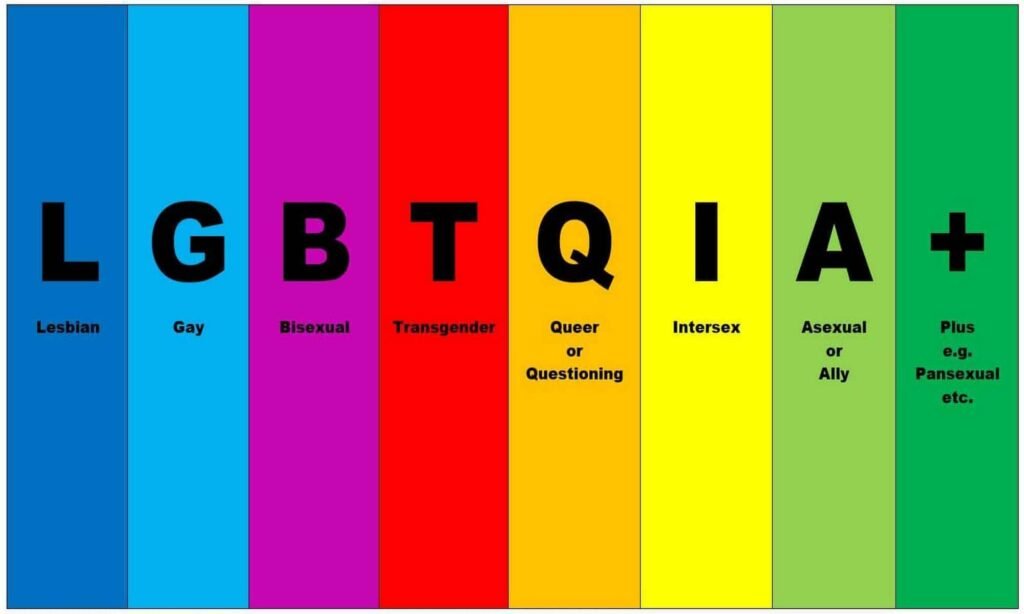
    Personal narratives from neuroqueer individuals provide valuable insights into these intertwined experiences. For example, a neurodivergent trans person may find that their identity as a member of the LGBTQIA+ community offers a profound sense of liberation, while simultaneously, the social challenges linked to their neurodivergence may hinder their ability to engage with others or access affirming resources. Such examples illustrate how identities can both empower and complicate personal experiences, highlighting the need for inclusivity within both neurodiversity and LGBTQIA+ discussions.

    Case studies further elucidate the intricacies of living at this intersection. For instance, a neuroqueer individual may negotiate their identity through art or advocacy, shedding light on societal misconceptions and fostering a sense of community. This engagement can serve as a cathartic outlet, not only aiding in personal acceptance but also contributing to broader awareness and acceptance of both neurodiversity and queerness.

    Recognizing the distinct yet connected challenges encountered by those within these intersecting identities is crucial for advocates and allies alike. By fostering understanding and promoting inclusivity, we can help mitigate the marginalization of neuroqueer individuals, ensuring that all voices are valued and respected within both movements. Such efforts are vital in creating a more equitable society that honors the unique experiences of every individual.

    The Implications of Neuroqueer Theory for Mental Health and Society

    What Is Neuroqueer? Unmasking Queer & Neurodivergent Identity – by Brett, The AuDHD Boss

    Neuroqueer theory offers a transformative framework that can significantly influence mental health discourse and societal structures. By recognizing and validating the unique experiences of individuals who identify as neuroqueer, this theory promotes a more inclusive approach to mental health care. Traditional mental health practices have often pathologized behaviors and identities that diverge from societal norms, leading to stigma and exclusion. In contrast, neuroqueer theory encourages therapeutic approaches that respect and affirm neuroqueer identities, providing support that is tailored to individual needs rather than confining them to rigid diagnostic categories.

    Integrating neuroqueer perspectives into psychotherapy and counseling can facilitate the development of nuanced therapeutic models. These models empower neurodiverse clients by allowing them to express their experiences without fear of being labeled maladaptive. This shift in mental health discourse emphasizes empathy, understanding, and validation, fostering a therapeutic environment where clients feel seen and heard. When therapists adopt a neuroqueer lens, they encourage clients to explore their identities holistically, recognizing the interplay between neurodiversity and queerness in shaping lived experiences.

    Moreover, embracing neuroqueer theory has significant implications for societal acceptance and policy-making. By promoting greater understanding of neurodiversity and queerness, society can challenge existing stigmas and foster inclusivity. This shift may lead to broader systemic changes, including the development of policies that support neuroqueer individuals in various aspects of public life. Increased awareness can facilitate community support networks that validate diverse identities, contributing to the well-being of neuroqueer individuals.

    In summary, neuroqueer theory not only redefines mental health care practices but also advocates for societal transformations that bolster acceptance and understanding. By prioritizing inclusivity and validation, this framework has the potential to reshape how we perceive and support neurodiverse communities.

    Future Directions and the Evolution of Neuroqueer Thought

    Dr. Nick Walker on Neurodiversity, Neuroqueer Theory and her Autism Diagnosis – by ITAKOM

    As neuroqueer theory continues to develop, it stands at the intersection of neurodiversity and social justice, and its future is shaped by ongoing activism, research, and artistic innovation. Current movements within the neuroqueer community are not only redefining how we understand neurodiversity but also how it intersects with issues of identity, inclusion, and advocacy. This evolution is marked by an increase in collective voices advocating for the rights and recognition of neurodivergent individuals within broader societal frameworks.

    Activism plays a crucial role in propelling neuroqueer ideas into public consciousness. Grassroots organizations and online platforms are emerging to amplify neuroqueer narratives, fostering a sense of community and belonging for neurodivergent individuals. Events such as conferences, workshops, and art exhibitions provide safe spaces for sharing experiences and ideas. These initiatives inspire new conversations about the validity of diverse lived experiences, challenging societal norms that often marginalize neurodivergent perspectives. The emphasis on intersectionality within the neuroqueer framework encourages a comprehensive understanding of how various identities – race, gender, sexuality – interact with neurodiversity.

    Furthermore, the domain of research is expanding to investigate the implications of neuroqueer theory across various disciplines, including psychology, sociology, and education. Studies focusing on neuroqueer identities help illuminate the unique challenges faced by neurodivergent individuals, thereby informing policy changes and educational practices. As this body of knowledge grows, it invites further inquiry into how societal structures can be reformed to better accommodate diverse neurological experiences.

    However, alongside these advancements, the neuroqueer community may encounter challenges that require vigilance and advocacy. Resistance from traditional systems and the potential for misrepresentation necessitate ongoing dialogue to ensure the integrity of neuroqueer thought. It is crucial that future discussions remain proactive, engaging a diverse range of voices to nurture a more inclusive and equitable understanding of neurodiversity. In conclusion, the trajectory of neuroqueer theory promises to significantly enrich conversations surrounding identity and social justice in the years to come.

    What’s More

    The posts in My Blog feature reflective, story-driven pieces rooted in personal and societal insights.

    The topics in My Interests explore abstract, philosophical ideas and their cultural and societal impact.


  • Unsplash Colors

    Color Psychology

    Color psychology is a fascinating field that examines the profound impact that colors have on human emotions and behaviors. By understanding how various colors elicit emotional responses, researchers and practitioners across multiple disciplines, including marketing, art, design, and mental health, can utilize this knowledge to influence audiences and enhance experiences. The significance of color psychology lies in its ability to shape perceptions and guide decisions, ultimately reflecting the underlying principles of human behavior.

    Colors can evoke a spectrum of feelings, from calmness and tranquility associated with shades of blue to the excitement and energy induced by vibrant reds and yellows. Each color carries its own psychological associations and meanings. For instance, greens are commonly linked to nature, growth, and renewal, making them a popular choice in areas such as environmental branding. On the other hand, purple often symbolizes creativity and luxury, which is why it frequently appears in high-end marketing materials. Understanding these associations can help individuals and organizations create more effective messages and environments tailored to their specific goals.

    In marketing, the strategic use of color can significantly affect consumer behavior. Brands carefully choose color schemes to convey their values, attract their target demographic, and enhance brand recognition. For example, the use of red in a promotional campaign may emphasize urgency, while softer pastel tones can create feelings of calmness and safety. Similarly, artists and designers leverage color psychology to evoke particular moods within their work, solidifying the emotional connection between the viewer and the artwork.

    Additionally, in mental health settings, colors can play a therapeutic role. Certain hues are utilized in therapies to promote relaxation or stimulate conversation, guiding patients toward healing and self-discovery. Overall, the understanding of color psychology is vital for various fields, as it provides insights into the complex interplay between color, emotion, and behavior, paving the way for more effective communication and connection with audiences.

    The Emotional Impact of Colors

    The perception of color has profound implications for human emotions and behavior. Research in color psychology indicates that colors can elicit specific feelings and associations, shaping both our responses and surroundings.

    • For instance, the color red is often linked to strong emotions such as passion, energy, and urgency. This response might stem from its visibility and association with alertness, which is evident in environments designed to spark excitement or promote action.
    • In contrast, blue is commonly associated with calmness, stability, and trust. Studies have shown that the presence of blue in a setting can lower blood pressure and produce a sense of serenity, making it a frequent choice in corporate branding and healthcare environment design. Furthermore, blue is often perceived as professional and reliable, which is why many businesses strategically employ it in their logos and marketing materials.
    • Yellow evokes feelings of happiness and optimism but can also lead to increased anxiety when overused. It is psychologically associated with sunshine and cheerfulness, often stimulating mental activity and energy. However, an abundance of yellow might create a sense of unease, which underscores the delicate balance needed in color application.
    • Green, often symbolizing nature and tranquility, instills feelings of renewal and balance. It is associated with restfulness and healing, making it a beneficial choice for spaces meant for relaxation or recovery. Additionally, studies indicate that green environments can aid in restoring attention and improving mood.

    In summary, colors play a significant role in mood regulation and emotional response. Understanding the psychological impacts of different colors equips individuals and businesses to create environments and experiences that positively influence behavior and wellbeing.

    Color Symbolism by Culture

    ColorWestern (Europe/US)East Asia (China, Japan, Korea)South Asia (India, Pakistan)Middle EastAfrica
    BlackMourning, death, formality, eleganceMystery, formality; in Japan also mourningEvil, negativity (linked to Kali/Shiva); but also protectionWealth, status (black cars in Saudi elite)Authority, maturity
    WhitePurity, weddings, peace, cleanlinessMourning, death (China, Korea); purity in JapanWidows wear white; mourning, inauspiciousPurity, sometimes weddings (Iran)Purity, spirituality; but also mourning in some regions
    RedLove, passion, danger, energyProsperity, luck, weddings (China); vitality in JapanPurity, sensuality, weddings (brides wear red)Danger, evil, sometimes loveLife, health, political movements
    Yellow/GoldHappiness, optimism, cautionRoyalty, sacred (China); courage (Japan)Sacred, knowledge, learningWealth, prosperityWealth, status, associated with gold
    BlueCalm, trust, stability, sadnessImmortality, healing (China); coolness (Japan)Divine, Krishna’s skin color, spiritualityProtection, heaven, immortalityLove, harmony, peace
    GreenNature, growth, money, safetyFertility, youth, eternal lifeHarvest, happiness, Islam (sacred)Islam’s holy color, paradiseLife, growth, prosperity
    PurpleRoyalty, luxury, creativityWealth, nobility (China, Japan)Mourning in some regions; also spiritualityWealth, statusRoyalty, sacred rituals
    OrangeEnergy, warmth, affordabilityCourage, love (Japan)Sacred (Hinduism, saffron robes), puritySpirituality, enduranceVitality, fertility
    GreyNeutrality, balance, boredomHumility, formalityMourning, renunciationModesty, humilityWisdom, age
    PinkFemininity, romance, softnessYouth, spring, femininityAssociated with festivals, joyTenderness, loveNurturing, caring

    Applications of Color Psychology in Everyday Life

    Color psychology plays a significant role across various domains, influencing everyday decisions and emotional responses.

    • One of the most notable applications is in branding and marketing. Businesses strategically choose colors to evoke specific feelings or associations in potential customers. For instance, blue is often used by companies to convey trust and reliability, while red can evoke excitement and urgency. By understanding the psychological implications of color, brands can create marketing campaigns that resonate more deeply with their target audience, thereby enhancing consumer engagement and loyalty.
    • In the realm of interior design, color selection can dramatically affect the ambiance of a space. Warm colors, such as yellows and oranges, tend to create a cozy and inviting atmosphere, making them ideal for social areas like kitchens and living rooms. Conversely, cooler colors like blues and greens are often employed in bedrooms and bathrooms to promote calmness and relaxation. By incorporating color psychology principles into space planning and design, individuals and interior designers can craft environments that foster specific moods and enhance overall well-being.
    • Fashion is another area where color psychology has a profound impact. The colors one chooses to wear can significantly affect self-perception and how others perceive an individual. For example, wearing bold colors like red or yellow can convey confidence and assertiveness, while softer hues may promote feelings of serenity and approachability. Understanding personal color preferences can help individuals express their identity and mood through their clothing choices, creating a strong visual statement.
    • Lastly, art therapy often utilizes color psychology to facilitate emotional expression and healing. Colors can evoke various psychological responses, making them powerful tools for therapists. Engaging with color, whether through painting or other mediums, offers individuals a unique avenue to explore their emotions, ultimately contributing to mental well-being.

    Through these diverse applications, color psychology continues to shape our interactions with the world around us.

    Conclusion and Future Implications

    Color psychology demonstrates how hues shape emotions, perceptions, and behavior in ways that are both subtle and profound. Warm tones such as red and orange often generate feelings of energy, passion, and urgency, while cooler shades like blue and green tend to evoke calmness, trust, and stability. These associations are not merely aesthetic; they influence how people respond to environments, products, and messages, making color a decisive factor in fields as varied as marketing, branding, and interior design. By recognizing that colors carry symbolic weight, individuals and organizations can use them strategically to create resonance and foster desired emotional responses.

    Looking ahead, the implications of color psychology in digital media and technology are vast and increasingly transformative. As user interfaces, branding strategies, and product design evolve, the careful integration of color will play a critical role in shaping engagement and loyalty. Research continues to uncover the intricate relationship between color and emotion, offering new insights into how specific hues can be used to influence decision‑making and enhance communication. At the same time, individuals can reflect on their own experiences with color in daily life, recognizing how different environments and palettes affect mood and behavior. Cultivating this awareness allows for more intentional choices in both personal and professional contexts, ensuring that color psychology remains a practical framework for innovation and growth.

    What’s More

    The posts in My Blog feature reflective, story-driven pieces rooted in personal and societal insights.

    The topics in My Interests explore abstract, philosophical ideas and their cultural and societal impact.

  • Rubik’s Cube Insight

    Cognitive Outliers

    Cognitive outliers represent a unique subset of individuals whose thinking patterns and cognitive profiles significantly diverge from the average or neurotypical population. These individuals might exhibit exceptional abilities in specific areas, such as mathematics, music, or visual arts, while also possessing unconventional thought processes that can challenge traditional views of intelligence. Unlike neurotypical individuals, who typically display cognitive functioning within a standard range, cognitive outliers operate on a varying spectrum that often includes heightened creativity or analytical skills.

    One of the defining characteristics of cognitive outliers is their ability to think outside conventional frameworks, resulting in innovative solutions and novel ideas. For instance, many cognitive outliers are known to approach problems from unique angles, which can lead to groundbreaking discoveries or advancements in their respective fields. This distinct perspective often stems from a combination of various cognitive traits, such as high intelligence, exceptional memory, or intense focus on specific interests, giving them a definitive edge when exploring complex concepts.

    Additionally, cognitive outliers may struggle with social interactions or find it challenging to relate to the experiences of neurotypical individuals. This disparity does not diminish their capabilities; rather, it highlights the rich diversity that exists within cognitive functioning. The differences manifested by cognitive outliers can sometimes lead to misunderstandings or societal challenges, but they ultimately contribute to a broader range of human experience and thought. By understanding cognitive outliers and acknowledging their distinctive characteristics, we can appreciate the varied landscape of intelligence and the ways in which it can express itself.

    Some well-known People recognized as being Cognitive Outliers
    NameFieldWhy Considered a Cognitive Outlier
    Albert EinsteinPhysicsNonlinear, visual thinker; revolutionized physics with relativity.
    Nikola TeslaEngineeringDesigned complex systems mentally; obsessive focus and visual imagination.
    Leonardo da VinciArt & ScienceRestless curiosity, polymathic mind; possible ADHD-like traits.
    Vincent van GoghArtIntense perception and expression; lived with atypical neurological/mental states.
    Steve JobsTechnologyObsessive perfectionism; unconventional leadership and product vision.
    Mark ZuckerbergTechnologyAtypical social/cognitive style; disruptive approach to communication.
    Richard BransonBusinessDyslexic; reframed difference into creative entrepreneurial strength.
    Greta ThunbergActivismAutistic; credits her divergent perspective for clarity in climate advocacy.
    Sir Anthony HopkinsActingAsperger’s diagnosis; intense focus and memory aid his craft.
    Stephen HawkingPhysicsDespite ALS, reshaped cosmology and black hole theory.
    John NashMathematicsSchizophrenia shaped his struggles and insights in game theory.
    Temple GrandinAnimal ScienceAutistic; visual thinking transformed livestock handling worldwide.

    The Advantages and Disadvantages

    Cognitive outliers, individuals whose thinking patterns diverge significantly from the norm, often experience a unique blend of benefits and challenges in their personal and professional lives. One notable advantage is their enhanced creativity. Many cognitive outliers possess the ability to think divergently, which allows them to generate innovative ideas and solutions. This quality is particularly valuable in fields such as art, technology, and science, where unconventional thinking can lead to breakthroughs. Additionally, their problem-solving skills are often exceptional. Cognitive outliers frequently approach challenges from unique angles, allowing them to devise strategies that others may overlook.

    Moreover, cognitive outliers can drive innovation by introducing novel concepts and perspectives. Historical figures such as Albert Einstein or Steve Jobs exemplify this, having made significant contributions to their respective domains. Their capacity for unconventional thought not only advanced their fields but also inspired countless others to think independently and creatively. In many cases, their influence extends beyond their immediate discipline, reshaping cultural, social, or technological landscapes.

    However, the journey of a cognitive outlier is not without its difficulties. Many face social isolation, as their distinct ways of thinking can lead to misunderstandings in traditional educational and work environments. Often, they struggle to relate to peers, resulting in feelings of alienation and loneliness. Furthermore, when their thoughts and methods do not align with conventional standards, they may encounter resistance or criticism, impacting their self-esteem and motivation.

    In addition, cognitive outliers frequently experience challenges within structured systems like schools and workplaces, where standardization is emphasized. The traditional framework may not accommodate their learning or working styles, leading to frustration and disengagement. Thus, while being a cognitive outlier can facilitate remarkable achievements, it can also present significant obstacles that must be navigated. Recognizing both the advantages and disadvantages of cognitive diversity is essential for fostering environments where unique thinkers can thrive.

    Cultivating an Inclusive Environment

    Creating an inclusive environment for cognitive outliers requires intentional strategies that accommodate their unique cognitive profiles across educational, workplace, and social settings. To begin with, recognizing the importance of diversity in cognitive processing is essential. This diversity can enhance collaborative efforts, leading to innovative solutions. Recognizing and valuing different learning styles is a practical initial step in fostering an inclusive culture.

    • In educational settings, employing differentiated instruction can significantly benefit cognitive outliers. This approach involves tailoring teaching methods and materials to suit varied learning preferences, thereby allowing all students to engage meaningfully with the curriculum. Offering multiple avenues for learning, such as visual aids, hands-on activities, and technology-integrated lessons, ensures that students with different cognitive styles can thrive.
    • In the workplace, fostering an inclusive culture begins with implementing flexible work arrangements. Accommodating different working styles, whether through adapted communication methods or providing quiet spaces, enables cognitive outliers to operate at their optimal capacity. Encouraging collaboration amongst diverse teams can also unlock unique perspectives that drive creativity and resilience within the organization.
    • Peer support and mentorship play critical roles in cultivating acceptance and understanding among individuals with varying cognitive strengths. Establishing mentoring programs where experienced individuals guide cognitive outliers can benefit both parties. Such relationships can facilitate skill development and enhance confidence while creating a supportive network that advocates for inclusiveness.
    • Finally, raising awareness about cognitive diversity through training initiatives and workshops can dispel misconceptions and stereotypes. Engaging conversations around the strengths and challenges faced by cognitive outliers can foster empathy and cooperation, creating an environment where everyone feels valued and understood. By prioritizing inclusivity, we not only support cognitive outliers but also enrich our communities as a whole.
    Ethical and Policy Dimensions

    Creating an inclusive environment for cognitive outliers is not only a cultural or organizational choice but also an ethical imperative. Equity in education and employment requires frameworks that recognize atypical cognitive strengths without penalizing differences. Policies that emphasize flexibility – such as adaptive curricula, alternative assessment methods, and workplace accommodations – help ensure that cognitive outliers are not excluded from opportunities.

    At the same time, ethical considerations extend beyond access. Organizations must guard against the exploitation of cognitive outliers, where their innovative capacity is celebrated but their well‑being neglected. True inclusivity means balancing recognition of exceptional contributions with safeguards for dignity, fair treatment, and sustainable workloads. Policymakers, educators, and employers share responsibility for designing systems that value diversity while protecting individuals from marginalization or misuse.

    Societal Narratives and Representation

    How society talks about cognitive outliers shapes whether they are embraced or misunderstood. Popular media often oscillates between portraying them as eccentric geniuses or as socially detached outsiders. These simplified images risk flattening the complexity of real individuals and reinforcing stereotypes that hinder acceptance. A more inclusive narrative highlights the spectrum of cognitive diversity, presenting outliers not as anomalies but as integral contributors to collective progress.

    Representation in education and policy discourse is equally important. When cognitive diversity is acknowledged in textbooks, training programs, and public campaigns, it normalizes difference and fosters empathy. By reshaping narratives, society can move from tolerating cognitive outliers to valuing them as essential voices in the broader human story. Such recognition not only changes perception but also creates the conditions for genuine participation and long‑term inclusion.

    The Future of Cognitive Research and Its Implications

    The landscape of cognitive research is undergoing a substantial transformation, particularly with the growing recognition of cognitive diversity. This evolution is increasingly shedding light on how individuals known as cognitive outliers – those who exhibit atypical thinking patterns – can contribute to various fields. Recent studies suggest that harnessing the unique skills and perspectives of these individuals can unlock untapped potential in sectors ranging from technology to education.

    One promising area of exploration involves examining how cognitive outliers can drive innovation. For instance, organizations are beginning to understand that a diverse cognitive pool facilitates creative problem-solving and fosters groundbreaking ideas. By integrating cognitive outliers into teams, companies can benefit from varied approaches to challenges, which may result in novel products and services. This shift not only encourages inclusivity but also demonstrates the pragmatic advantages of embracing cognitive differences in the workplace.

    Moreover, advancements in educational frameworks are shaping how we view cognitive outliers. Tailored learning environments that accommodate diverse cognitive styles have shown promise in improving educational outcomes. As educational institutions increasingly adopt personalized teaching methods, they can create more inclusive settings that respect individual learning processes. This approach can empower cognitive outliers, helping them to flourish academically and socially.

    In the realm of mental health, acknowledging cognitive differences can lead to more effective therapeutic practices. By promoting an understanding of cognitive diversity, mental health professionals can tailor interventions that resonate with individual experiences. This paradigm shift nurtures an inclusive environment for those who think differently, encouraging better mental health outcomes.

    What’s More

    The posts in My Blog feature reflective, story-driven pieces rooted in personal and societal insights.

    The topics in My Interests explore abstract, philosophical ideas and their cultural and societal impact.
  • Neurodiverstiy – Left_Right Brain

    Neurodiversity

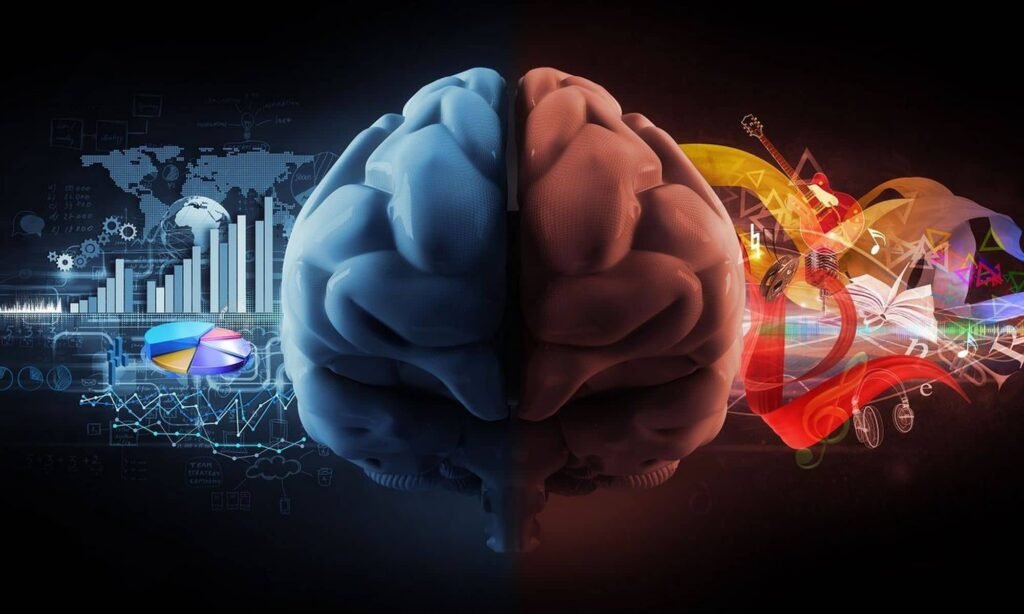
    Neurodiversity refers to the concept that neurological differences, including autism, ADHD (Attention Deficit Hyperactivity Disorder), dyslexia and other cognitive variations, should be recognized and respected as natural forms of human diversity rather than being categorized strictly as disorders. This perspective emerged in the late 1990s, propelled by movements advocating for the rights and recognition of individuals with different neurological makeups. By framing these variations as part of the spectrum of human experience, neurodiversity challenges the traditional medical model that often views such differences through a deficit lens.

    The significance of neurodiversity lies in its potential to reshape societal perceptions and policies towards individuals affected by these conditions. Adopting a neurodiverse perspective encourages communities to embrace differences and adapt environments accordingly, rather than focusing on “fixing” these individuals. This shift not only fosters greater acceptance but also promotes inclusive practices that can significantly improve the quality of life for neurodivergent individuals. Acknowledging that each brain processes information uniquely paves the way for educational adjustments and workplace accommodations designed to harness individual strengths.

    Furthermore, the neurodiversity paradigm emphasizes the value of various cognitive styles within society. Diverse neurological profiles can contribute to creativity, innovation, and problem-solving, offering society a broader spectrum of thought and perspective. These differences often reveal unconventional approaches that challenge standard models and unlock new possibilities. As we continue to recognize and validate different neurological experiences, there is a growing understanding that diversity extends beyond visible traits and responsibilities. Through advocacy, awareness, and education, embracing neurodiversity has the potential to dismantle stigma and promote a culture of understanding, ultimately benefiting everyone.

    Neurodiversity TypeCore CharacteristicsCommon Challenges
    Autism Spectrum DisorderDifferences in social interaction, communication, sensory processing, and routinesSocial cues, sensory overload, change resistance
    ADHDInattention, hyperactivity, impulsivityFocus, time management, emotional regulation
    DyslexiaDifficulty with reading, spelling, and phonological processingLiteracy skills, academic performance
    DyscalculiaDifficulty with numbers, arithmetic, and math conceptsMath anxiety, number sense
    DyspraxiaMotor coordination issues affecting movement and planningHandwriting, balance, fine motor skills
    Tourette’s SyndromeInvoluntary tics – motor and vocalSocial stigma, concentration
    Obsessive-Compulsive Disorder (OCD)Repetitive thoughts and behaviors aimed at reducing anxietyIntrusive thoughts, ritualistic behavior
    Down SyndromeGenetic condition with intellectual and developmental delaysLearning, speech, independence
    Sensory Processing DisorderAtypical responses to sensory input (over- or under-sensitive)Clothing, noise, food textures
    Nonverbal Learning DisorderStrong verbal skills but difficulty with nonverbal cues and spatial awarenessSocial perception, coordination

    The Benefits of Embracing Neurodiversity

    Neurodiversity – The key that unlocked my world | Elisabeth Wiklander | TEDxGöteborg

    Embracing neurodiversity offers a myriad of benefits that significantly enhance various settings, especially workplaces, educational institutions, and social environments. Recognizing the value of diverse cognitive experiences brings to light the unique perspectives that neurodivergent individuals offer. Their alternative ways of thinking can lead to innovative approaches in problem-solving that challenge conventional methodologies. This fresh outlook is essential in a rapidly changing world where creativity and adaptability are paramount.

    Elisabeth Wiklander, Cellist with the London Philharmonic Orchestra (LPO)

    Neurodiverse teams often outperform homogeneous ones by approaching problems from varied cognitive angles. Individuals with strengths in pattern recognition, memory retention, and analytical reasoning can drive efficiency and spark breakthrough ideas that conventional approaches might overlook. When workplaces foster inclusive environments – through tailored support, flexible structures, and psychological safety – neurodivergent employees are more likely to thrive. This leads not only to higher job satisfaction and reduced turnover but also to a culture of innovation grounded in cognitive diversity. Inclusion becomes a strategic asset, not just a moral imperative.

    Educational institutions and communities that embrace neurodiversity cultivate empathy, resilience, and long-term social cohesion. Recognizing diverse learning styles and providing differentiated support allows all students to reach their potential while fostering mutual understanding among peers. As neurodivergent learners gain confidence, their unique perspectives enrich classroom dynamics and challenge normative assumptions. Extending this mindset into broader society promotes acceptance and values every voice, creating a cultural landscape better equipped to solve complex challenges. Neurodiversity, when embraced holistically, becomes a catalyst for systemic improvement across sectors.

    Challenges Faced by Neurodivergent Individuals

    Neurodivergent individuals often encounter a myriad of challenges in a society predominantly structured around neurotypical norms. These challenges manifest in various environments, including social settings, workplaces, and educational institutions, directly impacting their quality of life and mental well-being.

    • One significant hurdle is the social stigma associated with neurodivergence. Many neurodivergent individuals face misconceptions about their capabilities and behaviors, leading to social isolation and exclusion from community activities. The lack of understanding can exacerbate feelings of alienation, which may further hinder their social interactions and support networks. This stigma often discourages open conversations about neurodiversity, perpetuating misconceptions and biases.
    • In the workplace, neurodivergent individuals frequently experience barriers that can interfere with their professional growth. Traditional work environments may not accommodate different cognitive processing styles, rendering it challenging for these individuals to succeed. Issues such as sensory overload, rigid scheduling, and insufficient support systems can impede their performance and productivity. Moreover, discrimination and biases in hiring practices may limit opportunities for neurodivergent candidates, often leading to underemployment or job loss.
    • Educational settings also present unique challenges for neurodivergent students. Many teaching methodologies and assessment techniques may not align with their learning styles, resulting in a lack of engagement and participation in class discussions. Furthermore, the rigid structure of traditional classrooms can be especially difficult for those with conditions such as ADHD or autism, who may thrive in more flexible learning environments. Despite the existence of special education resources, many schools fall short in creating an inclusive curriculum, exacerbating educational inequities.

    Understanding these challenges underscores the need for increased awareness and advocacy for neurodivergent individuals. Addressing the stigma, advocating for inclusive workplace practices, and promoting adaptive educational strategies are essential steps toward fostering a society that embraces cognitive diversity.

    How to Support Neurodiversity in Society

    Supporting neurodiversity within society requires a multifaceted approach that engages individuals, communities, and organizations alike. Education plays a crucial role in this process. Increasing awareness about the spectrum of neurodiversity – encompassing conditions such as autism, ADHD, and dyslexia – can help reduce stigma and foster a culture of acceptance. Educational programs aimed at demystifying neurodivergent experiences can empower both neurodiverse individuals and their peers, encouraging understanding and empathy in schools and workplaces.

    Advocating for inclusive practices across different domains is another critical strategy. Workplaces, for example, can implement tailored recruitment processes that accommodate diverse cognitive styles, thereby providing equal opportunities for neurodiverse candidates. This includes job descriptions that emphasize necessary skills rather than standardized qualifications, which may not reflect a neurodivergent person’s capabilities. Organizations can also cultivate a more inclusive atmosphere by recognizing diverse communication styles and allowing flexible work arrangements such as quiet workspaces or remote options.

    Creating environments where neurodiverse individuals can thrive involves not only accommodating their needs but also celebrating their unique contributions. Communities can promote neurodiversity by hosting events that highlight the talents of neurodiverse individuals, from art exhibitions to public speaking. Fostering social inclusion through structured programs can provide neurodivergent individuals with a sense of belonging and purpose. By encouraging collaboration between neurodiverse and neurotypical individuals, we can create richer communities that value every member’s contributions.

    What’s More

    The posts in My Blog feature reflective, story-driven pieces rooted in personal and societal insights.

    The topics in My Interests explore abstract, philosophical ideas and their cultural and societal impact.
  • Cool Words

    Nudiustertian

    The term “nudiustertian” is a fascinating and somewhat obscure word hailing from the Latin language. It denotes a very specific time frame – specifically, the day before yesterday. This unique term derives from the combination of Latin components: “nudius,” meaning “today,” and “tertian,” which refers to “third,” indicating a connection to the previous day’s cycle. Essentially, “nudiustertian” captures a moment in time that is just slightly removed from the present, a reflection on our perception of time itself.

    Historically, “nudiustertian” was a rare lexical jewel – an instance of the Unique Rareness of Rarity. It appeared in classical and literary texts, chosen by writers who valued linguistic precision and Latin fluency. Its earliest recorded use dates to the 17th century, often in scholarly or rhetorical contexts. The term’s specificity and rhythm made it memorable, even among other Latin-derived expressions. Like many such constructs, it helped articulate subtle distinctions in time – nuances modern phrasing tends to flatten. Today, nudiustertian stands as a linguistic artifact, quietly illustrating the depth of Latin’s influence on English and the deliberate elegance once afforded to temporal vocabulary.

    While this word is not commonly used in everyday conversation, its etymological roots give it significance in discussions about temporality and the nuances of language. Understanding the term’s origin provides insight into how language evolves over time, influenced by cultural and historical contexts. The adoption of such a specific term illuminates the rich tapestry of human expression and the ways in which we label our experiences.

    The relevance of “nudiustertian” in modern discussions is relatively minor; however, it speaks volumes about the nature of language. In contemporary linguistics, there is a notable interest in how archaic words can find new life through literary references, philosophical discourse, or even whimsical usage in creative writing. This showcases the fluid nature of language, reminding us that even words which may seem outdated can provide value in understanding human connectivity and the concept of time.

    A curated table of rarely used English words
    WordMeaning
    NudiustertianPertaining to the day before yesterday
    PsithurismThe sound of wind through trees or rustling leaves
    VelleityA slight wish or inclination not strong enough to act upon
    Hapax legomenonA word that occurs only once in a given context or corpus
    GargalesthesiaThe sensation caused by tickling
    ClinomaniaAn excessive desire to stay in bed
    SialoquentTending to spray saliva while speaking
    ZugzwangA situation in chess where any move worsens the player’s position
    QuockerwodgerA puppet controlled by strings; metaphor for a person controlled by another
    KakorrhaphiophobiaFear of failure or defeat
    YcleptBy the name of; called
    UitwaaienDutch-origin word meaning to walk in the wind to clear one’s mind
    AeipathyContinued passion or enduring emotional attachment
    EuneirophreniaThe peaceful feeling after waking from a pleasant dream
    AccismusFeigning disinterest in something one actually desires
    ApricityThe warmth of the sun in winter
    LethologicaThe inability to recall a specific word or name
    RubiginousRust-colored; tinged with rust
    SempiternalEternal; everlasting
    ThalassicRelating to the sea
    XylophagousFeeding on wood (used for insects or fungi)

    Usage in Contemporary Language

    Despite its classical roots, “nudiustertian” remains virtually unused in modern speech. Most speakers opt for simpler phrases like “two days ago,” leaving this term confined to linguistic footnotes. Its rarity stems not from obscurity but from a shift toward functional minimalism – where precision is often sacrificed for speed and clarity. In this climate, nuanced vocabulary risks extinction unless deliberately preserved.

    In academic circles, “nudiustertian” survives as a lexical artifact. Linguists and etymologists occasionally reference it when exploring temporal vocabulary or Latin influence on English. While it may appear in scholarly discussions, its use is largely symbolic – valued more for what it represents than for practical application. It stands as a quiet reminder of the expressive range once common in formal discourse.

    The Least Used Word on the Internet → Search engines confirm what linguists suspect: “Nudiustertian” is among the least-used English words online. It appears in fewer indexed pages than obsolete medical terms, defunct dialects, or even typographic jargon. Its rarity is not due to obscurity alone – it is due to neglect. No trending topic, no SEO strategy, no algorithm favors it. This page exists to reverse that. To give the word a digital footprint. To make “nudiustertian” searchable, linkable and alive.

    Pronunciation in English (UK)

    Moreover, in educational settings, “nudiustertian” might be introduced to students studying etymology or the development of English vocabulary. Such instances reflect a broader trend in language education that emphasizes historical context and encourages learners to understand the origins and transformations of words over time. However, outside of specialized educational frameworks, the term does not hold significant relevance in current dialogues.

    Ultimately, the relatively obscure status of “nudiustertian” in contemporary language prompts reflections on how language evolves and adapts to societal norms. While it signifies a specific temporal reference, its practical application is overshadowed by simpler alternatives. As communication continues to morph, it remains to be seen whether terms like nudiustertian will regain any traction or remain relegated to the annals of linguistic history.

    Cultural References and Media Involvement

    “Nudiustertian” exemplifies how language evolves and quietly integrates into culture. Though unfamiliar to most, it has carved a niche in literature and media, valued for its charm and specificity. Poets and authors use it to evoke nostalgia and mark fleeting moments, enriching texts with temporal nuance. Its presence signals a deliberate choice – an invitation to pause and consider time with greater precision.

    Television and film have occasionally embraced its whimsical tone. In one sitcom, a character used “nudiustertian” to humorously spotlight a trivial event two days prior, showing how rare words can sharpen narrative timing. Such moments demonstrate how even obscure vocabulary can find resonance when paired with relatable context and clever delivery.

    Online forums and blogs also keep the term alive, where language enthusiasts explore obscure vocabulary. These platforms foster playful and reflective uses, linking linguistic curiosity with everyday experience. Through shared anecdotes and etymological threads, “nudiustertian” becomes more than a word – it becomes a point of connection.

    Across these contexts, “nudiustertian” adds depth to expression and showcases the creativity of those who choose to revive it. Its survival depends not on frequency, but on the intentionality of its use – where rarity becomes a feature, not a flaw.

    The Importance of Unique Vocabulary

    Nudiustertian: The Forgotten Word That Will Change How You See Time – by Transcend the Quotidian

    Utilizing a rich vocabulary is essential for precise communication. Uncommon terms like “nudiustertian” encapsulate specific concepts that broaden expression and sharpen meaning. A diverse lexicon shapes how ideas and emotions are conveyed, allowing speakers and writers to evoke nuance with intention.

    Less common words enrich language by adding depth and distinction. Writers who move beyond everyday vocabulary invite intellectual engagement, using layered terms that color narrative and prompt reflection. This transforms communication into an art – where word choice informs and resonates.

    Language’s beauty lies not only in vocabulary, but in rhythm, sound, and connection. Unique terms contribute to its texture, reflecting cultural richness and personal voice. Embracing such words fosters appreciation for language’s capacity to express complexity. Incorporating vocabulary like “nudiustertian” elevates discourse, making communication more deliberate, expressive, and meaningful.

    Challenges with Uncommon Terms

    Effective communication depends on language that resonates with its audience. Uncommon terms like “nudiustertian” can pose challenges, especially when unfamiliarity leads to confusion or misinterpretation.

    In everyday contexts, niche vocabulary risks disengaging broader audiences. While linguistically inclined groups may appreciate such precision, others may feel excluded or frustrated, reducing clarity and impact.

    Overly complex language can alienate readers, especially when uniqueness outweighs accessibility. Writers must balance expressive depth with inclusiveness, ensuring their message remains clear and relatable.

    Though rare terms enrich language, their use demands care. Adapting to the audience’s linguistic background is key to fostering meaningful engagement.

    The Future of “Nudiustertian” and Similar Words

    As we consider “nudiustertian” and its place in English, we confront the tension between linguistic richness and communicative efficiency. This rare term, meaning “the day before yesterday,” reflects the intricacy of English vocabulary – but faces an uncertain future amid trends toward simplification and speed.

    While everyday language favors straightforward alternatives, distinctive words like “nudiustertian” offer precision and texture. In literary and academic circles, such terms retain value, evoking imagery and nuance that broader phrasing often flattens. Digital platforms may further support their revival, especially within niche or specialized communities.

    Still, integration into mainstream usage will be gradual. Whether “nudiustertian” becomes a charming relic or regains practical relevance depends on collective willingness to engage with language’s deeper heritage – and to preserve its capacity for subtle expression.

    What’s More

    The posts in My Blog feature reflective, story-driven pieces rooted in personal and societal insights.

    The topics in My Interests explore abstract, philosophical ideas and their cultural and societal impact.

  • African Future Art

    Afrofuturism

    Afrofuturism is a cultural, artistic, and philosophical movement that merges elements of African culture with the speculative themes commonly found in Science Fiction, technology, and futuristic imagery. This term encapsulates a varied spectrum of artistic expressions that seek to address the historical experiences and socio-political realities of African diaspora populations. Afrofuturism is not merely a genre but a critical framework through which creators explore alternative futures shaped by African heritage, envisioning possibilities that counteract the narratives rooted in colonialism and systemic oppression.

    The origins of Afrofuturism can be traced back to the African diaspora’s rich historical context, particularly the experiences of people of African descent in the United States and elsewhere. The civil rights movement of the 1960s served as a crucial backdrop for the emergence of Afrofuturism, galvanizing artists, writers, and musicians to imagine a future where Black identities and cultures are celebrated and not marginalized. Influential figures like Sun Ra and Octavia Butler were pivotal in laying the groundwork for this movement, combining their art with a desire to redefine Black representation in speculative narratives.

    Through various forms such as literature, music, visual arts, and film, Afrofuturism has evolved significantly over the decades. In literature, authors like Nnedi Okorafor and Samuel Delany have crafted narratives that reflect African cosmologies, providing new lenses through which readers can understand the complexities of identity and existence. Meanwhile, musicians like Janelle Monáe and the hip-hop collective Death Grips have drawn upon Afrofuturist themes in their work, blending sounds and subjects that address contemporary issues through a futurist perspective. Visual artists like Kerry James Marshall have also contributed, utilizing their platforms to highlight the importance of history and culture in shaping futuristic visions.

    Overall, the multifaceted nature of Afrofuturism reinforces its significance as a transformative movement that not only critiques current societal structures but also fosters a sense of hope by envisioning a more inclusive and equitable future grounded in African roots.

    Key Themes and Motifs in Afrofuturism

    Afrofuturism is a rich and multifaceted movement characterized by an array of themes and motifs that serve as fundamental building blocks in its artistic expressions, including speculative technology, ancestral memory, resistance, and visions of liberated Black futures that challenge dominant historical narratives.

    Afrofuturism Explained: Not Just Black Sci-Fi | Inverse
    • One of the most prominent themes is identity, as Afrofuturist works often explore the complexities of Black identity in a world shaped by historical oppression and cultural misrepresentation. Through various media, including literature, visual arts, and music, creators seek to reclaim their narratives, presenting alternative identities that empower and uplift. This quest for identity frequently intersects with the theme of community, emphasizing the importance of collective experiences and shared heritage in shaping individual and cultural identities.
    • Another central motif in Afrofuturism is resilience, highlighting the perseverance of Black individuals and communities in the face of adversity. This theme not only reflects the struggles of the past but also illustrates a hopeful outlook towards the future. Afrofuturists often draw upon African spirituality and ancestral legacy, integrating these elements into their works to craft identities that acknowledge and honor their roots. By revisiting and reinterpreting ancestral stories, these creators instill a sense of continuity and purpose, reinforcing the idea that the past can inform and invigorate contemporary identity.
    • Furthermore, technology plays a significant role in Afrofuturism, serving as both a tool for liberation and a medium for imagining innovative futures. The incorporation of advanced technology symbolizes Black aspirations for progress and creativity, allowing for the exploration of potential realities that transcend the limitations imposed by historical narratives. By envisioning futures where technology aids in overcoming systemic barriers, Afrofuturism fosters a sense of empowerment and belonging, inviting audiences to participate in reimagining history and shaping future narratives.

    Through these key themes and motifs, Afrofuturism emerges as a powerful lens through which to understand and envision the multifaceted experiences of Black people in today’s world.

    Influential Figures and Works in Afrofuturism

    Who Are Some Influential Figures in Afrofuturism? | 
    Black History Files

    Afrofuturism, an artistic and cultural movement, draws inspiration from the African diaspora’s history and aspirations, blending elements of science fiction, history, and spirituality. This multifaceted genre has been significantly shaped by a range of influential figures across various creative domains. Notably, one of the most prominent authors in this movement is Octavia Butler, whose groundbreaking novels explore themes of race, identity, and the human experience in speculative futures. Works such as “Kindred” and the “Patternist” series are renowned for their complex characters and thought-provoking narratives that challenge societal norms and envision alternative realities.

    In addition to literature, music serves as a vital medium within Afrofuturism. Sun Ra, an innovative jazz musician, is a central figure whose work exemplifies the genre’s themes. His explorations of cosmic philosophies and futuristic aesthetics are reflected in compositions like “Space Is the Place,” where he merges avant-garde jazz with the notion of alienation and liberation. Sun Ra’s philosophy not only redefines musical boundaries but also invites audiences to consider broader existential questions through a uniquely Afrofuturistic lens.

    Contemporary visual artists have also made significant contributions to Afrofuturism, providing diverse interpretations that resonate with today’s cultural landscape. Artists such as Kambui Olujimi and Ytasha Womack use their mediums to explore identities, histories, and futures through striking visual narratives. Their work often combines traditional African motifs with futuristic and fantastical elements, creating a dialogue that extends the boundaries of contemporary art.

    These influential figures and their works illustrate the rich tapestry of Afrofuturism. Each contributes to the ongoing conversation about race, culture, and technology, emphasizing how these themes continue to evolve. As the movement gains recognition, the contributions of these creators help solidify Afrofuturism as not just a genre, but a profound expression of hope and resilience within the African experience.

    Let’s Talk About ‘Black Panther’ And Afrofuturism | UPROXX LIFE

    Black Panther is a cinematic milestone that merges superhero action with cultural depth. Set in Wakanda, a fictional African nation untouched by colonialism, the film reimagines Black identity through Afrofuturist aesthetics and political nuance. It challenges dominant narratives, celebrates African heritage, and sparked global conversations about representation, sovereignty, and mythmaking. As both entertainment and cultural statement, Black Panther continues to influence how Black futures are envisioned in mainstream media.

    Afrofuturism, as a rich and dynamic cultural movement, continues to evolve in response to contemporary societal shifts, technological advancements, and changes in global consciousness. It serves not only as a form of artistic expression but as a framework for reimagining the future through the lens of the African diaspora. The future trajectory of this intriguing movement suggests several emerging trends that may strengthen its impact on modern discourse regarding race, identity, and technology.

    One notable trend is the increasing incorporation of Afrofuturist themes within mainstream media, including film, music, literature, and fashion. With the success of projects like “Black Panther” and the works of authors such as Nnedi Okorafor, we can observe a notable broadening of representation that resonates authentically with diverse audiences. These representations challenge prevailing narratives and promote a more nuanced understanding of the African experience, fostering an environment where Afrofuturism can flourish.

    Moreover, as contemporary society grapples with issues of systemic racism and inequality, Afrofuturism provides an avenue for envisioning alternate futures. It encourages individuals and communities to engage critically with themes of equity and social justice. Technology plays a vital role in this aspiration; digital platforms and virtual realities are being harnessed to explore new expressions of Afrofuturism and expand its reach. This facet of the movement opens dialogue around the intersections of tech and identity while raising questions about access and representation in digital spaces.

    Ultimately, the future of Afrofuturism lies not only in artistic innovations but also in its capacity to inspire broader cultural change. Readers are invited to consider their role in this evolution. By engaging in discussions surrounding Afrofuturism, individuals can contribute to reshaping narratives and fostering understanding across diverse communities. Continued dialogue around its themes will be vital for fostering meaningful connections and inspiring collective action in the pursuit of a more equitable future.

    What’s More

    The posts in My Blog feature reflective, story-driven pieces rooted in personal and societal insights.

    The topics in My Interests explore abstract, philosophical ideas and their cultural and societal impact.

  • Terminal Burchardkai

    Supply Chain Fragility

    Supply chain fragility refers to the vulnerability of supply chains to disruptions that can adversely affect business operations. In the modern business landscape, characterized by globalization and complex interdependencies, fragility manifests when a supply chain is heavily reliant on specific suppliers, geographical regions, or certain modes of transportation. This Dependence can create a precarious situation where any disruption, whether due to geopolitical tensions, natural disasters, or economic fluctuations, can lead to significant operational challenges.

    Understanding supply chain fragility is essential for businesses aiming to minimize risks and enhance resilience. For instance, a company that sources materials solely from a single supplier in a politically unstable region may face considerable production delays if that supplier experiences a disruption. This scenario exemplifies how dependence on a limited number of sources can lead to a fragile supply chain, making businesses susceptible to unexpected events that can compromise their ability to meet customer demands.

    Recent examples in various industries highlight the real-world implications of supply chain fragility. The COVID-19 pandemic, for instance, revealed how global supply chains are interconnected and how dependencies can lead to cascading failures. Many organizations faced delays in production, shortages of critical components, and inflated costs due to the inability to adapt swiftly to these sudden changes. Such instances underscore the necessity for businesses to evaluate their supply chain strategies critically, identify areas of vulnerability, and diversify their sourcing and logistics options to enhance resilience.

    In conclusion, recognizing and defining supply chain fragility is paramount for modern businesses. By understanding the factors that contribute to this fragility, organizations can take proactive measures to strengthen their supply chains, ensuring they remain robust in an unpredictable global environment.

    The Role of Dependence in Supply Chain Fragility

    In the realm of Supply Chain Management, dependence plays a critical role in establishing the robustness or vulnerability of a supply network. Organizations often rely heavily on a limited number of suppliers, and in particular, the use of sole-source suppliers poses significant challenges. This reliance can create a fragile supply chain environment where interruptions in the supply of goods or materials can have magnified effects, leading to delays in production and potential losses in revenue.

    One of the key vulnerabilities associated with dependence on specific suppliers is the risk introduced by geographic concentration. When companies source materials or components from a single region, they expose themselves to various risks, including natural disasters, political instability, or economic downturns in that area. For instance, if an earthquake disrupts the manufacturing capabilities in a particular region, organizations that have a heavy reliance on suppliers in that area may find themselves unable to meet customer demands, resulting in service interruptions and reputational damage.

    Moreover, decision-making strategies that prioritize cost savings may inadvertently amplify this dependence. While sourcing materials from a sole supplier can often lead to lower production costs due to negotiated contracts, it may also limit a company’s flexibility in times of crisis. Businesses may struggle to pivot quickly to alternative suppliers or markets, further exacerbating supply chain fragility. The costs associated with this inflexibility can rise dramatically during unforeseen circumstances, as companies grapple with increased logistics expenses and potential loss of customer trust.

    Ultimately, organizations must recognize that dependence on a limited supplier network can lead to significant vulnerabilities within their supply chains. A more diversified approach can mitigate these risks, promoting a more resilient supply chain capable of withstanding disruptions and adapting to changing market conditions.

    Mitigating Supply Chain Fragility Through Diversification

    In the contemporary business landscape, mitigating supply chain fragility is essential for ensuring resilience against disruptions. One effective strategy is diversification, which enables companies to reduce their dependence on a single supplier or region. This approach not only spreads risk but also enhances flexibility in responding to unforeseen circumstances.

    In the contemporary business landscape, mitigating supply chain fragility is essential for ensuring resilience against disruptions. One effective strategy is diversification, which enables companies to reduce their dependence on a single supplier or region. This approach not only spreads risk but also enhances flexibility in responding to unforeseen circumstances. Equally important is maintaining Adequate Supplies – buffer stocks, safety inventory, or dual-sourcing critical components – to absorb shocks without halting operations. Diversification without reserves is brittle; reserves without diversification are blind. Resilience demands both

    • Multi-sourcing is a key tactic in this strategy, allowing businesses to establish relationships with several suppliers for the same product. By doing so, a company safeguards its operations against potential failures from any one supplier, thereby minimizing the risk of a significant supply chain disruption. Moreover, multi-sourcing fosters competition among suppliers, which can lead to better pricing and improved service levels.
    • Additionally, organizations should consider establishing alternative suppliers in different geographical regions. This geographical diversification mitigates the risks associated with regional disruptions, such as natural disasters or political instability. When suppliers are spread across various locations, companies are better positioned to pivot rapidly and maintain operations in the face of localized challenges.
    • Investing in local production capabilities can also play a vital role in building a robust supply chain. By developing local manufacturing, businesses can shorten lead times and reduce their reliance on international suppliers. This local presence can create a more agile response to market demands and unexpected supply interruptions.
    • Furthermore, implementing a comprehensive risk management framework is paramount for navigating supply chain fragility. Such a framework should encompass proactive assessment of potential risks, monitoring of supply chain performance, and the establishment of contingency plans. By identifying vulnerabilities and addressing them before they escalate, companies can maintain continuous operations even under adverse conditions.

    Ultimately, embracing diversification as a fundamental strategy not only reduces supply chain fragility but also empowers businesses to respond effectively to an ever-evolving marketplace.

    Lessons Learned and Future Implications

    The recent global supply chain disruptions, particularly those exacerbated by the COVID-19 pandemic, have underscored several critical lessons about the inherent fragility of supply chains. One key takeaway is the necessity for businesses to re-evaluate their dependence on single suppliers or geographic regions. The pandemic illuminated how reliant companies had become on specific sources, making them vulnerable to unexpected shocks. This realization has prompted organizations to diversify their supplier base to mitigate risks associated with over-dependence.

    The pandemic also accelerated digitization across supply chain management. Companies are adopting integrated digital solutions to streamline operations and improve responsiveness. Automation, artificial intelligence, and the Internet of Things (IoT) are reshaping logistics, enabling faster adaptation to market shifts and greater operational efficiency. Organizations that fail to evolve risk falling behind in a more volatile and competitive environment.

    This fragility was further exposed in March 2021, when the container ship “Ever Given” blocked the Suez Canal for six days. A single vessel, lodged sideways in one of the world’s busiest trade arteries, disrupted nearly 12% of global commerce. Hundreds of ships were delayed, and ripple effects hit industries from electronics to food and pharmaceuticals. The incident highlighted how concentrated logistics routes – optimized for speed and cost – can become single points of failure. It was a stark reminder that geographic dependence isn’t just about suppliers; it’s also about infrastructure.

    True resilience goes beyond recovery – it demands antifragility. Systems must not only withstand shocks but improve because of them. The Ever Given incident exposed brittle over-optimization; antifragile supply chains would respond by re-routing, reconfiguring, and learning. Redundancy, optionality, and modularity are not inefficiencies – they’re strategic assets. In a world of compounding disruptions, fragility is a liability. Antifragility is the new baseline.

    A significant lesson from recent disruptions is also the need to enhance supply chain visibility. Many businesses struggled to respond to fluctuations due to limited insight into their networks. Technologies such as data analytics and blockchain now play a critical role in providing real-time visibility into inventory levels, demand forecasts, and performance metrics. These tools are increasingly seen as essential for building resilient systems capable of absorbing future shocks.

    Ultimately, acknowledging fragility is only the starting point. Resilience demands proactive strategies built on diversification, visibility, and technology – alongside a clear understanding of the systemic risks embedded in over-optimized infrastructure. The goal is not just to recover from disruption, but to anticipate it, absorb it, and emerge stronger, more adaptive, and better prepared for future volatility and sustained performance.

    What’s More

    The posts in My Blog feature reflective, story-driven pieces rooted in personal and societal insights.

    The topics in My Interests explore abstract, philosophical ideas and their cultural and societal impact.

  • Machu Picchu, Peru

    Machu Picchu

    Machu Picchu, the renowned Incan citadel, was constructed in the 15th century during the reign of the Inca emperor Pachacuti. Situated in the Andes Mountains of Peru, this architectural marvel reflects the ingenuity and sophistication of the Inca civilization. While the precise purpose of Machu Picchu remains a subject of debate among historians, it is widely believed to have served as a royal estate or a ceremonial site, possibly linked to agricultural activities in the region. The complex consists of temples, terraces, and residential areas, illustrating the advanced engineering techniques utilized by the Incas.

    The question of why Machu Picchu was abandoned continues to intrigue scholars. Theories suggest that the site may have been deserted due to a combination of factors, including internal strife within the Inca Empire, the arrival of Spanish conquistadors, or environmental changes affecting agriculture. Following its abandonment, the site remained largely hidden from the outside world for centuries, shielded by dense vegetation and mountainous terrain.

    It was not until the early 20th century that Machu Picchu captured global attention. The American historian Hiram Bingham is credited with its rediscovery in 1911, bringing it to the forefront of archaeological studies. Bingham’s explorations revealed the site to the modern world, stimulating interest in Incan history and culture. Subsequent archaeological efforts have uncovered a wealth of artifacts and insights into Inca life, further highlighting the site’s significance within the empire.

    Machu Picchu has since been recognized as a UNESCO World Heritage site and remains a focal point for researchers studying Incan civilization. Its rich history and mystery continue to draw historians and tourists alike, ensuring that Machu Picchu remains a vital part of Peru’s cultural heritage and continues to be a symbol of the Inca Empire’s impressive legacy.

    MACHU PICCHU (Peru) | Luxury Travel Expert
    Machu Picchu: The Misread Citadel
    • Machu Picchu is not what most guides, documentaries, or AI summaries claim. It is not simply a “lost city,” nor a pristine royal retreat. It is a palimpsest of strategic deception, infrastructural genius, and colonial misinterpretation – its fame built as much on 20th-century mythmaking as on Inca intent.
    • The site’s location – perched between two fault lines – was not a spiritual accident but a calculated engineering decision. The Inca didn’t just build for beauty; they built for resilience. The dry-stone technique, with its precisely interlocking stones, allowed the structures to flex and settle during seismic events without collapse. Modern engineers still study its drainage system, which handles Andean rainfall with a sophistication that rivals contemporary hydrology.
    • Yet the most subversive insight is this: Machu Picchu may have been a decoy. Some scholars argue it was never the true seat of power but a ceremonial outpost designed to draw attention away from Vilcabamba, the actual last refuge of the Inca resistance. If so, its grandeur was a strategic misdirection – an architectural sleight of hand.
    • Even its name is suspect. “Machu Picchu” appears nowhere in early Spanish records. The term, meaning “Old Mountain,” was likely a mishearing by Hiram Bingham, who popularized the site in 1911. Locals may have referred to it as Patallaqta or Huayna Picchu, but the branding stuck.
    • Today, Machu Picchu is a paradox: a monument to sustainable design, threatened by unsustainable tourism. UNESCO has repeatedly warned of its degradation. The site’s survival may depend not on rediscovery, but on restraint – something modern civilization has yet to master.

    Getting There: The Journey to Machu Picchu

    Reaching Machu Picchu, one of the most revered archaeological sites in the world, entails a journey filled with stunning landscapes and rich cultural experiences. Travelers have several options to consider, each providing a unique way to experience the enchanting atmosphere of Peru.

    The most iconic route to Machu Picchu is undoubtedly the Inca Trail, a 26-mile trek that winds through breathtaking mountain scenery and ancient Incan ruins. This challenging four-day hike typically requires advanced bookings due to its popularity and restrictions on the number of daily trekkers. It is advisable to plan this expedition during the dry season, which runs from May to September, to avoid heavy rainfall and enjoy clearer skies.

    For those seeking a less strenuous journey, the train travel from Cusco to Aguas Calientes presents a convenient alternative. This scenic train ride takes approximately three to four hours, offering panoramic views of the verdant Peruvian Andes. Various service levels are available, ranging from budget-friendly options to luxurious journeys with gourmet dining. Once in Aguas Calientes, visitors can take a short bus ride up to the Machu Picchu entrance, making this route an excellent choice for families or those with limited mobility.

    In addition to the Inca Trail and train travel, several alternative trekking routes exist, such as the Salkantay Trek and Lares Trek. These alternatives often lead to fewer crowds and provide opportunities to experience diverse ecosystems, charming villages, and local customs. However, travelers should carefully assess their fitness levels and preferences when selecting their route.

    Ultimately, the journey to Machu Picchu is as remarkable as the destination itself, filled with opportunities for discovery and adventure. Proper planning, including choosing the right means of getting there, can significantly enhance the experience, enabling visitors to fully appreciate the extraordinary beauty of this historical site.

    What to See and Do at Machu Picchu

    Machu Picchu captivates visitors not only with its historical significance but also with its breathtaking scenery. The main attraction of this ancient Incan citadel lies in its architectural marvels, including the Temple of the Sun and the Intihuatana stone, often referred to as the Hitching Post of the Sun. These structures showcase the exceptional engineering and astronomical knowledge of the Incas.

    In addition to the archaeological wonders, the panoramic views from various points within the citadel are nothing short of spectacular. Visitors can expect to witness the lush greenery of the Andean mountains and the iconic Huayna Picchu rising majestically in the background. This iconic peak offers a challenging yet rewarding hike for those looking to elevate their experience further. The trail to Huayna Picchu leads to stunning vantage points that unveil Machu Picchu layout and surrounding landscapes from above, reinforcing the site’s grandeur.

    Another hiking opportunity is Machu Picchu Mountain, a higher peak that rewards trekkers with equally stunning vistas. Although the hike is steeper and longer than Huayna Picchu, its less frequented path makes for a tranquil adventure. Both hikes require advanced booking due to limited daily access, thus ensuring a more serene experience devoid of overcrowding.

    When visiting, travelers must decide between guided tours and self-exploration. Guided tours can enrich the experience by providing historical context and insights into Incan culture. Alternatively, self-explorers can enjoy greater flexibility, allowing for leisurely exploration at one’s own pace. Regardless of the choice, Machu Picchu guarantees an unforgettable journey steeped in ancient history amidst stunning natural beauty. The thoughtful planning of your itinerary can significantly enhance your visit, making it a remarkable adventure.

    Preservation and Future of Machu Picchu

    Preserving Machu Picchu is an essential endeavor that confronts various challenges including tourism, environmental changes, and resource management. The influx of visitors drawn to this ancient Incan citadel illuminates the need for robust conservation efforts. Each year, millions of tourists trek to this iconic location, exposing it to wear and tear. As such, authorities have implemented visitor limits, requiring permits for the Inca Trail and regulating the number of daily visitors to ensure that the site can withstand human impact.

    In addition to regulating tourism, environmental concerns play a vital role in preservation initiatives. The region surrounding Machu Picchu is rich in biodiversity, yet it is also susceptible to climate change and deforestation. Conservation projects aimed at reforestation and sustainable land management have become integral to the health of the ecosystem. Moreover, these initiatives emphasize the importance of protecting not only the monuments but also the surrounding landscape, which is deeply connected to the cultural heritage of the area.

    It is not solely the responsibility of the authorities to maintain Machu Picchu; visitors also play a crucial role in fostering sustainability. By adhering to guidelines, such as sticking to designated paths and minimizing litter, tourists can help mitigate the site’s ecological footprint. Additionally, engaging with local communities and supporting eco-friendly practices encourages sustainable economic development, allowing inhabitants of the region to thrive without jeopardizing their heritage.

    What’s More

    The posts in My Blog feature reflective, story-driven pieces rooted in personal and societal insights.

    The topics in My Interests explore abstract, philosophical ideas and their cultural and societal impact.

  • 3 Moai Statues

    Moai Statues

    The Moai statues, renowned for their commanding presence and historical weight, were created by the Rapa Nui people of Easter Island (an island and special territory of Chile in Eastern Polynesia), also known as Rapa Nui. These monumental figures were constructed between 1400 and 1650 CE, reflecting the unique social and spiritual fabric of the Rapa Nui civilization. Standing tall and often with elongated features, the Moai are not merely artistic expressions; they are deeply intertwined with the cultural identity and traditions of the island’s inhabitants.

    The creation of the Moai statues was driven by complex aspects of Rapa Nui society. Primarily, these statues are believed to represent ancestral figures and serve as vessels for their spirits. The Rapa Nui people engaged in ancestor worship, which played a crucial role in their cultural landscape. Each Moai is thought to embody the power and mana of important leaders or ancestors, thereby reinforcing the social hierarchy within the community. This connection to ancestral veneration illustrates how the Moai statues were instrumental in conveying societal values and communal identities.

    The Mysteries of the Moai on Easter Island | National Geographic
    Where Did the Easter Island Statues Come from? | BBC Earth
    Origins and Purpose
    • Created by the Rapa Nui people between 1250 and 1650 CE to honor ancestors and assert clan prestige.
    • Most statues were placed on ceremonial platforms (ahu), facing inland to symbolically watch over the community.
    Cultural and Historical Impact
    • European contact and internal conflict led to widespread destruction by the 19th century.
    • Conservation efforts are ongoing due to threats like wildfires and climate change.
    Timeline of Moai Development
    PeriodKey Events
    ~1000 CEFirst settlers arrive on Rapa Nui from Polynesia
    1250–1500 CEPeak Moai carving era; ~900 statues created from volcanic tuff
    1500–1650 CEDecline in statue production; rise of Birdman cult
    1722 CEFirst European contact (Dutch explorer Jacob Roggeveen)
    Late 1700s–1800sMoai toppled due to tribal conflict and European influence
    1960s–1990sRestoration projects (e.g., Ahu Tongariki re-erected)
    2020s–2025Ongoing conservation amid climate threats and archaeological discoveries
    Physical Features
    • Over 1,000 Moai exist, many partially buried or toppled.
    • Average height: 4 meters
    • Average weight: 10 metric tons
    • Largest Moai: ~10 meters tall, weighing over 80 metric tons
    • Distinctive traits: Oversized heads (about 38% of total height), elongated noses, heavy brows, stylized hands resting on hips.
    • Some wear pukao – Cylindrical red stone topknots up to 2 meters in diameter.
    Comparison with Other Polynesian Monoliths
    Monument TypeLocationMaterialHeight RangeCultural Role
    MoaiEaster IslandVolcanic tuff2–10 metersAncestor worship, clan prestige
    Marae StonesTahiti & Society IslandsCoral, basalt1–3 metersSacred temple platforms
    Tiki StatuesMarquesas IslandsWood, stone0.5–2 metersProtective spirits, fertility symbols
    Heiau PlatformsHawai‘iLava rockVaries (platforms)Religious ceremonies, offerings
    Materials and Craftsmanship
    • Carved from volcanic tuff, mainly at Rano Raraku quarry using stone tools.
    • Transport theories include sleds on log rollers or a “walking” method using ropes.

    The Construction and Transportation of Moai Statues

    The Moai statues of Rapa Nui, commonly known as Easter Island, stand as remarkable testaments to the ingenuity and skill of the Rapa Nui artisans. These monolithic figures were primarily constructed from volcanic tuff, a soft stone easily quarried from the Rano Raraku quarry, which was the main site of Moai production. The artisans utilized rudimentary yet effective tools made primarily of stone and hardwood to carve the statues. Stone chisels, wooden mallets, and obsidian blades formed the arsenal of tools employed to shape these impressive monuments, allowing for intricate designs and detailed features.

    Once crafted, the transportation of these heavy statues presented significant challenges. The Moai could weigh several tons, which necessitated innovative solutions. The Rapa Nui developed various methods to move the statues from the quarry to their final resting places on ceremonial platforms known as Ahu. It is widely believed that the statues were walked into position, using a combination of ropes and coordinated team efforts. Groups of laborers would rock the statues back and forth, easing their movement over the uneven terrain. This method, referenced in modern experimental archaeology, demonstrates the effective use of teamwork and ingenuity.

    Archaeological findings have provided insights into the complexities involved in both the construction and transportation processes. For instance, studies revealed that certain Moai show wear patterns consistent with various transportation methods, indicating that the Rapa Nui adapted their techniques according to the size and location of the statues. In recent years, modern experiments have been conducted to mimic these ancient transportation strategies, yielding valuable information about the capabilities of the Rapa Nui people. The Moai statues, therefore, not only embody artistic expression but also reflect the rich cultural heritage and technological prowess of the Rapa Nui civilization.

    The Decline of the Moai and Environmental Impact

    The Secrets of the Moai and the Decline of the Rapa Nui – by Geographics

    The decline of the Moai culture on Easter Island, known as Rapa Nui, can be traced back to a complex interplay of environmental changes and human activities, particularly deforestation and the overexploitation of limited resources. As the Rapa Nui people expanded their society, they faced significant pressure on their natural environment, notably through the clearing of forests. This practice was primarily undertaken to produce the necessary materials for constructing the famous Moai statues, as well as to create agricultural land to support the growing population.

    However, the rampant deforestation led to severe ecological consequences, including soil erosion and the loss of biodiversity. The diminishing tree population had a direct impact on the availability of wood, which was crucial for transporting the heavy Moai. With fewer resources at their disposal, the construction and maintenance of these impressive statues became increasingly unsustainable. Consequently, many sites associated with Moai creation were abandoned as the societal structure weakened.

    The correlation between environmental stability and societal welfare cannot be overstated. As resources became scarce, the Rapa Nui people’s livelihoods were threatened, resulting in social upheaval and diminishing cultural practices. The once-thriving community, characterized by its rich traditions and monumental constructions, struggled to adapt to the changing landscape. In the absence of sufficient materials and ecological balance, the cultural significance of the Moai began to wane, leading to a gradual decline in their construction.

    Furthermore, the societal collapse was exacerbated by increased intergroup conflict, as communities competed for dwindling resources. This decline was not merely a local phenomenon but reflected larger trends that reveal how fragile human societies can be when they are unable to live in harmony with their environment. The struggles of the Rapa Nui serve as a powerful reminder of the critical need for sustainable practices to avoid repeating historical patterns of ecological degradation and societal collapse.

    Moai Statues Today: Preservation and Tourism

    The Moai statues, iconic symbols of Easter Island, continue to evoke awe and curiosity among visitors and researchers. Today, preserving these monumental sculptures is paramount, given challenges from natural deterioration, theft and environmental factors. Conservation efforts aim to maintain the Moai’s structural integrity, with local and international organizations collaborating to restore and protect these cultural treasures. Techniques include environmental monitoring, protective barriers and structural reinforcements to avert damage from harsh weather or seismic activity.

    Tourism plays a critical role in the conservation landscape of the Moai statues. On one hand, the influx of tourists brings necessary revenue that can be allocated to preservation initiatives, fostering a greater appreciation for these artifacts among the local community and visitors alike. The funds generated from tourism contribute to educational programs that raise awareness about the significance of the Moai and the delicate ecosystems of Easter Island. Moreover, guided tours are designed to emphasize respect for the statues, instilling in visitors an understanding of their cultural heritage.

    Conversely, the pressures of mass tourism can negatively impact the Moai and their environment. Increased foot traffic causes soil erosion and site damage, while vandalism and misuse remain ongoing threats. To address these challenges, sustainable tourism is encouraged, promoting mindful engagement with Easter Island’s heritage. Involving local communities in tourism development helps safeguard culture and create meaningful visitor experiences. Sustainable practices ensure Moai preservation aligns with both local and global interests.

    What’s More

    The posts in My Blog feature reflective, story-driven pieces rooted in personal and societal insights.

    The topics in My Interests explore abstract, philosophical ideas and their cultural and societal impact.

  • Enable Access

    Thresholds

    Defining Thresholds: The Concept of New Beginnings

    Understanding “Threshold Moment”: A Key to New Beginnings – by The Definition Channel

    Thresholds, both in their literal and metaphorical senses, represent critical junctures in our lives. Literally, a threshold is the entrance or doorway to a new space, implying the act of crossing from one environment into another. Metaphorically, thresholds embody significant points of transition that often require courage and introspection. They are moments when individuals find themselves at a pivotal stage, where moving forward signifies a departure from the familiar and an embrace of the unknown. In many ways, standing at a threshold is both an ending and a beginning, holding the tension of what is left behind and the promise of what lies ahead.

    Each individual experiences various thresholds throughout their life, whether transitioning from adolescence to adulthood, changing careers, or navigating significant life changes such as marriage or parenthood. These transitions often present opportunities for personal growth and self-discovery. By acknowledging and understanding the nature of these thresholds, one can better appreciate the opportunities that accompany them. Recognizing a threshold is essential; it signifies a time to reflect on past experiences while preparing for the future.

    The moments of crossing a threshold compel individuals to confront their fears and uncertainties. They often serve as catalysts for introspection, prompting questions about one’s values, goals, and desires. This process can be daunting yet immensely rewarding, as it may unearth hidden strengths and illuminate new paths that were previously unconsidered. A threshold can thus be described as a gateway, not merely marking the end of one phase but representing the beginning of new possibilities and adventures.

    As we traverse through life, the ability to identify and embrace these thresholds becomes integral to our personal journey. The transitions facilitated by such moments can shape our identities and compel us to evolve continually, ultimately enhancing our resilience and adaptability in an ever-changing world.

    The Psychology of Taking Off: Overcoming Fear and Resistance

    In the journey of life, encountering thresholds often sparks psychological responses rooted in fear and resistance. These emotions often stem from fear of failure, anxiety about the unknown, and a desire to preserve stability. Understanding them is key to embracing new beginnings.

    This Trepidation can surface subtly – through hesitation, overthinking, or the quiet pull of familiar patterns. Though uncomfortable, it signals that change is near, inviting us to weigh both the risks ahead and the growth waiting just beyond the threshold.

    The fear of failure is one of the most prevalent psychological barriers individuals face when approaching a threshold. This fear can lead to paralysis, causing individuals to remain stuck in their comfort zones, despite their desire for change. Additionally, the unknown can provoke anxiety, as it forces individuals to confront uncertainties about their future. The prospect of losing the stability that familiar routines provide can further exacerbate these feelings, leading to a reluctance to move forward.

    To overcome these psychological hurdles, one effective strategy is to cultivate a growth mindset. Viewing challenges as opportunities for learning rather than potential failures can significantly alter one’s approach to change. This shift in perspective encourages individuals to reflect on their experiences, fostering resilience in the face of setbacks.

    Furthermore, the importance of support systems cannot be overstated. Surrounding oneself with positive influences, whether they be friends, family, or mentors, creates an environment conducive to taking calculated risks. These support systems provide reassurance and encouragement, which can help mitigate feelings of vulnerability associated with stepping into the unknown.

    Engaging in self-reflection exercises can also empower individuals to recognize their own thresholds. Journaling, mindfulness practices, and goal-setting can help clarify fears and clarify desires for change. By understanding the root of their resistance, individuals can equip themselves with the tools necessary to embrace new beginnings effectively. This psychological preparation lays the groundwork for a successful transition, allowing individuals to step confidently into new chapters of their lives.

    “Civil disobedience has an honourable history, and when the urgency and moral clarity cross a certain threshold, then I think that civil disobedience is quite understandable, and it has a role to play.”

    – Al Gore

    Practical Steps to Navigate Your Thresholds

    Navigating through significant life thresholds can be a transformative experience, allowing individuals to grow and evolve. To facilitate this journey, adopting practical strategies is essential.

    • One effective approach is goal setting. Begin by identifying specific, measurable goals that resonate with the changes you wish to achieve. Utilizing the SMART criteria – Specific, Measurable, Achievable, Relevant, Time-bound – can provide a clear roadmap as you embark on this new phase.
    • Visualizing success is another powerful tool when faced with a threshold. Techniques such as guided imagery or vision boards can help manifest your aspirations. By picturing yourself achieving your goals and experiencing the emotions tied to success, you reinforce your commitment to change. This mental imagery not only enhances motivation but also prepares your mind for the challenges ahead.
    • Building resilience is also critical during times of transition. This can be cultivated through mindfulness practices such as meditation and journaling. Regular reflection on your experiences can foster personal growth, allowing you to identify lessons learned from both successes and setbacks. Additionally, engaging in physical activities can bolster confidence and enhance emotional well-being, creating a strong foundation for resilience.
    • Equally important is the cultivation of a support network. Surrounding yourself with trusted friends, family, or mentors can provide valuable resources during difficult transitions. Seeking mentorship or participating in workshops focused on personal development creates opportunities for learning and growth, enhancing your ability to navigate thresholds effectively. Support networks not only offer encouragement but also present diverse perspectives, enriching your decision-making process.

    By implementing these strategies – goal setting, visualization, resilience building, and fostering a support network – you can embrace new beginnings with confidence. These practical steps empower individuals to face the challenges of life transitions, paving the way for meaningful personal development.

    New Beginnings: The Importance of Reflection and Gratitude

    New beginnings serve as pivotal moments in our lives, marking transitions and opportunities for growth. Embracing these fresh starts involves not only acknowledging their significance but also reflecting on the journey that has brought us to this point. The process of reflection allows us to evaluate past experiences, recognizing both challenges and achievements with a sense of Gratitude for the lessons they provided. This introspective practice is essential in understanding our personal growth and the insights we have gained along the way. It fosters a deeper awareness of our strengths and areas for improvement, empowering us to approach new endeavors with confidence and an appreciation for the path that shaped us.

    Incorporating gratitude into our reflections amplifies the impact of celebrating new beginnings. Expressing gratitude shifts our focus from what we lack to the abundance we possess, enhancing our overall well-being. Acknowledging the individuals, experiences, and opportunities that have shaped our lives cultivates a sense of appreciation for our journeys. This recognition not only honors our past but also encourages a positive outlook toward the future, reaffirming our capacity to adapt and thrive amidst change.

    To fully embrace new beginnings, consider adopting rituals that facilitate reflection and gratitude. Journaling serves as a powerful tool, allowing individuals to articulate their thoughts and feelings. By documenting milestones and insights, one can create a tangible record of personal growth, fostering a deeper connection to their experiences. Additionally, engaging in creative expression – whether through art, music, or writing – can provide a meaningful outlet for emotions, enabling individuals to celebrate their journeys in a unique way.

    Sharing stories with others is another enriching practice, creating a sense of community and collaboration. It offers an opportunity to connect with like-minded individuals, fostering mutual support and inspiration. Ultimately, celebrating new beginnings with reflection and gratitude enriches our lives, reinforcing that every threshold crossed is a vital step toward a more fulfilling existence.

    “Starting a business is not for everyone. Starting a business – I’d say, number one is have a high pain threshold.”

    – Elon Musk

    What’s More

    The posts in My Blog feature reflective, story-driven pieces rooted in personal and societal insights.

    The topics in My Interests explore abstract, philosophical ideas and their cultural and societal impact.